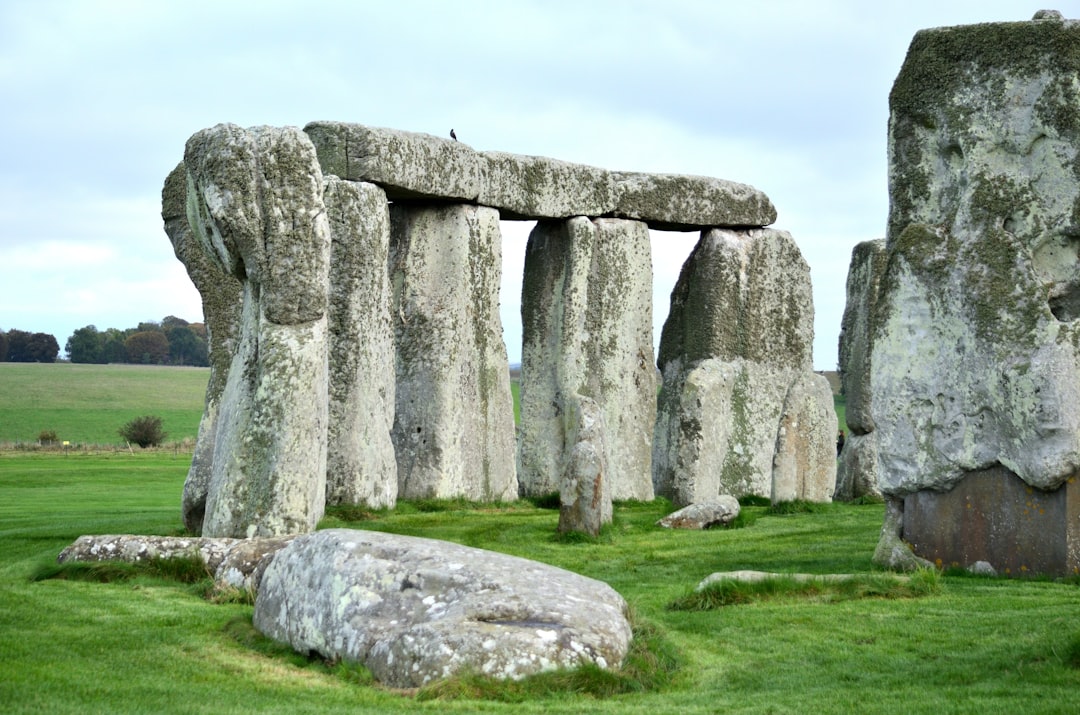
Megalithic structures have long captivated the imagination of historians, archaeologists, and the general public alike. These monumental edifices, often composed of large stones, are scattered across various continents and cultures, each telling a story steeped in mystery and intrigue. From Stonehenge in England to the dolmens of Korea, these structures evoke questions about the societies that built them, their purposes, and the methods employed in their construction.
The sheer scale and precision of these monuments suggest a level of sophistication that challenges the understanding of ancient civilizations. The allure of megalithic structures lies not only in their physical presence but also in the enigma surrounding their origins. Many of these sites date back thousands of years, yet the reasons for their construction remain largely speculative.
Some theories propose that they served as astronomical observatories, while others suggest they were places of worship or communal gathering.
Key Takeaways
- Megalithic structures continue to be a mystery, with their purpose and construction techniques still not fully understood.
- The engineering of megalithic monuments showcases the incredible skill and innovation of ancient builders.
- Ancient megalithic builders used a variety of tools and techniques, including stone hammers and levers, to construct these massive structures.
- Megalithic sites served various functions, including burial grounds, ceremonial spaces, and astronomical observatories.
- Megalithic structures hold cultural and spiritual significance for many communities around the world.
The Ingenious Engineering of Megalithic Monuments
The engineering prowess displayed in the construction of megalithic monuments is nothing short of remarkable. These ancient builders demonstrated an understanding of structural integrity and design that continues to impress modern engineers. The ability to transport massive stones, some weighing several tons, over considerable distances without the aid of modern machinery speaks volumes about their ingenuity and resourcefulness.
Techniques such as leveraging, rolling, and sledding were likely employed to move these colossal blocks into place. Moreover, the precision with which these stones were cut and assembled is a testament to the builders’ skills. Many megalithic sites exhibit a level of craftsmanship that suggests a deep understanding of geometry and physics.
For instance, the interlocking stones at sites like Gobekli Tepe in Turkey showcase not only aesthetic appeal but also functional stability.
The Tools and Techniques of Ancient Megalithic Builders
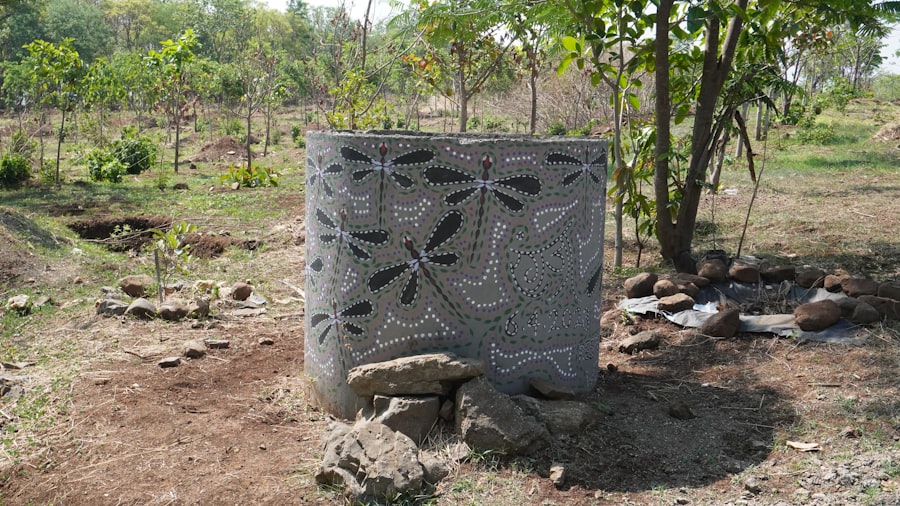
The tools and techniques utilized by ancient megalithic builders remain a subject of fascination and debate among scholars. While it is widely accepted that they lacked modern machinery, evidence suggests they employed a variety of simple yet effective tools made from stone, wood, and bone. Hammerstones, chisels, and levers were likely among the primary implements used to shape and transport the massive stones.
The ingenuity of these tools reflects a deep understanding of material properties and mechanical advantage. In addition to tools, the techniques employed by these builders were crucial to their success. Collaborative labor was essential; communities would come together to undertake the monumental task of construction.
This collective effort not only facilitated the movement of heavy stones but also fostered social cohesion among members of the society. The organization required for such large-scale projects indicates a level of social structure and leadership that was likely necessary for coordinating labor and resources effectively.
The Purpose and Function of Megalithic Sites
| Megalithic Site | Purpose | Function |
|---|---|---|
| Stonehenge | Astronomical observatory, religious ceremonies | Aligning with solstices, marking celestial events |
| Gobekli Tepe | Ritualistic gatherings, religious ceremonies | Community gatherings, possibly religious rituals |
| Carnac Stones | Religious or ceremonial purposes | Possibly used for rituals, burials, or astronomical observations |
The purpose and function of megalithic sites have been subjects of extensive research and speculation. While some scholars argue that these structures served primarily as burial sites or tombs for elite individuals, others propose that they functioned as ceremonial centers or places for communal gatherings. The diversity in the types of megalithic structures—ranging from stone circles to dolmens—suggests that their functions may have varied significantly across different cultures and regions.
In many cases, megalithic sites appear to have held significant cultural importance for the communities that constructed them. They may have served as focal points for rituals, celebrations, or even astronomical observations. The alignment of certain structures with solstices or equinoxes further supports the idea that these sites were integral to the spiritual and agricultural practices of ancient peoples.
As such, megalithic monuments can be seen as reflections of the values, beliefs, and social organization of the societies that created them.
The Cultural and Spiritual Significance of Megalithic Structures
The cultural and spiritual significance of megalithic structures cannot be overstated. For many ancient societies, these monuments represented a connection to the divine or the cosmos. They often served as places where rituals were performed to honor deities or ancestors, reinforcing social bonds within communities.
The act of constructing such monumental edifices was likely imbued with spiritual meaning, transforming labor into a sacred endeavor. Furthermore, megalithic structures often symbolize a society’s identity and continuity through time. They stand as testaments to human ingenuity and resilience, embodying collective memory and shared beliefs.
In many cultures, these sites are still revered today, serving as pilgrimage destinations or places for contemporary spiritual practices. The enduring legacy of megalithic structures highlights their role in shaping cultural narratives and fostering a sense of belonging among people across generations.
The Construction Challenges of Megalithic Engineering

Constructing megalithic structures presented numerous challenges that required innovative solutions from ancient builders. One significant obstacle was the sheer weight and size of the stones used in construction. Transporting these massive blocks over long distances posed logistical difficulties that demanded careful planning and coordination.
It is believed that builders utilized natural features such as rivers or rolling terrain to facilitate movement, employing techniques that maximized efficiency. Additionally, the assembly process itself was fraught with challenges. Ensuring stability while erecting large stones required precise engineering skills and an understanding of balance.
Builders had to account for factors such as soil composition, weather conditions, and potential seismic activity when selecting sites for construction. The successful completion of these monumental projects reflects not only technical expertise but also a deep commitment to overcoming obstacles in pursuit of a shared vision.
The Alignment and Orientation of Megalithic Monuments
The alignment and orientation of megalithic monuments often reveal sophisticated knowledge of astronomy among ancient builders. Many structures are strategically positioned to align with celestial events such as solstices, equinoxes, or lunar cycles. This intentional placement suggests that these societies had a profound understanding of astronomical phenomena and their significance in agricultural cycles or religious practices.
For instance, Stonehenge’s alignment with the rising sun during the summer solstice has led researchers to speculate about its role as an astronomical observatory or ceremonial site linked to seasonal changes. Similarly, other megalithic sites around the world exhibit similar alignments, indicating a shared cultural emphasis on celestial observation. This connection between architecture and astronomy underscores the importance of natural cycles in shaping human experience and belief systems.
The Mathematical and Astronomical Knowledge of Megalithic Builders
The mathematical and astronomical knowledge possessed by megalithic builders is evident in the design and layout of their structures. Many monuments exhibit geometric precision that suggests an understanding of mathematical principles far beyond what might be expected from ancient societies. The use of ratios, symmetry, and proportion in construction indicates a sophisticated grasp of geometry that was likely applied in various aspects of daily life.
Moreover, the alignment of megalithic sites with celestial bodies points to an advanced comprehension of astronomy. Builders demonstrated an ability to track celestial movements and incorporate this knowledge into their architectural designs. This integration of mathematics and astronomy not only facilitated practical applications such as agricultural planning but also reinforced spiritual beliefs tied to cosmic cycles.
The legacy of this knowledge continues to inspire contemporary scholars seeking to understand the complexities of ancient civilizations.
The Preservation and Restoration of Megalithic Sites
Preserving megalithic sites poses significant challenges due to their age, exposure to natural elements, and human activity over centuries. Many structures have suffered from erosion, vandalism, or neglect, leading to concerns about their long-term survival. Efforts to restore and protect these monuments require careful consideration of historical integrity while employing modern conservation techniques.
Organizations dedicated to heritage preservation work tirelessly to ensure that megalithic sites are maintained for future generations. This often involves collaboration between archaeologists, historians, local communities, and government agencies to develop sustainable management plans. Public awareness campaigns also play a crucial role in fostering appreciation for these cultural treasures, encouraging responsible tourism practices that minimize environmental impact while promoting education about their historical significance.
The Global Distribution of Megalithic Structures
Megalithic structures are found across diverse geographical regions, reflecting a wide array of cultural practices and architectural styles. From Europe to Asia, Africa to the Americas, these monumental edifices serve as markers of human ingenuity throughout history. Each region boasts its unique interpretations and adaptations of megalithic architecture, showcasing local materials and cultural influences.
In Europe, for example, stone circles like those found in Scotland highlight communal gathering spaces steeped in ritual significance. In contrast, South American cultures constructed impressive stone formations such as those seen at Tiwanaku in Bolivia, which reflect distinct cosmological beliefs tied to their environment. This global distribution underscores the universality of human expression through monumental architecture while also emphasizing regional diversity in cultural practices.
The Continuing Legacy of Megalithic Engineering
The legacy of megalithic engineering endures in contemporary society through various avenues—culturally, architecturally, and spiritually. Modern architects often draw inspiration from ancient techniques when designing large-scale projects or public spaces that seek to evoke a sense of permanence or connection to history. Additionally, many contemporary spiritual movements continue to honor megalithic sites as places for reflection or ritual practice.
Furthermore, ongoing research into megalithic structures contributes significantly to our understanding of human history and cultural evolution. As archaeologists uncover new findings related to these ancient monuments, they provide valuable insights into societal organization, technological advancements, and belief systems across time periods. The fascination with megalithic structures remains strong; they serve as enduring symbols of humanity’s quest for meaning through monumental expression—a testament to our shared heritage that transcends time and geography.
Ancient megalithic engineering has long fascinated historians and archaeologists, as these monumental structures offer a glimpse into the advanced techniques and cultural significance of early civilizations. A related article that delves into the intricacies of these engineering marvels can be found on Real Lore and Order. This article explores the methods and tools used by ancient builders to construct these awe-inspiring structures, shedding light on the ingenuity and resourcefulness of our ancestors. For more detailed insights, you can read the full article by visiting this link.
WATCH THIS 🤯Ancient Tech That Should Not Exist
FAQs
What is ancient megalithic engineering?
Ancient megalithic engineering refers to the construction of large stone structures by ancient civilizations using advanced engineering techniques and tools.
Where were ancient megalithic structures built?
Ancient megalithic structures were built in various parts of the world, including Europe, Asia, Africa, and the Americas. Some well-known examples include Stonehenge in England, the Great Pyramids of Giza in Egypt, and the Moai statues on Easter Island.
How were ancient megalithic structures constructed?
The construction of ancient megalithic structures involved the quarrying, transportation, and precise placement of large stones using sophisticated engineering techniques. It is still a subject of debate among archaeologists and historians as to how these structures were built with the technology available at the time.
What tools and techniques were used in ancient megalithic engineering?
Ancient civilizations used a variety of tools and techniques for megalithic engineering, including stone and bronze tools, levers, ramps, and possibly simple machines such as pulleys and sledges. The exact methods varied depending on the location and time period.
What was the purpose of ancient megalithic structures?
The purpose of ancient megalithic structures is still a topic of debate among researchers. Some theories suggest they were used for religious or ceremonial purposes, astronomical observations, or as markers for important locations. Others believe they served as tombs or memorials for important individuals.
What is the significance of ancient megalithic engineering?
Ancient megalithic engineering is significant because it demonstrates the advanced technical and organizational skills of ancient civilizations. The construction of these massive stone structures required careful planning, engineering knowledge, and the ability to mobilize large numbers of people for labor.