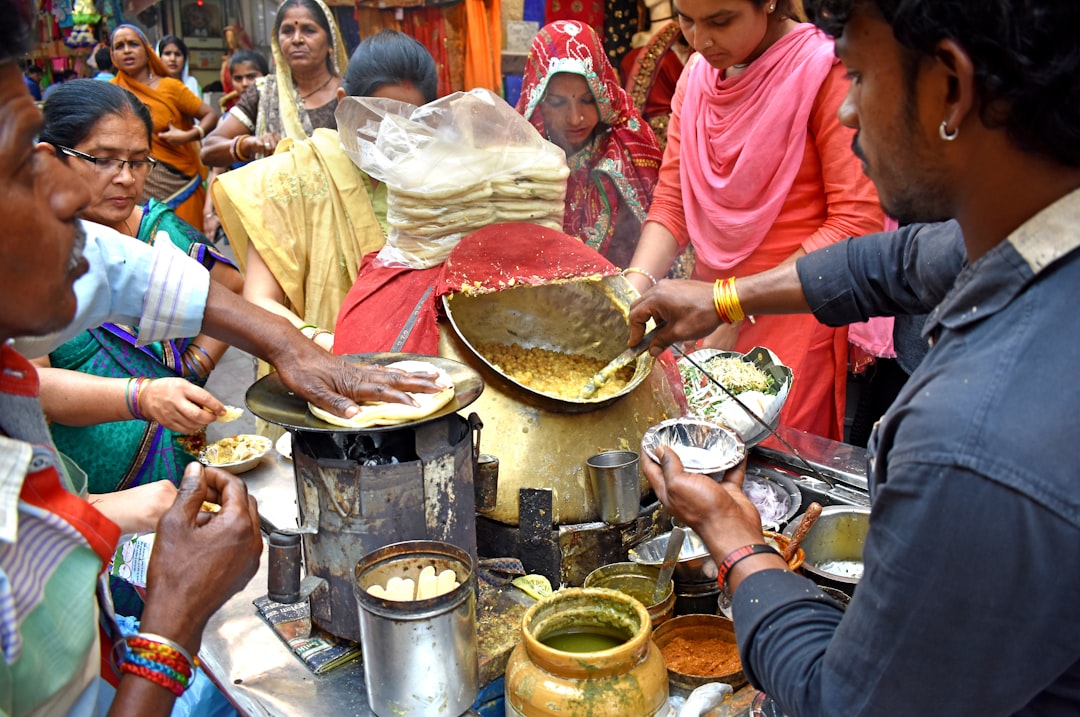
Food rationing is a systematic approach to controlling the distribution and consumption of food resources, often implemented during times of crisis, such as wars, natural disasters, or economic downturns. This practice aims to ensure that limited food supplies are allocated fairly among the population, preventing hoarding and ensuring that everyone has access to essential nutrition. Rationing can take various forms, from government-imposed limits on food purchases to the issuance of ration cards that dictate how much food an individual or family can obtain.
The concept of food rationing is not merely a modern phenomenon; it has deep historical roots and has evolved over time in response to changing societal needs and challenges. The significance of food rationing extends beyond mere survival; it reflects the values and priorities of a society during times of scarcity. The implementation of rationing often reveals underlying social dynamics, including issues of equity and justice.
As communities grapple with limited resources, the ways in which food is distributed can highlight existing inequalities and prompt discussions about social responsibility. Understanding the complexities of food rationing provides valuable insights into human behavior, governance, and the resilience of societies facing adversity.
Key Takeaways
- Food rationing has been a common practice throughout history, often implemented during times of scarcity or conflict.
- Historical evidence shows that food rationing has been used as a tool for social control and to maintain order within societies.
- Archaeological findings, such as food storage facilities and distribution systems, provide insight into how food rationing was implemented in ancient civilizations.
- Methods such as pollen analysis and isotopic analysis are used by archaeologists to study food rationing and its impact on ancient populations.
- Food rationing often reinforced social hierarchies, with the elite having access to better quality and quantity of food compared to the lower classes.
Historical Context of Food Rationing
The history of food rationing is rich and varied, with instances recorded across different cultures and epochs. One of the earliest known examples dates back to ancient Rome, where grain distributions were managed to prevent famine among the urban populace. During the Middle Ages, various European kingdoms implemented rationing during periods of crop failure or war, often prioritizing soldiers and nobility over common citizens.
However, it was during the 20th century, particularly during World War I and World War II, that food rationing became a widespread and organized practice in many countries. In the United Kingdom, for instance, food rationing was introduced in 1940 as a response to wartime shortages. The government established a system that allocated specific quantities of essential items such as meat, sugar, and dairy products to each citizen.
This initiative aimed not only to ensure equitable distribution but also to boost morale by fostering a sense of shared sacrifice among the population. Similarly, in the United States, rationing was implemented during World War II, with citizens encouraged to grow their own food in “victory gardens” as a means of supplementing their rations. These historical contexts illustrate how food rationing has often been intertwined with national identity and collective effort during challenging times.
Archaeological Evidence of Food Rationing

Archaeological evidence plays a crucial role in understanding the practices and implications of food rationing throughout history. Excavations at ancient sites have uncovered remnants of storage facilities, granaries, and even cooking implements that provide insights into how societies managed their food resources. For example, in ancient Mesopotamia, archaeologists have found evidence of large-scale grain storage systems that suggest a centralized approach to food distribution.
These findings indicate that early civilizations recognized the importance of managing food supplies to sustain their populations. Moreover, the analysis of animal bones and plant remains at archaeological sites can reveal dietary patterns and shifts in consumption related to rationing practices. In times of scarcity, certain foods may become more prevalent in the archaeological record, reflecting changes in availability and preference.
By studying these remnants, researchers can reconstruct past diets and understand how communities adapted to challenges posed by resource limitations. This archaeological perspective enriches the narrative of food rationing by providing tangible evidence of human responses to scarcity across different cultures and epochs.
Methods of Studying Food Rationing Archaeology
| Method | Description |
|---|---|
| Excavation | Digging and carefully documenting the layers of soil to uncover artifacts and food remains. |
| Analysis of Food Remains | Studying the composition and preservation of food remains such as seeds, bones, and shells to understand ancient diets. |
| Isotopic Analysis | Examining the isotopic composition of human and animal remains to determine dietary patterns and food sourcing. |
| Historical Records | Studying historical documents and accounts to understand food rationing and distribution systems in the past. |
The study of food rationing archaeology employs a multidisciplinary approach that combines techniques from various fields such as anthropology, history, and environmental science. One primary method involves the excavation of sites where evidence of food storage and consumption can be found.
This process allows them to piece together how societies organized their food resources and responded to periods of scarcity. In addition to excavation, researchers utilize scientific techniques such as isotopic analysis and residue analysis to gain deeper insights into past diets. Isotopic analysis can reveal information about the types of foods consumed by analyzing the chemical signatures found in human remains or animal bones.
Residue analysis involves examining cooking vessels for traces of specific foods, providing clues about culinary practices during times of rationing. By integrating these methods, scholars can create a more comprehensive understanding of how food rationing influenced daily life in historical contexts.
Food Rationing and Social Hierarchies
Food rationing often intersects with social hierarchies, revealing disparities in access to resources based on class, gender, and ethnicity. During times of scarcity, those in positions of power may have greater access to food supplies, while marginalized groups face increased vulnerability. Historical examples abound; for instance, during World War II in Europe, reports indicated that wealthier families could supplement their rations through black market purchases or by leveraging connections to obtain additional supplies.
This unequal distribution can lead to social tensions and unrest as communities grapple with feelings of injustice. In some cases, food rationing has sparked resistance movements aimed at challenging inequitable practices. The dynamics between those who control resources and those who are dependent on them highlight the complex interplay between food security and social structures.
Understanding these hierarchies is essential for comprehending the broader implications of food rationing on societal cohesion and conflict.
Impact of Food Rationing on Health and Nutrition
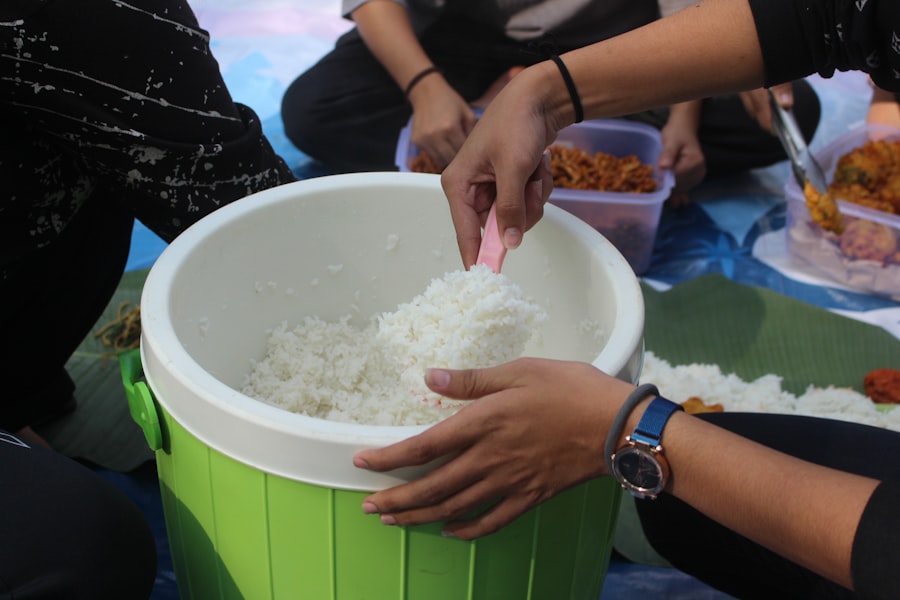
The impact of food rationing on health and nutrition is profound and multifaceted. While rationing aims to ensure equitable access to essential foods, it can also lead to unintended consequences for public health. In many cases, limited access to diverse foods results in nutritional deficiencies among populations.
For example, during World War II in Britain, citizens faced restrictions on meat and dairy products, leading to concerns about protein intake and overall health. Moreover, the psychological effects of rationing cannot be overlooked. The stress associated with limited food availability can contribute to mental health issues within communities already grappling with the challenges posed by war or economic hardship.
The experience of rationing often fosters a sense of anxiety about future food security, which can further exacerbate health problems.
Cultural and Culinary Aspects of Food Rationing
Food rationing also influences cultural practices and culinary traditions within societies facing scarcity. When certain ingredients become scarce or unavailable, communities often adapt their cooking methods and recipes to make use of what is accessible. This adaptability can lead to the emergence of new culinary traditions that reflect resilience in the face of adversity.
For instance, during World War II in various countries, people became inventive with their cooking as they sought ways to stretch limited rations. Substitutes for common ingredients were developed; for example, recipes for “mock” dishes emerged that imitated traditional favorites using alternative ingredients. These adaptations not only helped families cope with shortages but also fostered a sense of creativity and community as individuals shared tips and recipes with one another.
Food Rationing and Resistance
Throughout history, food rationing has often been met with resistance from those affected by its constraints. In many instances, individuals or groups have organized protests or engaged in acts of civil disobedience against perceived injustices related to food distribution. Such resistance can take various forms, from public demonstrations advocating for fairer rations to underground networks that circumvent official channels.
During World War II, for example, some citizens resorted to black market activities as a means of obtaining additional supplies outside the confines of government-imposed limits. This underground economy not only highlights the desperation felt by individuals facing scarcity but also underscores the lengths people will go to secure their basic needs. The resistance against food rationing reflects broader themes of agency and autonomy within societies grappling with external pressures.
Food Rationing and Government Policies
Government policies play a pivotal role in shaping the implementation and effectiveness of food rationing systems. The rationale behind these policies often stems from a desire to maintain social order during crises while ensuring that essential resources are distributed equitably among citizens. However, the success or failure of these policies can vary significantly based on factors such as governance structures, public compliance, and economic conditions.
In many cases, governments have employed propaganda campaigns to encourage compliance with rationing measures. By framing rationing as a patriotic duty or a necessary sacrifice for the greater good, authorities seek to foster a sense of solidarity among citizens. However, when policies are perceived as unfair or ineffective, public trust can erode rapidly, leading to resistance movements or social unrest.
Legacy of Food Rationing in Contemporary Society
The legacy of food rationing continues to resonate in contemporary society as communities grapple with issues related to food security and resource distribution. While modern economies are generally more resilient than those faced during historical crises, disparities in access to nutritious foods persist globally. The lessons learned from past experiences with rationing inform current discussions about sustainable agriculture, equitable distribution systems, and emergency preparedness.
Moreover, contemporary movements advocating for food justice draw upon historical narratives surrounding rationing to highlight ongoing inequalities within food systems. By examining how past societies navigated scarcity through rationing practices, activists seek to inspire change in current policies aimed at addressing hunger and malnutrition.
Future Directions in Food Rationing Archaeology
As scholars continue to explore the archaeology of food rationing, future research directions may focus on integrating new technologies and interdisciplinary approaches into their studies. Advances in remote sensing technology could enhance archaeological surveys by identifying potential sites related to ancient storage facilities or distribution centers without extensive excavation. Additionally, collaborations between archaeologists and social scientists may yield deeper insights into how cultural practices surrounding food consumption evolve during times of scarcity.
By examining contemporary case studies alongside historical examples, researchers can develop a more nuanced understanding of how societies adapt their food systems in response to changing circumstances. In conclusion, the study of food rationing encompasses a rich tapestry of historical narratives, archaeological evidence, social dynamics, health implications, cultural adaptations, resistance movements, government policies, legacies in contemporary society, and future research directions. By delving into this multifaceted topic, scholars contribute valuable insights into human resilience and adaptability in the face of adversity while highlighting ongoing challenges related to food security today.
In exploring the archaeology of food rationing, one can gain valuable insights into the socio-economic conditions and cultural adaptations of past societies during times of scarcity. An interesting related article can be found on Real Lore and Order, which delves into the historical context and implications of rationing practices. This article provides a comprehensive overview of how communities managed limited resources and the impact of these practices on daily life. For more detailed information, you can read the full article by visiting Real Lore and Order.
WATCH THIS! 😕They Buried the Truth: How Ancient Elites Hid a Climate Collapse.
FAQs
What is the archaeology of food rationing?
The archaeology of food rationing is the study of how food rationing has been implemented and managed in different societies throughout history, as well as the impact it has had on the daily lives of people.
What are some examples of food rationing in history?
Some examples of food rationing in history include the rationing during World War I and World War II, as well as during times of famine or economic hardship in various societies.
How is the archaeology of food rationing studied?
Archaeologists study the archaeology of food rationing by examining historical documents, artifacts, and food remains to understand how rationing systems were organized, what foods were rationed, and how people coped with limited food supplies.
What can the archaeology of food rationing tell us about past societies?
Studying the archaeology of food rationing can provide insights into the social, economic, and political structures of past societies, as well as the resilience and adaptability of people in the face of food shortages.
What are some challenges in studying the archaeology of food rationing?
Challenges in studying the archaeology of food rationing include the preservation of food-related artifacts, interpreting historical records, and understanding the cultural and social contexts in which rationing took place.