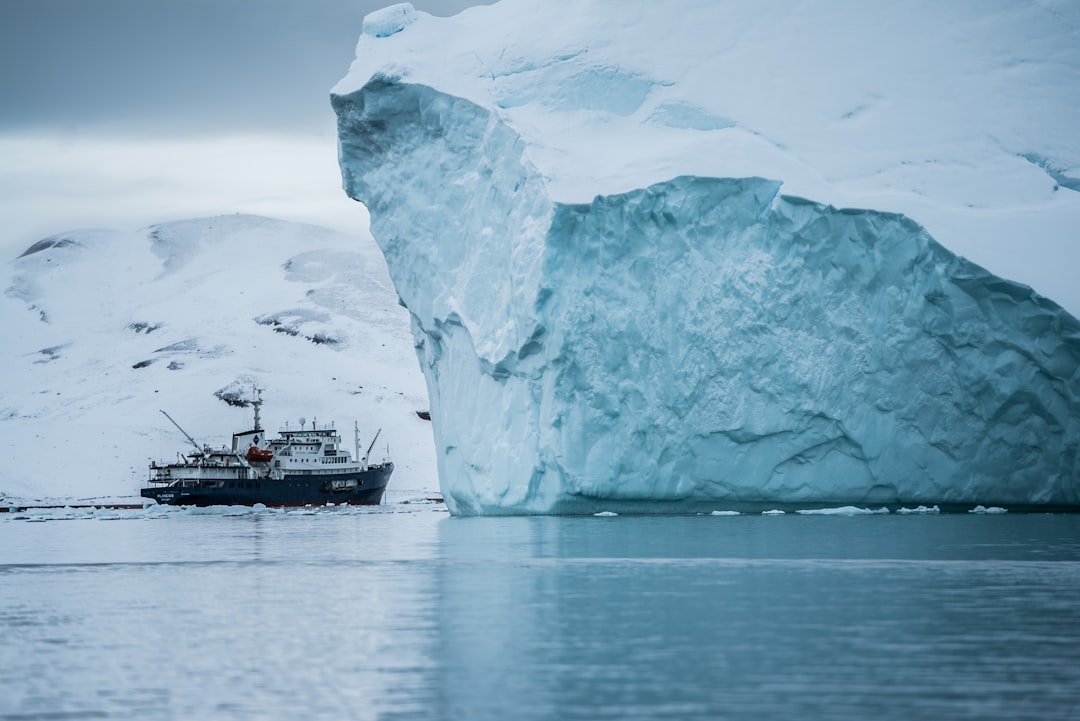
The Arctic, a vast expanse of ice and sea, once considered a remote and inhospitable frontier, is rapidly transforming into a stage for burgeoning geopolitical tensions. As climate change melts its icy defenses, exposing new shipping routes and vast natural resources, the “battle for control” intensifies amongst nations with territorial claims and strategic interests in the region. This article will explore the multifaceted drivers of these tensions, the key players involved, and the potential implications for global security and the environment.
The most significant catalyst for the heightened geopolitical focus on the Arctic is undeniably climate change. The accelerating melt of Arctic sea ice, a phenomenon far outpacing global averages, is redrawing maps and redefining strategic calculations.
The Vanishing Ice Cap: A Double-Edged Sword
- The dramatic reduction in sea ice extent and thickness is opening up previously impassable waterways. The Northern Sea Route (NSR) along Russia’s northern coast and the Northwest Passage (NWP) through the Canadian Arctic Archipelago are becoming increasingly commercially viable for year-round shipping. This presents a significant economic opportunity, reducing transit times and costs between Europe and Asia, bypassing the Suez Canal.
- However, this melting is not a uniform or entirely predictable process. While passages are opening, the ice remains treacherous, and the operational window is still limited seasonally for many vessels. The environment also poses significant challenges, with limited infrastructure, search and rescue capabilities, and the constant threat of icebergs and extreme weather conditions.
Resource Riches Beneath the Surface
- Beyond shipping lanes, the melting ice is also revealing the potential for vast untapped natural resources. The United States Geological Survey (USGS) estimates that the Arctic may hold 13% of the world’s undiscovered oil and 30% of its undiscovered natural gas reserves. Furthermore, significant deposits of rare earth elements, critical for modern technologies, are believed to exist in Arctic territories.
- The economic allure of these resources is a powerful motivator for Arctic nations and increasingly for non-Arctic states looking to diversify their energy and mineral supply chains. The exploitation of these resources, however, carries substantial environmental risks, including potential oil spills in a fragile ecosystem with limited cleanup capabilities.
The ongoing geopolitical tensions in the Arctic have garnered significant attention from analysts and policymakers alike, particularly as nations vie for control over valuable resources and shipping routes. A related article that delves deeper into these issues can be found at this link, where the complexities of international relations in the region are explored in detail. As climate change continues to open up new areas for exploration, understanding the dynamics at play is crucial for anticipating future conflicts and collaborations among Arctic nations.
The Players: Who Holds the Arctic Cards?
Eight Arctic nations – Canada, Denmark (via Greenland), Finland, Iceland, Norway, Russia, Sweden, and the United States – are directly involved in the governance and development of the region. However, other global powers are increasingly asserting their interests, adding layers of complexity to the geopolitical landscape.
The Arctic Eight: Guardians and Claimants
- Russia: Possessing the longest Arctic coastline, Russia views the region as strategically vital and a cornerstone of its economy. Moscow has heavily invested in military modernization, including the refitting of Arctic-capable bases and the deployment of new icebreakers. Russia also champions the Northern Sea Route, seeking to control and profit from its use as a global transit corridor. Its extensive Arctic infrastructure and military presence position it as the dominant Arctic military power.
- The United States: With its Alaskan territory, the US has significant Arctic interests. Washington’s approach has been multifaceted, focusing on scientific research, environmental protection, and increasingly, military presence and infrastructure development in response to perceived Russian assertiveness. The US Coast Guard plays a crucial role in maintaining presence and enforcing regulations in its Arctic waters.
- Canada: Canada’s Arctic archipelago presents a unique geopolitical challenge, particularly concerning the Northwest Passage. Canada asserts sovereignty over the NWP as internal waters, a claim contested by the United States, which views it as an international strait. Canada has been enhancing its Arctic military capabilities and infrastructure.
- Nordic Nations (Norway, Denmark, Finland, Sweden, Iceland): These nations, while having smaller Arctic footprints than Russia or the US, are increasingly active. Norway, with its strategic location and substantial offshore hydrocarbon reserves, is a key player. Denmark, through Greenland, possesses a large Arctic territory with strategic implications and significant resource potential. The Nordic countries, often acting in concert through frameworks like the Nordic Council, emphasize scientific cooperation, sustainable development, and the importance of international law.
Emerging Arctic Aspirants: The Global Gaze
- China: While not an Arctic state, China has declared itself a “near-Arctic state” and has aggressively pursued its interests. Beijing’s Arctic strategy is deeply intertwined with its Belt and Road Initiative, envisioning a “Polar Silk Road” that leverages Arctic shipping routes. China has invested in icebreaker research and construction, participated in Arctic scientific expeditions, and sought to gain influence within Arctic governance structures like the Arctic Council. Its economic power allows it to exert considerable influence.
- Other Nations: Countries like Japan, South Korea, India, and various European Union member states are also showing a keen interest in the Arctic. Their motivations range from securing energy and mineral resources to exploring new shipping routes and contributing to scientific research. Their involvement often manifests through increased engagement in Arctic Council observer status and participation in scientific collaborations.
The Arenas of Contention: Where the Battle is Fought
The “battle for control” in the Arctic is not waged with overt military aggression, but rather through a complex interplay of legal claims, economic investment, military posturing, and diplomatic maneuvering.
Maritime Jurisdiction and Boundary Disputes
- The delineation of maritime boundaries in the Arctic is a critical and often contentious issue. The United Nations Convention on the Law of the Sea (UNCLOS) provides the framework for claiming extended continental shelves, which can grant coastal states rights over resources in these areas.
- Several Arctic nations have submitted claims to the Commission on the Limits of the Continental Shelf (CLCS) seeking to extend their jurisdiction beyond the 200-nautical-mile exclusive economic zone. These claims, particularly those overlapping or contested, represent a significant potential flashpoint. The Lomonosov Ridge, a submarine mountain ridge spanning the Arctic Ocean, is a focal point for competing claims, with Russia, Denmark (via Greenland), and Canada all having submitted claims that overlap in certain sections.
- The status of straits like the Northwest Passage is also a point of contention, as discussed, impacting freedom of navigation and transit rights.
Economic Exploitation and Resource Competition
- The race to exploit the Arctic’s vast hydrocarbon and mineral reserves is a primary driver of geopolitical interest. This competition creates tensions as nations seek to secure exploration and extraction rights and develop the infrastructure necessary to support these ventures.
- The development of LNG projects, such as Novatek’s Yamal LNG in Russia, demonstrates the scale of economic ambition in the region. These projects require significant investment and are closely watched by global energy markets.
- The potential for future resource extraction also fuels investment in Arctic infrastructure, including ports, icebreakers, and logistical support networks, further solidifying national interests.
Military Presence and Security Concerns
- While the Arctic has historically been a low-tension area, there has been a visible increase in military activity. Russia’s extensive military buildup, including the reactivation of Soviet-era bases and the development of new Arctic-capable forces, has been a particular concern for its neighbors and NATO.
- NATO allies, including the United States, Canada, and the Nordic countries, have responded by increasing their own military exercises and presence in the region. These exercises are often conducted to demonstrate readiness and to ensure interoperability among allied forces in the Arctic environment. The focus is on surveillance, patrol, and the ability to project power in a challenging operational theater.
- The increasing presence of military assets raises the specter of miscalculation or accidental escalation, transforming the Arctic from a buffer zone to a potential theater of competition.
Governance in a Frozen Frontier: The Role of International Law and Cooperation
The Arctic is not a lawless vacuum. A complex web of international agreements, national legislation, and regional organizations governs its affairs, though the increasing geopolitical pressures are testing the resilience of these frameworks.
The Arctic Council: The Premier Forum
- The Arctic Council, established in 1997, is the primary intergovernmental forum for addressing issues facing the Arctic and promoting cooperation among the Arctic states. With the inclusion of Indigenous Permanent Participants, it offers a unique model for multilateral engagement.
- The Council’s work focuses on sustainable development and environmental protection, encompassing areas like climate change, pollution, and biodiversity. However, its mandate explicitly excludes military security, leading some to question its ability to effectively address the region’s escalating geostrategic challenges. The Council’s non-binding recommendations mean its influence is largely diplomatic and consultative.
UNCLOS: The Bedrock of Maritime Claims
- The United Nations Convention on the Law of the Sea (UNCLOS) is the foundational legal instrument governing maritime jurisdiction in the Arctic. It provides the framework for coastal states to claim exclusive economic zones (EEZs) and to extend their continental shelves.
- The successful submission and assessment of claims under UNCLOS are crucial for resolving potential boundary disputes peacefully. However, the process can be lengthy, and the interpretation of certain provisions, particularly regarding the definition of the continental shelf, can lead to disagreements.
The Importance of Indigenous Voices
- Indigenous peoples have inhabited the Arctic for millennia and hold deep traditional knowledge of the region. Their rights, livelihoods, and cultural heritage are intrinsically linked to the Arctic environment and its future.
- Their voices, often represented through Permanent Participant status in the Arctic Council, are crucial for ensuring that development and governance decisions are made in a sustainable and equitable manner. Their perspectives are vital for understanding the long-term impacts of environmental changes and resource exploitation.
As Arctic geopolitical tensions continue to escalate, many analysts are examining the implications of resource competition and military posturing in the region. A recent article highlights the strategic maneuvers of various nations as they vie for influence over the Arctic’s untapped resources and shipping routes. For a deeper understanding of these dynamics, you can read more in this insightful piece on the topic. The complexities of Arctic geopolitics are further explored in detail at this article, which sheds light on the motivations driving countries to assert their claims in this increasingly contested area.
The Future of the Arctic: A Cold War or Cold Peace?
| Metric | Value/Description | Relevance |
|---|---|---|
| Number of Arctic-bordering countries | 8 | Defines key stakeholders in Arctic geopolitics |
| Military presence increase (2010-2023) | Approx. 40% | Indicates rising security concerns and militarization |
| Disputed maritime claims | 5 major overlapping claims | Source of territorial tensions |
| Estimated untapped oil and gas reserves | About 13% of global undiscovered oil, 30% of gas | Drives economic interest and competition |
| Annual Arctic shipping traffic growth rate | ~10% per year (last decade) | Increases strategic and economic importance |
| Number of Arctic Council member states | 8 | Primary intergovernmental forum for Arctic cooperation |
| Number of observer states in Arctic Council | 13 | Reflects global interest in Arctic affairs |
| Incidents of Arctic military exercises (annual average) | 15-20 | Highlights increased military activity |
| Percentage of Arctic sea ice decline (since 1980) | ~40% | Enables new navigation routes and resource access |
| Number of bilateral agreements on Arctic cooperation | 20+ | Efforts to manage tensions and promote collaboration |
The trajectory of Arctic geopolitics remains uncertain, with potential for both increased cooperation and heightened confrontation. The decisions made today will shape the future of this vital region for generations to come.
The Specter of Militarization
- The increasing military investment and activity in the Arctic raise concerns about a potential militarization of the region. While Arctic states emphasize defensive postures and freedom of navigation, the presence of advanced military hardware and enhanced operational capabilities signals a shift from a purely civilian focus.
- The risk of miscalculation, particularly in a dynamic and challenging environment, is a significant worry. Accidental encounters between military assets or coast guards could escalate tensions beyond intended levels.
- The development of dual-use infrastructure, such as ports and airfields, further blurs the lines between civilian and military utility, creating strategic advantages.
Environmental Stewardship vs. Resource Grab
- The Arctic is a sentinel of global climate change, and its fate is intertwined with the health of the planet. Balancing the imperative for environmental protection with the drive for economic exploitation presents a profound challenge.
- The potential for catastrophic oil spills in an ice-covered ocean, with limited cleanup capabilities and a fragile ecosystem, looms large. The long-term consequences of resource extraction on permafrost, biodiversity, and Indigenous communities are also significant concerns.
- The international community faces a critical juncture: will the Arctic become a testament to sustainable development and international cooperation, or will it be the scene of an unchecked resource grab, sacrificing environmental integrity for short-term gain?
The Call for Diplomacy and Cooperation
- Despite the rising tensions, the Arctic has a history of successful cooperation, particularly through the Arctic Council and scientific partnerships. Maintaining and strengthening these collaborative frameworks is paramount.
- Diplomatic engagement, underpinned by a commitment to international law, is essential for managing disputes and fostering a stable Arctic. The principle of peaceful resolution of disputes, enshrined in international law, must be upheld.
- Ultimately, the future of the Arctic hinges on the ability of its stakeholders to navigate the complex currents of geopolitical ambition with a shared understanding of the region’s unique vulnerabilities and its critical role in the global ecosystem. The battle for control is not just about resources and strategic advantage; it is also about the stewardship of a planet increasingly reliant on the delicate balance of its frozen north.
FAQs
What are the main causes of Arctic geopolitical tensions?
The primary causes of Arctic geopolitical tensions include competition over natural resources such as oil and gas, territorial claims due to melting ice opening new shipping routes, and strategic military interests among Arctic and non-Arctic states.
Which countries are most involved in Arctic geopolitical disputes?
The countries most involved in Arctic geopolitical disputes are the Arctic Council members: the United States, Canada, Russia, Norway, Denmark (via Greenland), Sweden, Finland, and Iceland. Russia and Canada, in particular, have significant territorial claims and military presence in the region.
How does climate change impact geopolitical tensions in the Arctic?
Climate change is causing Arctic ice to melt, making previously inaccessible areas open for navigation, resource extraction, and military activity. This increases competition among nations for control and access, thereby heightening geopolitical tensions.
What international agreements govern the Arctic region?
The United Nations Convention on the Law of the Sea (UNCLOS) is the primary international agreement governing territorial claims and maritime rights in the Arctic. Additionally, the Arctic Council facilitates cooperation among Arctic states on environmental protection and sustainable development.
Are there any ongoing efforts to reduce tensions in the Arctic?
Yes, Arctic states engage in diplomatic dialogue through the Arctic Council and other forums to manage disputes peacefully. There are also cooperative agreements on search and rescue operations, environmental protection, and scientific research to promote stability and collaboration in the region.