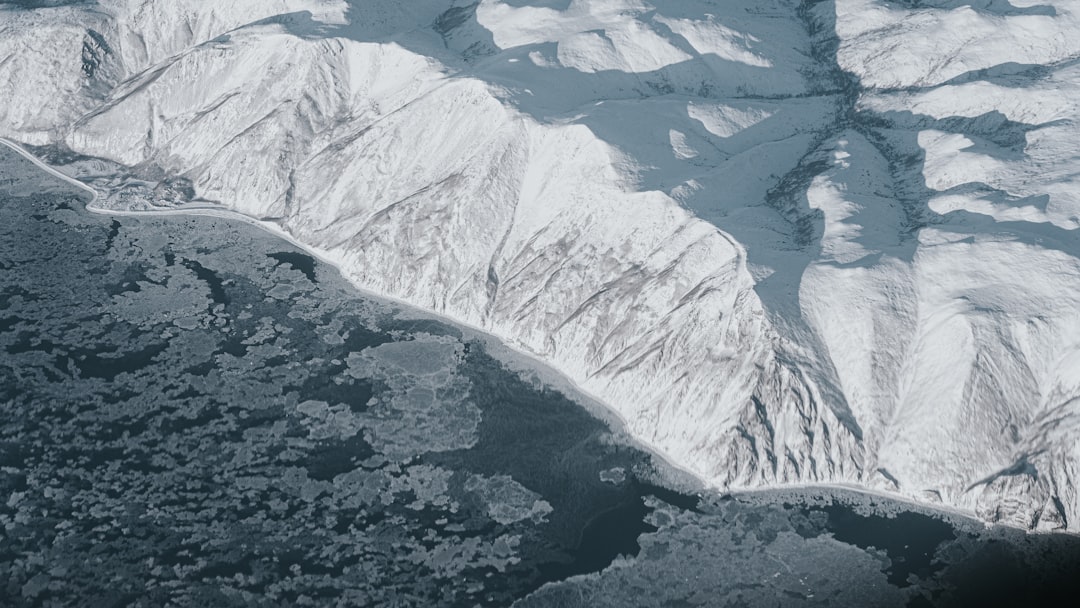
The Arctic, a region once viewed as a frozen periphery, has swiftly ascended to the forefront of international security discourse. Its vast expanses, historically isolated by extreme conditions, are now experiencing unprecedented changes, transforming a tranquil domain into a theatre of intensifying geopolitical competition. The melting of its ice cap, a stark visual of climate change, acts as a crucible, forging new pathways and revealing dormant resources, thereby creating both opportunity and considerable peril. This seismic shift necessitates a thorough examination of the multifaceted security concerns that are increasingly defining the Arctic landscape.
The most palpable driver of Arctic recalibration is the accelerating rate of ice melt. This phenomenon, while a dire indicator of global warming, concurrently unlocks geographical potential once considered unattainable, primarily through the opening of new maritime routes.
The Northern Sea Route (NSR)
The Northern Sea Route, stretching along the Russian Arctic coast, is a prime example of this emerging navigability. Its potential to significantly shorten shipping times between Asia and Europe, compared to traditional routes through the Suez or Panama Canals, presents substantial economic incentives.
- Reduced Transit Times and Costs: Navigating the NSR can cut voyage durations by up to 10-15 days, translating into considerable fuel and operational cost savings for shipping companies. This efficiency gain makes it an attractive alternative for maritime trade.
- Infrastructure Development and State Investment: Russia, the primary custodian of the NSR, has heavily invested in icebreakers, port infrastructure, and navigational aids to facilitate year-round access. This commitment underscores its strategic valuation of the route.
- Environmental Challenges and Risks: Despite the allure, the NSR presents substantial environmental risks. The passage through pristine Arctic waters increases the potential for oil spills, noise pollution, and the disruption of fragile ecosystems, posing a severe threat to indigenous communities and wildlife.
The Northwest Passage (NWP)
Similarly, the Northwest Passage, traversing the Canadian Arctic Archipelago, offers another prospective shortcut. While generally more challenging to navigate due to more extensive and persistent ice, its gradual opening is attracting renewed scrutiny.
- Sovereignty Disputes: Canada asserts full sovereignty over the waters of the NWP, viewing them as internal waters. The United States, however, contends these are international straits, leading to a long-standing diplomatic disagreement with potential security implications regarding free passage.
- Limited Commercial Viability (Currently): Due to its intricate geography, fluctuating ice conditions, and lack of developed infrastructure, the NWP currently sees minimal commercial shipping. Its primary utility remains for research, tourism, and indigenous community transit.
- Future Projections and Geopolitical Interest: Climate models suggest that the NWP may become increasingly navigable during summer months in the coming decades, potentially intensifying international interest and competition over access and control.
Arctic security concerns have become increasingly prominent as geopolitical tensions rise in the region, particularly with the melting ice caps opening new shipping routes and access to untapped resources. A related article that delves deeper into these issues can be found at Real Lore and Order, where experts discuss the implications of military posturing and environmental changes in the Arctic. This article provides valuable insights into the strategic interests of various nations and the potential for conflict in this fragile ecosystem.
Resource Extraction and Economic Competition
Beneath the thawing ice lies an estimated 30% of the world’s undiscovered natural gas and 13% of its undiscovered oil, alongside significant reserves of minerals and rare earth elements. This vast resource endowment fuels intense economic competition among Arctic and non-Arctic states alike.
Oil and Gas Exploration
The allure of hydrocarbons is a major driver of Arctic activity, with Russia, Norway, and the United States holding significant offshore reserves.
- Technological Challenges and Environmental Concerns: Extracting resources in such a remote and harsh environment presents immense technological hurdles and carries substantial environmental risks. Spills in icy conditions are notoriously difficult to contain, with devastating consequences for delicate ecosystems.
- Investment and Infrastructure: Developing the necessary infrastructure for extraction and transportation in the Arctic requires colossal investments, often necessitating state backing and international partnerships. This leads to complex economic and political dependencies.
- Global Energy Demand and Geopolitical Bargaining: As global energy demand continues to fluctuate, Arctic oil and gas are increasingly viewed as strategic assets, bolstering the geopolitical influence of states capable of their exploitation.
Mineral and Rare Earth Deposits
Beyond traditional fossil fuels, the Arctic holds vast, largely untapped reserves of various minerals, including iron ore, nickel, platinum, and critical rare earth elements, vital for modern technology.
- Strategic Importance for High-Tech Industries: Rare earth elements, crucial for electronics, renewable energy technologies, and defense systems, are concentrated in the Arctic. Access to these resources is a significant strategic objective for many nations.
- Environmental Impact of Mining: Large-scale mining operations pose significant environmental threats to the Arctic’s fragile landscapes and waters, including habitat destruction, disruption of permafrost, and potential for toxic runoff.
- Indigenous Rights and Land Use Conflicts: Many significant mineral deposits are located in or near areas traditionally used by indigenous communities. The potential for conflicts over land rights, resource sharing, and environmental protection is a growing concern.
Military Build-Up and Strategic Contestation

The potential for new trade routes, resource wealth, and the strategic vulnerability of previously inaccessible areas have spurred a noticeable military build-up among Arctic states. This build-up is a clear indicator of the region’s elevated strategic importance.
Resurgent Russian Military Presence
Russia, with the longest Arctic coastline, has undertaken a comprehensive modernization and expansion of its military capabilities in the region.
- Reactivation of Soviet-Era Bases: Moscow has reopened and upgraded numerous Soviet-era military bases, airfields, and deep-water ports along its Arctic coast, extending its operational reach and surveillance capabilities.
- Specialized Arctic Units and Equipment: Russia has developed specialized Arctic military units, trained to operate in extreme conditions, and deployed new generations of ice-hardened warships, submarines, and long-range aircraft.
- Protection of Northern Sea Route and Economic Assets: A primary military objective for Russia is the robust protection of its Arctic economic interests, including the NSR and offshore resource developments, asserting its sovereign rights and control.
NATO and Western Responses
In response to Russia’s renewed assertion in the Arctic, NATO members and other Western nations are incrementally enhancing their own military presence and capabilities.
- Increased Arctic Exercises: Countries such as Norway, the United States, Canada, and the United Kingdom are conducting more frequent and complex military exercises in the Arctic, focusing on cold-weather operations, maritime surveillance, and communication in extreme environments.
- Investment in Arctic-Capable Assets: There is a growing focus on developing and deploying military assets specifically designed for Arctic operations, including ice-capable vessels, polar-reinforced aircraft, and advanced surveillance technologies.
- Re-evaluation of Defense Strategies: NATO and its allies are re-evaluating their defense strategies to account for the changing Arctic environment, including potential threats to vital sea lanes and critical infrastructure in the region.
Geopolitical Implications and Non-Arctic State Involvement

The Arctic’s transformation is not solely a concern for its littoral states. The ripple effects of its changing climate and strategic recalibration are felt globally, drawing in a growing number of non-Arctic states.
China’s “Polar Silk Road” Ambition
China, though geographically distant, has declared itself a “near-Arctic state” and articulated an ambitious “Polar Silk Road” strategy.
- Economic Investments and Research Partnerships: Beijing is actively investing in Arctic infrastructure, particularly in Russia’s energy projects, and dramatically expanding its scientific research activities in the region, often in collaboration with Arctic nations.
- Strategic Access to Shipping and Resources: China’s interest is multifaceted: securing alternative shipping routes for its vast commercial fleet and gaining access to the Arctic’s abundant natural resources, crucial for its economic growth and industrial needs.
- Challenge to Traditional Arctic Governance: China’s increasingly assertive presence has raised questions about the established governance structures of the Arctic Council and the broader geopolitical balance within the region.
The Role of International Law and Governance
The legal framework governing the Arctic is complex, primarily based on the UN Convention on the Law of the Sea (UNCLOS), but supplemented by numerous bilateral agreements and the work of the Arctic Council.
- UNCLOS and Resource Claims: UNCLOS provides the fundamental framework for maritime boundary delimitations and the definition of exclusive economic zones, crucial for establishing sovereignty over offshore resources. The ongoing process of delineating extended continental shelf claims under UNCLOS is a critical element of Arctic governance.
- The Arctic Council’s Evolving Role: The Arctic Council, initially formed as a high-level forum for promoting cooperation on environmental protection and sustainable development, is increasingly being challenged to address security matters, a departure from its original mandate.
- Need for Robust International Cooperation: As competition escalates, the imperative for robust international legal frameworks and cooperative mechanisms becomes paramount to prevent miscalculation and escalation, ensuring that the Arctic remains a zone of peace and collaboration rather than conflict.
As the geopolitical landscape in the Arctic continues to evolve, security concerns have become increasingly prominent, highlighting the need for comprehensive strategies to address potential conflicts over resources and territorial claims. A recent article delves into these pressing issues, exploring the implications of military buildup and environmental changes in the region. For further insights on this topic, you can read more in the detailed analysis found in this article, which examines the multifaceted challenges facing Arctic security today.
Environmental Security and Indigenous Communities
| Security Concern | Description | Key Stakeholders | Current Status | Potential Impact |
|---|---|---|---|---|
| Territorial Claims | Disputes over sovereignty and maritime boundaries among Arctic nations. | Russia, Canada, USA, Denmark, Norway | Ongoing negotiations and claims submitted to the UN. | Potential for diplomatic conflicts and resource control issues. |
| Military Buildup | Increased military presence and infrastructure development in the Arctic region. | Russia, USA, NATO countries | Expansion of bases and deployment of advanced weaponry. | Heightened risk of military confrontation and arms race. |
| Resource Competition | Competition for access to oil, gas, minerals, and fisheries. | Arctic states, multinational corporations | Exploration and extraction activities increasing. | Environmental risks and geopolitical tensions. |
| Environmental Security | Impact of climate change on Arctic ecosystems and indigenous communities. | Indigenous peoples, environmental organizations, governments | Rising temperatures and melting ice affecting habitats. | Loss of biodiversity and disruption of traditional lifestyles. |
| Search and Rescue (SAR) Capabilities | Need for improved SAR operations due to increased Arctic activity. | Coastal states, international organizations | Development of joint SAR agreements and infrastructure. | Enhanced safety for commercial and scientific missions. |
| Shipping Route Security | Protection of emerging Arctic shipping lanes from piracy and accidents. | International maritime organizations, Arctic states | Implementation of new regulations and monitoring systems. | Safe and reliable transit supporting global trade. |
Amidst the geopolitical maneuvering and resource exploitation, the profound environmental implications of Arctic change and their direct impact on indigenous communities cannot be overstated. These issues represent a core dimension of Arctic security.
Climate Change as a Threat Multiplier
The Arctic is warming at a rate two to four times faster than the global average, leading to a cascade of environmental challenges.
- Permafrost Thaw and Infrastructure Damage: The thawing of permafrost, the permanently frozen ground that covers a large portion of the Arctic, is undermining critical infrastructure – roads, pipelines, and buildings – leading to significant economic costs and security risks.
- Sea Level Rise and Extreme Weather Events: The melting of Arctic ice contributes to global sea-level rise and influences global weather patterns, potentially leading to more frequent and intense extreme weather events far beyond the Arctic.
- Changes in Ecosystems and Biodiversity Loss: Rapid environmental changes are altering delicate Arctic ecosystems, threatening biodiversity, impacting migratory patterns of wildlife, and challenging the traditional subsistence practices of indigenous populations.
Impacts on Indigenous Peoples and Traditional Lifestyles
Indigenous communities, who have inhabited the Arctic for millennia, are on the front lines of these environmental and geopolitical shifts. Their physical, cultural, and economic security is intrinsically linked to the health of the Arctic environment.
- Threat to Subsistence Activities: Changes in ice conditions, wildlife populations, and migratory routes directly impact traditional hunting, fishing, and herding practices, threatening food security and cultural heritage.
- Cultural Disruption and Displacement: The erosion of coastal communities due to rising sea levels and thawing permafrost forces relocation, severing ties to ancestral lands and disrupting traditional ways of life.
- Limited Representation in Decision-Making: Despite being the primary inhabitants, indigenous voices are often marginalized in high-level geopolitical discussions about resource development and security, leading to feelings of disempowerment and a lack of self-determination.
In conclusion, the Arctic is no longer a peripheral concern but a central arena where the forces of climate change, economic opportunity, and geopolitical ambition converge. The shrinking ice cap, while opening new avenues for trade and resource extraction, simultaneously serves as a stark metaphor for the dissolving boundaries of an historically tranquil region. The ensuing scramble for dominance, marked by military build-ups and calls for new governance structures, casts a long shadow over the future of a region that is simultaneously fragile and strategically vital. For policy makers and global citizens alike, understanding these growing concerns is not merely academic; it is an urgent requirement for navigating the complex and potentially perilous future of the Earth’s northern frontier. The choices made today will undoubtedly echo across the vast, pristine, and increasingly contested ice-bound landscape for generations to come.
FAQs
What are the main security concerns in the Arctic region?
The main security concerns in the Arctic include territorial disputes, increased military presence, competition over natural resources, environmental challenges, and the impact of climate change on navigation and infrastructure.
Which countries are primarily involved in Arctic security issues?
The primary countries involved in Arctic security issues are the Arctic Council members: the United States, Canada, Russia, Norway, Denmark (via Greenland), Sweden, Finland, and Iceland, with Russia and the United States being particularly active in military and resource-related activities.
How does climate change affect security in the Arctic?
Climate change is causing ice melt, opening new shipping routes and access to untapped natural resources, which increases geopolitical competition and the potential for conflicts over sovereignty and resource exploitation.
What role does the Arctic Council play in addressing security concerns?
The Arctic Council serves as a forum for cooperation among Arctic states on environmental protection, sustainable development, and peaceful resolution of disputes, but it does not have a mandate for military security or enforcement.
Are there any international agreements governing Arctic security?
Yes, international agreements such as the United Nations Convention on the Law of the Sea (UNCLOS) provide a legal framework for territorial claims and maritime rights in the Arctic, while bilateral and multilateral agreements help manage cooperation and reduce tensions.