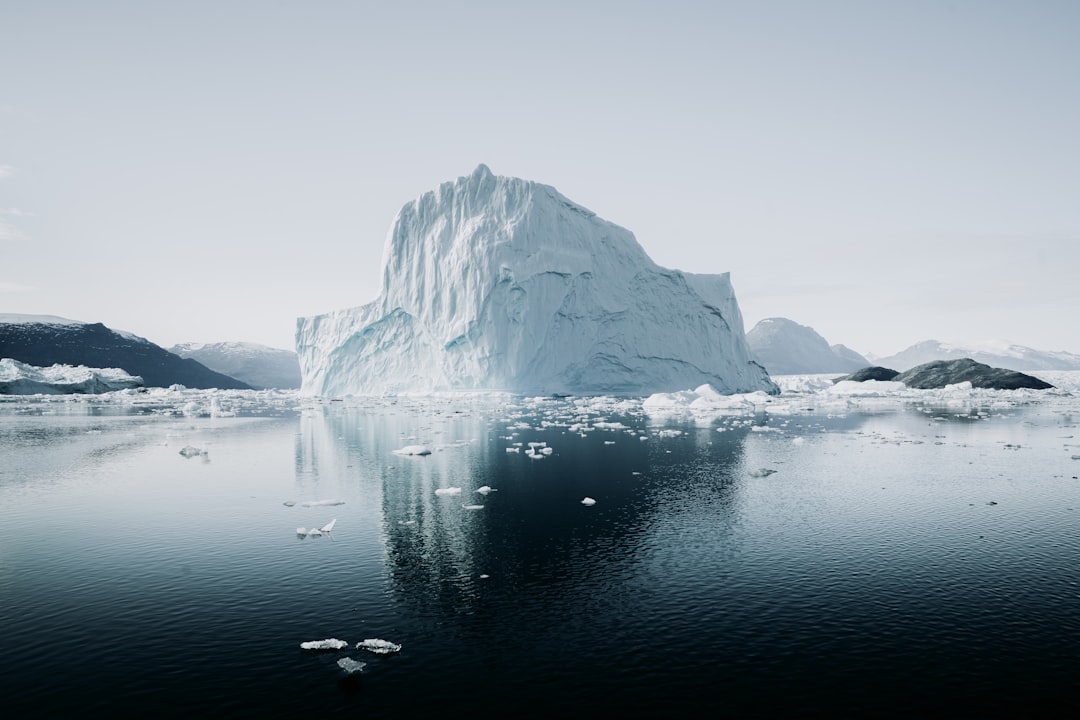
Greenland’s evolving international relations are the subject of a dynamic shift, moving from a historically dependent territory within the Danish realm to an increasingly assertive entity on the global stage. This transformation is driven by a confluence of factors, including its strategic geographical location, vast untapped resources, and the burgeoning implications of climate change. For decades, Greenland’s foreign policy was largely an extension of Denmark’s, a ship sailing in the wake of its mother country. However, the winds of change are now guiding Greenland to chart its own course, engaging directly with nations and international bodies as its strategic importance grows. Understanding these evolving relationships is akin to watching a glacier calve – a significant and irreversible separation, creating new icebergs that will shape the surrounding waters for years to come.
The Colonial Legacy and Home Rule
Greenland’s narrative as a distinct international actor begins with its colonial past. For centuries, it was governed as a colony by Denmark, a relationship characterized by paternalism and a lack of self-determination for the Greenlandic population. While this period saw the establishment of basic infrastructure and services, it also fostered a sense of dependence. The significant reform in 1979, which granted Greenland Self-Government (Hjemmestyre), marked a crucial turning point. This was not a sudden leap, but rather a gradual loosening of ties, akin to a young bird testing its wings before taking flight. Home Rule transferred substantial legislative and administrative powers to Greenlandic authorities, covering areas such as education, internal fisheries, and taxation. However, foreign affairs, defense, and currency remained under Danish jurisdiction. This arrangement established a dual-layered sovereignty, where Greenland operated with a significant degree of autonomy while remaining intrinsically linked to Denmark.
The Path Towards Full Independence
The journey towards full independence has been a consistent, though not always linear, progression. The 2009 Self-Government Act (Selvstyre) represented another monumental step, further expanding Greenland’s competencies and recognizing the Greenlandic people as a distinct nation. This act also laid the groundwork for future self-determination, explicitly stating that Greenland has the right to self-determination, including the option of full independence. This legal framework has provided the theoretical scaffolding for Greenland’s growing international engagement. It has empowered Greenland to increasingly forge its own path, even within the framework of its relationship with Denmark. The process has been deliberate and nuanced, avoiding the abrupt severing of ties, and instead fostering a gradual evolution towards greater sovereign agency.
Greenland’s international relations have been increasingly shaped by its strategic location and natural resources, drawing the attention of global powers. For a deeper understanding of the dynamics at play, you can read the article titled “Greenland’s Geopolitical Significance in the Arctic” which explores how Greenland’s position is influencing international diplomacy and economic interests. To access the article, click here: Greenland’s Geopolitical Significance in the Arctic.
Climate Change as a Catalyst for New Geopolitical Interests
The Melting Ice and Opening Sea Lanes
Perhaps the most significant factor reshaping Greenland’s international calculus is climate change. The dramatic melting of the Arctic ice sheet, a stark visual testament to global warming, is not just an environmental crisis but a geopolitical game-changer. As the ice recedes, previously impassable Arctic sea lanes, such as the Northern Sea Route and the Northwest Passage, are becoming increasingly accessible to shipping. This opens up shorter, more economical transit routes between Asia and Europe, rivalling traditional routes through the Suez Canal. Greenland, situated at the crossroads of these nascent maritime highways, finds itself at a pivotal geographical nexus. Its ports, once primarily serving local needs, are now being eyed for their potential as logistical hubs, refueling stations, and even future deep-water ports capable of handling larger vessels. This transformative geographical reality positions Greenland as a potential gateway to the Arctic, drawing the attention of nations with significant maritime interests.
Resource Exploitation and Economic Opportunities
Beyond shipping, the melting ice also unlocks access to Greenland’s vast, previously inaccessible, natural resources. Beneath its icy surface lie significant reserves of rare earth minerals, oil, natural gas, and other valuable commodities. These resources are crucial for global industries, from renewable energy technologies (requiring rare earth elements for wind turbines and electric vehicles) to advanced electronics. The potential for economic development through resource extraction is a powerful draw for international investors and governments. Greenland, for so long reliant on Danish subsidies, sees these resources as the key to unlocking its economic self-sufficiency and funding its development. This prospect, however, is not without its controversies, raising concerns about environmental protection and the equitable distribution of wealth. The allure of these subterranean treasures is drawing a diverse cast of international players, each with their own economic and strategic objectives.
Environmental Governance and International Cooperation
While the potential for economic gain is undeniable, the environmental implications of increased activity in the Arctic are also a major international concern. The fragile Arctic ecosystem is particularly vulnerable to the impacts of climate change and human activity, such as oil spills and increased pollution. This has led to a growing emphasis on international cooperation regarding environmental governance in the region. Greenland, as the primary custodian of much of this vulnerable landscape, is finding itself a key interlocutor in these discussions. It is being drawn into multilateral forums and bilateral dialogues focused on sustainable resource management, pollution control, and the protection of Arctic biodiversity. Navigating these complex environmental challenges requires a delicate balancing act, and Greenland’s approach to this will significantly shape its international standing.
Emerging Partnerships and Strategic Engagements
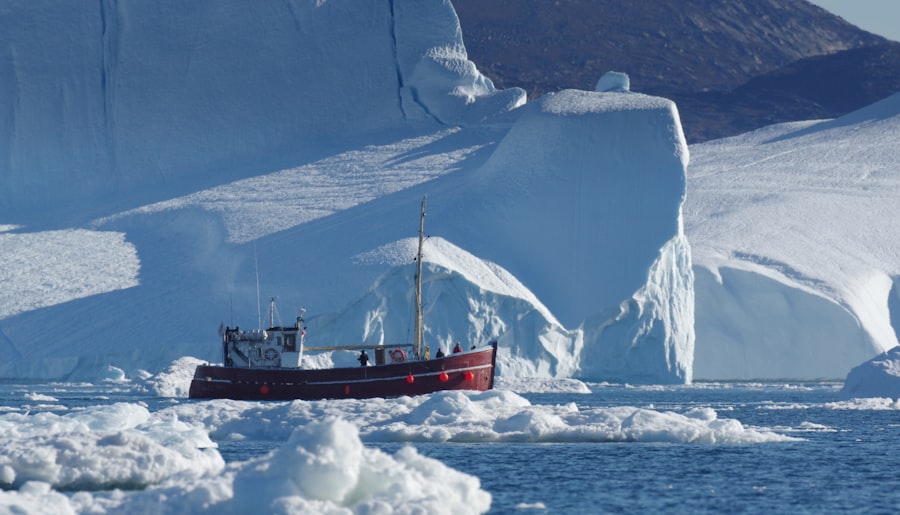
The Danish-Greenlandic Relationship: A Dynamic Partnership
The relationship between Denmark and Greenland, while evolving, remains a cornerstone of Greenland’s international engagements. Denmark continues to play a significant role in supporting Greenland’s development, particularly in areas such as defense and foreign affairs. However, the nature of this partnership is shifting. Greenland is increasingly asserting its right to be more directly involved in shaping its international agenda, even within areas still formally under Danish purview. This involves more direct Greenlandic representation in international forums and a greater voice in policy decisions that affect the country. It’s a shift from a parental-child dynamic to a more akin to that of two adult siblings, each with their own responsibilities and shared interests, navigating their familial and external relationships. Both nations recognize the mutual benefit of their continued cooperation, especially in navigating the complex geopolitical landscape of the Arctic.
The United States and Greenland: A Renewed Focus
The United States has historically maintained a strategic interest in Greenland, notably through the Thule Air Base, a vital radar and missile warning station. In recent years, this interest has intensified, driven by Washington’s growing concern over China’s expanding influence in the Arctic and the increasing strategic importance of the region. The U.S. views Greenland as a key partner in ensuring Arctic security and maintaining freedom of navigation. This has translated into increased diplomatic engagement, offers of economic cooperation, and a renewed focus on the potential for joint ventures in areas such as infrastructure development and resource exploration. For Greenland, this presents an opportunity to diversify its international partnerships and leverage American economic and technological expertise, while also carefully managing its sovereignty.
China’s Arctic Ambitions and Greenland’s Response
China, identifying itself as a “near-Arctic state,” has also signaled its growing interest in the region, driven by its desire for access to Arctic sea routes and its substantial demand for raw materials. Beijing has expressed keen interest in investing in Greenland’s mining sector and developing infrastructure projects. This presence is viewed with a mixture of caution and opportunity by Greenland. While Chinese investment could provide a significant boost to the Greenlandic economy, it also raises concerns about potential debt traps, environmental standards, and the long-term implications of such a significant foreign presence. Greenland is thus tasked with carefully navigating these overtures, seeking to maximize economic benefits while safeguarding its national interests and environmental integrity. Its response to China’s ambitions will be a critical test of its nascent diplomatic acumen.
European Union and Nordic Cooperation
The European Union, recognizing the strategic and environmental implications of the Arctic, has also been increasing its engagement with Greenland. This often occurs through bilateral engagements with Denmark and directly with Greenlandic authorities, particularly in areas related to climate change policy, sustainable development, and research. Furthermore, Greenland continues to maintain strong ties with its Nordic neighbors – Iceland, Norway, and Sweden – fostering cooperation in areas of shared interest, including cultural exchange, environmental protection, and maritime safety. This regional cooperation provides a familiar and supportive framework for Greenland’s broader international endeavors.
Greenland’s Growing Diplomatic Reach
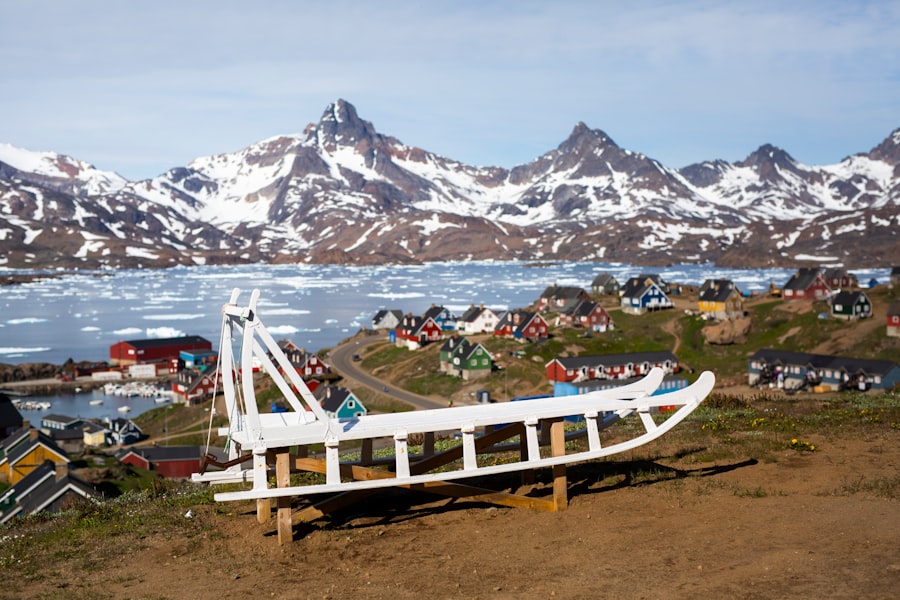
Direct Engagement in International Forums
As Greenland’s autonomy has expanded, so too has its presence and voice in international forums. While Denmark still officially represents Greenland in many matters, Greenlandic representatives are increasingly present and vocal at meetings of organizations like the Arctic Council. This allows Greenland to articulate its unique perspectives on Arctic governance, environmental protection, and sustainable development directly to the international community. The ability to engage directly offers a crucial platform for shaping global dialogue on issues that profoundly affect its future. This is a departure from being a passive recipient of policy to an active participant in its formulation.
Bilateral Relations and Trade Agreements
Greenland is increasingly seeking to establish and strengthen bilateral relations with countries that share its interests, particularly those with significant Arctic or resource-development aspirations. This includes engaging in discussions about potential trade agreements, investment opportunities, and scientific cooperation. The country’s nascent diplomatic service is slowly but surely building its capacity to manage these growing international commitments. The formal establishment of diplomatic missions, though still limited, signifies a maturing approach to international engagement. Each new treaty or partnership is like adding another sail to its growing fleet, enabling it to navigate the vast ocean of global politics.
The Role of Greenlandic Diaspora
The Greenlandic diaspora, comprised of Greenlanders living abroad, also plays a subtle yet important role in bridging Greenland and the international community. These individuals, often working in diverse fields across the globe, can act as informal ambassadors, fostering understanding and connection. They can also provide valuable insights and networks that support Greenland’s diplomatic and economic initiatives. Their experiences abroad enrich Greenland’s own perspective and contribute to its integration into the global tapestry.
Greenland’s international relations have been increasingly influenced by its strategic location and natural resources, drawing the attention of global powers. A recent article discusses how these dynamics are shaping the future of Greenland’s autonomy and its interactions with countries like the United States and China. For a deeper understanding of these developments, you can read more in this insightful piece on the subject at Real Lore and Order.
Challenges and Opportunities in an Unsettled Arctic
| Country | Type of Relationship | Key Areas of Cooperation | Recent Developments | Diplomatic Presence |
|---|---|---|---|---|
| Denmark | Constitutional and Political | Governance, Defense, Economic Support | Ongoing discussions on increased autonomy | High (Home Rule Government and Danish Embassy) |
| United States | Strategic and Military | Defense, Arctic Security, Infrastructure | Renewed interest in Thule Air Base and Arctic presence | Moderate (Consulate in Nuuk) |
| Canada | Arctic Cooperation | Environmental Protection, Indigenous Affairs | Joint Arctic Council initiatives | Low (No direct diplomatic mission) |
| Iceland | Regional Cooperation | Fisheries, Renewable Energy, Tourism | Increased bilateral trade agreements | Low (No direct diplomatic mission) |
| China | Economic and Investment | Mining, Infrastructure, Research | Controversies over investment and influence | Low (No direct diplomatic mission) |
Balancing Economic Development with Environmental Protection
One of the foremost challenges for Greenland is the delicate balancing act between pursuing economic opportunities from its natural resources and the imperative of environmental protection. The Arctic is a region of unparalleled ecological sensitivity, and the consequences of poorly managed resource extraction, such as oil spills or habitat destruction, could be catastrophic. Greenland’s ability to attract responsible investment and implement robust environmental regulations will be critical to its long-term sustainability and international reputation. This is a tightrope walk, where missteps could have lasting consequences for both its economy and its pristine environment.
Maintaining Sovereignty Amidst Great Power Competition
The increasing geopolitical interest in the Arctic, fueled by intense competition between major global powers, presents a significant challenge to Greenland’s sovereignty. As nations vie for influence and access to resources, Greenland must navigate these complex dynamics without becoming a pawn in larger strategic games. Its ability to assert its interests, maintain its autonomy, and forge partnerships based on mutual respect will be crucial in safeguarding its future. The Arctic is becoming a chessboard, and Greenland must ensure it is a player, not merely a piece, on that board.
Developing Human Capital and Infrastructure
To effectively capitalize on its evolving international role, Greenland faces the significant challenge of developing its human capital and infrastructure. This includes investing in education and training to equip its population with the skills needed for modern industries and international diplomacy. Furthermore, developing critical infrastructure, such as ports, transportation networks, and communication systems, is essential for facilitating trade, attracting investment, and ensuring effective governance. These are fundamental building blocks for any nation aspiring to greater international engagement.
The Future Outlook: A Nation Charting its Own Course
Greenland’s international relations are undergoing a profound and exhilarating metamorphosis. From a realm long defined by its relationship with Denmark, it is emerging as a distinct and increasingly influential player on the global stage. The thawing Arctic is not merely a scientific phenomenon but a tangible force reshaping its geopolitical significance, opening doors to both immense opportunities and profound challenges. As it navigates these shifting currents, Greenland’s success will hinge on its ability to strike a delicate balance: leveraging its strategic location and rich resources while steadfastly prioritizing environmental stewardship and sovereign self-determination. The nation is moving beyond the shadow of its past, charting an independent course, and its evolving international relations will undoubtedly continue to be a compelling narrative in the unfolding story of the 21st century. The ice may be melting, but the resolve of a nation seeking its own destiny is only growing stronger.
FAQs
What is the status of Greenland in international relations?
Greenland is an autonomous territory within the Kingdom of Denmark. While Denmark handles most of Greenland’s foreign affairs and defense, Greenland has gained increasing influence in its international relations, particularly in areas related to trade, environment, and Arctic policy.
How does Greenland participate in Arctic cooperation?
Greenland is an active member of the Arctic Council, a leading intergovernmental forum promoting cooperation among Arctic states. It collaborates on issues such as environmental protection, sustainable development, and indigenous peoples’ rights in the Arctic region.
What role does Denmark play in Greenland’s foreign policy?
Denmark retains responsibility for Greenland’s foreign policy and defense. However, Greenland has been granted greater autonomy to negotiate and enter agreements on matters related to trade, environment, and cultural exchanges, reflecting its growing role in international affairs.
How does Greenland engage with other countries outside the Kingdom of Denmark?
Greenland maintains diplomatic and economic relations with various countries, especially those interested in Arctic resources and research. It has established trade offices and participates in bilateral agreements to promote investment, scientific collaboration, and sustainable development.
What are the main international issues concerning Greenland?
Key international issues involving Greenland include Arctic sovereignty and security, climate change impacts, natural resource exploration, and indigenous rights. Greenland’s strategic location and natural resources make it a focal point in global discussions on Arctic governance and environmental protection.