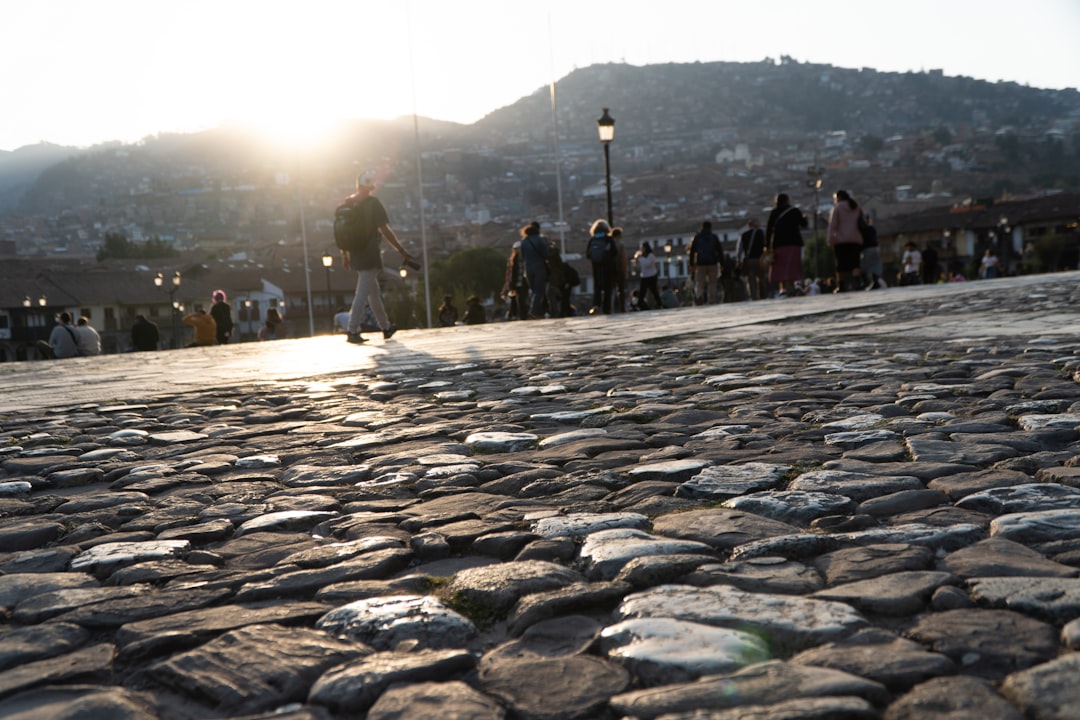
Throughout history, ancient cities have stood as remarkable testaments to human ingenuity and resilience.
Among these challenges, drought emerged as a formidable adversary, threatening the very foundations of life in these cities.
The relationship between ancient civilizations and their water sources was intricate and vital; cities flourished in regions where water was abundant, yet they faced dire consequences when drought struck. Understanding how these ancient societies navigated the complexities of drought provides valuable insights into their daily lives, agricultural practices, and social structures. Droughts were not merely environmental phenomena; they were catalysts for change that shaped the destinies of entire civilizations.
The impact of prolonged dry spells could lead to food shortages, economic decline, and social unrest. As ancient cities expanded, their reliance on surrounding agricultural lands increased, making them particularly vulnerable to fluctuations in climate. The interplay between drought and urban life is a rich tapestry woven with stories of adaptation, survival, and sometimes, failure.
By examining the strategies employed by these societies to cope with drought, one can glean lessons that resonate even in contemporary discussions about water scarcity and climate change.
Key Takeaways
- Drought had a significant impact on ancient cities, affecting various aspects of life including agriculture, trade, and social dynamics.
- Ancient cities employed various strategies for water conservation, such as building reservoirs, canals, and cisterns, and implementing water rationing.
- Agricultural practices during drought in ancient cities included crop diversification, soil conservation, and the use of drought-resistant crops.
- Religion and rituals played a crucial role in coping with drought, with communities conducting ceremonies and offerings to appease deities for rain.
- Urban planning and water management in ancient cities involved the development of efficient water distribution systems and the construction of water storage facilities.
The Impact of Drought on Ancient City Life
The effects of drought on ancient city life were profound and multifaceted. As water sources dwindled, the immediate consequences were felt in the agricultural sector, which was the backbone of most ancient economies. Crops failed, livestock perished, and food became scarce.
This scarcity often led to increased prices and social stratification, as those with resources could hoard supplies while the less fortunate faced starvation. The psychological toll on the populace was equally significant; fear and anxiety permeated communities as they grappled with the uncertainty of their survival. Moreover, droughts often triggered migrations as people sought more hospitable environments.
Entire communities could be uprooted in search of water and fertile land, leading to a reshaping of demographics and cultural exchanges. In some cases, this migration resulted in the blending of different cultures and practices, enriching the social fabric of the receiving regions. However, it could also lead to conflict over resources, as competition for water intensified among neighboring groups.
Thus, drought not only affected individual cities but also had broader implications for regional stability and inter-city relations.
Strategies for Water Conservation in Ancient Cities

In response to the challenges posed by drought, ancient cities developed a variety of innovative strategies for water conservation. One of the most notable methods was the construction of sophisticated aqueducts and irrigation systems that allowed for the efficient transport and distribution of water. These engineering marvels enabled cities to harness water from distant sources, ensuring a more reliable supply even during dry periods.
The Romans, for instance, are renowned for their aqueducts that transported water over long distances, showcasing their advanced understanding of hydraulics. Additionally, many ancient societies implemented rainwater harvesting techniques to maximize their water resources. They constructed cisterns and reservoirs to collect and store rainwater during wet seasons, providing a buffer against drought conditions.
In arid regions like Mesopotamia, communities developed intricate irrigation networks that diverted river water to fields, allowing them to cultivate crops even in challenging climates. These strategies not only demonstrated the ingenuity of ancient engineers but also reflected a deep understanding of their environment and the importance of sustainable practices.
Agricultural Practices during Drought in Ancient Cities
| City | Agricultural Practice | Impact |
|---|---|---|
| Ur, Mesopotamia | Irrigation using canals | Increased crop yield |
| Mohenjo-daro, Indus Valley | Rainwater harvesting | Sustainable water supply |
| Tikal, Mayan Civilization | Terrace farming | Conserved soil and water |
Agriculture was the lifeblood of ancient cities, and during periods of drought, farmers had to adapt their practices to ensure survival. Crop rotation became a common strategy; by alternating different types of crops in a given field, farmers could maintain soil fertility and reduce the risk of total crop failure. Additionally, many ancient civilizations turned to drought-resistant crops that required less water to thrive.
For example, millet and barley were favored in regions prone to dry spells due to their resilience compared to more water-intensive grains like wheat. Moreover, ancient farmers often employed techniques such as mulching and soil conservation practices to retain moisture in the ground. By covering the soil with organic materials or using contour farming methods, they could minimize evaporation and enhance water retention.
These agricultural adaptations were crucial not only for individual households but also for the overall stability of urban centers that depended on consistent food supplies. The ability to innovate in agricultural practices during drought periods was a testament to the resourcefulness of these ancient societies.
The Role of Religion and Rituals in Coping with Drought
In many ancient cultures, religion played a pivotal role in coping with the existential threat posed by drought. Communities often turned to their deities for intervention during times of crisis, believing that spiritual favor could influence weather patterns and bring much-needed rain. Rituals such as prayers, sacrifices, and festivals were common practices aimed at appeasing gods associated with agriculture and fertility.
For instance, in ancient Egypt, the annual flooding of the Nile was celebrated with elaborate ceremonies that honored Hapi, the god of the Nile. These religious practices served not only as a means of seeking divine assistance but also as a way to foster community solidarity during difficult times. Collective rituals provided a sense of hope and purpose amidst despair, reinforcing social bonds among community members.
Furthermore, leaders often utilized religious narratives to justify resource allocation or mobilize collective action in response to drought conditions. Thus, religion became an integral part of how ancient societies understood and responded to environmental challenges.
Urban Planning and Water Management in Ancient Cities

Effective urban planning was essential for managing water resources in ancient cities facing drought. City planners often prioritized access to water sources when designing urban layouts. For instance, many cities were strategically located near rivers or lakes to ensure a steady supply of fresh water for drinking and irrigation.
Additionally, public fountains and baths were common features in urban centers like Rome, reflecting an understanding of hygiene and communal access to water. Moreover, zoning regulations often dictated where certain activities could take place based on water availability. Agricultural areas were typically situated near water sources to facilitate irrigation, while residential zones were designed with easy access to communal wells or cisterns.
This thoughtful approach to urban design not only optimized water use but also contributed to the overall resilience of cities during periods of drought. By integrating water management into urban planning, ancient civilizations laid the groundwork for sustainable living practices that would endure through generations.
Trade and Exchange Networks during Drought in Ancient Cities
Drought often disrupted local economies by diminishing agricultural output; however, it also spurred trade and exchange networks as communities sought alternative means of survival. During times of scarcity, cities that had access to more reliable water sources or fertile lands became critical trading hubs. Merchants would transport goods such as grain or livestock from regions less affected by drought to those in need, facilitating economic interdependence among different areas.
This exchange was not limited to physical goods; knowledge about agricultural techniques or water management practices was also shared among communities facing similar challenges. Such interactions fostered cultural exchanges that enriched societies and contributed to technological advancements. For instance, innovations developed in one region could be adopted by another facing similar environmental pressures.
Thus, while drought posed significant challenges for ancient cities, it also catalyzed cooperation and collaboration across vast networks.
Social and Political Implications of Drought in Ancient Cities
The social fabric of ancient cities was deeply influenced by the realities of drought. As resources became scarce, social hierarchies often intensified; those with wealth or power could secure access to water and food while marginalized groups faced greater vulnerability. This disparity sometimes led to social unrest or conflict within communities as desperation grew among those left without adequate resources.
Politically, leaders faced immense pressure during drought periods to manage resources effectively and maintain order among their citizens. Decisions regarding resource allocation could lead to tensions between different social classes or factions within a city. In some cases, rulers would implement strict measures to control distribution or even resort to punitive actions against those accused of hoarding supplies.
The political landscape during times of drought was thus characterized by a delicate balance between maintaining authority and addressing the needs of an increasingly restless populace.
Technological Innovations for Surviving Drought in Ancient Cities
Technological advancements played a crucial role in how ancient cities adapted to drought conditions. Innovations such as windmills for irrigation or advanced plowing techniques allowed farmers to maximize their yields even under challenging circumstances. The development of tools made from durable materials enabled more efficient farming practices that conserved both time and resources.
Additionally, advancements in construction techniques led to more resilient infrastructure capable of withstanding dry spells. For example, waterproofing methods used in cisterns ensured that stored rainwater remained uncontaminated and available for use during dry periods. These technological innovations not only improved daily life but also contributed significantly to the long-term sustainability of urban centers facing environmental challenges.
Case Studies of Ancient Cities that Successfully Managed Drought
Several ancient cities stand out for their effective management of drought conditions through innovative practices and community resilience. One notable example is the city of Petra in present-day Jordan, which thrived despite its arid environment due to an intricate system of water conduits and cisterns that captured rainwater from surrounding mountains. This engineering feat allowed Petra to flourish as a trade hub along caravan routes.
Another example is the Maya civilization in Mesoamerica, which developed advanced agricultural techniques such as terracing and raised-field farming that enabled them to sustain large populations even during periods of drought. Their understanding of local ecosystems allowed them to adapt their practices based on climatic conditions effectively. These case studies illustrate how proactive measures combined with community cooperation can lead to successful outcomes even in the face of significant environmental challenges.
Lessons from Ancient Cities for Modern-Day Drought Management
The experiences of ancient cities provide valuable lessons for contemporary societies grappling with similar issues related to water scarcity and climate change. One key takeaway is the importance of sustainable water management practices that prioritize conservation and efficiency over exploitation. Modern urban planners can learn from ancient strategies such as rainwater harvesting systems or efficient irrigation techniques that minimize waste.
Furthermore, fostering community engagement through education about resource management can empower individuals to take an active role in addressing water-related challenges within their own communities. By drawing on historical examples where collaboration led to successful outcomes during times of crisis, modern societies can cultivate resilience against future droughts. In conclusion, understanding how ancient cities navigated the complexities of drought offers profound insights into human adaptability and innovation in the face of environmental challenges.
As contemporary societies confront similar issues today, these lessons remain relevant—reminding us that resilience is rooted not only in technology but also in community cooperation and sustainable practices.
Ancient city life during periods of drought was a complex interplay of resource management, social adaptation, and technological innovation. Cities like those in Mesopotamia and the Indus Valley had to develop sophisticated irrigation systems and storage facilities to ensure a stable water supply. These innovations not only supported agriculture but also facilitated trade and cultural exchange, as cities became hubs of activity and resilience. For a deeper exploration of how ancient societies adapted to environmental challenges, you can read a related article on this topic by visiting