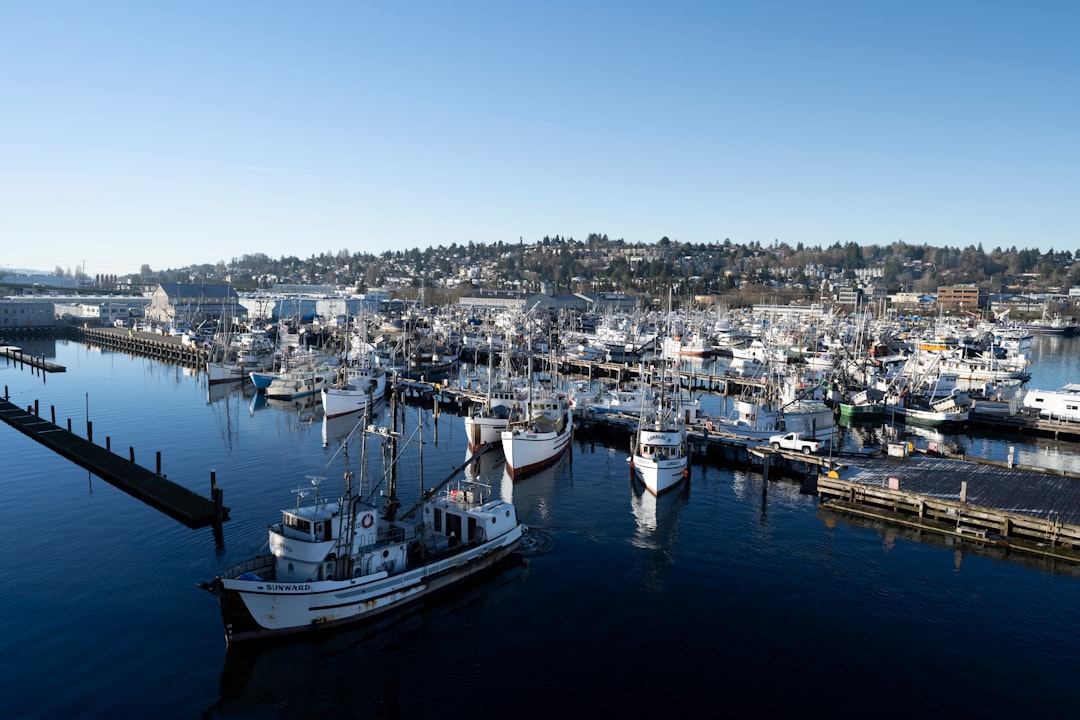
China’s Expanding Fishing Fleet: Implications for Global Fisheries
The sheer scale of China’s fishing fleet is a topic of growing global concern, casting a long shadow over the health of the world’s oceans. As its fleet expands, both in size and technological sophistication, the implications for global fisheries are profound. From resource depletion to geopolitical tensions, understanding this phenomenon is crucial for anyone concerned with the future of marine ecosystems and the livelihoods that depend on them.
The ascendancy of China’s fishing industry is not a recent overnight phenomenon but rather a carefully orchestrated, multi-decade expansion. Its roots lie in the nation’s post-reform economic policies, which prioritized industrial growth and food self-sufficiency. For decades, the focus was primarily on domestic waters, but as China’s economic might grew and its domestic fish stocks dwindled under intense pressure, the gaze of its fishing industry turned outward.
Historical Context and Policy Drivers
- Early Development: Following the establishment of the People’s Republic of China, fishing was primarily a subsistence activity and a source of food security. Early policies focused on increasing production through basic means and expanding domestic fishing grounds.
- Economic Reforms and Industrialization: The “reform and opening up” policies initiated in the late 1970s provided a fertile ground for the modernization and expansion of all industries, including fisheries. Government subsidies, tax incentives, and investment in larger, more capable vessels became commonplace.
- Food Security Imperative: With a population exceeding 1.4 billion, ensuring a stable and affordable supply of protein has been a persistent national priority. Fish are a significant source of protein for many Chinese citizens, and the government has viewed a robust fishing fleet as a key component of this food security strategy.
- Maritime Ambitions: The expansion of the fishing fleet is also intertwined with China’s broader maritime ambitions. A large, active fishing presence in contested waters can serve as a signal of national presence and influence, bolstering territorial claims.
Scale and Composition of the Fleet
The sheer numbers associated with China’s fishing fleet are staggering. While precise, universally agreed-upon figures are difficult to ascertain due to the vastness and the prevalence of smaller vessels, estimates suggest a dominant global position.
- Vessel Numbers: China operates the largest fishing fleet globally, encompassing tens of thousands of vessels. This includes a significant number of distant-water fishing (DWF) vessels, which are capable of operating far from China’s shores for extended periods.
- Technological Advancements: The fleet is not merely large; it is also increasingly sophisticated. Modern Chinese fishing vessels are equipped with advanced navigation systems, sonar, and communication technology. Some are even transitioning to more energy-efficient designs and improved on-board processing capabilities.
- Subsidies and Support: The Chinese government provides substantial subsidies to its fishing industry, covering fuel costs, vessel construction, and fleet modernization. This financial support allows Chinese fleets to operate at costs that many other nations cannot match, creating an uneven playing field.
The growing concerns surrounding China’s expansive fishing fleet have sparked significant discussions in various forums, highlighting the environmental and geopolitical implications of their activities. For a deeper understanding of this issue and its impact on global fisheries, you can read a related article that explores the challenges posed by China’s fishing practices and the responses from other nations. Check it out here: related article.
The Global Reach of China’s DWF Fleet
China’s distant-water fishing fleet is the vanguard of its expanding maritime presence and a primary driver of its impact on global fisheries. These vessels do not confine themselves to waters near China but roam the world’s oceans, from the frigid waters of the Arctic to the bountiful seas of the South Atlantic.
Geographic Hotspots and Operational Areas
- Pacific Ocean Dominance: The Pacific Ocean remains a primary hunting ground for Chinese fleets, with significant operations in the Western Central Pacific, a region rich in tuna stocks.
- Atlantic Operations: Chinese vessels are increasingly visible in the Atlantic, targeting valuable species in waters off West Africa, the South Atlantic, and even reaching further afield.
- Indian Ocean Presence: The Indian Ocean, with its diverse fish populations, also hosts a considerable number of Chinese fishing vessels.
- South China Sea Significance: The South China Sea, a region of intense geopolitical contention, is a crucial area for Chinese fishing. Its vast fishing grounds provide significant catches, and the presence of its fleet is often seen as an assertion of sovereignty.
Targets and Species of Concern
The diversity of species targeted by China’s DWF fleet is as broad as its operational range. This indiscriminate approach raises concerns about the sustainability of various fish populations.
- Tuna Stocks: Tuna, particularly species like yellowfin and skipjack, are a major target for Chinese DWF fleets in the Pacific. Overfishing of tuna stocks has been a long-standing concern for regional fisheries management organizations.
- Demersal and Pelagic Fish: A wide array of fish living near the seabed (demersal) and in the open ocean (pelagic) are also caught, including hake, mackerel, squid, and various types of groundfish.
- Bycatch Issues: The methods employed by large fishing fleets often result in significant bycatch – the unintended capture of non-target species, which can include marine mammals, sea turtles, and seabirds.
Environmental and Ecological Consequences

The impact of China’s burgeoning fishing fleet on marine ecosystems is a significant point of contention, raising alarms among environmentalists and fisheries scientists worldwide. The sheer scale of operations, coupled with certain fishing practices, can exert immense pressure on already fragile ocean environments.
Resource Depletion and Stock Collapse
- Overfishing: The most direct consequence of an expanded fleet is increased fishing pressure, which can easily outstrip the reproductive capacity of fish populations. This leads to depletion, where the stock cannot replenish itself at a sustainable rate.
- “Fishing Down the Food Web”: As larger, more commercially valuable fish become scarce, fleets often shift their attention to smaller species lower down the food chain. This can have cascading effects throughout the marine ecosystem, disrupting predator-prey relationships and altering the overall structure of marine communities.
- Impact on Vulnerable Species: Certain species, due to slower growth rates or specific reproductive cycles, are particularly susceptible to overfishing. The continued targeting of such species can push them towards the brink of collapse. For instance, many shark populations globally are facing severe declines partly due to their fin being a valuable commodity sought by the fishing industry.
Habitat Destruction and Biodiversity Loss
- Bottom Trawling: Many Chinese DWF vessels utilize bottom trawling, a method where heavy nets are dragged across the seabed. This practice can be extremely destructive, leveling complex seafloor habitats like coral reefs, sponges, and seagrass beds, which serve as crucial nurseries and feeding grounds for countless marine species. This is akin to clear-cutting a forest for its timber, removing the entire structure that supports a diverse community.
- Ghost Fishing: Abandoned or lost fishing gear, often referred to as “ghost gear,” continues to drift in the ocean, trapping and killing marine life for years. The vastness of global fishing operations increases the likelihood of such gear being lost.
- Pollution and Waste: The large number of vessels operating at sea generates significant amounts of waste, including plastic debris, fuel spills, and sewage. This pollution further degrades marine habitats and harms marine life.
Socioeconomic and Geopolitical Dimensions
The ramifications of China’s expanding fishing fleet extend beyond ecological concerns into the complex realms of international law, economic competition, and geopolitical stability.
Illegal, Unreported, and Unregulated (I-U-U) Fishing
- Link to DWF Fleets: A significant portion of concerns regarding China’s fleet revolves around its alleged involvement in Illegal, Unreported, and Unregulated (I-U-U) fishing. This type of fishing undermines legitimate fishing operations, distorts markets, and hinders efforts to manage fish stocks sustainably.
- Transshipment Practices: The practice of transshipment, where fish are transferred from fishing vessels to larger carrier vessels at sea, can make it difficult to track catches and origins, creating opportunities for illegal activities.
- Impact on Developing Nations: Many developing nations, particularly in Africa and the Pacific, rely heavily on their fisheries for food security and export revenue. I-U-U fishing by foreign fleets, including Chinese vessels, robs these nations of valuable resources and economic opportunities. This is like a larger, more powerful shopkeeper systematically emptying the shelves of smaller local businesses, leaving them with nothing to sell.
Competition and Disputes in Global Waters
- Clash of Interests: The presence of a large, subsidized Chinese fleet can create friction with fishing fleets from other nations, leading to competition over dwindling resources.
- Territorial Disputes: In regions like the South China Sea, the presence of Chinese fishing vessels is often intertwined with broader territorial disputes. These vessels can act as quasi-militias, asserting China’s claims and sometimes engaging in clashes with fishing boats from neighboring countries.
- Enforcement Challenges: The sheer scale of China’s fleet and its global reach pose significant enforcement challenges for international fisheries management bodies and national coast guards. Monitoring and policing such a widespread operation is an arduous task.
The expansion of China’s fishing fleet has raised significant concerns among environmentalists and neighboring countries regarding overfishing and maritime disputes. A recent article highlights the implications of this growing fleet on global fish stocks and international relations. For more insights on this pressing issue, you can read the full analysis in this related article. The challenges posed by such a vast fishing operation are becoming increasingly difficult to navigate, prompting calls for stricter regulations and cooperative management efforts.
Towards Sustainable Fisheries Management and International Cooperation
| Metric | Value | Notes |
|---|---|---|
| Number of Vessels | 17,000+ | Estimated total fishing vessels in the fleet |
| Fleet Tonnage | 1.5 million+ GT | Gross tonnage of the fleet |
| Annual Catch Volume | 15 million metric tons | Reported annual fish catch |
| Primary Fishing Regions | South China Sea, East China Sea, Pacific Ocean | Major areas of operation |
| Number of Fishing Ports | 200+ | Ports supporting the fleet |
| Employment | Over 1 million | People employed directly or indirectly |
| Fleet Type Composition | Small-scale: 60%, Large-scale: 40% | Distribution by vessel size |
Addressing the challenges posed by China’s expanding fishing fleet requires a multi-pronged approach involving stronger international cooperation, enhanced monitoring and enforcement, and a commitment to sustainable fishing practices from all nations.
Strengthening International Fisheries Governance
- Regional Fisheries Management Organizations (RFMOs): These organizations play a crucial role in setting quotas, managing fishing seasons, and implementing conservation measures for shared fish stocks. Increased transparency and stronger enforcement mechanisms within RFMOs are essential.
- Combating I-U-U Fishing: International agreements like the FAO Agreement on Port State Measures to Prevent, Deter and Eliminate Illegal, Unreported and Unregulated Fishing are vital tools. Greater adherence and enforcement of these agreements are necessary.
- Data Transparency and Sharing: Open access to fishing data from all nations is crucial for accurate stock assessments and effective management. China’s participation in global data-sharing initiatives is key.
Promoting Sustainable Fishing Practices
- Eco-labeling and Certification: Consumer demand for sustainably sourced seafood can drive change. Supporting and expanding eco-labeling schemes that verify responsible fishing practices can influence market demand.
- Technological Solutions for Monitoring: The use of satellite tracking, vessel monitoring systems (VMS), and electronic logbooks—and ensuring these systems are tamper-proof and transparent—can improve accountability and deter illegal activities.
- Community-Based Management: In local contexts, empowering coastal communities to participate in fisheries management can lead to more effective and sustainable outcomes.
The expansion of China’s fishing fleet is a complex issue with far-reaching consequences. It is a powerful engine driving a nation’s economic growth and food security ambitions. However, without careful management and international cooperation, this engine risks leaving behind a barren ocean. The path forward requires a delicate balance between national interests and global responsibility, recognizing that the health of our oceans is a shared inheritance that demands collective stewardship. The world’s seas are a vast pantry, but like any pantry, if it is raided indiscriminately, it will eventually be bare.
FAQs
What is the China fishing fleet?
The China fishing fleet refers to the collection of fishing vessels registered under China that operate both in domestic waters and internationally. It is one of the largest fishing fleets in the world, involved in catching a wide variety of seafood.
Where does the China fishing fleet operate?
The China fishing fleet operates in coastal waters around China as well as in distant international waters, including the South China Sea, the Indian Ocean, and areas near Africa and South America. Some vessels also fish in the Exclusive Economic Zones (EEZs) of other countries, often under bilateral agreements.
What types of fishing methods are used by the China fishing fleet?
The fleet employs various fishing methods such as trawling, longlining, purse seining, and gillnetting. These methods target different species including fish, squid, and crustaceans. Some methods, like bottom trawling, have raised environmental concerns due to their impact on marine ecosystems.
What are some concerns related to the China fishing fleet?
Concerns include overfishing, illegal, unreported, and unregulated (IUU) fishing activities, and environmental damage caused by certain fishing practices. There are also geopolitical tensions related to fishing rights and territorial disputes in regions like the South China Sea.
How does China regulate its fishing fleet?
China regulates its fishing fleet through national laws and policies, including licensing, vessel registration, and fishing quotas. The government has also implemented measures to combat illegal fishing and promote sustainable fishing practices, although enforcement and compliance remain challenging.