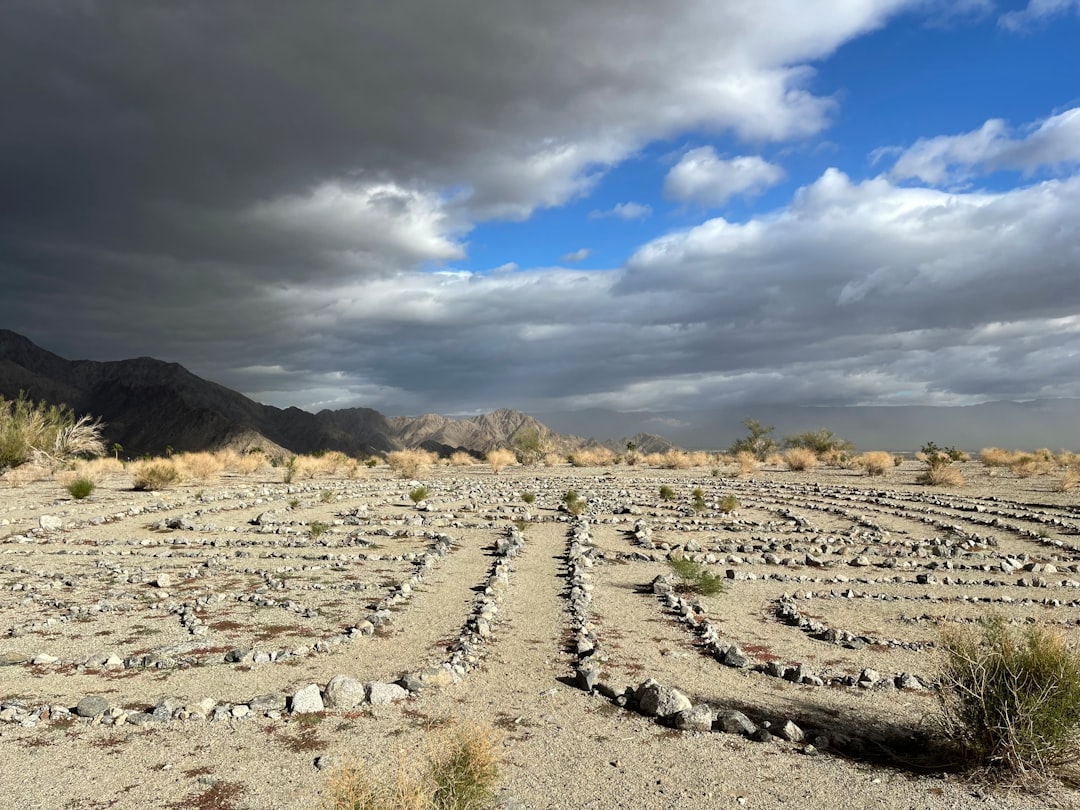
Drought has been a recurring challenge throughout human history, often leading to significant societal upheaval and transformation. Ancient civilizations faced the harsh realities of water scarcity, which shaped their agricultural practices, social structures, and even their spiritual beliefs. The ability to adapt to these environmental stresses was crucial for survival, prompting innovative solutions that have been studied and admired by modern scholars.
By examining the techniques employed by these early societies, one can gain valuable insights into sustainable practices that remain relevant today. The impact of drought on ancient civilizations was profound, influencing everything from food production to trade and migration patterns. As communities grappled with the limitations imposed by their environments, they developed a range of strategies to mitigate the effects of water scarcity.
These strategies not only ensured their survival but also laid the groundwork for future advancements in agriculture and urban planning. Understanding these ancient techniques offers a lens through which contemporary societies can address similar challenges posed by climate change and increasing water demand.
Key Takeaways
- Ancient civilizations developed water conservation methods such as terracing, rainwater harvesting, and aqueducts to cope with drought.
- Innovative irrigation techniques, including the use of canals, water wheels, and shaduf, were employed by ancient societies to maximize water usage in arid regions.
- Drought-resistant crops like millet, barley, and drought-tolerant varieties of wheat played a crucial role in sustaining ancient agriculture during dry periods.
- Ancient civilizations built sophisticated water storage and distribution systems, such as cisterns, qanats, and stepwells, to ensure water availability during droughts.
- Ancient architecture incorporated design features like thick walls, underground dwellings, and windcatchers to withstand the harsh effects of drought.
Water Conservation Methods Used by Ancient Civilizations
Ancient civilizations employed a variety of water conservation methods that reflected their understanding of the environment and resource management. One notable technique was the practice of rainwater harvesting, which involved collecting and storing rainwater for later use. This method was particularly prevalent in arid regions where rainfall was infrequent but could be substantial when it occurred.
By constructing cisterns and reservoirs, communities could capture and store this precious resource, ensuring a more reliable water supply during dry periods. In addition to rainwater harvesting, ancient societies also implemented crop rotation and fallowing practices to maintain soil moisture and fertility. By alternating the types of crops grown in a particular area, they could prevent soil depletion and promote healthier ecosystems.
This not only conserved water but also enhanced agricultural productivity over time. The wisdom behind these methods highlights the importance of sustainable practices that prioritize long-term resource management rather than short-term gains.
Innovative Irrigation Techniques from Ancient Times
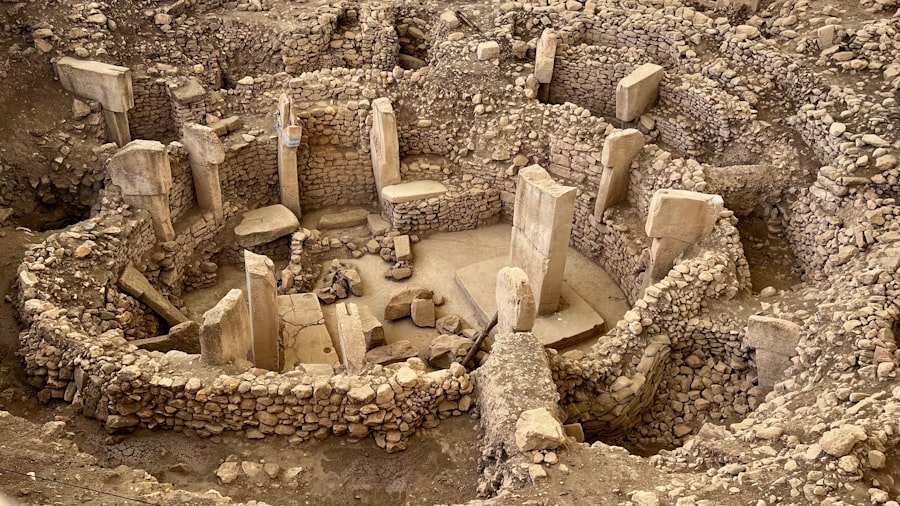
The ingenuity of ancient civilizations is perhaps best exemplified in their innovative irrigation techniques. The Mesopotamians, for instance, developed an extensive network of canals and dikes to control the flow of water from the Tigris and Euphrates rivers. This system allowed them to irrigate vast tracts of land, transforming arid landscapes into fertile agricultural zones.
The careful management of water resources enabled them to support large populations and establish one of the world’s earliest urban centers. Similarly, the ancient Egyptians harnessed the annual flooding of the Nile River to irrigate their fields. They constructed basins and channels that captured floodwaters, allowing them to irrigate crops during the dry season.
This method not only maximized agricultural output but also demonstrated a sophisticated understanding of hydrology and seasonal patterns. Such innovations laid the foundation for modern irrigation practices, emphasizing the importance of adapting technology to local environmental conditions.
The Importance of Drought-Resistant Crops in Ancient Agriculture
| Crop | Water Requirement | Yield | Adaptation to Drought |
|---|---|---|---|
| Barley | Low | High | High |
| Millet | Low | Medium | High |
| Sorghum | Low | High | High |
| Quinoa | Low | Medium | High |
Drought-resistant crops played a pivotal role in the agricultural strategies of ancient civilizations. By selecting and cultivating varieties that could withstand periods of low rainfall, these societies ensured a more stable food supply even in challenging conditions. For example, ancient farmers in regions like the Andes developed resilient varieties of potatoes that thrived in high-altitude environments with limited water availability.
This adaptability allowed them to sustain their communities despite the harsh climatic conditions. Moreover, the cultivation of drought-resistant crops often involved traditional knowledge passed down through generations. Farmers learned to identify specific traits that contributed to resilience, such as deep root systems or waxy leaves that reduced water loss.
This intimate understanding of local ecosystems not only enhanced agricultural productivity but also fostered a sense of stewardship toward the land. The emphasis on biodiversity and crop resilience remains relevant today as modern agriculture grapples with the impacts of climate change.
Ancient Water Storage and Distribution Systems
The development of sophisticated water storage and distribution systems was crucial for ancient civilizations facing drought conditions. The Romans, for instance, engineered aqueducts that transported water from distant sources to urban centers, ensuring a steady supply for both drinking and irrigation purposes. These monumental structures showcased not only engineering prowess but also an understanding of hydrology that allowed cities to thrive even in arid regions.
In addition to aqueducts, many ancient societies constructed elaborate cisterns and reservoirs to store water for dry seasons. The Minoans on Crete built intricate systems of underground cisterns that collected rainwater, while the Nabataeans in Petra developed a network of channels and reservoirs that captured runoff from seasonal rains. These innovations highlight the importance of strategic planning in water management, demonstrating how ancient peoples adapted their infrastructure to meet the challenges posed by their environments.
Adaptations in Ancient Architecture to Withstand Drought
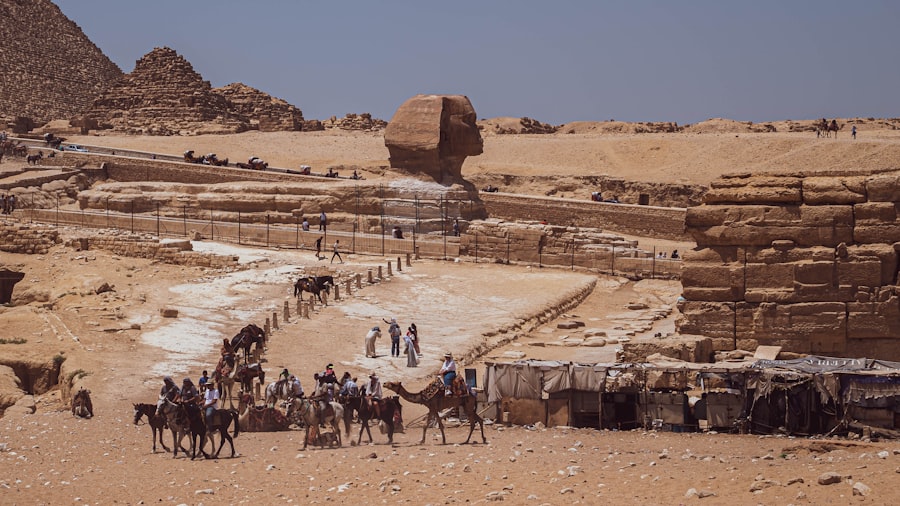
Ancient architecture often reflected adaptations designed to withstand drought conditions and maximize resource efficiency. In regions prone to water scarcity, builders utilized materials and designs that minimized heat absorption and maximized ventilation. For example, traditional adobe structures in arid climates were constructed with thick walls that provided insulation against extreme temperatures while reducing reliance on artificial cooling methods.
Additionally, many ancient cultures incorporated features such as courtyards and shaded areas into their architectural designs. These elements not only provided respite from the sun but also facilitated natural cooling through airflow. By harmonizing their built environments with climatic conditions, ancient civilizations demonstrated an understanding of sustainability that resonates with contemporary architectural practices aimed at reducing energy consumption.
Lessons from Ancient Civilizations for Modern Drought Management
The techniques employed by ancient civilizations offer valuable lessons for modern drought management strategies. As contemporary societies face increasing challenges related to water scarcity due to climate change and population growth, revisiting these time-tested practices can provide insights into sustainable resource management. For instance, the emphasis on rainwater harvesting and efficient irrigation systems can inform current efforts to enhance water conservation in agriculture.
Moreover, the importance placed on community involvement in ancient societies underscores the need for collaborative approaches to drought management today.
By learning from the successes and failures of ancient civilizations, modern societies can develop more resilient strategies for addressing drought challenges.
The Role of Community and Social Organization in Surviving Drought
Community cohesion played a vital role in how ancient civilizations navigated periods of drought. Social organization often dictated how resources were allocated and shared among members of a community during times of scarcity. In many cases, communal efforts were essential for implementing large-scale irrigation projects or organizing collective labor for water conservation initiatives.
This sense of solidarity not only strengthened social bonds but also enhanced resilience against environmental stresses. Furthermore, rituals and communal gatherings often served as mechanisms for reinforcing social ties during challenging times. These events provided opportunities for sharing knowledge about resource management while fostering a collective identity centered around survival and adaptation.
The lessons learned from these communal practices highlight the importance of social organization in contemporary efforts to address drought-related challenges, emphasizing collaboration as a key component of resilience.
Spiritual and Cultural Practices for Coping with Drought in Ancient Societies
In addition to practical strategies for managing drought, ancient societies often turned to spiritual and cultural practices as a means of coping with environmental stressors. Many cultures developed rituals aimed at appeasing deities associated with water or fertility, believing that such practices could influence rainfall patterns or agricultural success. These spiritual beliefs provided comfort during times of uncertainty while reinforcing communal identities centered around shared values and traditions.
Cultural narratives surrounding drought also played a significant role in shaping societal responses to water scarcity. Myths and stories often depicted heroic figures who overcame adversity through ingenuity or cooperation, serving as sources of inspiration for communities facing similar challenges. By integrating spiritual beliefs with practical resource management strategies, ancient civilizations created holistic approaches to coping with drought that resonated deeply within their cultural contexts.
The Legacy of Ancient Civilization Techniques for Drought Survival
The legacy of ancient civilization techniques for drought survival continues to influence contemporary practices in various ways. Many modern agricultural methods draw inspiration from traditional techniques such as crop rotation, intercropping, and organic farming practices that prioritize soil health and biodiversity. Additionally, the principles behind ancient irrigation systems inform current efforts to develop sustainable water management strategies that balance agricultural needs with environmental conservation.
Moreover, the emphasis on community engagement and social organization seen in ancient societies serves as a reminder of the importance of collaboration in addressing modern challenges related to drought. By fostering connections among individuals and communities, contemporary societies can build resilience against environmental stresses while drawing upon the wisdom embedded in their cultural histories.
Applying Ancient Wisdom to Address Modern Drought Challenges
As modern societies grapple with increasingly severe drought conditions exacerbated by climate change, there is much to learn from the experiences of ancient civilizations. Their innovative techniques for water conservation, irrigation, crop resilience, and community organization offer valuable insights into sustainable practices that can be adapted for contemporary contexts. By embracing this ancient wisdom, societies can develop more effective strategies for managing water resources while fostering resilience against future challenges.
Ultimately, the lessons learned from ancient civilizations remind us that adaptability is key in navigating environmental uncertainties. By integrating traditional knowledge with modern technology and fostering community engagement, contemporary societies can create holistic approaches to drought management that honor both historical legacies and future sustainability goals. In doing so, they can ensure that they are better equipped to face the challenges posed by an increasingly unpredictable climate while preserving the invaluable lessons passed down through generations.
Ancient civilizations often faced the formidable challenge of drought, which threatened their agricultural stability and overall survival. To combat this, they developed a variety of innovative strategies. For instance, the ancient Egyptians relied on the Nile’s annual flooding to irrigate their crops, while the Mayans constructed intricate water storage systems to capture and conserve rainwater. These methods highlight the ingenuity and adaptability of these societies in the face of environmental adversity. For a deeper exploration into how these ancient cultures managed such climatic challenges, you can read a related article on the topic by visiting this link.
WATCH THIS! 😕They Buried the Truth: How Ancient Elites Hid a Climate Collapse.
FAQs
What is drought?
Drought is a prolonged period of abnormally low rainfall, leading to a shortage of water.
How did ancient civilizations handle drought?
Ancient civilizations handled drought through various methods such as building irrigation systems, creating water storage facilities, and developing drought-resistant crops.
What were some examples of ancient civilizations that successfully managed drought?
Examples of ancient civilizations that successfully managed drought include the Indus Valley civilization, the Mayans, and the ancient Egyptians.
What were some techniques used by ancient civilizations to mitigate the impact of drought?
Ancient civilizations used techniques such as water conservation, rainwater harvesting, and the construction of underground cisterns to mitigate the impact of drought.
Did ancient civilizations have any religious or cultural practices related to drought?
Yes, many ancient civilizations had religious or cultural practices related to drought, such as performing rituals to appease deities associated with water and rain.
How did ancient civilizations adapt to drought in terms of agriculture?
Ancient civilizations adapted to drought in agriculture by developing drought-resistant crops, implementing crop rotation, and using efficient irrigation techniques.