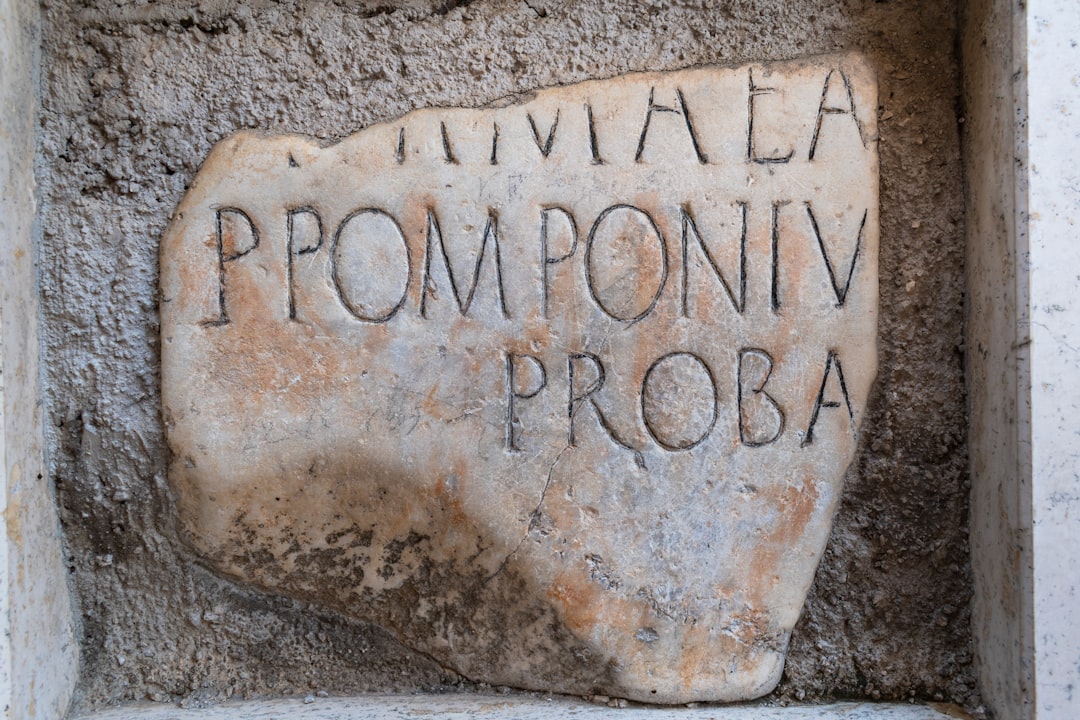
In the annals of human history, the relationship between civilizations and their environment has always been a subject of profound interest. Among the myriad artifacts that have emerged from ancient cultures, inscriptions hold a unique place, serving as windows into the thoughts, beliefs, and practices of those who came before. One such inscription, recently unearthed, offers a remarkable glimpse into the climate conditions of an ancient civilization.
This inscription not only provides evidence of how past societies adapted to their environments but also raises questions about the long-term patterns of climate change and its impact on human life. As researchers delve deeper into this ancient text, they uncover layers of meaning that resonate with contemporary concerns about climate variability and sustainability. The significance of this ancient climate inscription extends beyond mere historical curiosity.
It serves as a reminder of the intricate connections between humanity and the natural world, highlighting how ancient peoples navigated challenges posed by their surroundings. By studying this inscription, scholars aim to piece together a narrative that not only chronicles past climates but also informs current discussions on environmental stewardship. The journey to understand this artifact is as much about deciphering its language as it is about interpreting its implications for modern society.
Key Takeaways
- Ancient climate inscription provides valuable insights into past climate patterns
- The discovery of the inscription sheds light on ancient civilizations’ understanding of climate
- Deciphering the ancient language unlocks clues about historical climate events
- Uncovering clues about ancient climate helps in understanding long-term climate trends
- The inscription’s significance lies in its potential to inform modern climate science and policy-making
The Discovery of the Inscription
The discovery of the ancient climate inscription was serendipitous, occurring during an archaeological excavation in a region long thought to be devoid of significant finds. As archaeologists meticulously sifted through layers of soil, they stumbled upon a stone tablet inscribed with unfamiliar symbols. Initial excitement quickly turned into a rigorous examination, as experts recognized the potential importance of the artifact.
The site, believed to be part of an ancient settlement, hinted at a civilization that had thrived in harmony with its environment, making the inscription all the more intriguing. As news of the discovery spread, it captured the attention of historians, linguists, and climate scientists alike. The inscription’s location suggested that it could provide insights into how this ancient society responded to climatic shifts.
Researchers began to piece together the context surrounding the find, exploring the settlement’s history and its relationship with neighboring cultures. The inscription became a focal point for interdisciplinary collaboration, drawing experts from various fields to contribute their knowledge and expertise in unraveling its mysteries.
Deciphering the Ancient Language

Deciphering the language of the ancient inscription proved to be a formidable challenge. The symbols etched into the stone were unlike any known script, leading linguists to hypothesize that it belonged to a previously undocumented language. Scholars employed comparative analysis, drawing parallels with other ancient scripts in hopes of unlocking its secrets.
This painstaking process involved not only linguistic expertise but also an understanding of the cultural context in which the language was used. As researchers made progress in deciphering key phrases, they began to uncover references to weather patterns, agricultural practices, and seasonal changes. The language revealed a sophisticated understanding of climate phenomena, suggesting that this civilization had developed methods for predicting weather and adapting their agricultural cycles accordingly.
Each breakthrough in translation brought new insights into how this society interacted with its environment, illuminating their resilience in the face of climatic challenges.
Uncovering Clues about Ancient Climate
| Location | Time Period | Climate Indicator | Findings |
|---|---|---|---|
| Greenland | Ice Age | Ice Cores | Revealed temperature and atmospheric composition |
| Antarctica | Holocene Epoch | Seafloor Sediments | Provided evidence of past ocean temperatures |
| North America | Pleistocene Epoch | Fossilized Pollen | Indicated changes in vegetation and climate |
The content of the inscription provided invaluable clues about the climate conditions experienced by the ancient civilization. Through careful analysis of the translated text, researchers identified references to droughts, floods, and seasonal variations that shaped agricultural practices. These observations painted a vivid picture of a society deeply attuned to its environment, relying on careful observation and knowledge passed down through generations to navigate the complexities of climate.
Moreover, the inscription hinted at specific events that may have triggered significant changes within the community. For instance, mentions of prolonged droughts suggested periods of hardship that likely forced inhabitants to adapt their farming techniques or migrate in search of more fertile land. Such insights not only enrich the historical narrative but also underscore the resilience and ingenuity of ancient peoples in responding to environmental challenges.
The Significance of the Inscription
The significance of the ancient climate inscription extends far beyond its immediate historical context. It serves as a testament to humanity’s enduring relationship with nature and highlights the importance of understanding past climates in shaping future responses to environmental change. By examining how ancient societies adapted to shifting climatic conditions, modern researchers can glean valuable lessons applicable to contemporary challenges such as global warming and resource management.
Furthermore, this inscription underscores the need for interdisciplinary collaboration in addressing complex issues related to climate science. The convergence of archaeology, linguistics, and environmental studies exemplifies how diverse fields can come together to create a more comprehensive understanding of humanity’s past interactions with the environment. As researchers continue to analyze the inscription, they contribute not only to historical knowledge but also to ongoing discussions about sustainability and resilience in an era marked by rapid climate change.
Comparing Ancient Climate to Modern Climate

The insights gleaned from the ancient climate inscription invite comparisons between past and present climatic conditions. While modern technology allows for sophisticated climate modeling and predictions, ancient societies relied on observational knowledge passed down through generations. This contrast raises important questions about how contemporary societies can learn from historical experiences in managing environmental challenges.
In examining patterns revealed by the inscription, researchers noted striking similarities between ancient climate fluctuations and those observed today. Periods of drought and extreme weather events echo current concerns about climate variability exacerbated by human activity. By studying how ancient civilizations adapted their agricultural practices and social structures in response to these changes, modern societies can gain valuable perspectives on resilience and adaptation strategies that may be applicable in today’s context.
The Methods Used to Analyze the Inscription
The analysis of the ancient climate inscription involved a multifaceted approach that combined traditional archaeological methods with cutting-edge technology. Researchers employed techniques such as radiocarbon dating to establish a timeline for the artifact’s creation and contextualize it within broader historical narratives. Additionally, advanced imaging technologies allowed for detailed examinations of the inscription’s surface, revealing nuances in its craftsmanship that might otherwise have gone unnoticed.
Linguistic analysis played a crucial role in deciphering the text itself. Scholars utilized comparative linguistics to identify potential cognates with known languages, while also considering cultural context and historical interactions between neighboring civilizations. This interdisciplinary approach not only facilitated progress in understanding the inscription but also highlighted the importance of collaboration among experts from diverse fields in unraveling complex historical narratives.
The Role of Technology in Uncovering the Inscription
Technology has played an instrumental role in uncovering and analyzing the ancient climate inscription. High-resolution imaging techniques such as 3D scanning and multispectral imaging have allowed researchers to capture intricate details of the artifact’s surface without causing damage. These technologies enable scholars to visualize aspects of the inscription that may be invisible to the naked eye, revealing hidden layers of meaning embedded within its text.
Moreover, advancements in data analysis have facilitated more efficient processing of linguistic information. Computational tools assist linguists in identifying patterns within the text and comparing them with existing databases of known languages. This synergy between technology and traditional scholarship exemplifies how modern innovations can enhance our understanding of historical artifacts, paving the way for new discoveries that might have remained elusive without such tools.
The Implications for Climate Science
The implications of the ancient climate inscription for contemporary climate science are profound. As researchers continue to analyze its content and context, they uncover insights that resonate with current discussions about climate change and environmental sustainability. The inscription serves as a reminder that societies throughout history have grappled with similar challenges posed by shifting climates, emphasizing the need for adaptive strategies rooted in historical knowledge.
Furthermore, this artifact underscores the importance of integrating historical perspectives into modern climate science. By examining how past civilizations responded to environmental changes, scientists can develop more nuanced models that account for human behavior and societal resilience in the face of adversity. The lessons learned from this ancient inscription may inform contemporary approaches to resource management and disaster preparedness as communities navigate an increasingly uncertain future.
Preserving and Protecting the Inscription
As interest in the ancient climate inscription grows, so too does the imperative to preserve and protect this invaluable artifact. Archaeologists and conservationists recognize that exposure to environmental factors can jeopardize its integrity over time.
Preservation strategies include controlled environmental conditions within storage facilities and careful monitoring of any public displays or exhibitions featuring the inscription. Additionally, educational initiatives aim to raise awareness about the significance of such artifacts in understanding human history and environmental interactions. By fostering appreciation for these cultural treasures, stakeholders hope to inspire future generations to engage with history while advocating for responsible stewardship of our shared heritage.
Future Research and Discoveries
The discovery of the ancient climate inscription marks just the beginning of an exciting journey into understanding humanity’s past interactions with climate. As researchers continue their work, they anticipate uncovering further layers of meaning within this artifact and potentially discovering additional inscriptions or related artifacts at the excavation site. Each new find has the potential to enrich our understanding not only of this particular civilization but also of broader patterns across different cultures throughout history.
Future research will likely involve interdisciplinary collaborations that bring together experts from archaeology, linguistics, climatology, and other fields. By leveraging diverse perspectives and methodologies, scholars can continue to unravel complex narratives surrounding human adaptation to environmental change. As they delve deeper into these inquiries, they contribute not only to academic knowledge but also to ongoing conversations about sustainability and resilience in an ever-evolving world.
In recent years, the study of ancient inscriptions has provided valuable insights into historical climate patterns, revealing how past civilizations adapted to environmental changes. A fascinating article on this topic can be found on Real Lore and Order, which delves into the discovery of secret inscriptions that offer clues about ancient climate conditions. These inscriptions, often overlooked, serve as a testament to the resilience and ingenuity of our ancestors in the face of climatic challenges. For more detailed information, you can read the full article by visiting Real Lore and Order.
WATCH THIS! 😕They Buried the Truth: How Ancient Elites Hid a Climate Collapse.
FAQs
What is the secret inscription about ancient climate?
The secret inscription about ancient climate refers to a discovery of an ancient inscription that provides valuable information about the climate of a specific time period in history.
Where was the secret inscription found?
The secret inscription was found in a remote archaeological site, possibly a cave or a temple, in a region known for its historical significance.
What does the secret inscription reveal about ancient climate?
The secret inscription reveals details about the ancient climate, such as temperature patterns, precipitation levels, and possibly the impact of climate on the civilization that existed during that time.
How old is the secret inscription?
The age of the secret inscription is determined through carbon dating and other archaeological methods, which can provide an estimate of the time period in which the inscription was created.
Why is the secret inscription important for understanding ancient climate?
The secret inscription is important because it provides direct evidence of the climate conditions during a specific historical period, which can help researchers and scientists better understand the environmental factors that may have influenced ancient civilizations.