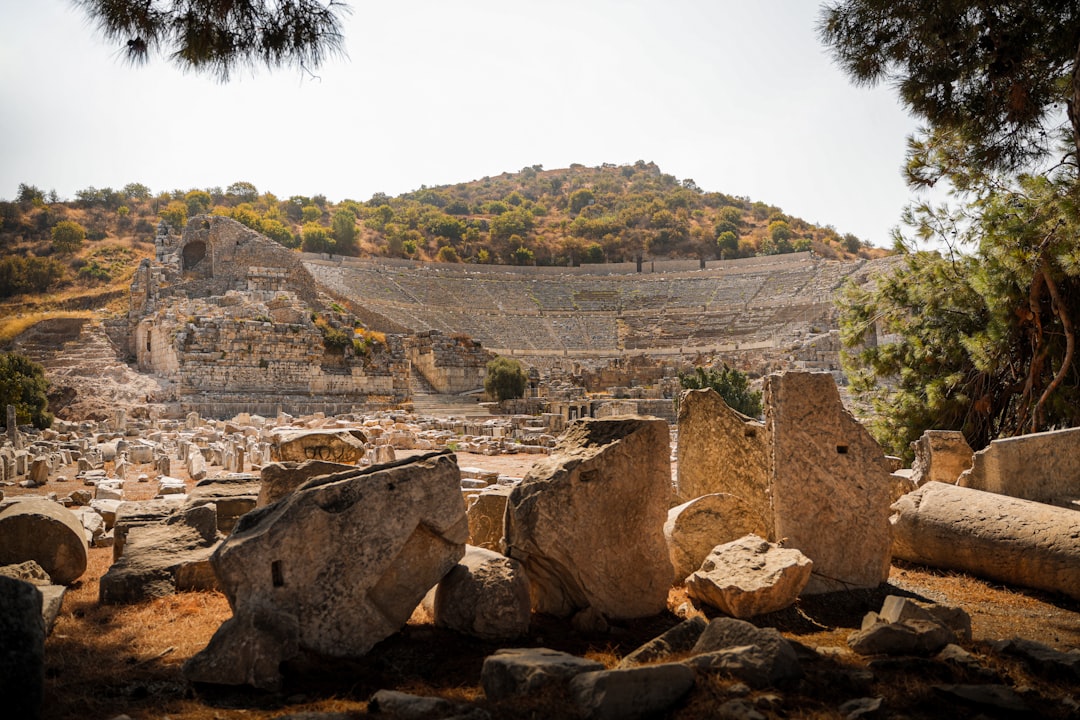
In the heart of a forgotten landscape, where nature has reclaimed its territory, lies an ancient city shrouded in mystery. This city, once bustling with life, now stands as a testament to a civilization long past. Among its crumbling walls and overgrown pathways, there exists a room that has captured the imagination of historians and adventurers alike—the Forbidden Room.
Legends speak of its hidden treasures and the secrets it holds, tantalizing those who dare to explore its depths. The allure of the Forbidden Room is not merely in its physical presence but in the stories it whispers to those willing to listen. The Forbidden Room is often described as a place where time stands still, a sanctuary of forgotten knowledge and lost artifacts.
Scholars have long debated its purpose—was it a temple, a treasury, or perhaps a royal chamber? Each theory adds another layer to the enigma surrounding this elusive space. As researchers sift through ancient texts and archaeological findings, they piece together fragments of history that hint at the room’s significance.
The mystery deepens with every discovery, drawing in curious minds eager to unlock the secrets of the past.
Key Takeaways
- The Forbidden Room in ancient city ruins holds a mystery waiting to be unraveled.
- Exploring ancient city ruins reveals secrets of the past and offers a glimpse into history.
- Hidden treasures can be found within the ancient city ruins, waiting to be discovered.
- The Forbidden Room within the ruins is a forgotten part of history, waiting to be explored.
- Discovering ancient city ruins provides a fascinating look into a lost world and a journey into the past.
Uncovering the Secrets of the Past: Exploring Ancient City Ruins
Exploration of ancient city ruins is akin to embarking on a treasure hunt, where each stone turned reveals a piece of history waiting to be uncovered. Archaeologists and historians dedicate their lives to studying these remnants of bygone eras, piecing together the narratives that shaped civilizations. The process is meticulous and often fraught with challenges, yet the rewards are immeasurable.
Each excavation site offers a glimpse into the daily lives, beliefs, and practices of those who once inhabited these spaces. As researchers delve deeper into the ruins, they encounter artifacts that tell stories of trade, culture, and social structure. Pottery shards, tools, and remnants of food provide insight into the diets and lifestyles of ancient peoples.
The architecture itself speaks volumes; grand structures suggest a society that valued artistry and engineering prowess. In this way, exploring ancient city ruins becomes not just an academic pursuit but a journey through time, allowing modern individuals to connect with their ancestors in profound ways.
The Hidden Treasures of Ancient City Ruins
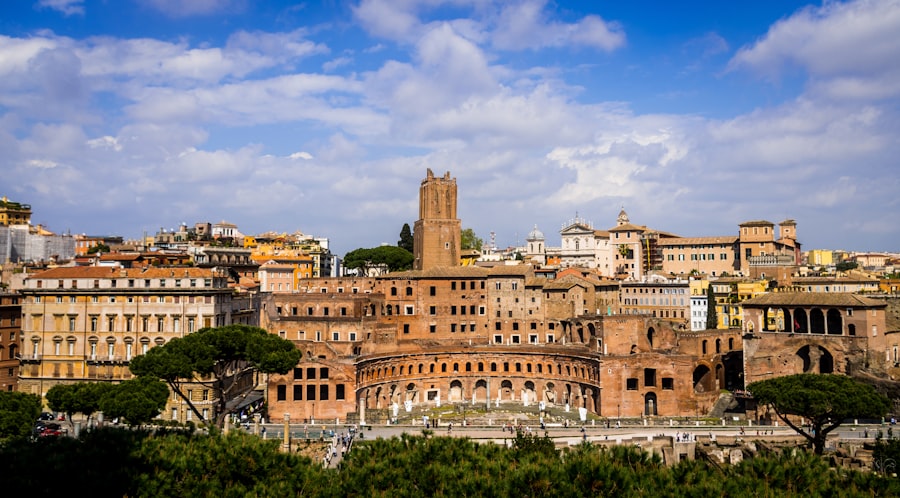
The allure of hidden treasures within ancient city ruins is a theme that has captivated explorers for centuries. Tales of gold, jewels, and priceless artifacts spark the imagination and drive expeditions into uncharted territories. However, the true treasures often lie not in material wealth but in the knowledge and understanding gained from these explorations.
Each artifact unearthed serves as a key to unlocking the mysteries of human history, revealing insights into art, religion, and societal norms. Among the most significant discoveries are inscriptions and carvings that provide context to the lives of those who once thrived in these cities. These texts can illuminate everything from political structures to religious beliefs, offering a window into the minds of ancient peoples.
The hidden treasures of ancient city ruins are thus multifaceted; they encompass both tangible items and intangible knowledge that enriches our understanding of humanity’s shared past.
The Ruins that Time Forgot: Exploring the Forbidden Room
| Metrics | Data |
|---|---|
| Duration | 60 minutes |
| Number of rooms | 4 |
| Difficulty level | Medium |
| Success rate | 70% |
The Forbidden Room stands as a poignant reminder of the passage of time and the stories that fade into obscurity. As explorers venture into this enigmatic space, they are met with an atmosphere thick with history. Dust motes dance in shafts of light filtering through cracks in the walls, illuminating faded murals and intricate carvings that have withstood the test of time.
Each step taken within this room feels like a journey back to an era when life pulsed vibrantly through its corridors. The exploration of the Forbidden Room is not merely about uncovering physical artifacts; it is also an emotional experience. The weight of history hangs heavy in the air, evoking a sense of reverence for those who once walked these halls.
As researchers document their findings, they are reminded that every object tells a story—a story that deserves to be heard and understood. In this way, the Forbidden Room becomes a bridge between past and present, inviting all who enter to reflect on their own place within the continuum of human existence.
A Glimpse into the Past: Discovering Ancient City Ruins
Discovering ancient city ruins offers a unique opportunity to glimpse into the past—a chance to witness firsthand the remnants of civilizations that have shaped human history. Each ruin tells a story, revealing insights into architectural styles, social hierarchies, and cultural practices. As archaeologists meticulously excavate these sites, they uncover layers of history that paint a vivid picture of life in ancient times.
The process of discovery is often fraught with challenges; weathering elements and time can obscure vital clues about a civilization’s existence. Yet, with each new find—be it a fragment of pottery or an elaborate fresco—researchers gain invaluable knowledge about how people lived, worked, and interacted with their environment. This glimpse into the past not only enriches academic understanding but also fosters a deeper appreciation for the complexities of human development throughout history.
The Enigma of the Forbidden Room: Ancient City Ruins Revealed
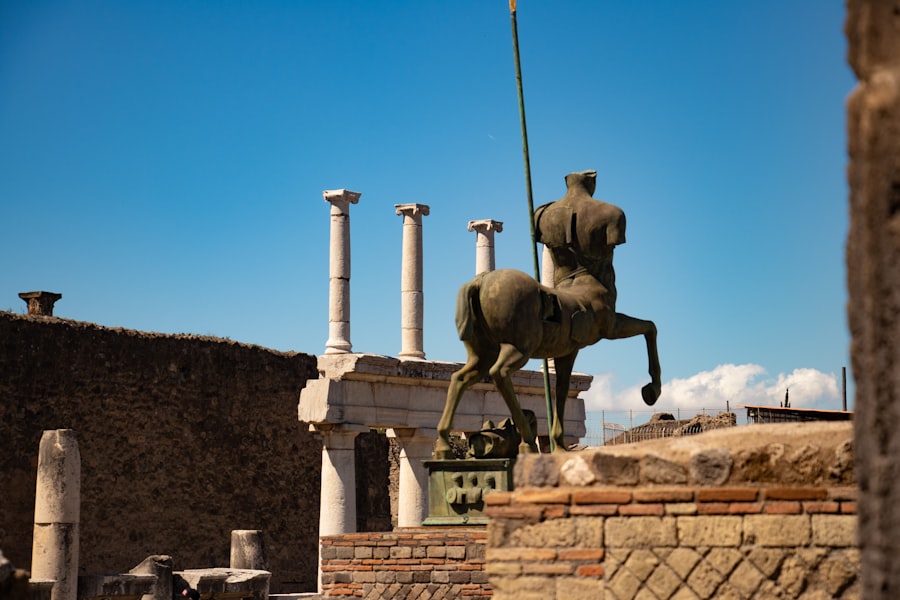
The enigma surrounding the Forbidden Room continues to intrigue scholars and adventurers alike. As excavations progress and new technologies emerge, previously hidden aspects of this mysterious space are gradually revealed. Advanced imaging techniques allow researchers to peer beneath layers of sediment and uncover details that were once thought lost forever.
As more information comes to light, questions arise about the room’s original purpose and significance within the larger context of the ancient city. Was it a sacred space reserved for rituals?
Or perhaps it served as a gathering place for leaders? Each new discovery adds depth to our understanding while simultaneously raising further questions—an endless cycle of inquiry that fuels ongoing research into this captivating site.
Unlocking the Secrets of the Forbidden Room: Exploring Ancient City Ruins
Unlocking the secrets of the Forbidden Room requires not only archaeological skill but also an imaginative leap into the past. Researchers must consider various factors—cultural practices, environmental influences, and historical context—to piece together a coherent narrative about this enigmatic space. This interdisciplinary approach allows for a more holistic understanding of how such rooms functioned within their respective societies.
As explorers navigate through the ruins, they often find themselves pondering what life was like for those who once inhabited these spaces. The remnants left behind—tools, pottery, and even human remains—serve as poignant reminders of mortality and continuity. In this way, unlocking the secrets of the Forbidden Room becomes an act of honoring those who came before while simultaneously enriching contemporary understanding of human history.
The Forgotten City: Uncovering the Forbidden Room
The Forgotten City stands as a testament to resilience against time’s relentless march forward. Hidden beneath layers of earth and vegetation lies a wealth of knowledge waiting to be uncovered. Among its many secrets is the Forbidden Room—a space that has remained elusive for generations.
As archaeologists dig deeper into this forgotten landscape, they unearth not only physical artifacts but also stories that have long been silenced. Uncovering the Forbidden Room requires patience and perseverance; each excavation reveals new layers that must be carefully documented and analyzed. The thrill of discovery is palpable as researchers uncover intricate carvings or remnants of ceremonial objects that hint at the room’s significance within its cultural context.
With each find, they inch closer to understanding what this space meant to those who once revered it—a journey that intertwines history with human emotion.
The Forbidden Room: A Journey into Ancient City Ruins
Embarking on a journey into the Forbidden Room is akin to stepping through a portal into another world—a world where echoes of laughter and whispers of secrets linger in the air. As explorers traverse its threshold, they are enveloped by an atmosphere rich with history and possibility. The walls seem to pulse with energy as if eager to share their stories with those willing to listen.
This journey is not merely physical; it is also deeply introspective. Each artifact discovered prompts reflection on humanity’s shared experiences—love, loss, ambition, and creativity. The Forbidden Room becomes more than just an archaeological site; it transforms into a canvas upon which generations have painted their hopes and dreams.
In this way, exploring ancient city ruins transcends time itself, connecting individuals across centuries through shared narratives.
The Lost World: Exploring the Forbidden Room of Ancient City Ruins
The concept of a lost world resonates deeply within human consciousness—a yearning for connection with something greater than oneself. The Forbidden Room embodies this idea; it serves as a gateway to understanding not only an ancient civilization but also humanity’s enduring quest for meaning and belonging. As explorers delve into its depths, they uncover layers upon layers of history that speak to universal themes.
Exploring this lost world requires more than just physical exploration; it demands an openness to experience and interpret what lies within its walls. Each artifact serves as a reminder that while civilizations may rise and fall, their stories endure through time. The journey into the Forbidden Room becomes an exploration not only of space but also of identity—an opportunity for individuals to reflect on their own place within the tapestry of human existence.
The Forbidden Room: A Fascinating Look into Ancient City Ruins
The Forbidden Room offers a fascinating glimpse into ancient city ruins—a microcosm reflecting broader societal dynamics at play during its time. As researchers continue to study this enigmatic space, they uncover insights that challenge preconceived notions about ancient cultures and their complexities. The room stands as both an artifact itself and a symbol of humanity’s relentless pursuit of knowledge.
In conclusion, exploring ancient city ruins—particularly the enigmatic Forbidden Room—invites individuals on an extraordinary journey through time. It is an exploration filled with mystery, discovery, and reflection on what it means to be human in an ever-evolving world. As scholars unlock its secrets one layer at a time, they remind us all that history is not merely about dates and events; it is about understanding our shared humanity across generations.
In recent years, the discovery of forbidden rooms within ancient city ruins has captivated archaeologists and historians alike, offering new insights into the lives and cultures of past civilizations. These hidden chambers often contain artifacts and inscriptions that challenge our understanding of history. For those interested in exploring more about the mysteries of ancient ruins and the secrets they hold, a related article can be found on Real Lore and Order’s website.
You can read more about it by visiting this page.
WATCH THIS! 😕They Buried the Truth: How Ancient Elites Hid a Climate Collapse.
FAQs
What is the forbidden room in the ancient city ruins?
The forbidden room in the ancient city ruins is a chamber that is off-limits to the public and is often shrouded in mystery and intrigue.
Why is the forbidden room off-limits to the public?
The forbidden room may be off-limits due to safety concerns, preservation efforts, or the presence of valuable artifacts or sensitive archaeological materials.
What can be found in the forbidden room of ancient city ruins?
The contents of the forbidden room can vary, but it may contain artifacts, inscriptions, artwork, or other significant historical or cultural items.
Are there any legends or myths associated with the forbidden room in ancient city ruins?
Legends and myths may surround the forbidden room, with stories of curses, hidden treasures, or supernatural occurrences adding to its mystique.
Can visitors access the forbidden room in ancient city ruins?
In most cases, visitors are not allowed to access the forbidden room in ancient city ruins, as it is typically restricted to authorized personnel such as archaeologists, researchers, or preservation specialists.
What precautions should be taken when exploring ancient city ruins with forbidden rooms?
When exploring ancient city ruins with forbidden rooms, visitors should adhere to all posted regulations and respect any restricted areas to ensure the preservation and protection of the site.