Uncovering Ancient Archaeological Breakthroughs
The earth beneath our feet is a vast, silent library, its pages filled with the faded ink of human history. For millennia, civilizations have risen and fallen, leaving behind whispers of their existence in the form of artifacts, structures, and burial sites. For archaeologists, the task of deciphering these silent chronicles is a demanding yet deeply rewarding endeavor, akin to piecing together a colossal, shattered mosaic, each fragment offering a clue to the grand design of the past. The ongoing pursuit of uncovering ancient archaeological breakthroughs is not merely an academic pursuit; it is a journey of profound self-discovery, for it illuminates the trajectory of human development and the enduring threads that connect us to our remote ancestors. This exploration delves into some of these pivotal discoveries that have fundamentally reshaped our understanding of antiquity.
For centuries, the hieroglyphic inscriptions adorning ancient Egyptian monuments remained an impenetrable riddle. These intricate symbols, enigmatic and beautiful, held the secrets of a civilization that had once dominated the Nile Valley, yet their meaning was lost to the sands of time. Scholars debated their nature, some positing them as purely symbolic, others as phonetic, but definitive understanding eluded them. The discovery of the Rosetta Stone in 1799 by French soldiers during Napoleon Bonaparte’s Egyptian campaign acted as a seismic shift in Egyptology, effectively unlocking the spoken and written language of the pharaohs.
Discovery and Initial Examination
The Rosetta Stone, a stele of granodiorite, was unearthed in the town of Rosetta (modern-day Rashid) by soldiers digging fortifications. Its significance was immediately recognized due to the presence of three distinct scripts inscribed upon its surface. The top section bore hieroglyphic text, the middle section contained a demotic script (a cursive form of ancient Egyptian writing used by the populace), and the bottom section was written in ancient Greek. This tripartite inscription was the crucial element, opening a direct pathway to understanding the untranslatable.
Champollion’s Decipherment: The Breakthrough
The arduous task of decipherment fell to Jean-François Champollion, a brilliant French philologist with an exceptional aptitude for languages. Building upon the work of other scholars, most notably Thomas Young, Champollion meticulously compared the Greek text, which he could read, with the other two scripts. He posited that the hieroglyphic and demotic scripts were not merely symbolic but a complex system that incorporated both phonetic and ideographic elements. The realization that royal names, enclosed in cartouches within the hieroglyphic script, corresponded to the Greek names provided a vital anchor.
The Role of Ptolemy V
A significant point of focus for Champollion was the Ptolemaic decree inscribed on the stone, dating to 196 BCE. This decree honored King Ptolemy V Epiphanes and was issued by a council of priests. The Greek text clearly identified the king by name. Champollion hypothesized that the cartouches in the hieroglyphic section contained the name of Ptolemy. By meticulously analyzing the known Greek letters and their potential hieroglyphic counterparts, he began to assign phonetic values. This painstaking process of cross-referencing and deduction, spanning years, was the intellectual equivalent of navigating a labyrinth blindfolded, guided only by faint echoes of the past.
The Nature of Hieroglyphs Revealed
Champollion’s eventual triumph, announced in 1822, was the revelation that hieroglyphs were not solely pictograms or ideograms, but a sophisticated writing system that combined phonetic signs (representing sounds), logograms (representing words), and determinatives (clarifying the meaning of a word). This groundbreaking understanding was the key that unlocked countless inscriptions, revealing detailed accounts of Egyptian religious beliefs, political history, daily life, and administrative practices. The Rosetta Stone, thus, became more than just an artifact; it was the gatekeeper to an entire civilization’s lost voice.
Recent discoveries in ancient archaeology have shed light on previously unknown civilizations, revealing intricate details about their cultures and lifestyles. For instance, an article discussing the latest breakthroughs highlights how advanced technologies, such as ground-penetrating radar, have allowed researchers to uncover hidden structures and artifacts that were once thought to be lost to time. To explore more about these fascinating findings, you can read the full article here: Ancient Archaeological Breakthroughs Revealed.
The Tomb of Tutankhamun: A Glimpse into Royal Opulence
When Howard Carter, a British archaeologist, first peered into the tomb of the young pharaoh Tutankhamun in 1922, he exclaimed, “I see wonderful things.” He was not exaggerating. The tomb, remarkably intact, was a treasure trove of almost unimaginable wealth and artistry, offering an unparalleled snapshot of ancient Egyptian royal burial practices and the material culture of the Eighteenth Dynasty. Its preservation was due to its inconspicuous location and the fact that it had been plundered only in antiquity, the robbers’ efforts being incomplete and the tomb later resealed.
Discovery in the Valley of the Kings
The Valley of the Kings, on the west bank of the Nile opposite Luxor, had been the primary burial ground for pharaohs and powerful nobles of the New Kingdom for over 500 years. Despite extensive excavation and the discovery of many known royal tombs, a mystery persisted: the resting place of Tutankhamun, a pharaoh whose reign, though relatively short, was historically significant. Carter, sponsored by Lord Carnarvon, had been excavating in the valley for many years, driven by an unwavering belief that Tutankhamun’s tomb lay hidden beneath the accumulated debris.
The Staircase to Revelation
The pivotal discovery came on November 4, 1922, when a step was uncovered beneath the remains of ancient workmen’s huts. This led to a staircase, which in turn led to a sealed doorway. The inscription on the door, though partially effaced, hinted at royal significance. The excitement was palpable, the air thick with anticipation. The tomb, unlike many others that had been thoroughly looted, appeared to have escaped significant desecration.
The Antechamber and Beyond: A Cascade of Treasures
What awaited Carter and his team within the tomb was a breathtaking spectacle. The antechamber, the first room they entered, was crammed with chariots, dismantled pleasure boats, couches, statues, and chests, all laden with gold and precious materials. The sheer volume and exquisite craftsmanship of the artifacts painted a vivid picture of the pharaoh’s afterlife provisions and the immense resources dedicated to funerary rituals.
The Golden Sarcophagus and Mask
The burial chamber itself contained the sarcophagus of Tutankhamun, a magnificent gilded wooden coffin within which lay two additional gilded coffins, the innermost made of solid gold. Atop the mummy lay the most iconic artifact: a stunning gold death mask, meticulously crafted and inlaid with lapis lazuli, obsidian, and quartz. This mask, an almost divine likeness of the young pharaoh, has become a global symbol of ancient Egypt.
The Significance of the Intact Tomb
The significance of Tutankhamun’s tomb cannot be overstated. It provided an unprecedented opportunity to study the burial customs, religious beliefs, and artistic achievements of a powerful period in Egyptian history. The vast quantity of well-preserved artifacts allowed scholars to reconstruct aspects of daily life, warfare, and ritual with a clarity previously unattainable. It was as if a time capsule had been opened, revealing not just the possessions of a dead king, but the beating heart of his era.
The Vindolanda Tablets: Echoes of Roman Life on the Frontier
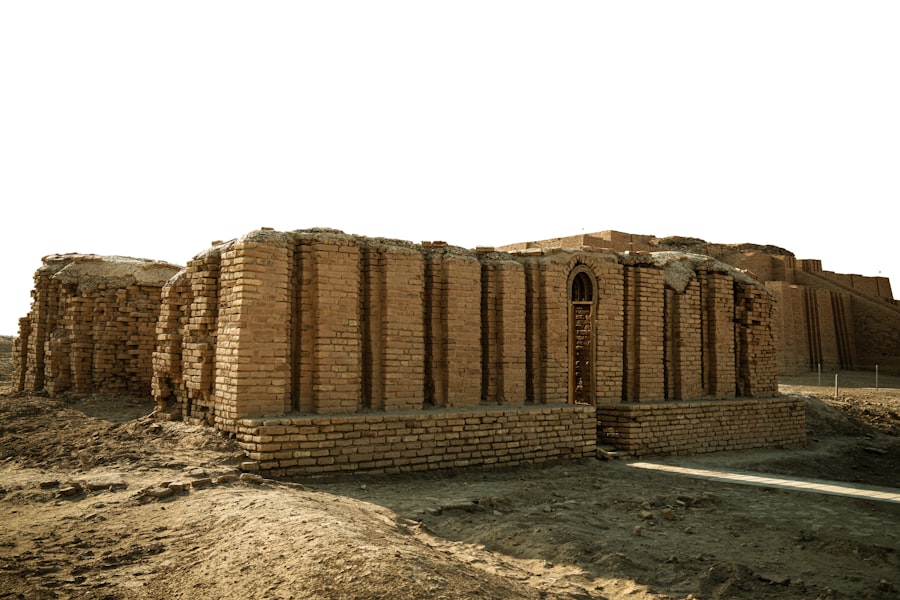
The windswept plains of northern Britain, at the edge of the Roman Empire, hold secrets far removed from the grandeur of Rome. The military fort of Vindolanda, near Hadrian’s Wall, has yielded a remarkable collection of artifacts, but none perhaps as profoundly human as the Vindolanda Tablets. These are not monumental inscriptions, but fragile fragments of wood, thin as parchment, inscribed with ink, offering an intimate and almost startlingly familiar glimpse into the daily lives of Roman soldiers and their families stationed on the empire’s volatile frontier.
Discovery at the Roman Fort
Excavations at Vindolanda have been ongoing for decades, revealing vast expanses of the fort and its associated civilian settlement. The tablets, dating from the late 1st to early 2nd centuries CE, began to appear in the waterlogged layers of the site, a condition that, paradoxically, preserved these delicate organic materials. They were found mostly in deposits of thick, wet clay, which prevented them from decomposing over nearly two millennia.
The Unique Preservation Conditions
The anaerobic environment of the waterlogged soil acted as a natural preservative, halting the decay of the wood and the ink. These are the oldest surviving handwritten documents in Britain, and their discovery has been likened to finding a forgotten personal diary from a bygone era. Unlike stone inscriptions that proclaimed imperial victories or religious devotion, the Vindolanda Tablets speak of mundane concerns.
A Spectrum of Human Concerns
The content of the tablets is remarkably diverse, ranging from official military correspondence to personal letters and birthday invitations. They offer a candid and unfiltered look at the challenges and routines of life at the edge of civilization, from commanding officers to the common soldier, and even to the women and children who lived within or near the fort.
Military Administration and Logistics
Many tablets detail supply requisitions, troop movements, and the administrative burdens of maintaining a Roman presence in a hostile environment. They reveal the intricate logistics required to support a military outpost so far from the heart of the empire, from requests for shoes for soldiers to orders for beer.
Personal Communications and Social Life
Beyond official business, the tablets reveal the personal lives of the inhabitants. Letters discuss family matters, requests for clothing, and even complaints about the weather, sounding remarkably modern in their sentiment. One famous tablet, a birthday invitation from Claudia Severa to Lepidina, wife of the commanding officer, provides a rare glimpse into the social interactions and festivities of women living on the frontier. This personal correspondence is a powerful reminder that behind the uniform and the legionary discipline, there were individuals with lives, families, and emotions.
The Voice of the Common Soldier
The tablets give a voice to individuals who would otherwise be lost to history. They are not the pronouncements of emperors or high-ranking generals, but the written words of legionaries, auxiliary soldiers, and their families. This democratizing effect of the Vindolanda Tablets is a significant aspect of their importance, offering a more nuanced and relatable picture of Roman frontier life.
Göbekli Tepe: Rewriting the Dawn of Civilization
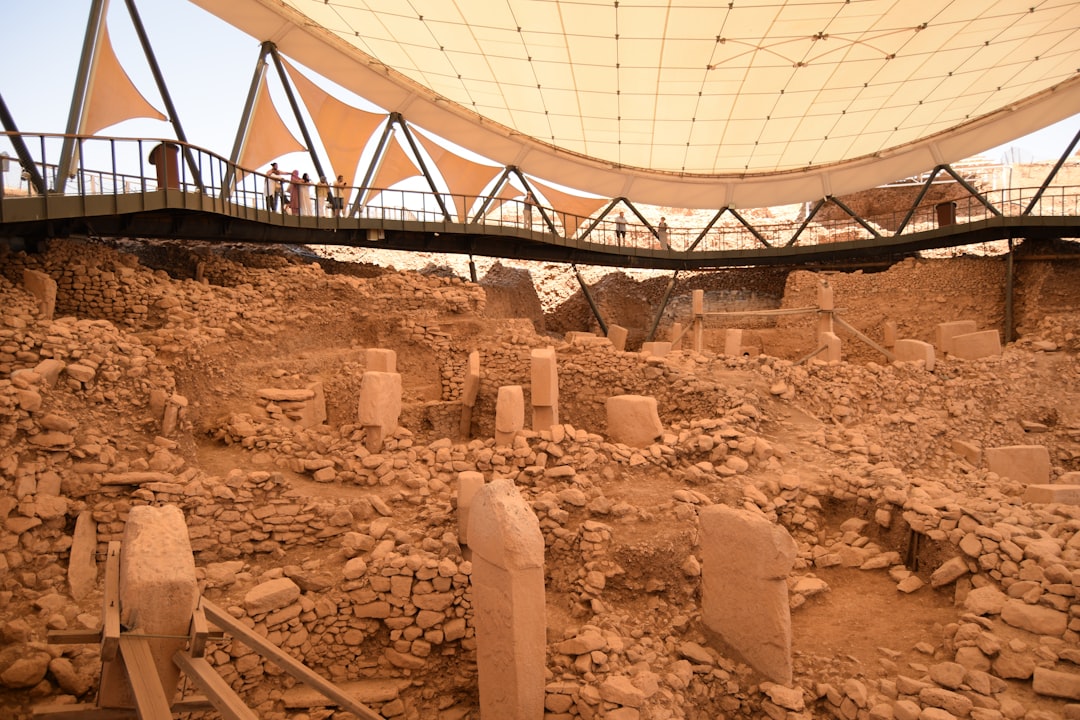
The arid plains of southeastern Turkey have yielded a discovery that has fundamentally challenged our understanding of the Neolithic Revolution and the very origins of complex human society. Göbekli Tepe, a sprawling archaeological site, predates Stonehenge and the Egyptian pyramids by thousands of years, presenting a monumental religious complex built by hunter-gatherer societies, long before the advent of agriculture and settled village life. This prehistoric temple complex, carved into the landscape, is a beacon illuminating a hitherto unknown sunrise of human civilization.
Unearthing the Prehistoric Sanctuary
The site was brought to international attention in the 1990s by German archaeologist Klaus Schmidt. For decades, local shepherds had been aware of stone formations, but their true significance remained hidden beneath a thick mantle of earth. Schmidt, inspired by preliminary surveys, initiated systematic excavations that revealed an astonishing array of massive, T-shaped limestone pillars, many adorned with intricate carvings of animals.
The Enigmatic Pillars and Aras Mountains
The pillars, some weighing many tons, are arranged in circular enclosures. Their scale and the effort required to erect them suggest a highly organized and cooperative undertaking, a testament to sophisticated social structures within communities that were, by conventional understanding, still nomadic. The proximity to the fertile crescent and the dramatic Aras mountains has led to speculation about the site’s geographical and cultural importance.
A Temple Built Before Farming
One of the most revolutionary aspects of Göbekli Tepe is its age. Radiocarbon dating places its construction between approximately 9600 and 8200 BCE. This is a period when humanity was transitioning from a hunter-gatherer lifestyle to settled agriculture. However, Göbekli Tepe appears to have been constructed and utilized by hunter-gatherers before the widespread adoption of farming. This overturns the long-held theory that complex religious sites and social stratification emerged only after the development of agriculture and surplus resources.
Challenging the Neolithic Revolution Paradigm
The prevailing theory posited that agriculture was the driving force behind sedentary lifestyles, population growth, and the subsequent development of monumental architecture and organized religion. Göbekli Tepe, however, suggests a reversal of this causality. It is argued that the need to build and maintain such a massive ritualistic center may have actually incentivized communities to settle in one place, to develop more robust social organization, and to experiment with ways to sustain larger populations that could contribute to these communal projects. The builders of Göbekli Tepe, it seems, were not simply reacting to a surplus of resources, but actively creating the conditions that would eventually lead to such surpluses.
The Animal Artistry: Symbolism and Belief
The relief carvings on the pillars are a rich source of information about the beliefs and worldview of these ancient people. Depictions of animals such as lions, boars, foxes, snakes, and birds are common. While their exact meaning remains a subject of scholarly debate, they are widely believed to hold symbolic significance, possibly related to cosmology, mythology, or shamanic practices. The meticulous detail and artistic skill displayed in these carvings suggest a profound connection to the natural world and a complex system of symbolic representation.
Recent discoveries in ancient archaeology have shed light on previously unknown civilizations and their practices, igniting excitement among historians and enthusiasts alike. One particularly fascinating breakthrough involves the unearthing of artifacts that suggest advanced societal structures existed much earlier than previously thought. For those interested in exploring more about these groundbreaking findings, you can read a related article that delves deeper into the implications of these discoveries at this link. Such revelations not only enhance our understanding of human history but also challenge long-held assumptions about the development of ancient cultures.
The Terracotta Army: The Silent Guardians of an Emperor
| Breakthrough | Location | Year Discovered | Significance | Estimated Age |
|---|---|---|---|---|
| Terracotta Army | Xi’an, China | 1974 | Revealed the burial complex of Emperor Qin Shi Huang and ancient Chinese funerary art | ~2,200 years |
| Göbekli Tepe | Turkey | 1994 | Oldest known megalithic temple complex, changing views on prehistoric religion | ~11,600 years |
| Dead Sea Scrolls | Qumran Caves, Israel | 1947 | Ancient Jewish texts that shed light on early Judaism and biblical history | ~2,000 years |
| Rosetta Stone | Rashid (Rosetta), Egypt | 1799 | Key to deciphering Egyptian hieroglyphs | ~2,200 years |
| King Tutankhamun’s Tomb | Valley of the Kings, Egypt | 1922 | Intact tomb revealing wealth and burial practices of New Kingdom pharaohs | ~3,300 years |
Beneath the earth near Xi’an, China, lies an army of life-sized warriors, chariots, and horses, meticulously crafted from clay and intended to guard the afterlife of Qin Shi Huang, the first emperor of a unified China. The discovery of the Terracotta Army in 1974 was not a chance encounter with a hidden treasure, but the result of systematic archaeological investigation driven by historical records. This vast necropolis is a testament to the immense power, ambition, and organizational capabilities of the Qin Dynasty, offering an unparalleled insight into ancient Chinese military might and imperial ideology.
Accidental Discovery, Systematic Investigation
The initial discovery was serendipitous. Farmers digging a well stumbled upon fragments of terracotta figures. Their finds attracted the attention of local authorities, who recognized the potential significance of the discovery. This led to the launch of a large-scale archaeological excavation that has continued for decades, revealing an entire subterranean world meticulously created for the emperor’s eternal reign.
The Scale of the Mausoleum Complex
The Terracotta Army is part of a much larger mausoleum complex commissioned by Qin Shi Huang, who reigned from 221 to 210 BCE. The emperor’s tomb mound itself remains unexcavated, but the surrounding pits containing the army are vast, extending over several square kilometers. The sheer scale of the undertaking, requiring the labor of hundreds of thousands of artisans and laborers, speaks volumes about the centralized power and resources of the Qin state.
The Individualized Warriors: A Masterpiece of Realism
One of the most astonishing aspects of the Terracotta Army is the remarkable individuality of each warrior. No two figures are identical. While they share a common assembly-line production process, each face, hairstyle, and even ear shape is subtly different, suggesting that they were modeled on real soldiers. This attention to detail underscores the emperor’s desire for an authentic and potent force to accompany him into the next world.
The Arsenal and Organization
The warriors are arrayed in formations that reflect the military organization of the Qin army. They are equipped with real bronze weapons, including swords, spears, and crossbows, many of which remain remarkably preserved. The different ranks and types of soldiers – archers, infantrymen, cavalry, and even officers – are clearly discernible, providing invaluable information about ancient Chinese military strategy, tactics, and weaponry.
The Color and Original Appearance
While the terracotta figures are now predominantly a muted earthy tone, historical and scientific analysis has revealed that they were originally brightly painted in vibrant colors. The pigments, made from mineral and organic compounds, would have given the army a far more lifelike and imposing appearance. The careful preservation and ongoing study of these pigments are crucial for reconstructing the original visual impact of this extraordinary creation.
The Dead Sea Scrolls: A Fragmentary Glimpse into Ancient Judaism and Christianity
The discovery of the Dead Sea Scrolls in caves near the ancient settlement of Qumran, beginning in 1947, has been hailed as one of the most significant archaeological finds of the 20th century. These ancient manuscripts, primarily written in Hebrew and Aramaic, with some in Greek, provide an unparalleled window into Jewish religious life and thought in the Second Temple period (roughly 500 BCE to 70 CE) and offer crucial context for the emergence of early Christianity. The scrolls are a Rosetta Stone for understanding a pivotal era in Western religious history, offering fragments of knowledge that have reshaped scholarly understanding.
Discovery in the Qumran Caves
The initial discovery was made by a Bedouin shepherd, Jum’a Muhammad Khalil, who stumbled upon a cave containing several large clay jars filled with ancient scrolls. This led to further exploration of the caves in the Judaean Desert, resulting in the recovery of thousands of scroll fragments from over a dozen caves. The dry climate of the region played a vital role in the preservation of these fragile documents.
The Nature of the Scrolls: A Diverse Collection
The Dead Sea Scrolls consist of a diverse collection of texts, including biblical manuscripts, apocryphal and pseudepigraphical works, sectarian writings, and commentaries. They date from the 3rd century BCE to the 1st century CE, providing a literary snapshot of a period of immense religious and cultural ferment.
Biblical and Sectarian Texts: Understanding Jewish Diversity
A significant portion of the scrolls are biblical manuscripts, including the oldest known copies of books from the Hebrew Bible (Old Testament). These texts, predating previously known manuscripts by over a thousand years, have been instrumental in confirming the accuracy of the Masoretic text, the standard Hebrew Bible used today, while also revealing minor textual variations that shed light on the evolution of the biblical text. Furthermore, the scrolls include many non-biblical texts that illuminate the diversity of Jewish beliefs and practices during the Second Temple period, revealing sects and movements that were previously only known through fragmented historical accounts.
The Qumran Community and the Essenes
Many scholars believe that a significant portion of the Dead Sea Scrolls were produced by a Jewish sect known as the Essenes, who may have lived at Qumran. Their sectarian writings, such as the Community Rule and the War Scroll, offer insights into their ascetic lifestyle, strict adherence to religious law, and their eschatological expectations. The scrolls provide an insider’s perspective on a group that played a considerable, though often overlooked, role in the religious landscape of ancient Judaea.
Messianic Expectations and Christian Connections
The Dead Sea Scrolls also reveal a rich tapestry of messianic expectations within Judaism at the time of Jesus. Many texts refer to the coming of a Messiah or even multiple messianic figures, fueling debates about the nature of this expected figure. The scrolls have provided crucial context for understanding the language and concepts used by early Christians, helping scholars to better interpret the New Testament and the historical milieu in which Christianity emerged. The parallels in certain theological concepts and phrasing between the Qumran texts and early Christian writings are striking, though the precise relationship between the Qumran community and early Christianity remains a subject of ongoing scholarly discussion.
In conclusion, these archaeological breakthroughs, from linguistic keys to entire armies preserved in clay, represent moments where the veil between our present and the distant past is lifted, revealing the ingenuity, complexity, and enduring human spirit of those who came before us. Each discovery is a testament to the persistent human drive to understand our origins and our place in the grand tapestry of time.
FAQs
What are some of the most significant ancient archaeological breakthroughs recently revealed?
Recent breakthroughs include the discovery of well-preserved ancient cities, advanced tools and artifacts, and new insights into early human civilizations through DNA analysis and excavation of burial sites.
How do these archaeological findings impact our understanding of ancient civilizations?
These findings provide valuable information about the social structures, technologies, cultures, and daily lives of ancient peoples, helping historians and archaeologists to reconstruct historical timelines and understand human development.
What methods are commonly used in uncovering ancient archaeological sites?
Common methods include ground-penetrating radar, aerial surveys, carbon dating, DNA analysis, and traditional excavation techniques to carefully uncover and analyze artifacts and structures.
Where have some of the most important recent archaeological discoveries been made?
Significant discoveries have been made in regions such as the Middle East, Egypt, Central and South America, and parts of Asia, where ancient civilizations like the Egyptians, Mayans, and Mesopotamians once thrived.
How do archaeologists ensure the preservation of ancient artifacts after discovery?
Archaeologists use careful excavation techniques, climate-controlled storage, conservation treatments, and collaboration with museums and research institutions to preserve artifacts for future study and public education.