
Northern Ireland’s unique cultural tapestry is a vibrant and complex weave, shaped by centuries of history, diverse influences, and a resilient spirit. To truly understand this region is to delve into its layered identity, much like peeling back the pages of an ancient book, each revealing a new story, a different perspective. This article aims to guide you through some of the key aspects that define the unique culture of Northern Ireland, offering a factual exploration of its traditions, arts, and social fabric.
Northern Ireland’s present-day culture is inextricably linked to its tumultuous and multifaceted past. The island of Ireland, and by extension Northern Ireland, has been a crossroads of civilizations for millennia, its history marked by waves of migration, conquest, and the persistent echo of old loyalties. To comprehend the cultural landscape, one must first acknowledge the deep roots that anchor it.
The Plantation of Ulster and its Lasting Impact
The 17th-century Plantation of Ulster, a deliberate policy by the English Crown to resettle land with Protestant settlers from Scotland and England, stands as a pivotal moment. This influx of new populations fundamentally altered the demographic and cultural makeup of the region, introducing new languages, customs, and religious practices. The legacy of this period is not a simple historical footnote but a living thread woven into the social and political consciousness of Northern Ireland. It contributed to the distinct identity that emerged in the northeast of Ireland, a region that would eventually separate from the rest of the island. This historical event can be seen as the initial sharpening of a chisel that would, over centuries, carve a unique cultural form.
The Partition and its Cultural Ramifications
The partition of Ireland in 1921, which led to the creation of Northern Ireland, was a deeply divisive event with profound cultural consequences. The establishment of a separate political entity solidified existing divisions and created new ones. The cultural practices and expressions of the two main communities, predominantly Protestant unionists and Catholic nationalists, often became intertwined with their political identities. This historical schism acted as a powerful sculptor, shaping not just political boundaries, but also the very contours of cultural expression, sometimes creating parallel universes of experience within such a small geographical space.
The Troubles: A Scar on the Cultural Landscape
The period known as “The Troubles,” a protracted ethno-nationalist conflict that began in the late 1960s and largely concluded with the Good Friday Agreement in 1998, left an indelible mark on Northern Ireland’s cultural psyche. While a period of immense hardship and violence, it also stimulated a surge of cultural introspection and artistic response. The conflict brought to the fore themes of identity, memory, loss, and resilience, which continue to permeate artistic endeavors. The Troubles were a crucible, forging new narratives and challenging old ones, leaving behind a cultural landscape forever altered by its passage.
For those interested in the ongoing developments in Northern Ireland, a related article can be found at this link, which explores the historical context and current political landscape of the region. The article delves into the complexities of Northern Ireland’s governance and the impact of recent events on its peace process, providing valuable insights for readers looking to understand the nuances of this unique part of the United Kingdom.
The Enduring Power of Tradition: Feasts, Festivals, and Folklore
Northern Ireland boasts a rich tapestry of traditions that are actively maintained and celebrated, providing a vibrant continuity with the past. These traditions are not static relics but living entities, adapting and evolving while retaining their core essence.
Celtic Roots and Gaelic Heritage
The influence of Ireland’s Celtic heritage is undeniable, particularly in the persistent presence of the Irish language, Gaeilge. While its usage declined during periods of suppression, there has been a significant revitalization effort in recent decades. Gaeltacht (Irish-speaking) areas exist, and Irish language schools and cultural organizations are thriving. The language itself is a key carrier of culture, housing unique expressions, proverbs, and a worldview. This connection to Gaelic heritage acts as an ancient wellspring, from which much of Northern Ireland’s cultural identity draws sustenance.
Unionist Traditions and Orange and Royal Arch Ceremonies
Complementing the Gaelic heritage are the distinct traditions associated with the unionist community. These often have roots in British culture and are celebrated through various parades and ceremonies, most notably those organized by the Orange Order and the Royal Arch Purple Chapter. While these events can be a source of controversy due to their historical associations, they represent a significant aspect of Northern Irish cultural expression for a substantial portion of the population. These traditions are the sturdy branches of an oak, reaching towards a different part of the historical sky.
The Art of Storytelling and Folklore
Storytelling is deeply embedded in the Irish cultural DNA, and Northern Ireland is no exception. From ancient myths and legends passed down through generations to contemporary anecdotes shared in pubs, the art of narrative flourishes. Folklore, with its tales of fairies, giants, and ghostly apparitions, continues to capture the imagination, reflecting a deep connection to the land and its mysteries. These stories are the whispers of ancestral voices, echoing through the valleys and glens.
The Culinary Landscape: From Ulster Fry to Modern Gastronomy
Northern Ireland’s food culture is a reflection of its history and geography. The “Ulster Fry,” a hearty breakfast featuring locally produced ingredients like soda bread, potato bread, bacon, and eggs, is a culinary icon. Beyond this traditional fare, the region has seen a renaissance in its food scene. Local producers are celebrated for their high-quality dairy, seafood, and agricultural products. Farm-to-table movements and a growing number of innovative restaurants showcase the evolving gastronomic landscape. This culinary evolution is like a river, fed by ancient springs but carving new paths towards the sea.
The Creative Pulse: Arts, Literature, and Music
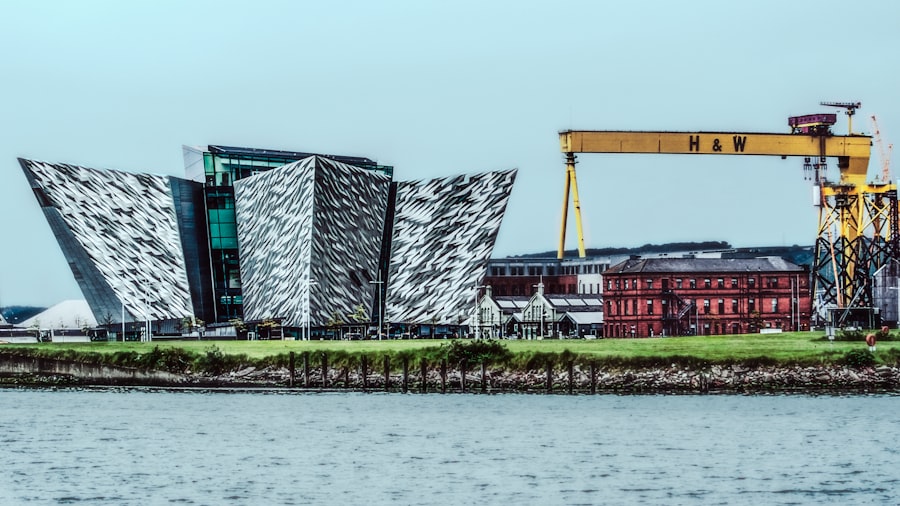
Northern Ireland possesses a remarkably dynamic and internationally recognized arts scene. The region’s artists have often used their work as a lens through which to examine its complex history, explore its social fabric, and celebrate its unique spirit.
Literary Voices: From Heaney to Contemporary Authors
Northern Ireland has produced a disproportionate number of world-renowned literary figures. Nobel Laureate Seamus Heaney, whose poetry deeply explored the rural landscape and the nuances of identity, is perhaps the most celebrated. Beyond Heaney, a rich tradition of poets, novelists, and playwrights has emerged, often grappling with themes of violence, reconciliation, and the search for belonging. This literary output serves as a collective memory, a repository of shared experiences and individual reflections. The act of writing here is often akin to navigating a labyrinth built from history and resilience.
The Theatrical Scene: Reflecting Society and Sparking Dialogue
Theatrical productions in Northern Ireland have played a crucial role in reflecting societal complexities and fostering dialogue, particularly during and after The Troubles. Both professional and amateur theatre companies have staged plays that address political issues, historical grievances, and the challenges of peace-building. The Abbey Theatre in Dublin and the Lyric Theatre in Belfast stand as significant institutions, though a vibrant network of smaller venues and touring productions contribute to a dynamic theatrical ecosystem. Theatre here is a portable stage, where the nation’s dramas are enacted and debated.
Musical Traditions: Traditional, Folk, and Contemporary Sounds
Music is a vital artery of Northern Irish culture. Traditional Irish music, with its jigs, reels, and airs, remains a cornerstone, often performed in pubs and at festivals. However, the musical landscape is far broader, encompassing folk music, rock, pop, and electronic genres. Artists like Van Morrison, Snow Patrol, and U2 (though more broadly Irish, their roots are in Belfast) have achieved global acclaim. The interaction between traditional forms and contemporary influences creates a rich and evolving sonic tapestry. Music in Northern Ireland is a chorus, harmonizing diverse voices and historical refrains.
The Visual Arts: Galleries, Street Art, and Murals
Northern Ireland’s visual arts scene is multifaceted. Numerous galleries showcase both established and emerging artists, exploring a wide range of themes and mediums. Street art and murals, especially those originating from the Troubles era, remain a powerful visual language, often serving as markers of identity and political statements. More recently, contemporary murals and public art installations are contributing to the reimagining of public spaces and fostering a sense of shared ownership. The visual arts here are the color palette of a nation, both stark in its historical depictions and vibrant in its contemporary expressions.
The Fabric of Society: Identity, Community, and Resilience
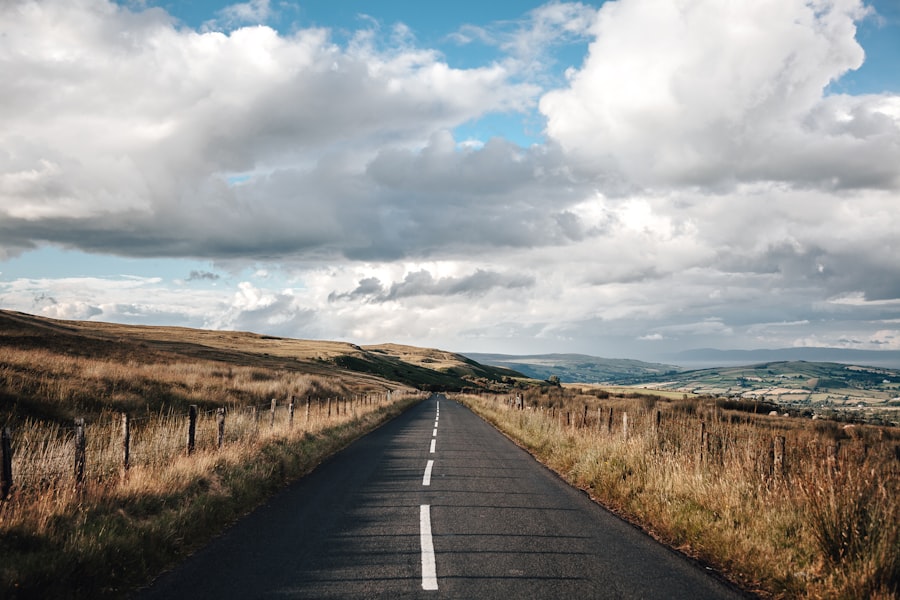
Understanding the unique culture of Northern Ireland requires an appreciation for the intricate social fabric that binds its people together. This fabric is woven with threads of shared experience, distinct identities, and an underlying resilience honed by adversity.
Navigating Identity: Unionist, Nationalist, and Beyond
The question of identity in Northern Ireland is a complex and deeply personal one. The majority of the population aligns with either unionist or nationalist identities, largely shaped by historical and political affiliations. However, a growing number of people identify as ‘Ulster Scots’ or simply ‘Northern Irish,’ seeking to forge identities that transcend traditional political divides. The ongoing process of deconstructing, negotiating, and reconstructing these identities is a defining feature of modern Northern Irish society. Identity here is a mosaic, with each piece meticulously placed, and the grout between them constantly being re-examined.
The Role of Community and Social Cohesion
Despite historical divisions, strong community bonds are a hallmark of Northern Irish society. From loyalist and republican working-class areas to more suburban and rural settings, community organizations and local initiatives play a vital role in social cohesion and support. The legacy of The Troubles has, in some instances, fostered a greater appreciation for the importance of building bridges and fostering understanding between different communities. Community spirit is the mortar that holds the bricks of society together, often strengthened by collective challenges.
Resilience and the Pursuit of Peace
The capacity for resilience in the face of prolonged conflict is a profound characteristic of Northern Ireland’s people. The journey from violence to peace has been arduous, but the commitment to building a more stable and inclusive future is evident. The Good Friday Agreement was a landmark achievement, and the ongoing work of reconciliation and addressing historical injustices continues. This enduring spirit of resilience is not about forgetting the past, but about learning from it and finding the strength to move forward. Resilience here is the deep, unyielding root system of an ancient tree, weathering storms but still reaching for the sun.
The Impact of Soft Power: Tourism and Cultural Exchange
In recent years, Northern Ireland has increasingly leveraged its unique cultural offerings to attract tourism and foster international exchange. The stunning landscapes, rich history, and vibrant arts scene are drawing visitors from around the globe. Cultural events, festivals, and heritage sites provide opportunities for exploration and understanding, contributing to a positive outward perception of the region. Soft power, in this context, is the gentle but persistent breeze that carries the scent of Northern Ireland’s unique culture far and wide.
In recent discussions about the political landscape in Northern Ireland, the complexities surrounding its governance and community relations have come to the forefront. A related article that delves into these issues can be found at Real Lore and Order, where it explores the historical context and current challenges faced by the region. This insightful piece sheds light on the ongoing efforts to foster peace and stability in a place marked by its rich yet tumultuous history.
The Contemporary Landscape: Evolving Traditions and Future Trajectories
| Metric | Value | Notes |
|---|---|---|
| Population | 1.9 million | As of 2023 estimate |
| Capital City | Belfast | Largest city in Northern Ireland |
| Area | 14,130 km² | Approximately 5,460 square miles |
| Official Languages | English, Irish, Ulster Scots | English is the most widely spoken |
| GDP (Nominal) | £45 billion | Approximate value for 2023 |
| Unemployment Rate | 3.8% | As of early 2024 |
| Major Industries | Manufacturing, Services, Agriculture, Tourism | Key contributors to the economy |
| Life Expectancy | 79 years (male), 82 years (female) | Average life expectancy at birth |
| Climate | Temperate maritime | Mild summers and cool winters |
Northern Ireland’s culture is not a static monument; it is a living, breathing entity constantly in motion. The trends and developments of the present day offer a glimpse into its future.
The Influence of Globalization and Modern Media
Like all societies, Northern Ireland is influenced by globalization and the pervasive reach of modern media. These forces can lead to the adoption of international trends and the homogenization of certain cultural practices. However, they also provide new platforms for local artists and cultural practitioners to reach wider audiences and engage with global conversations. The dialogue between the local and the global is an ongoing negotiation, a constant feedback loop.
Innovation in the Arts and Creative Industries
The creative industries in Northern Ireland are a growing sector, fostering innovation across various disciplines. From digital media and game development to fashion and design, a new generation of creatives is emerging, building upon the region’s rich artistic heritage. Investment in these sectors is seen as crucial for economic development and for the continued flourishing of Northern Ireland’s unique cultural identity. Innovation here is the spark that ignites new creative fires, drawing fuel from the embers of tradition.
The Ongoing Process of Reconciliation and Shared Future
The legacy of The Troubles continues to shape contemporary Northern Ireland, and the process of reconciliation remains a priority. Efforts to promote understanding, address historical narratives, and build a shared future are ongoing across all sectors of society. Cultural initiatives often play a key role in these endeavors, providing spaces for dialogue and shared experience. The pursuit of a shared future is the steady hand guiding the compass, pointing towards a horizon of unity and mutual respect.
The Emerging Narrative: Beyond Conflict and Towards Opportunity
While the past is an undeniable part of Northern Ireland’s story, there is a growing emphasis on looking towards the future and highlighting the region’s strengths and opportunities. The focus is shifting towards economic development, innovation, and the celebration of a diverse and dynamic society. This emergent narrative is one of hope and progress, where culture is not just a reflection of history, but a driving force for a brighter tomorrow. The future of Northern Ireland’s culture is a chapter being written, with bold strokes and optimistic hues.
FAQs
What is Northern Ireland?
Northern Ireland is a part of the United Kingdom located on the island of Ireland. It shares a border with the Republic of Ireland to the south and west and is known for its distinct cultural and political history.
What is the capital city of Northern Ireland?
The capital city of Northern Ireland is Belfast. It is the largest city in the region and serves as its economic, cultural, and political center.
What is the political status of Northern Ireland?
Northern Ireland is one of the four constituent countries of the United Kingdom, alongside England, Scotland, and Wales. It has its own devolved government, the Northern Ireland Assembly, which handles local matters.
What languages are spoken in Northern Ireland?
English is the most widely spoken language in Northern Ireland. Irish (Gaelic) and Ulster Scots are also recognized minority languages and are spoken by some communities.
What are some notable landmarks in Northern Ireland?
Notable landmarks in Northern Ireland include the Giant’s Causeway, a UNESCO World Heritage site known for its unique basalt columns; the historic city of Derry/Londonderry; and the Titanic Belfast museum, which commemorates the famous ship built in Belfast.