
The current political climate on the island of Ireland, encompassing both the Republic of Ireland and Northern Ireland, has witnessed a discernible shift. What some observers term a “resurgence” of Irish nationalism is not a sudden eruption like a geyser, but rather a more gradual, multifaceted phenomenon, akin to a river carving a new course through established terrain. This re-emergence is driven by a confluence of historical legacy, contemporary socio-economic factors, and evolving geopolitical landscapes. To understand this trend, it is essential to dissect its various components, examining the historical currents that have shaped it and the present-day tributaries that feed it.
The Long Shadow of Partition
The partition of Ireland in 1921, creating Northern Ireland as a distinct entity within the United Kingdom, remains a pivotal scar on the Irish national consciousness. For Irish nationalists, this was an imposition, a denial of a united, independent Ireland. The subsequent decades were marked by periods of tension, conflict, and a persistent demand for a united Ireland. This historical grievance, though muted at times, has never truly disappeared; it has merely lain dormant, awaiting favourable conditions to resurface. The “Troubles” in Northern Ireland, a protracted period of ethno-nationalist conflict from the late 1960s to 1998, solidified this division and the accompanying nationalist aspirations. Even after the Good Friday Agreement, which largely brought an end to the violence, the fundamental question of Irish unity was not resolved, but rather deferred. The agreement, a complex tapestry of compromises, acknowledged the democratic will of the people of Northern Ireland as the arbiter of its future, implicitly recognizing that a shift in that will could alter the constitutional status quo. The enduring memory of partition, therefore, continues to be a fertile ground for nationalist sentiment.
The Legacy of the Easter Rising and the War of Independence
The 1916 Easter Rising and the subsequent War of Independence (1919-1921) are foundational events in modern Irish nationalism. These acts of rebellion against British rule are celebrated as defining moments of courage and self-determination. The narratives of sacrifice and the pursuit of an independent republic are deeply embedded in Irish culture and education. This historical narrative functions as a powerful engine, perpetually fueling the desire for a fully sovereign and united Ireland. The ideals espoused by the leaders of the Rising – liberty, equality, and fraternity – continue to resonate, providing an ideological bedrock for contemporary nationalist movements. While the context and methods have changed, the underlying aspiration for national self-determination remains a potent force. The commemoration of these historical events serves as a regular reminder of what was fought for and what, in the view of nationalists, is still incomplete.
Irish nationalism has a rich and complex history, deeply intertwined with the cultural and political landscape of Ireland. For those interested in exploring this topic further, a related article can be found at this link, which delves into the various movements and figures that have shaped Irish nationalist thought over the years. This resource provides valuable insights into the evolution of national identity in Ireland and the ongoing impact of these historical narratives on contemporary society.
Contemporary Catalysts for Resurgence
Brexit and its Unforeseen Consequences
The United Kingdom’s departure from the European Union, commonly known as Brexit, has had a profound and arguably unintended impact on the Irish nationalist landscape. For decades, the Republic of Ireland benefited from its membership in the EU, which facilitated trade, economic development, and a sense of shared European identity. Brexit, however, introduced a complex set of challenges, most notably concerning the border between the Republic of Ireland and Northern Ireland. The demand for a hard border was a significant point of contention during Brexit negotiations. The subsequent Northern Ireland Protocol, designed to avoid a hard border on the island of Ireland, has created a de facto customs border in the Irish Sea, impacting trade between Great Britain and Northern Ireland. This has, paradoxically, strengthened the argument for a united Ireland for some, as it highlights the unique relationship between the island and the EU, and the complications arising from being separated within the UK’s post-Brexit framework. Furthermore, Brexit has reignited discussions about national sovereignty and identity, prompting a re-evaluation of Ireland’s place in the world.
Shifting Demographics and a Younger Generation’s Perspective
Demographic changes in both the Republic of Ireland and Northern Ireland are playing a significant role in this resurgence. In the Republic, a younger, more diverse population, many of whom have grown up in an independent, EU-member state, are increasingly questioning the historical narratives and the continued existence of a divided island. This generation, less directly scarred by the explicit violence of the Troubles, is perhaps more open to exploring alternative constitutional arrangements. They are less tethered to the historical animosities and are more inclined to consider the economic and social benefits of unity. In Northern Ireland, the demographic balance is also shifting, with Catholics now outnumbering Protestants in some areas. This demographic change has led to a growing belief among nationalists that a united Ireland is not only desirable but also increasingly attainable through peaceful, democratic means. This is not merely a matter of numbers; it represents a changing social fabric, where long-standing sectarian divisions, while still present, are perhaps less stark for a new generation.
Manifestations of the Resurgence
Electoral Trends and Political Discourse
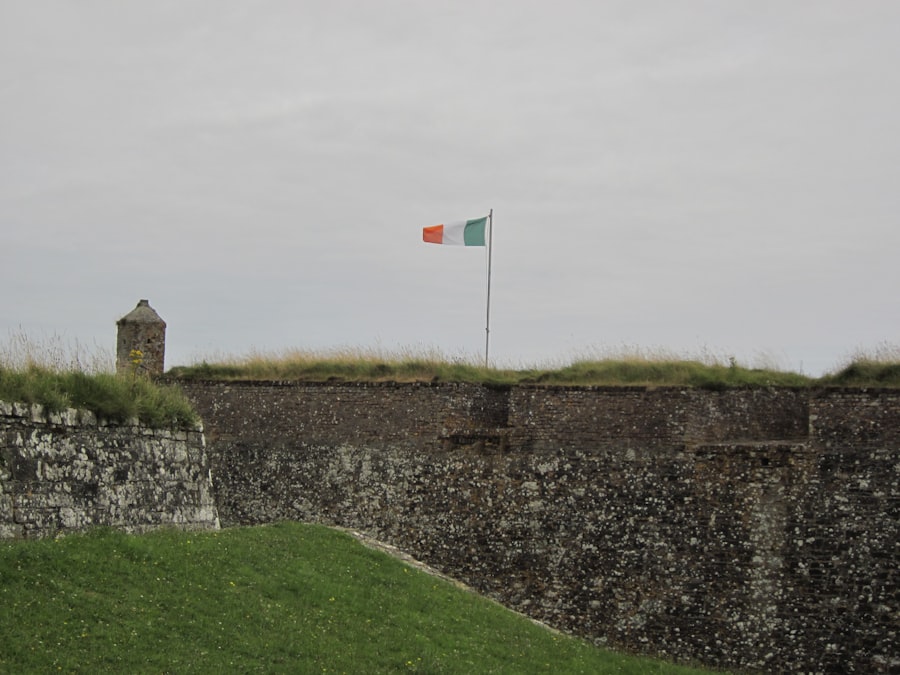
The electoral landscape has provided tangible evidence of this resurging nationalist sentiment. In the Republic of Ireland, parties advocating for a united Ireland have seen increased support in recent elections, reflecting a broader public discourse that is more willing to entertain the possibility of referendums on Irish unity. Sinn Féin, a party with historical ties to Irish republicanism, has experienced a significant surge in popularity, becoming a major political force. This electoral success indicates a broadening appeal of their core message among a wider segment of the population, extending beyond their traditional base. Beyond specific parties, there is a palpable shift in the general political discourse. Issues related to Irish unity, once confined to the fringes of political debate, are now being discussed more openly and seriously in mainstream media and political forums. This increased visibility is a crucial indicator of a changing public mood, where the idea of a united Ireland is no longer viewed as a distant or radical proposition, but as a potential future.
The Role of Civil Society and Cultural Movements
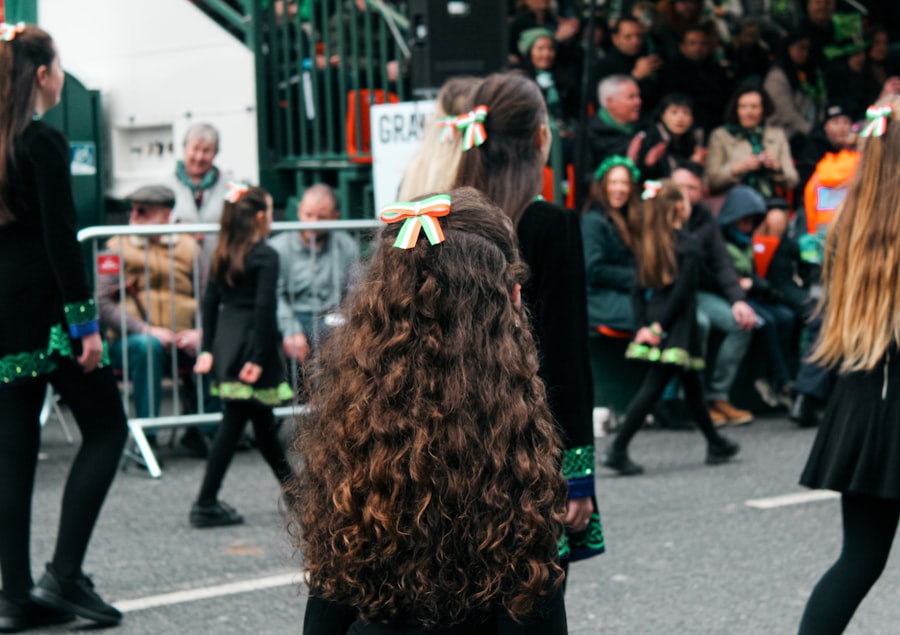
Beyond formal politics, civil society organizations and cultural movements are actively contributing to the resurgence of Irish nationalism. Groups advocating for a united Ireland are engaging in public awareness campaigns, organizing conferences, and facilitating dialogues on the practicalities and benefits of unity. These efforts are helping to shape public opinion and to frame the narrative around Irish unity in contemporary terms. Cultural expressions, such as literature, film, and music, are also reflecting this renewed interest in Irish identity and aspirations for national unity. These cultural outputs serve to reinforce and disseminate nationalist ideals, connecting with a sense of shared heritage and collective destiny. The proliferation of podcasts, online forums, and social media groups dedicated to discussing Irish unity further illustrates the grassroots engagement with this issue. These platforms allow for the dissemination of information, the organization of events, and the fostering of a sense of community among those who envision a united Ireland.
Challenges and Considerations
Navigating the Border and Economic Realities
Despite the momentum, the path towards a united Ireland is fraught with significant challenges. The practicalities of the border, both physical and economic, remain a formidable hurdle. The implications for trade, currency, and the intricate web of economic interdependence between Great Britain, Northern Ireland, and the Republic of Ireland are complex and require careful consideration. Any move towards unity would necessitate detailed planning to ensure a smooth transition and to mitigate potential economic disruptions. The economic disparities between the Republic and Northern Ireland, along with the potential costs of integrating health and social services, are also crucial considerations that must be addressed transparently and pragmatically. The financial investment required for such integration, along with the potential impact on taxation and public spending, are central to any realistic discussion about unity.
The Question of Northern Ireland’s Unionist Community
A critical aspect of any discussion on Irish nationalism is the perspective and concerns of Northern Ireland’s unionist community. For unionists, a united Ireland represents a fundamental threat to their identity, their political allegiances, and their sense of belonging. Any successful movement towards unity must actively address and allay the fears and aspirations of this significant segment of the population. The principle of consent, enshrined in the Good Friday Agreement, dictates that Northern Ireland’s constitutional status can only change with the consent of its people. Therefore, building a united Ireland is not solely about persuading nationalists but also about engaging in a meaningful and inclusive dialogue with unionists, ensuring their rights and identities are respected within any new political arrangement. This requires a long-term commitment to reconciliation and the creation of a shared future that accommodates diverse perspectives.
Irish nationalism has a rich and complex history that has shaped the identity of the nation and its people. For those interested in exploring this topic further, a related article can provide valuable insights into the various movements and figures that have influenced Irish nationalism over the years. You can read more about this fascinating subject in the article found here, which delves into the cultural and political aspects that have driven the quest for Irish independence.
The Future Landscape
| Metric | Value | Description |
|---|---|---|
| Year Founded | 1840 | Formation of the Young Ireland movement, an early nationalist group |
| Major Event | 1916 Easter Rising | Armed insurrection aimed at ending British rule in Ireland |
| Key Organization | Sinn Féin | Political party advocating for Irish independence |
| Population Supporting Nationalism (2020) | Approx. 70% | Percentage of people in the Republic of Ireland supporting nationalist ideals |
| Irish Language Speakers | 1.7 million (basic knowledge) | Number of people with some knowledge of Irish, a key cultural element of nationalism |
| Partition Year | 1921 | Year Ireland was partitioned into Northern Ireland and the Irish Free State |
| Good Friday Agreement | 1998 | Peace agreement that helped reduce conflict related to nationalism in Northern Ireland |
The Role of the European Union
The future role of the European Union in the ongoing debate surrounding Irish nationalism cannot be overstated. The Republic of Ireland’s continued membership in the EU makes it an attractive proposition for some in Northern Ireland, particularly in the context of post-Brexit uncertainties. The EU’s commitment to peace and stability on the island, as evidenced by its role in the Northern Ireland Protocol negotiations, suggests it could play a significant role in any future discussions about constitutional change. The potential for a united Ireland to remain within the EU, or to rejoin it should it ever depart, is a key factor influencing the perceived benefits of such a union. The EU’s regulatory framework and its existing economic ties with both parts of Ireland could provide a stable and predictable environment for a unified nation. The EU’s internal structures and its demonstrated commitment to cross-border cooperation offer a practical pathway for addressing some of the logistical and economic challenges of reunification.
A Gradual Evolution or a Definitive Shift?
The trajectory of Irish nationalism is, at present, a subject of ongoing observation and analysis. It is not a monolithic entity, but rather a complex and evolving phenomenon. Whether this resurgence represents a prelude to a definitive shift towards Irish unity or a more sustained period of heightened nationalist sentiment remains to be seen. The interplay of internal political dynamics, external geopolitical influences, and the continuing evolution of public opinion will ultimately shape the future landscape of the island. The journey towards potentially altering the constitutional status of Northern Ireland is akin to navigating a complex labyrinth; there are many paths, some clearer than others, and the ultimate destination is not yet definitively marked. The present moment, however, is characterized by a palpable increase in the conversation, a willingness to explore possibilities, and a quiet, determined push from various quarters towards a unified Ireland. The seeds of change have been sown, watered by historical memory and nurtured by contemporary realities, and their eventual harvest is a subject of considerable interest and speculation.
FAQs
What is Irish nationalism?
Irish nationalism is a political and cultural movement that advocates for the self-determination and independence of Ireland from British rule. It emphasizes the promotion of Irish identity, culture, and sovereignty.
When did Irish nationalism begin?
Irish nationalism has roots dating back to the late 18th century, with significant developments occurring during the 19th century, particularly after the Act of Union in 1801, which merged the Kingdom of Ireland and the Kingdom of Great Britain.
What were some key events in the history of Irish nationalism?
Key events include the 1798 Rebellion, the Great Famine’s impact on nationalist sentiment, the Home Rule movement in the late 19th and early 20th centuries, the Easter Rising of 1916, the Irish War of Independence (1919-1921), and the subsequent establishment of the Irish Free State in 1922.
Who are some notable figures associated with Irish nationalism?
Notable figures include Daniel O’Connell, known as “The Liberator” for his campaign for Catholic emancipation; Charles Stewart Parnell, a leader of the Home Rule movement; Patrick Pearse and James Connolly, leaders of the Easter Rising; and Michael Collins, a key figure in the War of Independence.
What is the current status of Irish nationalism?
Today, Irish nationalism continues to influence politics, particularly in Northern Ireland, where issues of national identity and sovereignty remain significant. The Good Friday Agreement of 1998 helped establish peace and political cooperation, but debates about Irish unity and nationalism persist.