
You embark on a journey that takes you to the heart of the Aegean, a realm where history and natural beauty intertwine to create an unparalleled tapestry of experiences. The Greek Islands, an archipelago of over 200 inhabited landmasses, offer a diversity that caters to every inclination, from the ardent historian to the intrepid adventurer. As you navigate this maritime labyrinth, you will discover that each island possesses a unique character, a distinctive narrative etched into its landscapes and perpetuated by its people. Your exploration will be a mosaic of ancient ruins, cerulean waters, and sun-drenched settlements, a testament to a civilization that has profoundly influenced the Western world.
When you envision the quintessential Greek Island experience, your mind likely conjures images of the Cyclades. This cluster of islands, situated in the central Aegean Sea, is characterized by its iconic architecture: whitewashed cubic houses, often adorned with vibrant blue trimmings, cascading down steep hillsides towards the shimmering sea. The very name, Cyclades, alludes to their circular formation around the sacred island of Delos, an ancient spiritual and political center.
Santorini: The Volcanic Masterpiece
Your visit to Santorini, or Thira as it is known locally, is an encounter with a geological marvel. The island is the remnant of a colossal volcanic eruption that occurred around 1600 BC, an event that profoundly shaped its dramatic landscape.
The Caldera and Oia’s Sunsets
As you stand on the rim of the caldera, the submerged volcanic crater, you are afforded a panoramic vista unlike any other. The sheer cliffs, a testament to the island’s violent past, plunge into the deep blue waters, while perched atop them, the towns of Fira and Oia cling precariously. Witnessing a sunset from Oia is often described as an almost spiritual experience. The sun’s descent into the Aegean paints the sky in hues of orange, pink, and purple, reflecting off the whitewashed buildings, creating a spectacle that draws visitors from across the globe. You will find yourself joining a collective gasp as the last sliver of the sun dips below the horizon, leaving a lingering warmth in its wake.
Akrotiri: The Buried City
Your journey into Santorini’s past will lead you to Akrotiri, often dubbed the “Minoan Pompeii.” This ancient city, well-preserved by volcanic ash, offers a remarkable glimpse into a sophisticated Bronze Age civilization. As you walk through its excavated streets and peer into multi-storey buildings, you are tracing the footsteps of people who lived over 3,500 years ago. The intricate frescoes, the well-planned urban layout, and the advanced plumbing systems speak volumes about the ingenuity of its inhabitants. You are witnessing a snapshot of daily life frozen in time, a silent narrative waiting to be deciphered.
Mykonos: The Island of Winds and Cosmopolitan Charm
Mykonos, while also part of the Cyclades, offers a distinct experience. Known for its vibrant nightlife, picturesque windmills, and sophisticated atmosphere, it attracts a diverse international crowd.
Chora’s Labyrinthine Alleys
Wander through the narrow, winding alleys of Chora, Mykonos’ main town, and you will find yourself navigating a delightful labyrinth. These streets, deliberately designed to confuse pirates in centuries past, now lead you past chic boutiques, art galleries, and traditional tavernas. The whitewashed buildings, adorned with bougainvillea, create a charming backdrop for your exploration. You might stumble upon a hidden square or a picturesque chapel, each turn revealing a new facet of the town’s character.
Delos: The Sacred Island
A short boat trip from Mykonos takes you to Delos, a UNESCO World Heritage site and one of the most important archaeological sites in Greece. According to mythology, it is the birthplace of Apollo and Artemis, making it a sacred island for the ancient Greeks. As you explore the ruins, including the Terrace of the Lions, the House of Dionysus, and the impressive ancient theatre, you are walking on ground that was once the spiritual and commercial heart of the Aegean. You are stepping into a testament to a bygone era of immense power and religious significance.
If you’re looking to explore the stunning beauty and rich history of the Greek islands, you might find this article on the best islands to visit quite informative. It highlights various destinations, activities, and tips for travelers seeking to experience the unique charm of Greece. For more insights, check out the article here: Best Greek Islands to Visit.
The Ionian Islands: A Verdant Tapestry
Shifting your gaze westward, you encounter the Ionian Islands, a chain distinct from their Aegean counterparts due to their lush greenery, influenced by a more abundant rainfall. These islands, with their Venetian, French, and British architectural influences, offer a different aesthetic, often characterized by pastel-colored buildings and fertile landscapes.
Corfu: The Emerald Isle of the Ionian
Corfu, the northernmost and second-largest of the Ionian Islands, is a jewel box of natural beauty and historical depth. Its verdant interior, adorned with olive groves and cypress trees, gives way to dramatic coastlines and crystal-clear waters.
Corfu Town: A UNESCO World Heritage Site
Your exploration of Corfu will inevitably lead you to Corfu Town, a UNESCO World Heritage site that exudes an undeniable elegance. The town’s architecture is a testament to centuries of foreign rule, particularly Venetian. As you stroll through the Liston, a grand arcaded promenade reminiscent of Paris’s Rue de Rivoli, you feel the echoes of past imperial splendor. The Old Fortress and the New Fortress, formidable structures that once protected the island from invaders, offer panoramic views of the town and the shimmering Ionian Sea. You are witnessing a living museum, where every building tells a story of cultural amalgamation.
Achilleion Palace: Empress Sisi’s Retreat
A short drive from Corfu Town will bring you to the Achilleion Palace, a magnificent neoclassical villa built for Empress Elisabeth of Austria, famously known as Sisi. The palace, with its stunning gardens and statues inspired by Greek mythology, particularly Achilles, provides a glimpse into the lavish lifestyle of European royalty. As you wander through its opulent rooms and manicured grounds, you can almost envision the melancholic empress seeking solace and inspiration amidst the beauty of Corfu. You are stepping into a personal sanctuary, a architectural expression of a royal’s inner world.
Zakynthos: The Island of Shipwrecks and Turtles
Zakynthos, also known as Zante, is celebrated for its dramatic landscapes, particularly its iconic Navagio (Shipwreck) Beach, and its significant role as a nesting ground for loggerhead sea turtles.
Navagio Beach: A Postcard-Perfect Locale
You will undoubtedly be drawn to Navagio Beach, perhaps the most photographed beach in Greece. Accessible only by boat, this sheltered cove with its dazzling white pebbles and turquoise waters is dominated by the rusting hull of a shipwreck. The sheer cliffs that embrace the cove elevate its dramatic beauty, creating a scene that transcends mere scenery. You will feel a sense of awe as you approach this iconic landmark, understanding why it has become a symbol of Greek island allure.
Blue Caves: A Chromatic Spectacle
Embarking on a boat trip to the Blue Caves along Zakynthos’ northwestern coast is an experience of pure visual delight. These series of natural sea caves are renowned for the vivid blue hue that the sunlight creates as it reflects off the water and onto the cave walls. As your boat glides through these iridescent caverns, you are enveloped in a surreal, ever-changing spectrum of blues, a natural phenomenon that feels almost otherworldly. You are witnessing a painter’s palette come to life, a testament to the ocean’s artistry.
The Dodecanese Islands: Echoes of the Crusades
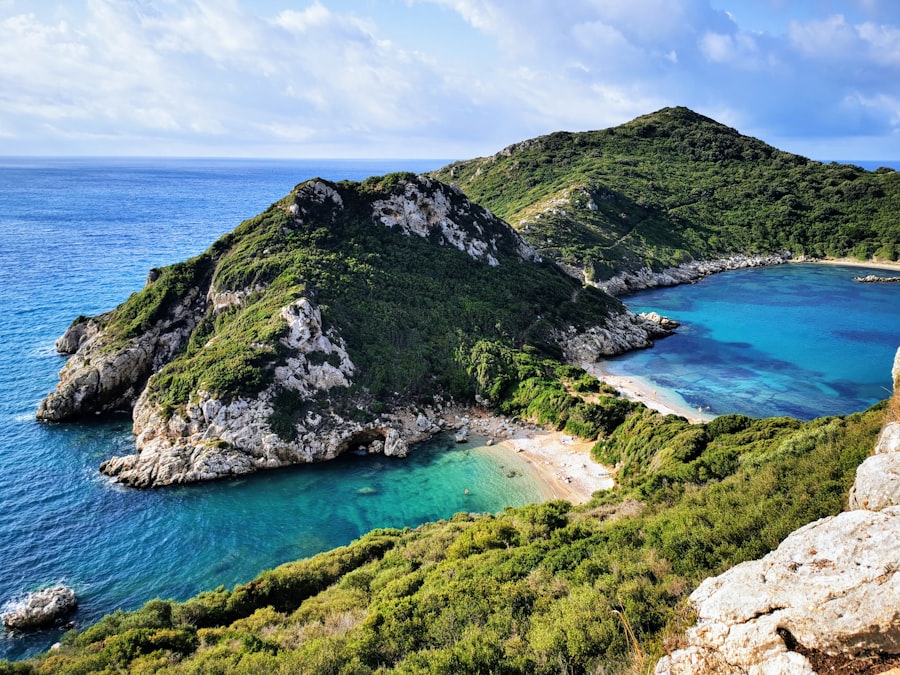
Moving towards the southeastern Aegean, you encounter the Dodecanese, a group of islands with a rich and complex history. The name, meaning “twelve islands,” refers to the larger islands in the archipelago, though there are many smaller ones. These islands bear the indelible marks of various occupiers, including the Knights of St. John, Ottomans, and Italians, each leaving their architectural and cultural legacies.
Rhodes: The Island of the Knights
Rhodes, the largest of the Dodecanese, is a captivating blend of medieval grandeur and sun-drenched beaches. Its strategic location made it a crucial stronghold throughout history.
Rhodes Old Town: A UNESCO Medieval Masterpiece
Your visit to Rhodes will be dominated by its magnificent medieval Old Town, a UNESCO World Heritage site and one of the best-preserved medieval cities in Europe. Encircled by imposing walls, the Old Town is a labyrinth of cobblestone streets, Gothic architecture, and ancient churches. As you walk along the Street of the Knights, you are retracing the steps of the Knights of St. John, whose presence shaped the island for centuries. The Palace of the Grand Master, a formidable and awe-inspiring structure, stands as a testament to their power and influence. You are stepping back in time, into a living chronicle of chivalry and siege.
Lindos: Acropolis and Whitewashed Charm
A drive along the southeastern coast will lead you to Lindos, a picturesque village dominated by its ancient acropolis. Perched high on a cliff overlooking the Aegean, the Acropolis of Lindos features ruins from various periods, including the Temple of Athena Lindia and a Byzantine church. Below, the village itself is a charming collection of whitewashed houses, narrow alleys, and traditional tavernas. As you climb the zigzagging path to the acropolis, often on foot or by donkey, you are rewarded with breathtaking views of the surrounding coastline and St. Paul’s Bay below. You are experiencing a harmonious blend of ancient majesty and idyllic village life.
Patmos: The Holy Island of the Apocalypse
Patmos, a smaller island in the Dodecanese, holds immense religious significance for Christians worldwide, particularly due to its association with St. John the Apostle.
The Monastery of Saint John the Theologian
Your visit to Patmos will invariably center around the Monastery of Saint John the Theologian. This imposing fortified monastery, a UNESCO World Heritage site, dominates the island’s skyline. Built in the 11th century, it houses invaluable relics, icons, and ancient manuscripts. As you explore its chapels and courtyards, you feel a palpable sense of history and spiritual devotion. The panoramic views from its ramparts offer a breathtaking perspective of the island and the surrounding Aegean. You are entering a sanctuary of faith and a repository of centuries of spiritual heritage.
The Cave of the Apocalypse
Below the monastery, nestled on the hillside, is the Cave of the Apocalypse. It is here, according to Christian tradition, that St. John received his visions and dictated the Book of Revelation. The cave, now a revered pilgrimage site, contains the rock on which St. John is said to have rested his head and the fissures from which the voice of God is believed to have emanated. As you stand within this sacred space, you are connecting with a pivotal moment in religious history, a place where divine inspiration is believed to have manifested.
The North Aegean Islands: Untamed Beauty and Local Flavors
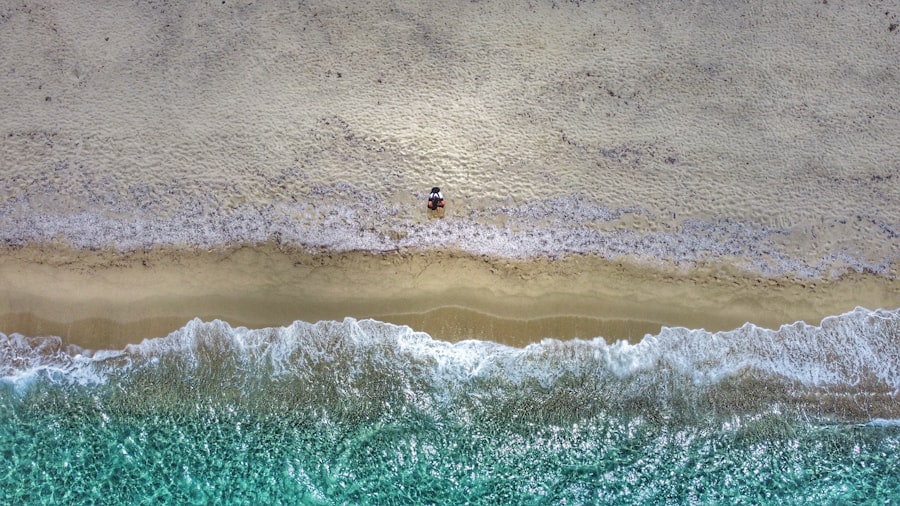
Venture further north and east, and you will discover the North Aegean Islands, a cluster often overlooked by mainstream tourism, offering a more authentic and unhurried Greek experience. These islands are characterized by their rugged landscapes, dense forests, and a strong sense of local culture and tradition.
Lesbos: The Island of Sappho and Ouzo
Lesbos, or Mytilene, is the third-largest Greek island and a land of diverse landscapes, from olive groves and pine forests to volcanic rock formations. It is also renowned for its literary heritage and its production of ouzo.
Mytilene Town: A Venetian and Ottoman Legacy
Your arrival in Mytilene, the island’s capital, reveals a city with a rich history reflected in its architecture. The remnants of a Byzantine castle, the Ottoman mosques, and the neoclassical mansions lining the waterfront speak of a past where various cultures converged. The bustling port and vibrant markets offer a glimpse into the daily life of the islanders. You are encountering a living history, where layers of civilizations are visible in the urban fabric.
The Petrified Forest of Lesbos
A truly unique natural phenomenon awaits you at the Petrified Forest of Lesbos, a UNESCO Global Geopark. This ancient forest, formed approximately 15 to 20 million years ago, was petrified by volcanic ash. As you walk among the fossilized tree trunks, some standing tall like ancient sentinels, you are witnessing a profound testament to geological time. The intricate details of the wood, preserved over millions of years, offer a humbling perspective on the Earth’s history. You are immersing yourself in a silent chronicle written by volcanic forces.
Samos: The Island of Pythagoras and Sweet Wine
Samos, an island of lush valleys, vineyards, and mountainous terrain, is known as the birthplace of the mathematician Pythagoras and for its renowned sweet Muscat wine.
The Heraion of Samos: Birthplace of Hera
Your historical journey on Samos will lead you to the Heraion of Samos, a UNESCO World Heritage site. This ancient sanctuary was dedicated to the goddess Hera, who, according to myth, was born here. While only one column of the colossal temple still stands, the site allows you to grasp the immense scale and religious significance of this ancient cult center. You are tracing the vestiges of a monumental structure dedicated to one of the most important Olympian deities, a place of immense spiritual power in antiquity.
The Tunnel of Eupalinos: Ancient Engineering Marvel
A testament to ancient Greek engineering prowess is the Tunnel of Eupalinos, an aqueduct built in the 6th century BC to supply water to the ancient capital of Samos. This remarkable feat of engineering involved digging from both ends simultaneously, meeting in the middle with an astonishing degree of accuracy. As you walk through a portion of this ancient tunnel, you are marveling at the ingenuity and determination of a civilization that pushed the boundaries of technological capability. You are experiencing a tangible link to the brilliance of ancient Greek problem-solving.
The enchanting beauty of the Greek islands has captivated travelers for centuries, offering a unique blend of stunning landscapes, rich history, and vibrant culture. For those looking to explore more about these idyllic destinations, a related article can provide valuable insights and tips for planning the perfect getaway. You can read more about the hidden gems and must-visit spots in this fascinating region by checking out this informative article. Whether you’re seeking relaxation on pristine beaches or adventure through ancient ruins, the Greek islands promise an unforgettable experience.
Crete: The Cradle of Minoan Civilization
| Island | Region | Area (km²) | Population | Main Attraction |
|---|---|---|---|---|
| Crete | Southern Aegean | 8,336 | 634,930 | Palace of Knossos |
| Rhodes | Dodecanese | 1,401 | 115,490 | Medieval Old Town |
| Mykonos | Cyclades | 85.5 | 10,134 | Beaches and Nightlife |
| Corfu | Ionian Islands | 593 | 102,071 | Old Fortress |
| Santorini | Cyclades | 76.2 | 15,550 | Caldera Views |
| Zakynthos | Ionian Islands | 405.5 | 40,759 | Navagio Beach |
At the southern edge of the Aegean, you encounter Crete, the largest of the Greek islands and a land brimming with ancient history, dramatic landscapes, and a distinct culture. It is here that the sophisticated Minoan civilization flourished, often considered the first major European civilization.
Knossos: The Heart of Minoan Power
Your exploration of Crete will undoubtedly begin at the Palace of Knossos, the ceremonial and political center of Minoan civilization. While partially reconstructed by Arthur Evans, the site still offers a profound glimpse into a fascinating Bronze Age culture.
The Palace Complex and Frescoes
As you wander through the labyrinthine ruins of Knossos, you can imagine the vibrant life that once pulsed within its walls. The complex, with its multi-storey buildings, grand staircases, and intricate drainage systems, speaks of an advanced society. The vibrant frescoes, such as the famous “Bull-Leaping” fresco, depict scenes of ritual, daily life, and the islanders’ deep connection to the natural world. You are stepping into the tangible remnants of an ancient power, a civilization that left an indelible mark on European history.
Archaeological Museum of Heraklion
To fully appreciate the treasures unearthed at Knossos and other Minoan sites across Crete, a visit to the Archaeological Museum of Heraklion is essential. This museum houses an unparalleled collection of Minoan artifacts, including pottery, jewelry, and figurines, offering a comprehensive overview of their artistry and beliefs. From the enigmatic Phaistos Disc to delicate gold ornaments, you are exposed to a rich tapestry of a sophisticated culture. You are examining the artifacts that breathe life into the narratives of the Minoans, showcasing their artistic prowess and cultural depth.
Samaria Gorge: A Natural Spectacle
Beyond its ancient past, Crete offers spectacular natural beauty. The Samaria Gorge, one of the longest canyons in Europe, presents an unparalleled hiking experience.
The Hike and Flora
Embarking on the hike through the Samaria Gorge is a journey into the heart of Crete’s wilderness. You will descend from the Omalos plateau into a dramatic chasm, traversing diverse landscapes that include dense forests and stark rock formations. The route takes you past a wealth of unique flora and fauna, some endemic to Crete. The towering cliffs, known as the “Iron Gates” at their narrowest point, stand as monumental sentinels guarding the gorge. You are experiencing a challenge and a reward, a physical trek that unveils breathtaking natural grandeur.
Agia Roumeli: Coastal Retreat
Upon completing your descent through the gorge, you emerge at Agia Roumeli, a small village on the Libyan Sea, accessible only by foot or boat. This secluded spot offers a well-deserved opportunity to refresh yourself in the clear waters and enjoy a meal at one of the seaside tavernas. The tranquility of this remote village, juxtaposed with the arduous journey through the gorge, provides a perfect respite, a feeling of accomplishment amidst serene beauty. You are enjoying the fruits of your labor, surrounded by the peaceful embrace of the sea.
As your exploration of the Greek Islands concludes, you will carry with you a mosaic of memories: the dazzling white and blue of the Cyclades, the lush greenery of the Ionians, the medieval grandeur of the Dodecanese, the untamed spirit of the North Aegean, and the ancient echoes of Crete. Each island, a distinct pearl in the Aegean’s necklace, has offered you a unique perspective, a different narrative in the grand epic of Greece. You have not merely visited these places; you have engaged with their history, their nature, and their spirit, leaving an indelible mark on your understanding of this remarkable corner of the world.
FAQs
What are the most popular Greek islands to visit?
The most popular Greek islands include Santorini, Mykonos, Crete, Rhodes, and Corfu. Each offers unique landscapes, historical sites, and vibrant local culture.
When is the best time to visit the Greek islands?
The best time to visit the Greek islands is during the late spring (May and June) and early autumn (September and October) when the weather is pleasant, and the tourist crowds are smaller.
How can I travel between the Greek islands?
Travel between Greek islands is commonly done by ferry services, which connect most islands. There are also domestic flights available between some of the larger islands.
What activities are popular on the Greek islands?
Popular activities include beach relaxation, water sports, hiking, exploring ancient ruins, visiting traditional villages, and enjoying local cuisine and festivals.
Are the Greek islands family-friendly destinations?
Yes, many Greek islands are family-friendly, offering safe beaches, family-oriented accommodations, and activities suitable for children of all ages. Islands like Crete and Rhodes are particularly known for being family-friendly.