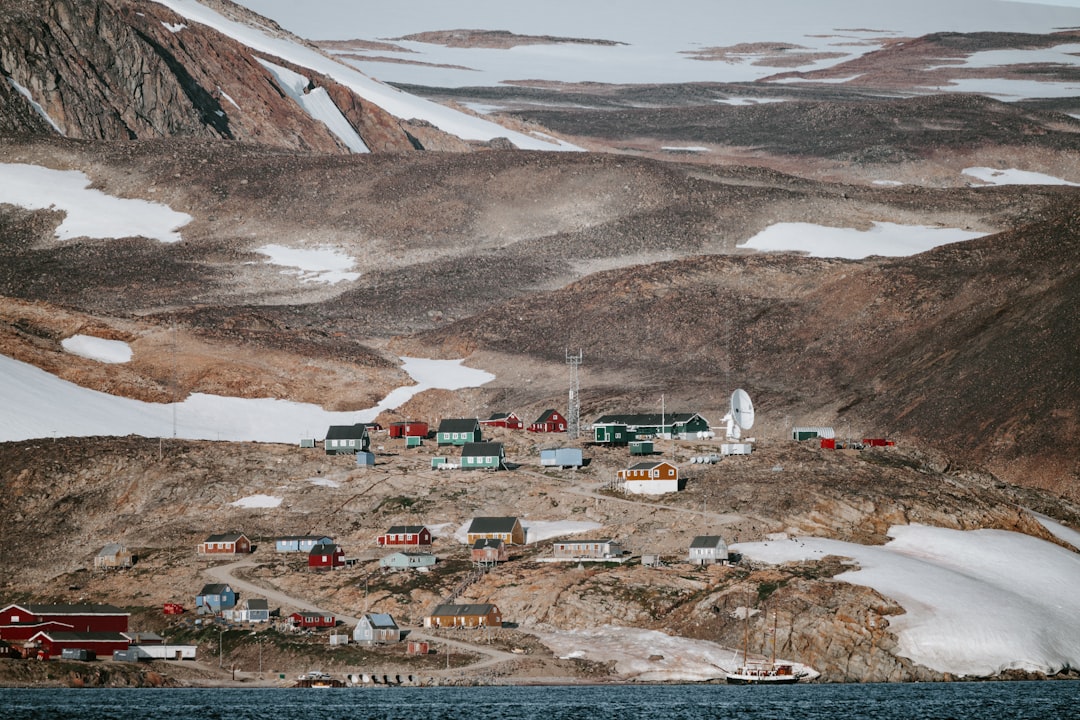
Greenland, a semi-autonomous territory within the Kingdom of Denmark, stands at a pivotal juncture in its economic development. Its vast, pristine landscape, long dominated by fishing and an economy heavily subsidized by Denmark, is increasingly becoming the focus of global attention due to its substantial, largely untapped mineral reserves. This burgeoning mining industry presents a complex tapestry of opportunities for economic diversification and sovereignty, interwoven with significant environmental, social, and political challenges. As the Arctic ice recedes, a window of accessibility, once permanently sealed, is progressively opening, revealing a geological treasure trove beneath.
Greenland’s geological endowment is a primary driver behind its mining ambitions. The Precambrian shield, forming the bedrock of much of the island, is known to host a diverse array of valuable minerals. These include rare earth elements (REEs), uranium, iron ore, zinc, lead, and gold, among others. The sheer scale and potential grade of these deposits are attracting considerable interest from international mining companies.
Strategic Minerals for the 21st Century
The global demand for strategic minerals, particularly rare earth elements, is a significant catalyst for Greenland’s mining aspirations. REEs are indispensable for modern technologies, from electric vehicles and wind turbines to consumer electronics and defense systems. China currently dominates the global REE supply chain, making the prospect of alternative sources, particularly in geopolitically stable regions, highly attractive to Western nations.
Diversifying a Monolithic Economy
For decades, Greenland’s economy has been heavily reliant on fishing, primarily for shrimp and halibut, and substantial block grants from Denmark. This economic structure, while providing stability, has limited opportunities for growth and self-sufficiency. Mining offers a potential pathway to economic diversification, creating new industries, employment opportunities, and revenue streams, thereby reducing dependence on Danish subsidies and fostering greater autonomy.
Investment and Infrastructure Needs
The development of a robust mining sector in Greenland necessitates substantial foreign direct investment. The remote and harsh Arctic environment presents significant logistical challenges, requiring considerable investment in infrastructure – ports, roads, airports, and power generation – to support mining operations and facilitate the export of concentrates.
The mining industry in Greenland has been a topic of increasing interest due to its vast mineral resources and the potential for economic development. An insightful article that delves into the challenges and opportunities facing this sector can be found at this link. It discusses the environmental concerns, regulatory frameworks, and the impact of climate change on mining operations, providing a comprehensive overview of the current landscape in Greenland’s mining industry.
Navigating Environmental Sensitivities
The pursuit of mineral wealth in Greenland is inextricably linked with profound environmental considerations. The Arctic ecosystem is fragile and highly susceptible to disruption, making careful planning and stringent environmental regulations paramount. The specter of past environmental damage from mining operations globally serves as a cautionary tale.
Climate Change and Melting Ice
Paradoxically, the very phenomenon that is making Greenland’s minerals more accessible – climate change and the receding ice sheet – also amplifies the environmental risks associated with mining. Permafrost thaw can destabilize infrastructure and release greenhouse gases. The melting ice contributes to sea-level rise and alters marine ecosystems, further compounding the complexity of environmental management.
Protecting Pristine Ecosystems
Greenland’s landscapes are renowned for their raw, untouched beauty and unique biodiversity. Industrial-scale mining operations, with their associated infrastructure, waste rock dumps, and tailings ponds, have the potential to scar these pristine environments. The mitigation of dust, noise, and water pollution, particularly in sensitive areas, requires advanced technological solutions and rigorous monitoring.
Indigenous Livelihoods and Ecological Footprint
Many indigenous Greenlandic communities rely on traditional hunting, fishing, and foraging for their livelihoods, activities that are intrinsically tied to the health of the natural environment. Mining projects must carefully consider their ecological footprint and potential impact on these traditional practices, ensuring that local communities are consulted and their rights respected. The integration of local knowledge into environmental impact assessments is crucial for understanding baseline conditions and potential vulnerabilities.
Social and Cultural Implications
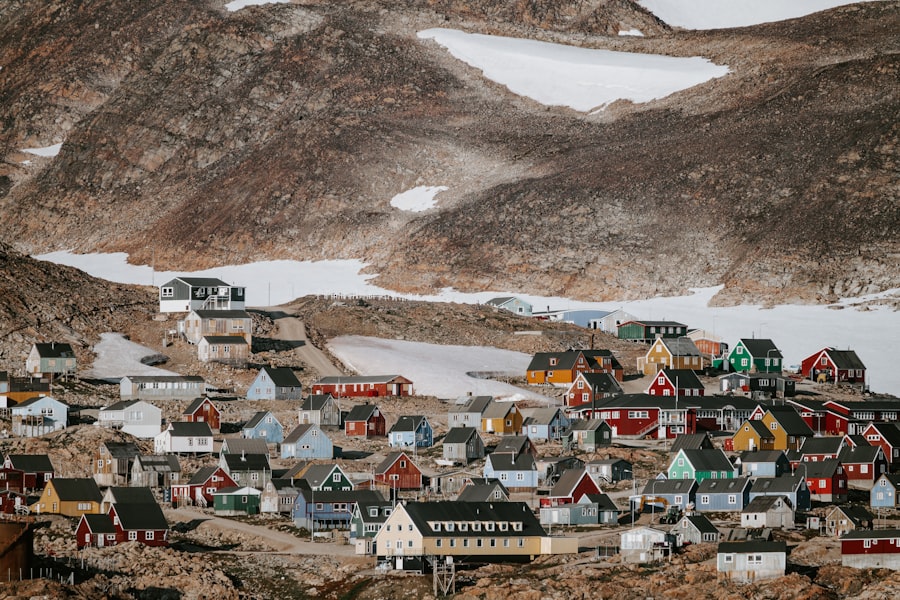
Beyond the purely environmental, the rapid expansion of a mining industry in Greenland carries significant social and cultural implications for its relatively small and close-knit population. The introduction of large-scale industrial activities can fundamentally alter community dynamics.
Employment and Skills Development
While mining promises job creation, there is a legitimate concern about whether the local workforce possesses the necessary skills and training for specialized mining roles. Foreign workers may be required, potentially leading to social integration challenges and competition for jobs. Investment in education and vocational training programs for Greenlanders is therefore essential to ensure genuine local benefit.
Influx of Foreign Workers and Social Cohesion
Large-scale mining projects often involve the influx of transient foreign workers, which can strain local infrastructure, housing, and social services. Careful planning is required to mitigate potential social tensions and ensure that communities benefit rather than bear the brunt of unintended consequences. The maintenance of social cohesion and cultural identity in the face of rapid industrialization is a delicate balancing act.
Land Use Conflicts and Community Consultation
Mining projects inevitably involve land use changes. Ensuring fair and transparent processes for land acquisition, compensation, and ongoing community consultation is vital. The perception of procedural justice is as important as the actual outcomes. Communities must feel heard and have a genuine say in decisions that affect their ancestral lands and way of life.
Navigating the Political and Regulatory Landscape
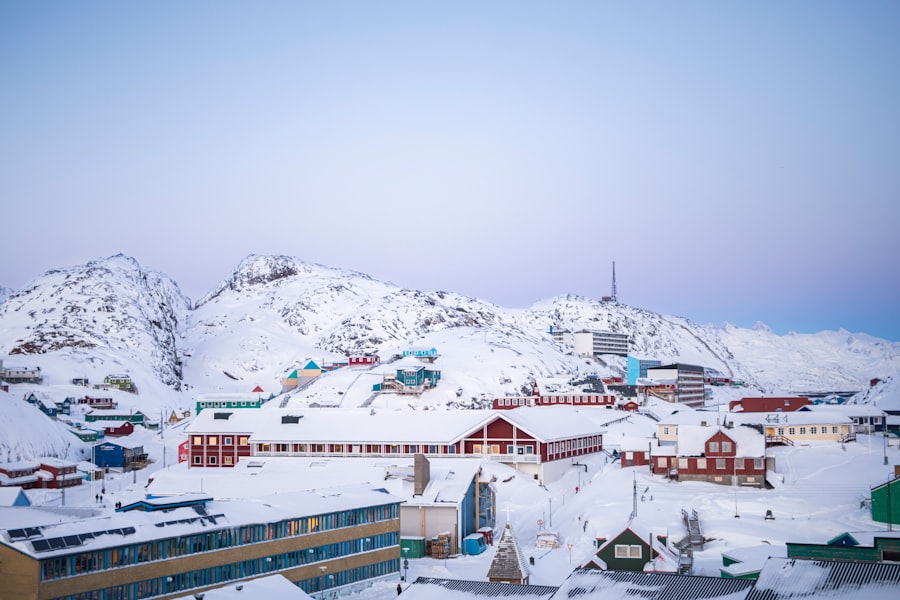
The political and regulatory framework governing Greenland’s mining sector is a critical determinant of its success and sustainability. The intricate relationship between Greenland and Denmark, and the nuances of self-governance, create a unique operational environment for mining companies.
Self-Government and Resource Control
Greenland’s Self-Government Act of 2009 grants the island significant control over its natural resources, including mineral rights. This means that decisions regarding exploration, licensing, and taxation are made by the Greenlandic government, providing a powerful lever for influencing the industry’s development trajectory. This autonomy, while empowering, also places a heavy responsibility on Greenland’s political institutions to develop robust and transparent regulatory frameworks.
Robust Regulatory Frameworks
Developing and enforcing comprehensive and transparent regulatory frameworks is paramount. These frameworks must cover all aspects of mining, from exploration and environmental impact assessment to operational safety, waste management, and mine closure and rehabilitation. Robust regulations, consistently applied, instill confidence in investors and protect the environment and local communities.
Revenue Sharing and Benefit Distribution
A critical aspect of political stability and social acceptance for mining projects lies in the equitable distribution of benefits. Governments must design effective revenue-sharing mechanisms that ensure a significant portion of mining profits flows back to Greenlandic society, funding public services, education, and economic diversification initiatives. The challenge lies in managing expectations and establishing transparent mechanisms that are understood and trusted by the populace.
Geopolitical Considerations
The strategic importance of certain minerals, particularly rare earths, has drawn geopolitical interest to Greenland. Major global powers, including the United States, China, and the European Union, are keen to secure reliable access to these resources. This geopolitical dimension adds another layer of complexity to Greenland’s mining ambitions, as the island navigates international alliances and potential pressures.
The mining industry in Greenland has been a topic of increasing interest due to its rich natural resources and the potential for economic development. Recent discussions have highlighted the environmental concerns associated with mining practices in this fragile ecosystem. For a deeper understanding of the complexities surrounding this issue, you can read a related article that explores the various impacts of mining in the region. This insightful piece can be found here.
The Path Forward: Balancing Aspiration with Prudence
| Metric | Value | Unit | Year |
|---|---|---|---|
| Number of Active Mines | 3 | mines | 2023 |
| Major Minerals Extracted | Iron ore, Zinc, Rare earth elements | – | 2023 |
| Annual Mineral Production | 1.2 | million tonnes | 2023 |
| Mining Industry Contribution to GDP | 5.5 | percent | 2023 |
| Employment in Mining Sector | 450 | persons | 2023 |
| Exploration Licenses Issued | 12 | licenses | 2023 |
| Estimated Mineral Reserves | 50 | million tonnes | 2023 |
Greenland’s mining industry, while embryonic, holds immense potential to transform the nation’s economic landscape. The opportunities for wealth creation, job generation, and enhanced self-sufficiency are compelling. However, this transformative journey is fraught with challenges, acting as a crucible where economic aspirations meet environmental imperatives and social responsibilities.
Sustainable Development as a Guiding Principle
The overarching principle guiding Greenland’s mining foray must be sustainable development. This involves striking a delicate balance between economic exploitation of resources, environmental protection, and social equity. It requires long-term planning, foresight, and a commitment to intergenerational justice. The “triple bottom line” of people, planet, and profit must be integrated into every decision.
Fostering Transparency and Good Governance
For the mining sector to truly benefit Greenland, transparency and good governance are non-negotiable. This includes clear legal frameworks, open access to information, independent oversight, and robust anti-corruption measures. Transparency builds public trust and helps to ensure that benefits are distributed fairly and that environmental and social standards are upheld.
Investing in Human Capital and Local Capacity
Ultimately, the success of Greenland’s mining ambitions will depend on its ability to develop its human capital and local capacity. This means investing heavily in education, vocational training, and research to ensure that Greenlanders are equipped to participate meaningfully in all aspects of the industry, from technical roles to policy-making and oversight. It is about empowering Greenlanders to be the architects of their own future.
Strategic Partnerships and International Cooperation
Given the scale of the undertaking, strategic partnerships with experienced international mining companies and collaborative efforts with other Arctic nations can provide valuable expertise, technology, and capital. However, these partnerships must be structured to ensure that Greenland’s national interests are prioritized and that the benefits accrue primarily to its people.
In conclusion, Greenland stands on the cusp of a new era, with its mineral wealth serving as a potential engine for profound change. The journey ahead, however, is not a simple linear path to prosperity. It is a winding road, requiring careful navigation through a dense forest of environmental risks, social complexities, political intricacies, and economic opportunities. By embracing sustainable practices, fostering robust governance, and prioritizing the well-being of its people and environment, Greenland can harness its geological endowment to build a more diversified, prosperous, and self-reliant future. The world watches with great interest.
FAQs
What minerals are commonly mined in Greenland?
Greenland is known for its deposits of minerals such as zinc, lead, gold, iron ore, rare earth elements, and uranium. The island’s geology offers significant potential for various mining activities.
How does the mining industry impact Greenland’s economy?
Mining is a growing sector in Greenland’s economy, providing employment opportunities and contributing to government revenues. It plays a key role in diversifying the economy beyond fishing and public services.
What environmental concerns are associated with mining in Greenland?
Mining activities in Greenland raise concerns about potential impacts on fragile Arctic ecosystems, including habitat disruption, pollution, and effects on local wildlife. Strict regulations and environmental assessments are required to mitigate these risks.
Who regulates mining operations in Greenland?
The Greenland government, through its Mineral Resources Authority, oversees mining activities. It enforces regulations, issues permits, and ensures compliance with environmental and safety standards.
What challenges does the mining industry face in Greenland?
Challenges include harsh Arctic climate conditions, remote locations, limited infrastructure, and the need to balance economic development with environmental protection and indigenous community interests.