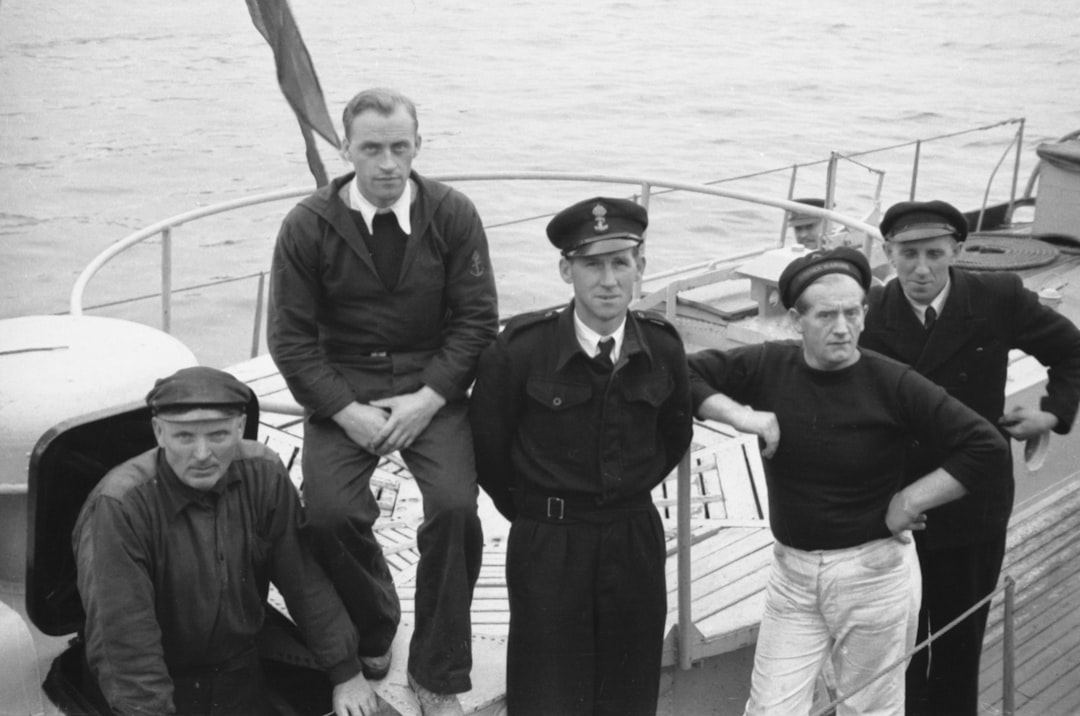
The maritime world, a realm of profound challenges and untold opportunities, has long depended on the wisdom and experience of its instructors. Beyond the prosaic reality of modern maritime education, there exists a mythical cadre, the “Seven Sages of the Sea.” These legendary figures, their stories woven into the very fabric of nautical lore, represent the pinnacle of maritime instruction, embodying the multifaceted disciplines required to navigate the world’s oceans. While their existence is primarily confined to allegory and the collective unconscious of seafarers, their influence on the ideals of maritime training remains undeniable.
The concept of the “Seven Sages” is not unique to maritime tradition. Ancient Greece, for instance, boasted its own group of wise men, whose maxims guided their society. Similarly, the Seven Sages of the Sea emerged from a perceived need to encapsulate the diverse, intricate knowledge required to master the maritime domain. They serve as an archetypal representation of the ideal maritime instructor, exhibiting not merely technical prowess but also profound ethical grounding and an unwavering commitment to the holistic development of their students. Their genesis can be traced to the inherent dangers and complexities of the sea, which demand an elevated standard of mentorship.
The Human Element and the Machine
Navigating the transition from sail to steam, and now to increasingly automated vessels, highlights the perennial tension between human skill and technological advancement. The Sages, metaphorically speaking, bridged this chasm. They understood that while machines could perform calculations and execute commands, the human element—judgment, adaptability, leadership—remained paramount. Their teachings, therefore, consistently emphasized the symbiotic relationship between human ingenuity and mechanical precision, a lesson as vital today as it ever was.
The Oral Tradition and Written Word
Before formalized academies and internationally recognized certifications, maritime knowledge was primarily transmitted through an oral tradition. Seasoned mariners, effectively the earliest Sages, imparted their wisdom directly to their apprentices. The advent of written charts, pilot books, and later, comprehensive textbooks, marked a significant evolution. The Sages are often depicted as those who skillfully integrated both methodologies, understanding the value of direct experience and the necessity of codified knowledge. They are the conduits, ensuring that ancient wisdom meets contemporary understanding.
The myth surrounding the Seven Sages of Greece often intertwines with various aspects of education and wisdom, including the realm of maritime instruction. A related article that delves into the significance of these ancient figures in modern teaching practices, particularly in maritime contexts, can be found at this link: Seven Sages and Maritime Instruction. This article explores how the teachings of the Seven Sages can inspire contemporary maritime instructors to cultivate wisdom and critical thinking in their students.
The Archetypal Roles of the Seven Sages
Each of the Seven Sages embodies a distinct, yet interconnected, domain of maritime expertise. They are not individuals in the conventional sense, but rather personifications of crucial instructional principles. Understanding their individual attributes is key to grasping the breadth of effective maritime education.
Chronos, The Sage of Seamanship
Chronos, not to be confused with the Greek god of time, represents the master of practical seamanship. His lessons are not theoretical but visceral, etched into the very core of maritime practice. He embodies the art of knowing how to handle a vessel in all conditions, from the gentlest breeze to the most ferocious tempest.
The Art of Knot Tying
The seemingly simple act of tying a knot, under Chronos’s tutelage, becomes a profound exercise in precision, strength, and adaptability. Each knot, he teaches, has a purpose, a signature, and its correct application can be the difference between safety and disaster. It is the practical language of the sea.
Weather Lore and Observation
Beyond meteorological instruments, Chronos imparts the ancient wisdom of observing the sky, the sea, and the subtle changes in the atmosphere. He teaches that the true mariner reads the weather not just from a screen, but from the very breath of the ocean, a skill honed over countless voyages.
Maneuvering and Docking
The delicate dance of bringing a ship alongside a wharf, or navigating confined channels, is Chronos’s masterpiece. He emphasizes the interplay of wind, current, tide, and engine power, treating the vessel as an extension of the mariner’s will, requiring finesse and anticipation.
Thales, The Navigator Supreme
Thales, echoing the ancient Greek philosopher, is the Sage dedicated to navigation in all its forms. His domain is the mapping of the unknown, the plotting of courses, and the unwavering commitment to safe passage. He represents the analytical rigor and meticulous planning essential for successful voyages.
Celestial Navigation
Before satellites, the stars were the mariner’s guide. Thales teaches the celestial ballet, the art of finding one’s position by observing the sun, moon, and stars. It is a testament to humanity’s ingenuity, connecting the vastness of the cosmos to the precision of a ship’s position.
Electronic Navigation and Chartwork
While embracing ancient methods, Thales also instructs in the modern marvels of electronic navigation. He emphasizes the critical understanding of ECDIS (Electronic Chart Display and Information System), radar, and GPS, not merely as tools, but as extensions of the navigator’s intellect, demanding constant vigilance and cross-referencing.
Passage Planning and Risk Assessment
A voyage is not merely a line on a chart; it is a meticulously planned journey. Thales instills the discipline of comprehensive passage planning, encompassing weather analysis, tidal predictions, and the identification of potential hazards, all underpinned by rigorous risk assessment.
Hephaestus, The Engineer of the Deep
Hephaestus, in a nod to the Greek god of metallurgy and craftsmanship, is the Sage of the engine room, the master of maritime machinery. His teachings delve into the intricate workings of propulsion systems, auxiliary machinery, and the unwavering importance of maintenance and troubleshooting.
Principles of Marine Propulsion
From the fundamental principles of combustion to the complex mechanics of propeller design, Hephaestus demystifies the heart of the ship. He stresses the understanding not just of what a machine does, but how it does it, and crucially, why it might fail.
Systems Operations and Maintenance
A ship’s operational efficiency and safety hinges on the meticulous maintenance of its myriad systems. Hephaestus champions preventative maintenance, understanding the subtle signs of impending failure, and the systematic approach to troubleshooting, turning potential crises into manageable situations.
Emergency Preparedness and Damage Control
No machine is infallible. Hephaestus prepares students for the inevitable—the breakdown, the fire, the ingress of water. He teaches the protocols of damage control, the art of isolating failures, and the swift, decisive action required when the integrity of the vessel is threatened.
Athena, The Architect of Maritime Law and Ethics
Athena, inspired by the Greek goddess of wisdom and strategic warfare, represents the Sage of maritime law, international regulations, and ethical conduct. Her domain is the complex web of rules that govern safe and responsible operations at sea, interwoven with the moral compass that guides a mariner’s decisions.
International Maritime Conventions
The oceans are shared spaces, and their governance relies on a vast framework of international conventions. Athena illuminates the intricacies of SOLAS, MARPOL, STCW, and other foundational agreements, explaining not just their letter, but their spirit and the necessity of global cooperation.
Leadership and Command Responsibility
A ship’s master holds immense responsibility, both legal and moral. Athena instructs on the principles of effective leadership, fostering decisive action, clear communication, and the ethical decision-making required to ensure the safety of the crew, vessel, and environment.
Environmental Stewardship
The sea is a vital and fragile ecosystem. Athena emphasizes the mariner’s profound duty to protect it. Her lessons extend to pollution prevention, sustainable practices, and the ethical obligation to minimize the environmental footprint of maritime operations.
Hermes, The Communicator and Liaison
Hermes, echoing the Greek messenger god, is the Sage of communication and inter-ship liaison. In an increasingly interconnected world, efficient and clear communication is the bedrock of safety and operational success.
GMDSS and Modern Communication Systems
The Global Maritime Distress and Safety System (GMDSS) is the lifeline of modern shipping. Hermes trains students in the intricate protocols of GMDSS, satellite communication, and the art of conveying critical information accurately and concisely, especially in distress situations.
Cultural Competence and Crew Resource Management
Modern crews are often multinational, bringing diverse backgrounds and communication styles. Hermes champions cultural competence and the principles of Crew Resource Management (CRM), fostering effective teamwork, conflict resolution, and mutual understanding among shipmates.
Port State Control and Regulatory Interaction
Interacting with port authorities, pilots, and other stakeholders requires diplomacy and clarity. Hermes teaches the nuances of port state control inspections, documentation requirements, and the effective liaison necessary for smooth port calls and regulatory compliance.
Asclepius, The Healer and Caregiver
Asclepius, named after the Greek god of medicine, is the Sage of maritime first aid and medical care. Far from land, a ship essentially becomes a floating hospital, and the ability to provide immediate and effective medical attention is paramount.
Basic and Advanced First Aid
From treating cuts and burns to managing medical emergencies like cardiac arrest or severe trauma, Asclepius provides the essential skills for immediate response. His training extends beyond theoretical knowledge, emphasizing practical application in a confined and challenging environment.
Medical Equipment and Procedures
Understanding and utilizing a ship’s medical inventory, from basic supplies to specialized equipment, is crucial. Asclepius demystifies the use of stretchers, defibrillators, and diagnostic tools, ensuring that mariners can effectively leverage available resources.
Psychological Welfare and Mental Health
Life at sea can be isolating and demanding. Asclepius also addresses the critical importance of psychological welfare and mental health, teaching how to recognize signs of stress or depression in oneself and shipmates, and the resources available for support.
Demeter, The Provider and Sustainer
Demeter, reflecting the Greek goddess of the harvest and sustenance, is the Sage of logistics, provisioning, and resource management. A ship is a self-sufficient entity for extended periods, and the efficient management of supplies, provisions, and fuel is crucial for its operational continuity.
Stores Management and Inventory Control
From engine spares to medical supplies, and from perishable food to essential cleaning agents, Demeter champions meticulous inventory control. She teaches the principles of efficient procurement, storage, and waste reduction, ensuring the vessel’s self-sufficiency.
Crew Welfare and Food Services
A well-fed and comfortable crew is a productive crew. Demeter emphasizes the importance of wholesome nutrition, hygienic food preparation, and the creation of a positive living environment aboard the ship, recognizing its impact on morale and overall efficiency.
Fuel and Water Management
Fuel is the lifeblood, and fresh water is an essential resource. Demeter instructs on optimal fuel consumption strategies, bunkering procedures, and the efficient production and conservation of fresh water, recognizing their environmental and financial implications.
The Enduring Legacy of the Seven Sages
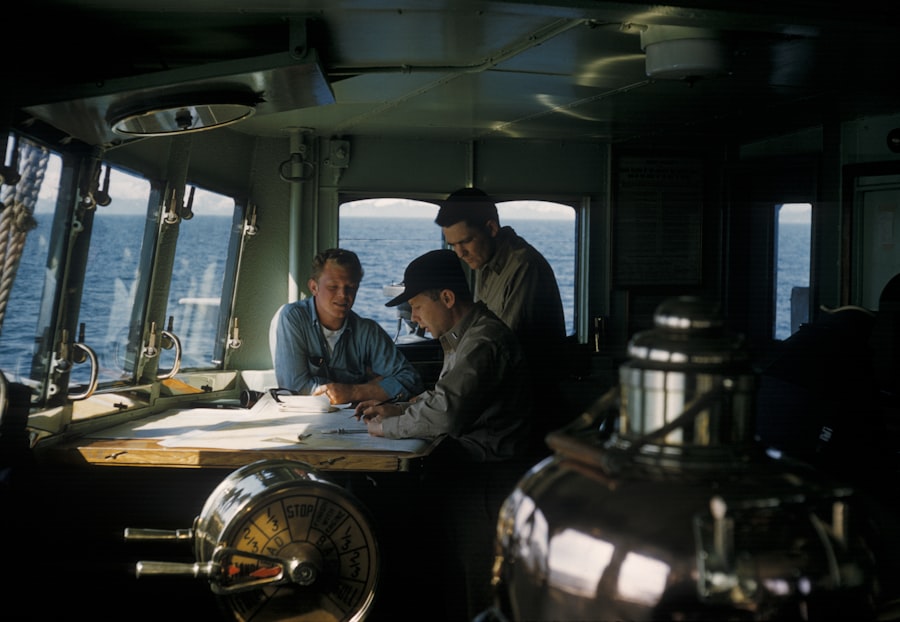
The Seven Sages of the Sea, while mythical, represent a profound and enduring legacy in maritime education. They are a constant reminder to instructors and students alike of the holistic nature of seamanship. Their collective wisdom transcends disciplinary boundaries, emphasizing the interconnectedness of all maritime knowledge.
Their influence ensures that maritime training remains comprehensive, addressing not only the technical skills required but also the ethical, communicative, and leadership qualities essential for safe and responsible operations. They remind us that a true mariner is not merely an operator of machinery, but a custodian of a vessel, a steward of the environment, and a leader of a team.
The Role of Modern Maritime Academies
Modern maritime academies and training centers, in their curriculum design and instructional methodologies, wittingly or unwittingly, strive to emulate the comprehensive approach personified by the Sages. They aim to produce graduates who embody the technical prowess of Chronos and Hephaestus, the navigational acuity of Thales, the legal and ethical wisdom of Athena, the communication skills of Hermes, the medical readiness of Asclepius, and the logistical foresight of Demeter. The Sages, therefore, serve as an aspirational benchmark for excellence in maritime education worldwide.
Lifelong Learning and Adaptability
The maritime world is in a state of perpetual evolution, driven by technological advancements, environmental concerns, and shifting regulatory landscapes. The Sages, by their very nature, would advocate for lifelong learning and adaptability. They would impress upon students that the journey of knowledge acquisition does not end upon certification but continues throughout a mariner’s career. The sea, in its ceaseless change, demands a mind that is equally flexible and eager to absorb new lessons.
Ultimately, the Seven Sages of the Sea are more than just figures of lore. They are a timeless instructional paradigm, beckoning both educators and learners to delve deeper, to strive for comprehensive understanding, and to navigate the complexities of the maritime world with wisdom, skill, and integrity. To gaze upon the horizon, as any aspiring mariner does, is to implicitly acknowledge the enduring wisdom of these mythical instructors who continue to chart the course for excellence at sea.

WATCH NOW ▶️ The 12,000 Year Lie: Why They Erased the First Global Empire
FAQs
Who were the Seven Sages in ancient maritime traditions?
The Seven Sages were legendary figures often regarded as wise instructors or advisors in maritime cultures. They are credited with imparting essential knowledge about navigation, seafaring skills, and maritime safety.
What is the mythological significance of the Seven Sages in maritime history?
In mythology, the Seven Sages are seen as protectors and guides for sailors, embodying wisdom and expertise that helped early mariners survive and thrive on the seas. Their stories often symbolize the transmission of crucial maritime knowledge.
Are the Seven Sages considered historical or purely mythical figures?
The Seven Sages are primarily mythological, with their stories passed down through oral traditions and ancient texts. While they may be inspired by real maritime experts, there is no definitive historical evidence confirming their actual existence.
What kind of maritime knowledge did the Seven Sages supposedly teach?
They are believed to have taught navigation techniques, understanding of sea currents and weather patterns, shipbuilding skills, and safety measures essential for long voyages across open waters.
How have the stories of the Seven Sages influenced modern maritime education?
The myth of the Seven Sages highlights the importance of wisdom and experience in maritime training. Their legacy underscores the value of mentorship and the systematic teaching of seafaring skills, principles that continue to influence modern maritime instruction.