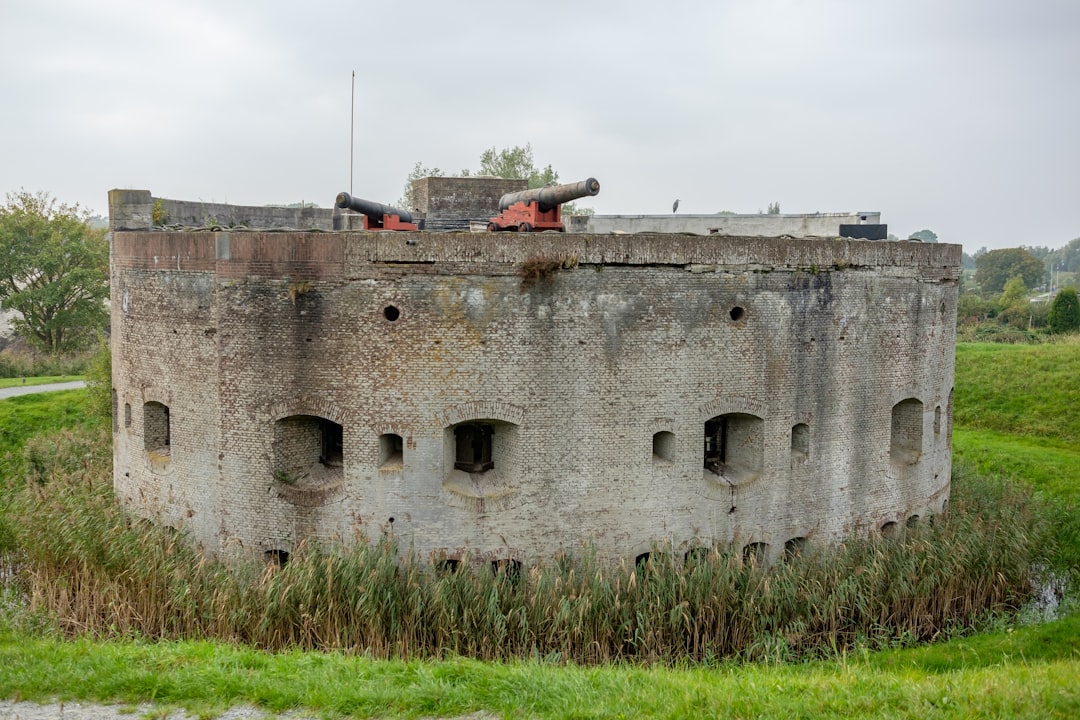
Ancient city fortifications served as the first line of defense against invasions and attacks, playing a crucial role in the survival and prosperity of civilizations. These structures were not merely physical barriers; they represented the political and military might of a city-state. The walls, towers, and gates of ancient cities were often symbols of power, instilling a sense of security among the inhabitants while deterring potential aggressors.
The design and construction of these fortifications reflected the technological advancements and architectural ingenuity of the time, showcasing the ability of societies to adapt to their environments and threats. Moreover, ancient fortifications provide invaluable insights into the social, economic, and cultural dynamics of past civilizations. They reveal how communities organized themselves in response to external pressures and how they prioritized resources for defense.
The study of these structures allows historians and archaeologists to piece together narratives about trade routes, military strategies, and even daily life within fortified cities. As such, ancient city fortifications are not only significant for their defensive capabilities but also for their role in shaping the historical landscape of human civilization.
Key Takeaways
- Ancient city fortifications are important for understanding the defense and layout of ancient civilizations.
- Methods of uncovering ancient city fortifications include ground-penetrating radar, LiDAR technology, and excavation.
- Technologies such as drones, 3D scanning, and GIS mapping are used in uncovering ancient city fortifications.
- Discoveries from uncovered ancient city fortifications provide insights into military strategies, urban planning, and cultural exchange.
- Uncovered ancient city fortifications are significant for understanding the development and interactions of ancient societies.
Methods of Uncovering Ancient City Fortifications
The process of uncovering ancient city fortifications involves a combination of archaeological techniques and historical research. Excavation is one of the primary methods used to reveal buried structures. Archaeologists carefully dig through layers of soil, often using stratigraphy to understand the chronological sequence of construction and use.
This meticulous process can take years, as it requires patience and precision to avoid damaging artifacts or structures that may provide critical information about the past. In addition to excavation, researchers often employ remote sensing technologies such as ground-penetrating radar (GPR) and aerial photography. These methods allow archaeologists to identify subsurface features without extensive digging.
Aerial surveys can reveal patterns in the landscape that indicate the presence of walls or ditches, while GPR can detect anomalies in soil density that suggest buried structures. By combining these modern techniques with traditional excavation, archaeologists can create a more comprehensive picture of ancient fortifications and their contexts.
Technologies Used in Uncovering Ancient City Fortifications
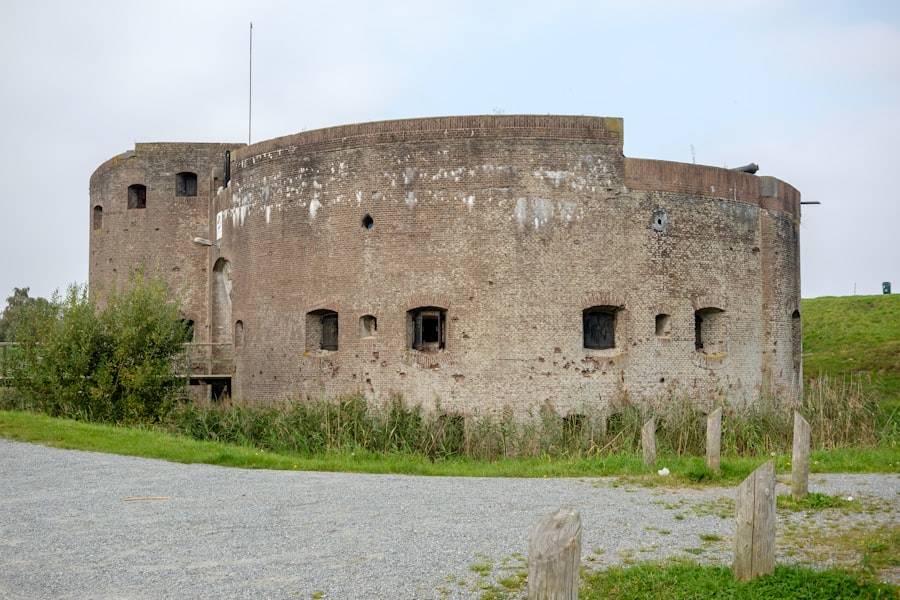
The advent of technology has revolutionized the field of archaeology, particularly in the study of ancient city fortifications. Geographic Information Systems (GIS) have become essential tools for mapping and analyzing archaeological sites. GIS allows researchers to visualize spatial relationships between different features, helping them understand how fortifications fit into the broader landscape.
This technology can also assist in predicting where additional excavations might yield significant findings. Another important technological advancement is the use of 3D modeling and visualization software. By creating digital reconstructions of ancient fortifications, archaeologists can explore how these structures may have appeared in their original contexts.
This not only aids in understanding architectural styles but also helps communicate findings to the public and other scholars. Furthermore, advancements in dating techniques, such as radiocarbon dating and dendrochronology, provide more accurate timelines for when these fortifications were built and modified, enriching the historical narrative surrounding them.
Discoveries and Findings from Uncovered Ancient City Fortifications
| Discoveries and Findings from Uncovered Ancient City Fortifications |
|---|
| 1. Unearthed ancient artifacts |
| 2. Evidence of defensive structures |
| 3. Inscriptions and carvings |
| 4. Pottery and ceramics |
| 5. Tools and weapons |
| 6. Architectural remains |
| 7. Evidence of daily life in the ancient city |
The uncovering of ancient city fortifications has led to numerous significant discoveries that have reshaped historical understanding. For instance, excavations at sites like Jericho and Nineveh have revealed complex systems of walls and towers that date back thousands of years. These findings have provided evidence of advanced engineering techniques and have highlighted the importance of urban planning in ancient societies.
The discovery of gates adorned with intricate carvings or inscriptions has also offered insights into the cultural and religious practices of the time. In addition to structural findings, archaeologists often uncover artifacts within or around fortifications that shed light on daily life in ancient cities. Tools, pottery, and even remnants of food can provide a glimpse into the economic activities and social structures that existed within these fortified walls.
Such discoveries not only enhance understanding of military strategies but also illustrate how communities functioned in times of peace and conflict. The interplay between defense mechanisms and daily life is a recurring theme in the study of ancient city fortifications.
Significance of Uncovered Ancient City Fortifications
The significance of uncovered ancient city fortifications extends beyond their immediate historical context; they serve as vital links to understanding human resilience and adaptation throughout history. These structures often reflect the socio-political climate of their time, revealing how societies responded to threats from rival groups or environmental challenges. The study of fortifications can illuminate patterns of warfare, trade, and diplomacy that shaped regional dynamics.
Furthermore, ancient city fortifications contribute to a broader understanding of cultural identity. They often embody the values and priorities of a civilization, showcasing artistic expression through architectural design while also serving practical purposes. The preservation and study of these sites allow contemporary societies to connect with their heritage, fostering a sense of identity rooted in shared history.
As such, ancient city fortifications are not merely relics of the past; they are integral to understanding the evolution of human societies.
Challenges in Uncovering Ancient City Fortifications
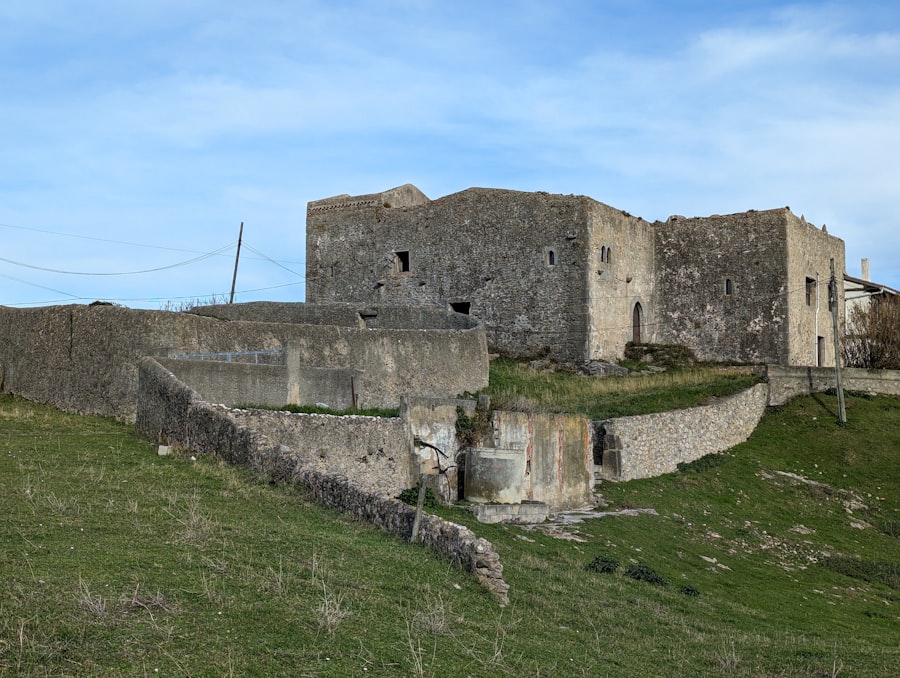
Despite advancements in technology and methodology, uncovering ancient city fortifications presents numerous challenges. One significant obstacle is the sheer scale and complexity of many sites. Some fortifications have been buried under centuries of sediment or urban development, making excavation labor-intensive and time-consuming.
Additionally, modern construction activities can threaten these archaeological sites, leading to potential loss before they can be studied. Another challenge lies in the interpretation of findings. Archaeologists must navigate incomplete records and fragmented structures, which can complicate efforts to reconstruct historical narratives accurately.
The potential for misinterpretation is high when dealing with artifacts that lack contextual information or when drawing conclusions based on limited evidence. Collaborative efforts among historians, archaeologists, and other specialists are essential to mitigate these challenges and ensure a comprehensive understanding of uncovered fortifications.
Preservation and Conservation of Uncovered Ancient City Fortifications
The preservation and conservation of uncovered ancient city fortifications are critical for ensuring that future generations can study and appreciate these historical sites. Once excavated, these structures are often exposed to environmental factors that can lead to deterioration. Therefore, implementing effective conservation strategies is paramount.
This may involve stabilizing walls, controlling moisture levels, or using protective coverings to shield structures from weathering. Moreover, public engagement plays a vital role in preservation efforts. Educating local communities about the significance of these sites fosters a sense of ownership and responsibility towards their protection.
Involving stakeholders in conservation initiatives can lead to sustainable practices that balance archaeological integrity with community development needs. Ultimately, preserving ancient city fortifications is not just about maintaining physical structures; it is about safeguarding cultural heritage for future exploration and appreciation.
The Role of Archaeologists in Uncovering Ancient City Fortifications
Archaeologists play a pivotal role in uncovering ancient city fortifications, acting as both detectives and storytellers in their quest to understand the past. Their work begins with extensive research into historical texts, maps, and previous excavations to identify potential sites for investigation. Once a site is selected, archaeologists meticulously plan excavation strategies that prioritize both scientific inquiry and ethical considerations regarding cultural heritage.
During excavations, archaeologists employ a range of techniques to document findings accurately. This includes detailed recording of stratigraphy, photographing artifacts in situ, and creating maps that illustrate spatial relationships within the site. Their expertise extends beyond excavation; they also engage in analysis and interpretation, drawing connections between material culture and historical narratives.
By collaborating with other specialists—such as historians, conservators, and geologists—archaeologists contribute to a multidisciplinary approach that enriches our understanding of ancient city fortifications.
Comparisons of Different Ancient City Fortifications
Comparing different ancient city fortifications reveals diverse approaches to defense across cultures and time periods. For instance, the massive stone walls of Mycenaean cities like Tiryns contrast sharply with the earthen ramparts found at sites like Çatalhöyük in Anatolia. These differences reflect varying technological capabilities, available resources, and responses to specific threats faced by each civilization.
Additionally, examining fortification styles can illuminate broader cultural exchanges between societies. The influence of Assyrian military architecture on neighboring regions is evident in the similarities found in wall construction techniques across Mesopotamia. Such comparisons not only highlight architectural innovation but also underscore the interconnectedness of ancient civilizations through trade, warfare, and diplomacy.
The Impact of Uncovered Ancient City Fortifications on Historical Understanding
The impact of uncovered ancient city fortifications on historical understanding is profound. These structures serve as tangible links to past societies, providing evidence that challenges or confirms existing historical narratives. For example, discoveries at sites like Pompeii have reshaped perceptions about Roman urban life by revealing well-preserved buildings that showcase daily activities within fortified areas.
Moreover, the study of fortifications has implications for understanding broader themes such as state formation, social hierarchy, and cultural identity. By analyzing how different civilizations constructed their defenses, historians can gain insights into their political organization and societal values. The revelations from these sites often lead to reevaluations of historical timelines and events, demonstrating how archaeology continually enriches our comprehension of human history.
Future Directions in Uncovering Ancient City Fortifications
As archaeological methods continue to evolve, future directions in uncovering ancient city fortifications promise exciting possibilities for discovery. The integration of artificial intelligence (AI) into archaeological research may enhance data analysis capabilities, allowing for more sophisticated interpretations of findings from excavations or remote sensing surveys. AI could assist in identifying patterns within large datasets that might otherwise go unnoticed.
Additionally, interdisciplinary collaborations will likely play an increasingly important role in future research endeavors. By bringing together experts from various fields—such as environmental science, anthropology, and digital humanities—archaeologists can develop more holistic approaches to studying ancient city fortifications. This collaborative spirit will not only advance knowledge but also foster innovative solutions for preservation challenges faced by these invaluable cultural heritage sites.
In conclusion, uncovering ancient city fortifications is a multifaceted endeavor that encompasses various methodologies, technologies, and interdisciplinary approaches. The significance of these structures extends beyond their defensive functions; they are vital components in understanding human history’s complexities and nuances. As research continues to evolve, so too will our appreciation for the ingenuity and resilience demonstrated by past civilizations through their architectural legacies.
In exploring the secrets of ancient city fortifications, one can gain a deeper understanding of the strategic and architectural marvels that protected civilizations from invaders. These fortifications were not just physical barriers but also symbols of power and ingenuity. For those interested in delving further into the mysteries and historical significance of these ancient structures, a related article can be found on Real Lore and Order. This article provides insights into the defensive mechanisms and the cultural importance of these fortifications. To read more about it, visit Real Lore and Order.
WATCH THIS! 😕They Buried the Truth: How Ancient Elites Hid a Climate Collapse.
FAQs
What are ancient city fortifications?
Ancient city fortifications are defensive structures built around cities in ancient times to protect them from enemy attacks. These structures could include walls, moats, towers, and gates.
What were some common materials used in ancient city fortifications?
Common materials used in ancient city fortifications included stone, brick, wood, and sometimes even earth and mud. The choice of material often depended on the resources available in the region.
What were some secrets of ancient city fortifications?
Some secrets of ancient city fortifications included hidden passages and tunnels for soldiers to move undetected, strategically placed traps and obstacles to hinder enemy advancement, and innovative architectural designs to withstand siege tactics.
How were ancient city fortifications designed to withstand attacks?
Ancient city fortifications were designed with features such as sloped walls to deflect projectiles, battlements for archers to defend from, and strategic placement of towers and gates to provide optimal defense and surveillance.
What are some famous examples of ancient city fortifications?
Famous examples of ancient city fortifications include the Great Wall of China, the Walls of Constantinople, the Walls of Babylon, and the Walls of Troy. These structures are renowned for their impressive defensive capabilities and architectural ingenuity.