Throughout history, humanity has sought to understand and predict the whims of nature, particularly the weather. Ancient civilizations, lacking the sophisticated technology of today, relied heavily on their observations of the natural world to forecast weather patterns. This ancient weather wisdom was not merely a collection of random observations; it was a sophisticated system of knowledge passed down through generations.
By keenly observing their surroundings, early humans developed a rich tapestry of insights that allowed them to anticipate changes in weather, which was crucial for agriculture, hunting, and daily survival. The significance of this ancient wisdom extends beyond mere survival; it reflects a deep connection between humans and the environment. The ability to read the signs of nature fostered a sense of respect and reverence for the earth, as people learned to live in harmony with their surroundings.
This article delves into various aspects of ancient weather wisdom, exploring how natural signs, animal behavior, cloud formations, wind patterns, and even celestial bodies were interpreted to predict weather changes. By examining these elements, one can appreciate the depth of knowledge that ancient cultures possessed and how it continues to resonate in modern times.
Key Takeaways
- Ancient weather wisdom is based on observations of natural signs, animal behavior, cloud formations, wind patterns, plants, stars, and historical proverbs.
- Natural signs such as the behavior of animals and insects, cloud formations, and sky colors can provide valuable insights into upcoming weather patterns.
- Wind patterns and their significance can be used to predict weather changes and understand their potential impact on the environment.
- Plants and trees can serve as indicators of weather conditions, and their behavior can be observed to anticipate changes in the weather.
- Ancient weather proverbs and sayings offer practical wisdom that can be incorporated into modern forecasting methods for more accurate predictions.
Observing Natural Signs for Weather Prediction
Natural signs have long served as indicators of impending weather changes. Ancient peoples were astute observers of their environment, noting subtle shifts in the landscape that could signal an approaching storm or a change in temperature. For instance, the behavior of plants, such as the closing of flowers or the drooping of leaves, often indicated an impending rainstorm.
These observations were not random; they were based on centuries of experience and collective knowledge that had been meticulously recorded and shared within communities. Moreover, the changing colors of the sky at dawn and dusk were also significant indicators.
Such proverbs encapsulated the wisdom of generations, providing practical guidance for those who relied on the land for their livelihood. By paying close attention to these natural signs, ancient peoples developed a nuanced understanding of their environment that allowed them to make informed decisions about their daily activities.
Understanding the Behavior of Animals and Insects
The behavior of animals and insects has long been regarded as a reliable barometer for predicting weather changes. Ancient cultures observed that certain species exhibited distinct behaviors in response to shifts in atmospheric conditions. For example, birds often fly lower to the ground before a storm, as they sense changes in air pressure.
This instinctive behavior has been noted by many cultures throughout history, leading to the adage that “when birds fly low, expect rain.” Insects also play a crucial role in weather prediction. The buzzing of bees tends to decrease before rain, as they seek shelter from impending storms. Similarly, crickets are known to chirp more frequently in warmer temperatures.
Ancient peoples recognized these patterns and incorporated them into their weather forecasting methods. By understanding the behaviors of animals and insects, they could anticipate changes in weather with remarkable accuracy, allowing them to prepare for whatever nature had in store.
Interpreting Cloud Formations and Sky Colors
| Cloud Formation | Sky Color | Associated Weather |
|---|---|---|
| Cirrus | Light blue or white | Fair weather |
| Cumulus | White or light gray | Fair weather, but can develop into thunderstorms |
| Stratus | Gray or dark gray | Overcast, light rain or drizzle |
| Nimbostratus | Dark gray | Steady rain or snow |
| Cumulonimbus | Dark gray or black | Thunderstorms, heavy rain, hail |
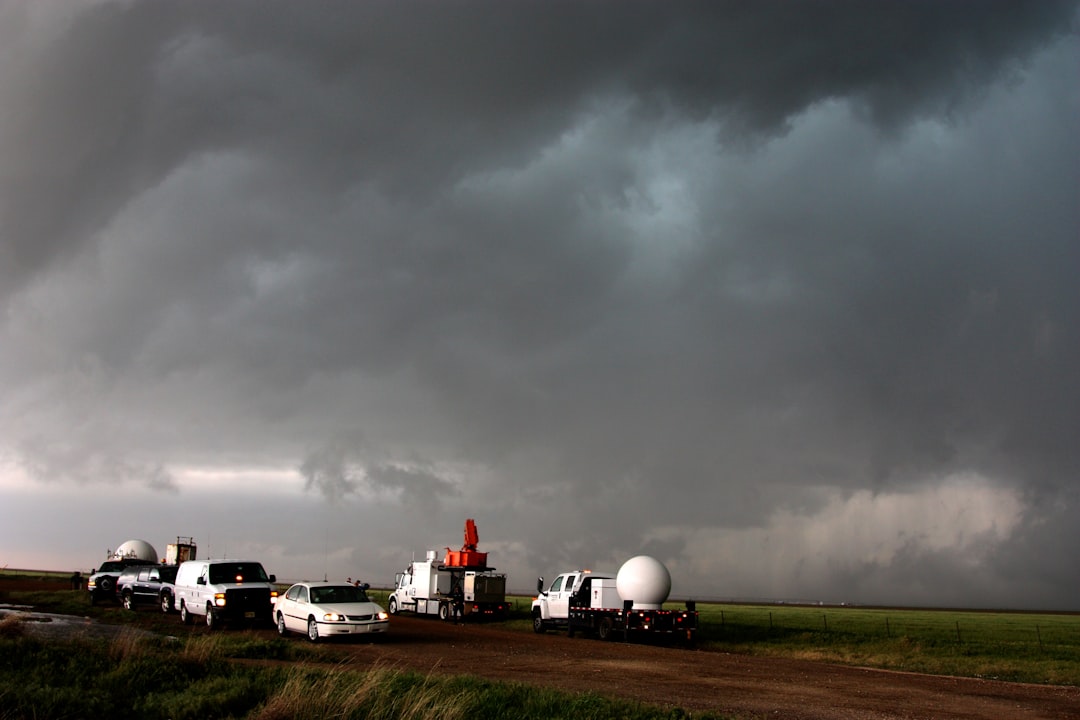
Cloud formations have always been a vital aspect of weather prediction. Ancient observers learned to interpret various types of clouds and their implications for upcoming weather. For instance, cumulus clouds, which appear fluffy and white, often indicate fair weather, while dark cumulonimbus clouds are harbingers of thunderstorms.
The ability to read these formations allowed ancient peoples to make informed decisions about when to plant crops or when to seek shelter from storms. Sky colors also provided essential clues about impending weather changes. A vibrant orange or red sunset often signaled clear skies ahead, while gray or darkening skies suggested rain was on the way.
These interpretations were not arbitrary; they were based on careful observation and experience over generations. By understanding the significance of cloud formations and sky colors, ancient cultures developed a sophisticated system for predicting weather that was deeply intertwined with their daily lives.
Recognizing Wind Patterns and Their Significance
Wind patterns have long been recognized as significant indicators of weather changes. Ancient peoples understood that shifts in wind direction could herald changes in temperature and precipitation. For example, a warm wind blowing from the south often indicated fair weather, while a cold wind from the north could signal an approaching storm.
This knowledge was crucial for those who relied on agriculture and fishing, as it allowed them to plan their activities accordingly. Furthermore, specific winds were often associated with particular weather phenomena. The “sirocco,” a warm wind from the Sahara Desert, is known for bringing dry conditions and high temperatures to regions it affects.
Conversely, the “mistral,” a cold wind from the north, can bring sudden drops in temperature and precipitation. By recognizing these patterns and understanding their implications, ancient cultures were able to navigate their environments with greater confidence and foresight.
Using Plants and Trees as Weather Indicators

Plants and trees have long served as natural indicators of weather changes. Ancient peoples observed that certain species exhibited specific behaviors in response to shifts in temperature and moisture levels. For instance, some flowers close up before rain arrives, while others may bloom more vibrantly during periods of dry weather.
This knowledge was invaluable for agricultural societies that depended on accurate predictions for planting and harvesting crops. Additionally, trees can provide insights into upcoming weather conditions through their physical characteristics. The leaves of certain trees may curl or droop in response to high humidity or impending rain.
Similarly, the presence of certain fungi or mosses can indicate moisture levels in the environment. By closely observing these natural indicators, ancient cultures developed a profound understanding of their ecosystems and how to work with them rather than against them.
Reading the Signs in the Stars and Moon
Celestial bodies have always held a significant place in human culture and understanding of time and seasons. Ancient civilizations often looked to the stars and moon for guidance on weather patterns and agricultural cycles. The phases of the moon were particularly important; many cultures believed that planting crops during specific lunar phases would yield better results.
For example, planting during a waxing moon was thought to promote growth, while harvesting during a waning moon was believed to enhance crop quality. Moreover, constellations were often associated with seasonal changes and weather patterns. The appearance of certain stars or constellations could signal the onset of specific seasons or climatic conditions.
For instance, the rising of Sirius in ancient Egypt marked the annual flooding of the Nile River, which was crucial for agriculture in that region. By interpreting these celestial signs, ancient peoples were able to align their agricultural practices with natural cycles, ensuring their survival and prosperity.
Ancient Weather Proverbs and Sayings
Throughout history, various cultures have developed proverbs and sayings that encapsulate their understanding of weather patterns. These expressions often reflect deep insights gained from generations of observation and experience. For example, the saying “Red sky at night, sailor’s delight; red sky in morning, sailor’s warning” succinctly conveys the relationship between sky colors and impending weather conditions.
Such proverbs served not only as practical advice but also as cultural touchstones that reinforced community knowledge about nature’s rhythms. They were shared orally across generations, ensuring that valuable insights were preserved even as societies evolved. These sayings continue to resonate today, reminding modern individuals of the wisdom embedded in ancient observations.
Incorporating Ancient Wisdom into Modern Forecasting
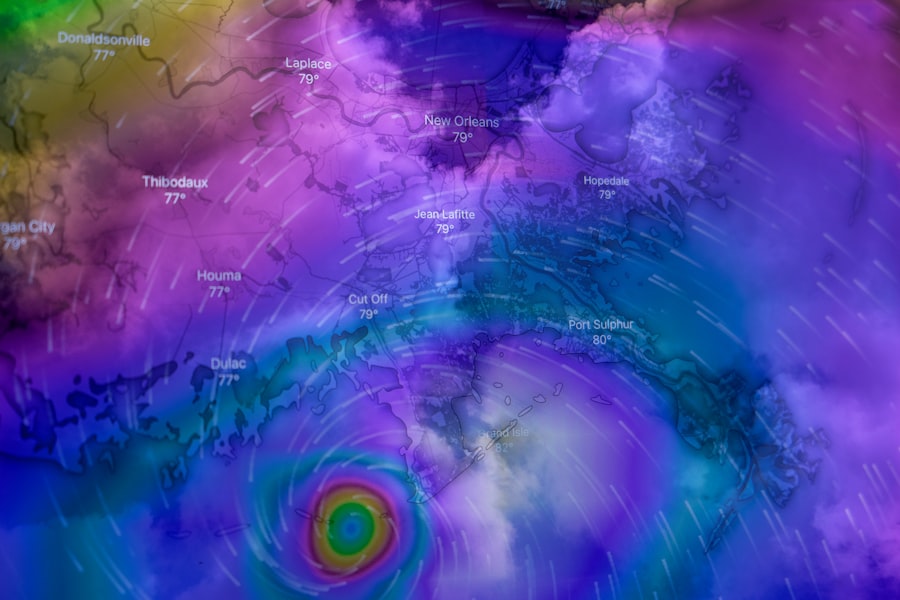
In an age dominated by technology and advanced meteorological tools, there is still much to learn from ancient weather wisdom. While modern forecasting relies heavily on satellite imagery and computer models, incorporating traditional knowledge can enhance understanding of local climates and conditions. Many indigenous communities continue to practice traditional ecological knowledge (TEK), which emphasizes observation-based methods for predicting weather patterns.
By blending ancient wisdom with modern science, meteorologists can gain valuable insights into localized weather phenomena that may not be captured by technology alone. This holistic approach not only enriches forecasting practices but also fosters a deeper appreciation for the interconnectedness of nature and human life.
The Cultural and Historical Importance of Weather Wisdom
The cultural significance of ancient weather wisdom cannot be overstated. It reflects humanity’s enduring relationship with nature and highlights how societies have adapted to their environments over time. Weather predictions were not merely practical tools; they were woven into cultural narratives, rituals, and agricultural practices that shaped communities’ identities.
Moreover, this wisdom has historical importance as it provides insight into how ancient peoples understood their world without modern conveniences. By studying these practices today, individuals can gain a greater appreciation for cultural diversity and resilience in the face of environmental challenges.
Practical Applications for Everyday Life
Incorporating ancient weather wisdom into everyday life can yield practical benefits for individuals today. By paying attention to natural signs—such as changes in animal behavior or shifts in wind patterns—people can make more informed decisions about outdoor activities or gardening practices. Additionally, understanding cloud formations can help individuals prepare for sudden changes in weather.
Furthermore, embracing this wisdom fosters a deeper connection with nature and encourages mindfulness about one’s environment. As individuals become more attuned to the rhythms of nature, they may find themselves better equipped to navigate life’s uncertainties with resilience and adaptability. In conclusion, ancient weather wisdom offers a treasure trove of insights that remain relevant today.
By exploring natural signs, animal behavior, celestial bodies, and cultural proverbs, individuals can cultivate a richer understanding of their environment while honoring the knowledge passed down through generations. As humanity continues to grapple with climate change and environmental challenges, revisiting these age-old practices may provide valuable guidance for navigating an uncertain future.
Ancient civilizations had a profound understanding of weather patterns, often attributing meteorological phenomena to the whims of deities or interpreting them through mythological narratives. This knowledge was crucial for agricultural planning and survival. For a deeper exploration of how ancient societies perceived and predicted weather, you can read a related article on the topic by visiting com/sample-page/’>this page
This article delves into the fascinating ways in which our ancestors interpreted the skies and how these interpretations influenced their daily lives and cultural practices.
WATCH THIS! 😕They Buried the Truth: How Ancient Elites Hid a Climate Collapse.
FAQs
What did ancient people know about weather?
Ancient people had a basic understanding of weather patterns based on their observations of the sky, wind, and other natural phenomena. They used this knowledge to predict weather changes and plan their agricultural activities.
How did ancient people predict the weather?
Ancient people relied on natural signs such as the appearance of clouds, the direction of the wind, the behavior of animals, and the observation of celestial bodies to predict the weather. They also developed folklore and proverbs based on their observations.
What tools did ancient people use to study the weather?
Ancient people used simple tools such as sundials, water clocks, and wind vanes to track the passage of time and the direction of the wind. They also used natural materials like stones, plants, and animal behavior to make weather predictions.
Did ancient people have any knowledge of meteorology?
While ancient people did not have a formal understanding of meteorology as a science, they developed practical knowledge of weather patterns through their observations and experiences. This knowledge was passed down through oral traditions and practical wisdom.
How did ancient people use their knowledge of weather?
Ancient people used their knowledge of weather to plan their agricultural activities, navigate the seas, and prepare for extreme weather events. They also incorporated their understanding of weather into their religious beliefs and cultural practices.