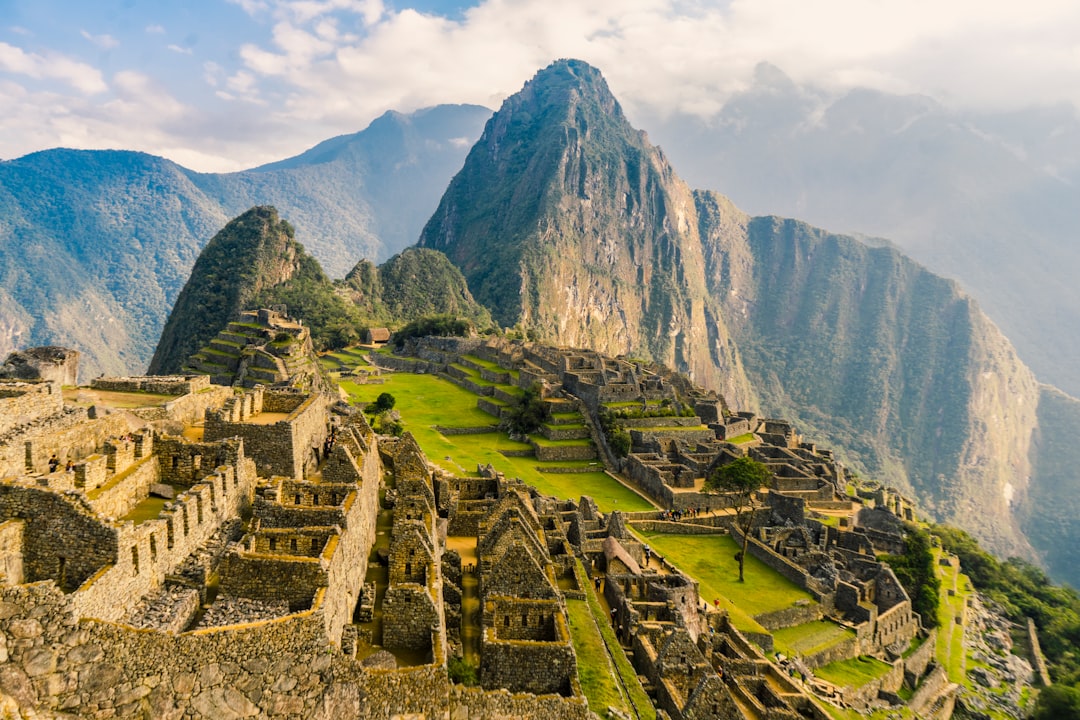
The majestic ruins of Machu Picchu, a testament to Inca engineering and architectural prowess, continue to captivate researchers and tourists alike. While much attention is often given to its breathtaking setting and intricate design, a more profound understanding emerges when one considers the foundational principles that underpinned its construction. This article delves into the “seismic logic” embedded within Machu Picchu’s renowned ashlar masonry, a system of interlocking, precisely cut stones that allowed the city to stand resilient against the formidable seismic activity prevalent in the Andean region.
To appreciate the genius of Inca masonry, one must first comprehend the geological forces at play in their domain. The Andes Mountains, the world’s longest continental mountain range, are a direct consequence of the Nazca Plate subducting beneath the South American Plate. This ongoing collision generates immense seismic stress, leading to frequent and often powerful earthquakes. For any civilization establishing significant settlements in this region, mitigating earthquake damage was not merely a design preference; it was an existential imperative.
Subduction Zones and Their Seismic Impact
The primary driver of Andean seismicity is the active subduction zone along the Pacific coast of South America. As the Nazca Plate plunges beneath the continental plate, it generates deep-focus earthquakes and, closer to the surface, crustal events. These tremors, varying in intensity and duration, have historically reshaped the landscape and posed an ongoing threat to human settlements.
Historical Precedents of Seismic Destruction
Archaeological evidence and historical accounts attest to the destructive power of earthquakes in the Andes. Prior civilizations, such as the Wari and Chimú, undoubtedly faced similar challenges, with many of their structures exhibiting signs of seismic damage. The Inca, learning from these precedents and their own experiences, developed architectural strategies specifically tailored to resist such forces, with Machu Picchu serving as a paramount example of their success.
Machu Picchu, the iconic Incan citadel, showcases remarkable seismic logic in its ashlar masonry, which has allowed it to withstand numerous earthquakes over the centuries. The precision of the stone-cutting and the interlocking design of the blocks demonstrate the advanced engineering skills of the Incas. For a deeper understanding of the techniques used in this ancient architecture, you can explore a related article that delves into the intricacies of Machu Picchu’s construction and its resilience against seismic activity. To read more, visit this article.
Ashlar Masonry: A Masterclass in Seismic Resistance
The defining characteristic of much of Machu Picchu’s architecture is its ashlar masonry. This technique involves cutting and fitting stones with such precision that mortar is rendered largely unnecessary. The aesthetic appeal of these perfectly joined blocks is undeniable, but their true brilliance lies in their inherent seismic resilience.
Interlocking Geometry: The Puzzle Piece Principle
The core of ashlar masonry’s seismic strength lies in its interlocking geometry. Stones are not simply stacked; they are meticulously shaped to fit together like complex puzzle pieces. This creates a cohesive, self-supporting structure where individual blocks resist dislodgement due to lateral forces. When an earthquake occurs, instead of collapsing, the walls tend to shift as a single, flexible unit.
Irregular Shaping and Convex Inward Curves
Many ashlar walls at Machu Picchu exhibit a slight convex curve inwards, a seemingly subtle detail with significant structural implications. This curvature helps to distribute stress more evenly across the wall section, preventing concentrated points of failure. Furthermore, the irregular, often multi-faceted shapes of individual stones enhance their interlocking properties, creating a more robust and less rigid connection than perfectly uniform blocks.
Absence of Mortar: A Deliberate Design Choice
The virtual absence of mortar in premium ashlar construction is a critical element of its seismic design. While mortar provides bonding in conventional masonry, it can also act as a brittle point of failure during seismic events. In the Inca system, the friction between the perfectly fitted stones, combined with their intricate interlocking, provides sufficient stability. This allows for a degree of movement and “give” within the structure, dissipating seismic energy rather than rigidly resisting it and shattering.
Foundation Engineering: Anchoring Against the Earth’s Tremors
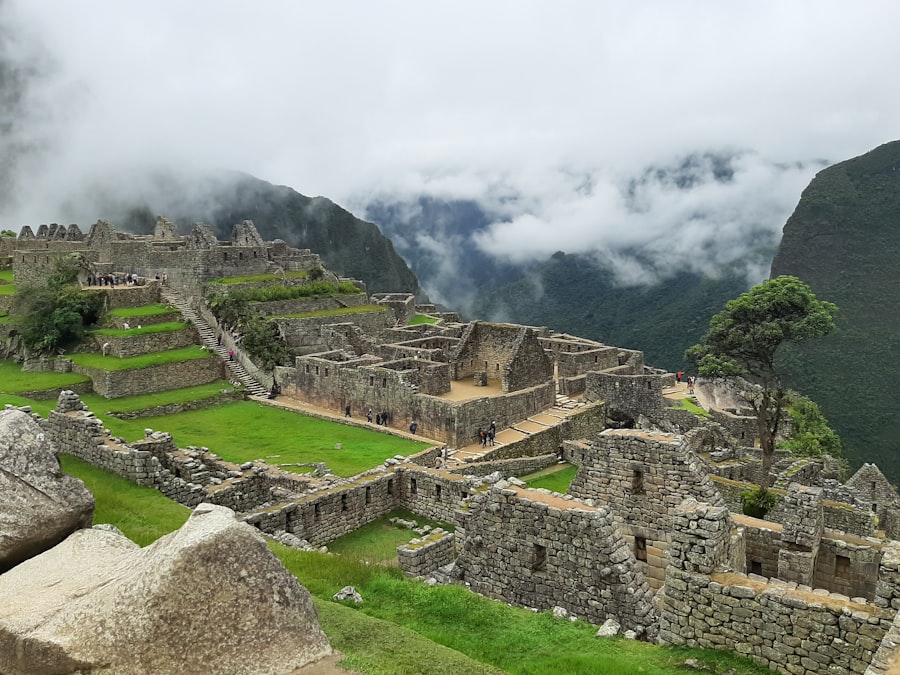
Beyond the visible walls, the Inca engineers paid meticulous attention to the foundations of their structures, integrating additional seismic mitigation strategies. The site selection itself, often on solid bedrock, was a crucial first step, but further refinements were implemented to enhance stability.
Terracing and Drainage: Stabilizing the Slopes
Machu Picchu is famously built on a steep mountainside. To create stable building platforms and prevent landslides – a common seismic secondary effect – the Inca constructed extensive terracing. These terraces, essentially reinforced earth platforms, not only expanded usable land but also served as a sophisticated drainage system. By controlling water runoff, they prevented soil saturation and subsequent liquefaction, a phenomenon where saturated granular soil loses its strength and stiffness, behaving like a liquid.
Deep Foundations and Load Distribution
The foundations of many key structures extend deep into the earth, often reaching bedrock. This provides a stable anchor for the overlying masonry, preventing differential settlement and improving overall stability. Furthermore, the carefully placed foundation stones help to distribute the immense weight of the walls evenly, reducing localized stress concentrations that could lead to cracking and failure during an earthquake.
“Flexible” Foundations: Incorporating Imperfections
Some researchers suggest that the foundations were not always perfectly rigid. There is evidence that smaller stones or even gravel might have been intentionally incorporated into the lower layers of some foundations, acting as a flexible buffer. This semi-rigid base could allow for slight, controlled movement during an earthquake, further contributing to the structure’s ability to absorb and dissipate seismic energy. This concept echoes modern base isolation techniques used in contemporary earthquake-resistant building.
The Engineering of Movement: How Inca Structures “Dance” with Earthquakes
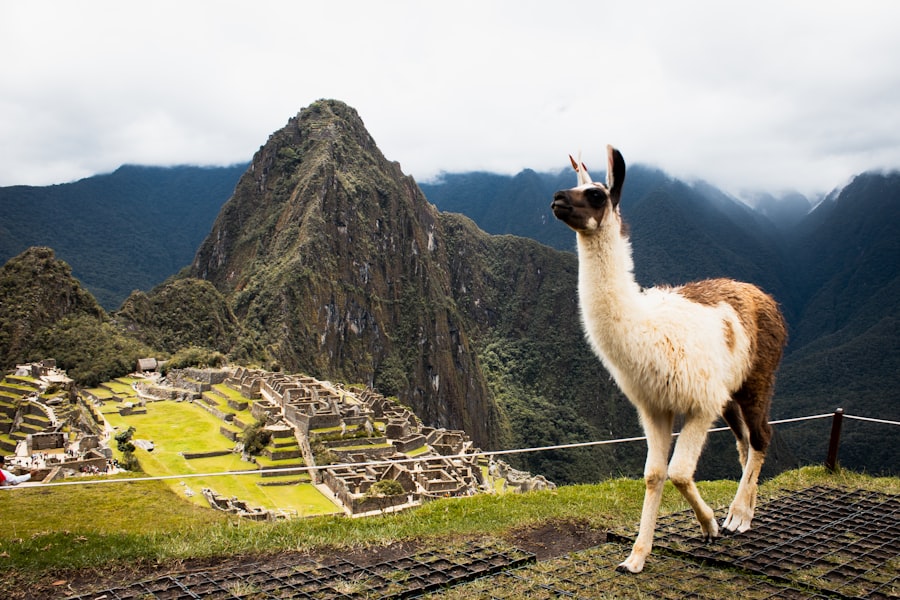
The true genius of Inca seismic engineering lies in its philosophy of accommodating, rather than rigidly opposing, seismic forces. Instead of striving for absolute rigidity, their structures were designed to move and flex, absorbing the energy of an earthquake without catastrophic failure.
Dissipating Energy Through Movement
When seismic waves propagate through the ground, they impart kinetic energy into structures. A rigid structure attempts to resist this movement entirely, concentrating stress and often leading to fracture. Inca ashlar masonry, however, allows for subtle, controlled movement between the interlocking blocks. This movement dissipates a significant portion of the seismic energy through friction and slight re-alignment, preventing the build-up of destructive forces within the wall itself.
The “Sway” Factor: Returning to Equilibrium
Imagine a tall building designed to sway during an earthquake, much like a tree in a strong wind. This swaying motion allows the structure to absorb and then release energy, eventually returning to its original position. Similarly, the “flexibility” of Inca ashlar, facilitated by the precision of the cuts and the absence of rigid mortar, permits a degree of elastic deformation. After the earthquake, the stones settle back into their original, tightly interlocked positions, leaving the structure intact.
Sacrificial Elements: A Controversial Hypothesis
While highly effective, it’s possible that some less critical elements of Inca construction might have been designed as “sacrificial” components. For instance, less robust interior walls or decorative elements could have been intended to absorb the initial shock of an earthquake, potentially failing and protecting the structural integrity of the main load-bearing walls. This hypothesis remains a subject of ongoing debate among archaeologists and engineers, but it highlights the holistic and layered approach the Inca took to seismic resilient design.
Machu Picchu, renowned for its breathtaking beauty and historical significance, also showcases remarkable engineering techniques, particularly in its seismic logic ashlar masonry. This ancient construction method not only demonstrates the ingenuity of the Inca civilization but also highlights their understanding of earthquake resilience. For those interested in exploring more about the fascinating architectural practices of the Incas, a related article can be found at Real Lore and Order, which delves into the intricacies of their building techniques and the cultural context behind them.
Enduring Legacy: Lessons for Modern Seismic Engineering
| Metric | Description | Value/Detail |
|---|---|---|
| Seismic Resistance | Ability of Machu Picchu’s ashlar masonry to withstand earthquakes | High; structures have survived multiple significant earthquakes over centuries |
| Stone Cutting Precision | Accuracy in shaping stones to fit without mortar | Within millimeters; stones fit perfectly with no gaps |
| Masonry Type | Construction technique used in Machu Picchu | Ashlar masonry with polygonal and trapezoidal stones |
| Seismic Logic | Design principles applied to enhance earthquake resistance | Inclined walls, trapezoidal doorways, interlocking stones |
| Wall Inclination | Angle of walls to improve stability during seismic events | Approximately 6 to 10 degrees inward |
| Stone Weight | Average weight of individual ashlar stones | Between 1 to 3 tons per stone |
| Mortar Usage | Presence of binding material between stones | None; stones are dry-fitted |
| Interlocking Mechanism | How stones are connected to resist movement | Complex polygonal shapes that lock stones together |
| Earthquake Frequency | Seismic activity in the Machu Picchu region | Moderate to high seismic zone |
| Structural Longevity | Duration the masonry has remained intact | Over 500 years with minimal damage |
The seismic logic embedded within Machu Picchu’s construction offers invaluable insights that resonate with contemporary earthquake-resistant design. The principles of flexibility, energy dissipation, and meticulous material selection, perfected by the Inca centuries ago, are still central to modern engineering practices.
Emulating Nature: Inspiration from Flexible Systems
Modern seismic engineering often draws inspiration from natural systems. Just as trees bend and sway in the wind, dissipating energy, earthquake-resistant buildings are designed to flex and deform in a controlled manner. The Inca, observing the resilience of their mountainous environment, intuitively incorporated similar principles into their construction. Their insights into the behavior of interlocking stone systems, allowing for controlled movement and energy dissipation, predate modern understanding of these concepts by centuries.
Precision and Craftsmanship: The Foundation of Durability
The extraordinary precision of Inca stone cutting and fitting is not merely an aesthetic choice; it is a fundamental aspect of their seismic design. The tight tolerances between blocks minimize potential movement that could lead to collapse under stress. This emphasis on quality craftsmanship underscores a timeless truth: durable and resilient structures are born from meticulous attention to detail at every stage of construction. In an era where rapid construction sometimes overlooks such precision, the Inca serve as a potent reminder of its enduring value.
Holistic Site Planning: Beyond the Individual Structure
Machu Picchu’s success in withstanding centuries of seismic activity is not solely attributable to the individual strength of its buildings. The integrated approach to site planning, encompassing terracing, drainage, and careful consideration of geological stability, demonstrates a holistic understanding of environmental forces. This comprehensive perspective, where the relationship between the structure and its surrounding landscape is paramount, offers crucial lessons for urban planning and infrastructure development in seismically active regions today. The Inca understood that a building does not stand in isolation; its resilience is intrinsically linked to the stability and natural dynamics of its environment. By studying Machu Picchu, we gain a deeper appreciation for the interplay between human ingenuity and natural forces, and for the enduring power of ancient wisdom in confronting persistent challenges.
WATCH NOW ▶️ WARNING: The Giza Muon Scans Just Changed Everything
FAQs
What is ashlar masonry as used in Machu Picchu?
Ashlar masonry refers to finely cut and shaped stones that are laid in regular courses without the use of mortar. In Machu Picchu, this technique involves precisely fitting large stones together to create strong and stable walls.
How does the seismic logic of Machu Picchu’s construction help it withstand earthquakes?
The seismic logic involves using ashlar masonry with interlocking stones that can move slightly during an earthquake without collapsing. The walls are slightly inclined and have trapezoidal shapes, which provide flexibility and stability during seismic activity.
Why is Machu Picchu’s ashlar masonry considered advanced for its time?
The precision with which the stones were cut and fitted together without mortar is remarkable, allowing the structure to endure centuries of earthquakes and weathering. This level of craftsmanship demonstrates advanced engineering knowledge in seismic resistance.
Are there specific features in Machu Picchu’s masonry that enhance its earthquake resistance?
Yes, features such as the use of irregularly shaped stones, tight joints, and the absence of mortar allow the walls to absorb and dissipate seismic energy. Additionally, the trapezoidal doorways and windows add structural strength.
Can the seismic logic of Machu Picchu’s ashlar masonry be applied in modern construction?
While modern construction uses different materials and techniques, the principles of flexibility, interlocking components, and precise fitting to withstand seismic forces are still relevant and inspire contemporary earthquake-resistant design.