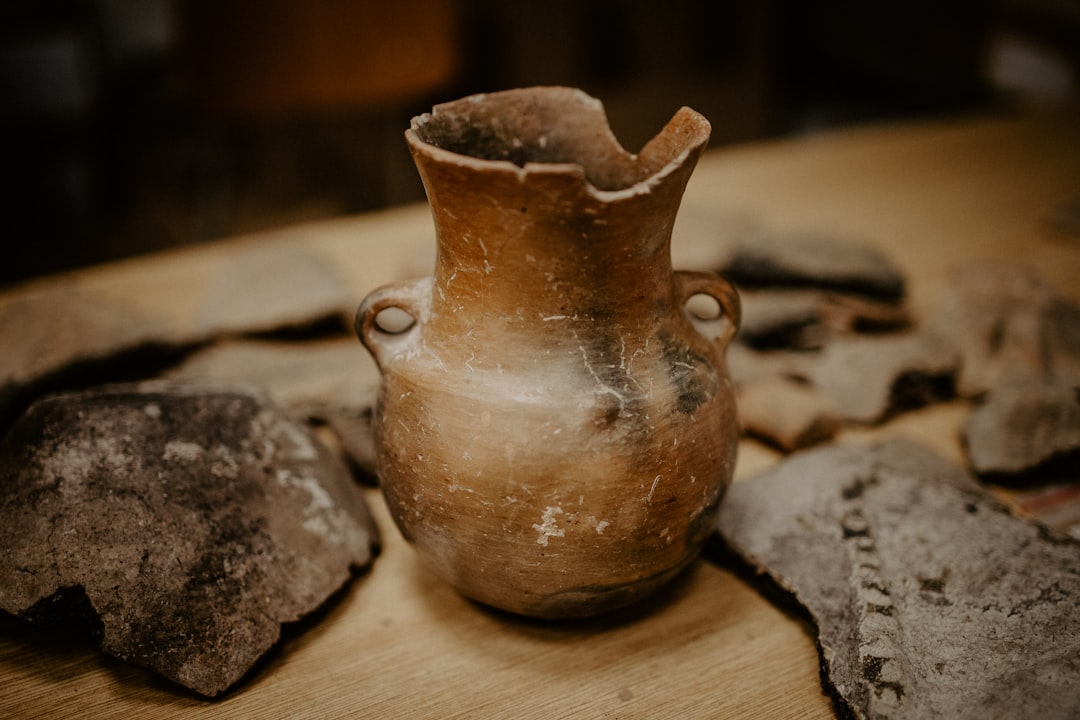
Social collapse refers to the disintegration of social structures, institutions, and relationships that sustain a community or civilization. This phenomenon can manifest in various forms, including the breakdown of governance, economic systems, and cultural cohesion. Throughout history, numerous societies have experienced collapse, often leading to significant changes in their way of life or even their complete disappearance.
Understanding the dynamics of social collapse is crucial for comprehending the complexities of human civilization and the factors that contribute to societal resilience or vulnerability. The study of social collapse is not merely an academic pursuit; it holds profound implications for contemporary society. As modern civilizations grapple with challenges such as climate change, political instability, and economic inequality, insights gleaned from past collapses can inform current strategies for sustainability and resilience.
Key Takeaways
- Social collapse refers to the breakdown of social, political, and economic structures within a society, often leading to widespread disruption and decline.
- Archaeology plays a crucial role in understanding social collapse by examining material culture, environmental data, and human remains to reconstruct past societies and their downfall.
- Case studies of collapsed societies, such as the Maya and the Roman Empire, provide valuable insights into the complex factors that contribute to societal collapse.
- Signs of social collapse in archaeological evidence include abandoned settlements, evidence of violence, and shifts in material culture and trade patterns.
- Environmental factors, such as climate change and resource depletion, can significantly contribute to social collapse by impacting food production and resource availability.
The Role of Archaeology in Understanding Social Collapse
Archaeology plays a pivotal role in unraveling the mysteries surrounding social collapse. Through the excavation of ancient sites, archaeologists uncover artifacts, structures, and other material remains that provide invaluable insights into the lives of past societies. These findings allow researchers to piece together the social, economic, and environmental contexts in which these communities thrived or ultimately failed.
By analyzing the remnants of collapsed societies, archaeologists can identify patterns and trends that may shed light on the broader phenomenon of social collapse. Moreover, archaeology offers a unique perspective on social collapse that complements historical and anthropological approaches. While written records can provide detailed accounts of societal changes, they are often limited in scope and biased by the perspectives of those who documented them.
In contrast, archaeological evidence is more democratic; it encompasses the experiences of all members of society, including marginalized groups. This holistic view enables a more nuanced understanding of how various factors contributed to social collapse and how different segments of society responded to these challenges.
Case Studies of Societies that Experienced Collapse

Numerous case studies illustrate the complexities surrounding social collapse. One prominent example is the Maya civilization, which flourished in Mesoamerica for centuries before experiencing a dramatic decline around the 9th century CE. Archaeological evidence suggests that a combination of environmental degradation, warfare, and social upheaval contributed to this collapse.
The Maya’s reliance on intensive agriculture led to deforestation and soil depletion, which undermined their food security. As resources dwindled, competition for land intensified, resulting in conflict among city-states and ultimately contributing to the civilization’s fragmentation. Another significant case study is the Roman Empire, which faced a multifaceted decline over several centuries.
Factors such as economic instability, political corruption, and external pressures from invading tribes played critical roles in its eventual fall. Archaeological findings reveal a gradual deterioration in urban infrastructure and public services, indicating a decline in civic engagement and governance. The collapse of trade networks further exacerbated economic challenges, leading to a loss of cultural cohesion and identity among the empire’s diverse populations.
These case studies underscore the importance of examining social collapse through a multifactorial lens, recognizing that no single cause can fully explain such complex phenomena.
Identifying Signs of Social Collapse in Archaeological Evidence
| Signs of Social Collapse | Archaeological Evidence |
|---|---|
| Abandonment of Settlements | Ruins of deserted cities or villages |
| Decline in Population | Graveyards with fewer burials |
| Decrease in Trade Goods | Lack of imported items in excavations |
| Violence and Warfare | Evidence of fortifications and weapons |
| Environmental Degradation | Pollution and deforestation in sediment layers |
Identifying signs of social collapse in archaeological evidence requires careful analysis and interpretation of various indicators. One common sign is a marked decline in population density, often reflected in the abandonment of urban centers or settlements. Archaeologists may find evidence of reduced construction activity or a shift towards smaller, less complex communities as populations migrate in search of resources or safety.
These demographic changes can signal underlying social tensions or environmental stresses that contribute to societal disintegration. Additionally, shifts in material culture can provide clues about social collapse. Changes in pottery styles, tool production, or burial practices may indicate alterations in social organization or cultural identity.
For instance, a decline in elaborate burial customs could suggest a loss of social stratification or a breakdown in traditional belief systems. By examining these shifts alongside other archaeological data, researchers can construct a more comprehensive picture of how societies respond to crises and navigate the challenges that lead to collapse.
Environmental Factors Contributing to Social Collapse
Environmental factors often play a critical role in precipitating social collapse. Climate change, resource depletion, and natural disasters can create conditions that challenge the sustainability of societies. For example, prolonged droughts can devastate agricultural production, leading to food shortages and increased competition for resources.
In many cases, societies that rely heavily on agriculture are particularly vulnerable to such environmental changes. The Ancestral Puebloans of the American Southwest provide a compelling example of how environmental factors contributed to social collapse. Archaeological evidence indicates that prolonged drought conditions during the late 13th century severely impacted their agricultural practices.
As water sources dwindled and crops failed, communities faced increasing stress and conflict over remaining resources. Ultimately, many Ancestral Puebloans abandoned their settlements in search of more hospitable environments, illustrating how environmental challenges can catalyze societal disintegration.
Economic and Political Factors Contributing to Social Collapse

In addition to environmental factors, economic and political dynamics significantly influence social collapse. Economic instability can arise from various sources, including trade disruptions, resource scarcity, or systemic inequality. When economic systems falter, societies may experience rising tensions among different social classes or groups, leading to conflict and fragmentation.
Political factors also play a crucial role in shaping societal resilience or vulnerability. Weak governance structures can exacerbate existing tensions and hinder effective responses to crises. For instance, when leaders fail to address economic disparities or provide essential services, public trust erodes, leading to civil unrest and potential collapse.
The case of the Byzantine Empire illustrates this interplay between economic and political factors; as internal strife weakened central authority, external pressures from rival powers intensified, ultimately contributing to its decline.
The Impact of Social Collapse on Human Communities
The impact of social collapse on human communities is profound and multifaceted. When societies disintegrate, individuals often face significant disruptions to their daily lives, including loss of access to resources, security, and cultural identity. The psychological toll of such upheaval can be immense; communities may experience trauma from violence or displacement as they navigate the challenges posed by collapse.
Moreover, social collapse can lead to shifts in power dynamics within communities. As traditional hierarchies break down, new forms of leadership may emerge based on necessity rather than established norms. This reconfiguration can result in both opportunities for innovation and challenges related to governance and cooperation among diverse groups.
Understanding these impacts is essential for comprehending how societies adapt to change and rebuild after experiencing collapse.
Reconstructing Social Structures and Relationships in Collapsed Societies
Reconstructing social structures and relationships in collapsed societies is a complex process that often involves negotiation and adaptation among surviving community members. In the aftermath of collapse, individuals must navigate new realities while attempting to forge connections with others who may have different backgrounds or experiences. This process can lead to the emergence of new social norms and practices as communities strive for cohesion amidst uncertainty.
Archaeological evidence provides valuable insights into how communities have historically rebuilt after collapse. For instance, studies of post-collapse societies often reveal shifts towards more egalitarian structures as traditional hierarchies dissolve. In some cases, communities may prioritize cooperation over competition as they work together to address shared challenges.
By examining these patterns through an archaeological lens, researchers can better understand the resilience inherent in human societies and the ways they adapt to adversity.
Lessons Learned from Archaeological Studies of Social Collapse
Archaeological studies of social collapse offer critical lessons for contemporary society. One key takeaway is the importance of adaptability; societies that demonstrate flexibility in response to changing circumstances are more likely to endure challenges over time. This adaptability can manifest in various forms, including shifts in resource management practices or alterations in social organization.
Additionally, understanding the interconnectedness of environmental, economic, and political factors is essential for addressing contemporary issues related to sustainability and resilience. By recognizing that no single factor operates in isolation, modern societies can develop more holistic approaches to problem-solving that consider multiple dimensions of human experience. The lessons learned from past collapses serve as cautionary tales that highlight the need for proactive measures to mitigate risks associated with societal disintegration.
The Relevance of Studying Social Collapse in Modern Society
The relevance of studying social collapse extends beyond academic inquiry; it holds significant implications for contemporary society as well. As modern civilizations face unprecedented challenges—ranging from climate change to political polarization—the insights gained from past collapses can inform strategies for resilience and sustainability. By examining how previous societies navigated crises and adapted to change, contemporary leaders can draw valuable lessons that may help avert similar fates.
Furthermore, understanding social collapse encourages critical reflection on current systems and practices that may contribute to vulnerability. By identifying potential weaknesses within economic or political structures, societies can take proactive steps toward fostering resilience rather than waiting for crises to unfold. In this sense, studying social collapse serves not only as a historical exploration but also as a vital tool for shaping a more sustainable future.
Future Directions in Archaeological Research on Social Collapse
Future directions in archaeological research on social collapse will likely focus on interdisciplinary approaches that integrate insights from various fields such as anthropology, environmental science, and sociology. By fostering collaboration among researchers with diverse expertise, scholars can develop more comprehensive frameworks for understanding the complexities surrounding social collapse. Additionally, advancements in technology will continue to enhance archaeological research methods.
Techniques such as remote sensing and geospatial analysis allow researchers to gather data on large-scale patterns related to settlement dynamics and resource use over time. These innovations will enable archaeologists to explore new questions about social collapse while refining existing theories based on empirical evidence. In conclusion, studying social collapse through an archaeological lens provides invaluable insights into the dynamics that shape human societies across time and space.
By examining past collapses and their underlying causes—ranging from environmental stresses to economic instability—researchers can glean lessons that resonate with contemporary challenges faced by modern civilizations. As society continues to evolve amidst uncertainty, understanding the complexities surrounding social collapse will remain essential for fostering resilience and sustainability in an ever-changing world.
In exploring the archaeology of social breakdown, one can gain valuable insights by examining the intricate layers of past societies and their eventual decline. A related article that delves into this topic can be found on Real Lore and Order, which provides a comprehensive analysis of how ancient civilizations faced challenges that led to their disintegration. This article not only highlights the archaeological evidence of societal collapse but also draws parallels to contemporary issues. For a deeper understanding, you can read more about it by visiting this article on Real Lore and Order.
WATCH THIS! 😕They Buried the Truth: How Ancient Elites Hid a Climate Collapse.
FAQs
What is the archaeology of social breakdown?
The archaeology of social breakdown is the study of how past societies experienced and responded to periods of social, political, or economic collapse.
What are some examples of social breakdown in history?
Examples of social breakdown in history include the fall of the Roman Empire, the collapse of the Mayan civilization, and the decline of the Indus Valley civilization.
How do archaeologists study social breakdown?
Archaeologists study social breakdown by examining material culture, such as artifacts, architecture, and human remains, to understand how societies coped with and adapted to periods of crisis.
What can the archaeology of social breakdown tell us about modern society?
Studying the archaeology of social breakdown can provide insights into how societies respond to crises, which can inform our understanding of contemporary issues such as climate change, political instability, and economic collapse.
What are some common indicators of social breakdown in archaeological evidence?
Common indicators of social breakdown in archaeological evidence include evidence of violence, abandonment of settlements, changes in material culture, and shifts in agricultural practices.
How does the archaeology of social breakdown contribute to our understanding of human behavior?
Studying the archaeology of social breakdown can help us understand how humans respond to adversity, how social structures and institutions change during times of crisis, and how communities rebuild and recover after collapse.