Famine has been a recurring theme throughout human history, often emerging as a consequence of natural disasters, war, or economic instability. Its impact is profound, affecting not only the immediate availability of food but also the social fabric of communities. When famine strikes, it leads to widespread suffering, malnutrition, and even death.
The psychological toll is equally significant, as fear and desperation can drive individuals to extreme measures. Communities may fracture under the strain, leading to conflict over scarce resources. The historical record is replete with examples of how famine has shaped societies, influencing migration patterns, cultural practices, and even political structures.
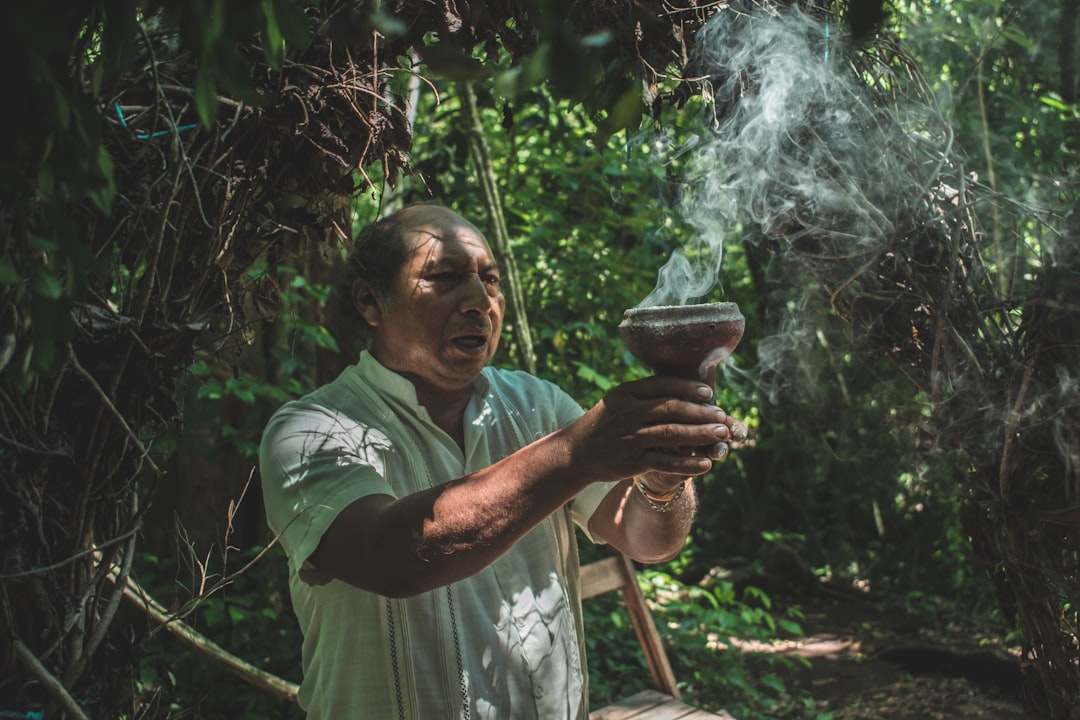
In response to the threat of famine, ancient societies developed various strategies to ensure food security. Among these strategies were rituals designed to invoke divine favor and promote agricultural abundance. These rituals were not merely superstitions; they reflected a deep understanding of the interconnectedness between humans, nature, and the divine.
By examining these ancient practices, one can gain insight into how communities sought to mitigate the devastating effects of famine and cultivate a more stable existence.
Key Takeaways
- Famine has a significant impact on societies, and ancient rituals played a crucial role in ensuring abundance and food security.
- Ancient societies had various rituals for abundance, including offerings, sacrifices, planting and harvesting rituals, and seeking divine intervention in times of scarcity.
- Community and collective rituals were essential for surviving famine, and ancestral rituals honored the earth and ensured abundance.
- Rituals for conservation and sustainable resource management were practiced to ensure long-term food security.
- Adapting ancient rituals for modern times can provide valuable lessons for ensuring abundance in today’s world.
Ancient Rituals for Abundance: An Overview
Ancient rituals aimed at securing abundance were diverse and varied across cultures. From the agricultural ceremonies of the Fertile Crescent to the harvest festivals of Mesoamerica, these rituals often involved elaborate practices that combined elements of spirituality, community participation, and respect for nature. They served as a means of expressing gratitude for the earth’s bounty while simultaneously seeking blessings for future harvests.
In many cases, these rituals were deeply intertwined with the agricultural calendar, marking key moments such as planting and harvesting. The significance of these rituals extended beyond mere agricultural success; they were also a way to reinforce social cohesion within communities. By participating in collective rituals, individuals forged bonds with one another, fostering a sense of belonging and shared purpose.
This communal aspect was particularly important in times of scarcity when unity could mean the difference between survival and collapse. Thus, ancient rituals for abundance were not only about securing food but also about nurturing the social fabric that held communities together.
Understanding the Role of Rituals in Ancient Societies

Rituals played a central role in ancient societies, serving as a bridge between the mundane and the sacred. They provided a framework through which individuals could express their beliefs, hopes, and fears regarding the natural world. In many cultures, rituals were seen as essential for maintaining harmony with the environment and ensuring that agricultural cycles proceeded smoothly.
The act of performing a ritual was often believed to invoke the favor of deities or spirits who governed fertility and abundance. Moreover, rituals served as a means of transmitting cultural knowledge from one generation to the next. Elders would pass down stories and practices associated with agricultural cycles, ensuring that younger members of the community understood their role in sustaining food production.
In this way, rituals not only reinforced cultural identity but also played a practical role in ensuring food security.
The Power of Offerings and Sacrifices in Cultivating Abundance
| Offerings and Sacrifices | Cultivating Abundance |
|---|---|
| Gratitude Offerings | Attracting positive energy |
| Charitable Giving | Creating a sense of abundance |
| Sacrifices of Time and Effort | Investing in personal growth |
| Offerings of Food and Resources | Sharing abundance with others |
Offerings and sacrifices were integral components of many ancient rituals aimed at cultivating abundance. These acts were often seen as a way to appease deities or spirits believed to control agricultural fertility. Communities would present gifts ranging from food items to livestock in hopes of securing a bountiful harvest.
The act of giving was imbued with deep significance; it represented a reciprocal relationship between humans and the divine, where gratitude was expressed in tangible forms. The symbolism behind offerings extended beyond mere appeasement; they also served as a reminder of the interconnectedness of all life forms. By acknowledging the contributions of nature through offerings, communities fostered a sense of stewardship over their environment.
This relationship was crucial for sustainable practices, as it encouraged individuals to respect natural resources rather than exploit them recklessly. In this way, offerings and sacrifices became powerful tools for cultivating not only agricultural abundance but also a deeper understanding of humanity’s place within the larger ecological system.
Planting and Harvesting Rituals for Ensuring Food Security
Planting and harvesting rituals were pivotal in ancient agricultural societies, marking critical points in the agricultural calendar. These ceremonies often involved communal gatherings where individuals would come together to celebrate the onset of planting or the culmination of harvesting. Such events were characterized by music, dance, and feasting, reinforcing social bonds while simultaneously invoking blessings for successful crops.
The timing of these rituals was often aligned with celestial events or seasonal changes, reflecting an acute awareness of nature’s rhythms. For instance, many cultures would perform planting rituals during specific lunar phases believed to enhance growth potential. Similarly, harvesting rituals would take place at times deemed auspicious for gathering crops.
This synchronization with natural cycles underscored the importance of living in harmony with the environment—a principle that remains relevant today as societies grapple with issues related to climate change and food security.
The Role of Community and Collective Rituals in Surviving Famine

In times of famine, collective rituals took on heightened significance as communities sought to bolster their resilience against scarcity. These gatherings provided an opportunity for individuals to come together in solidarity, sharing resources and knowledge while reinforcing social ties. The act of collectively engaging in rituals fostered a sense of hope and determination, reminding participants that they were not alone in their struggles.
Moreover, community rituals often included practical elements aimed at addressing immediate needs during times of scarcity. For example, communal feasts might be organized to share available food resources or collective planting efforts could be initiated to maximize agricultural output. By pooling their efforts and resources, communities could enhance their chances of survival during difficult periods.
This spirit of cooperation was essential for navigating the challenges posed by famine and exemplified the power of collective action in overcoming adversity.
Rituals for Seeking Divine Intervention in Times of Scarcity
When faced with famine or scarcity, many ancient societies turned to rituals designed specifically to seek divine intervention. These ceremonies often involved elaborate prayers, chants, or offerings aimed at appealing to higher powers for assistance during desperate times. The belief that deities could influence agricultural outcomes provided a sense of agency amid uncertainty; individuals felt empowered by their ability to engage with the divine through ritualistic practices.
These rituals varied widely across cultures but often shared common themes such as humility, supplication, and gratitude. Participants would express their vulnerabilities while acknowledging their dependence on divine forces for sustenance. This acknowledgment served not only as a plea for help but also as a reminder of humanity’s interconnectedness with nature and the cosmos.
In this way, seeking divine intervention through ritual became a means of fostering hope and resilience during periods of scarcity.
The Significance of Ancestral Rituals in Honoring the Earth and Ensuring Abundance
Ancestral rituals held great significance in many ancient cultures as a way to honor both the earth and those who had come before them. These practices often involved paying tribute to ancestors believed to possess wisdom regarding sustainable living and agricultural practices. By invoking ancestral spirits during rituals, communities sought guidance on how to cultivate abundance while respecting natural resources.
Elders would share stories about successful harvests or sustainable practices passed down through generations, ensuring that valuable knowledge was preserved. This connection to ancestry not only provided practical insights but also instilled a sense of responsibility toward future generations—an understanding that one’s actions today could impact those who would come after.
Rituals for Conservation and Sustainable Resource Management
As awareness grew regarding the importance of conservation and sustainable resource management, many ancient societies developed rituals specifically aimed at protecting their environments. These practices often involved ceremonies designed to honor natural elements such as water sources or forests while promoting responsible stewardship over resources. By integrating conservation into their spiritual beliefs, communities cultivated a deep respect for nature that informed their daily lives.
Rituals focused on conservation often included elements such as planting trees or conducting ceremonies around water sources to ensure their continued vitality. These acts served as reminders that humans are part of a larger ecological system—one that requires careful management to sustain future generations. By embedding conservation principles within their spiritual practices, ancient societies laid the groundwork for sustainable living that resonates with contemporary environmental movements.
Adapting Ancient Rituals for Modern Times: Lessons from the Past
In an era marked by rapid change and environmental challenges, there is much to learn from ancient rituals aimed at ensuring abundance. Many contemporary societies face issues related to food security, climate change, and resource depletion—challenges that echo those faced by our ancestors. By adapting ancient practices to modern contexts, individuals can draw upon timeless wisdom while addressing current needs.
For instance, community gardens can serve as modern-day equivalents of ancient planting rituals—spaces where individuals come together to cultivate food while fostering social connections. Similarly, contemporary environmental movements can benefit from integrating spiritual elements into conservation efforts—reminding participants that their actions are part of a larger narrative that transcends individual lives. By embracing these lessons from the past, modern societies can cultivate resilience against scarcity while nurturing a deeper connection with both nature and one another.
Embracing Ancient Wisdom for Ensuring Abundance in Today’s World
As humanity grapples with pressing challenges related to food security and environmental sustainability, there is an urgent need to revisit ancient wisdom surrounding abundance. The rituals practiced by our ancestors offer valuable insights into fostering resilience within communities while promoting responsible stewardship over resources. By embracing these time-honored traditions—whether through communal gatherings or conservation efforts—individuals can cultivate a sense of interconnectedness that transcends cultural boundaries.
Ultimately, the lessons learned from ancient rituals remind us that abundance is not merely about material wealth; it encompasses social cohesion, respect for nature, and spiritual fulfillment. In an increasingly fragmented world, these principles hold profound relevance today as societies strive toward sustainable futures rooted in collective action and shared responsibility. By honoring the wisdom of those who came before us, modern communities can forge pathways toward abundance that honor both people and planet alike.
In times of famine, ancient societies often turned to rituals and ceremonies as a means to appease deities and seek relief from their dire circumstances. These rituals, deeply rooted in cultural beliefs and practices, were seen as a way to restore balance and ensure the community’s survival. For a deeper exploration into the fascinating world of ancient rituals during periods of scarcity, you can read more in this related article that delves into the historical context and significance of these practices.
WATCH THIS! 😕They Buried the Truth: How Ancient Elites Hid a Climate Collapse.
FAQs
What is the ancient ritual during famine?
The ancient ritual during famine refers to traditional practices and ceremonies that were performed by ancient societies during times of food scarcity and famine.
What was the purpose of the ancient ritual during famine?
The purpose of the ancient ritual during famine was to seek divine intervention and appease the gods or spirits believed to have control over the harvest and food supply. The rituals were performed in the hope of bringing an end to the famine and ensuring a bountiful harvest in the future.
What were some common elements of the ancient ritual during famine?
Common elements of the ancient ritual during famine included offerings of food, sacrifices of animals, prayers, and ceremonies led by religious or spiritual leaders. These rituals often took place at sacred sites or temples and were accompanied by music, dance, and other forms of worship.
Did the ancient ritual during famine have any practical effects on food supply?
While the ancient ritual during famine was primarily a religious or spiritual practice, it sometimes had practical effects on food supply. For example, the rituals may have encouraged community cooperation and resource sharing, or they may have led to the development of agricultural innovations or new farming techniques.
Are there any modern-day equivalents to the ancient ritual during famine?
In some cultures, traditional rituals and ceremonies related to food and harvest are still practiced today, although they may have evolved over time. Additionally, in modern times, efforts to address famine and food scarcity often involve a combination of humanitarian aid, government intervention, and agricultural development programs.