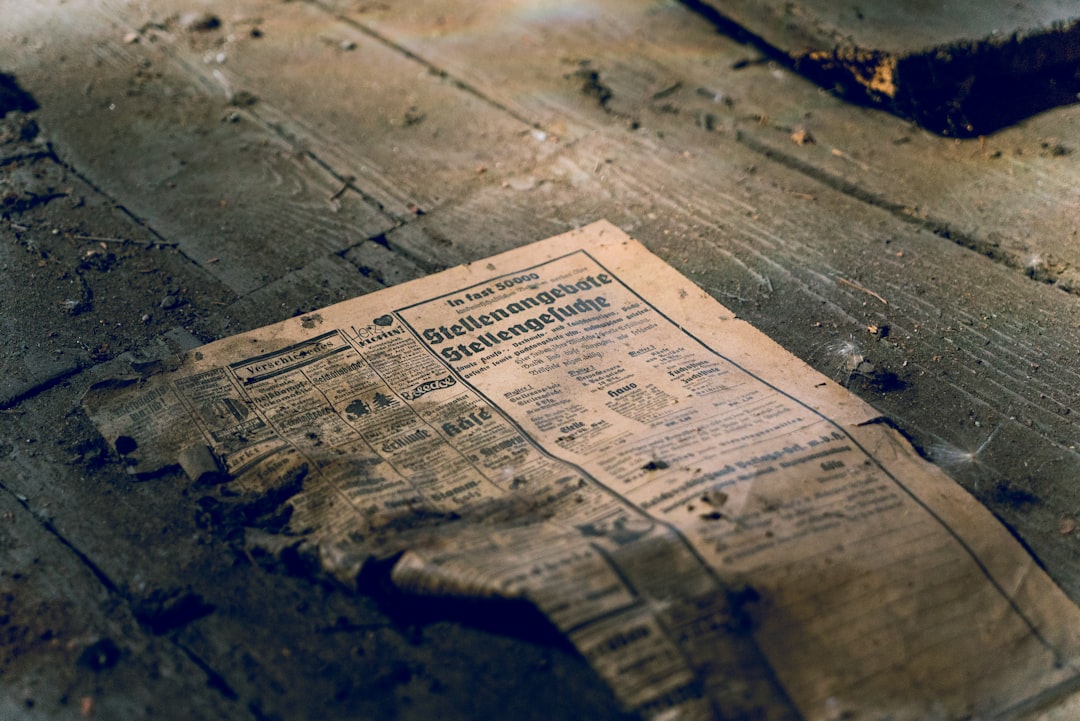
Archaeology, often romanticized as a treasure hunt or a quest for lost civilizations, serves a more profound purpose: the meticulous reconstruction of the past. It is a discipline uniquely positioned to challenge long-held beliefs, rectify historical inaccuracies, and, at times, expose deliberate deceptions. By meticulously unearthing and interpreting material culture, archaeologists provide tangible evidence, acting as silent witnesses to events that transcended written records or were deliberately distorted within them. This process of “uncovering history” is not merely about discovering ancient artifacts but about piecing together the human story with an unprecedented level of objectivity, allowing the modern observer to discern truth from fabrication.
The veracity of historical accounts often rests on the selective interpretation of written documents, oral traditions, and the biases inherent within their creation. Archaeology, however, bypasses these filters by dealing directly with the physical remnants of past societies. These “receipts” of human activity – be they pottery shards, building foundations, burial sites, or refuse heaps – offer an unvarnished glimpse into daily life, power structures, and belief systems.
Material Evidence as Primary Source
Unlike texts, which can be edited, censored, or fabricated, archaeological remains are a direct product of human interaction with their environment. A broken amphora, for instance, speaks volumes about trade networks, consumption patterns, and even social status, independent of any accompanying inscription. The stratigraphy of a site, the layering of deposits over time, provides an undeniable chronological framework, allowing researchers to date events relative to one another with considerable accuracy.
Dating Techniques and Their Role
Absolute dating methods, such as radiocarbon dating, dendrochronology, and thermoluminescence, provide concrete numerical ages for artifacts and sites. These scientific techniques act as powerful arbiters against speculative chronologies or politically motivated historical revisions. When a text claims an event occurred in a particular era, but archaeological evidence, dated through rigorous scientific methods, places the associated material culture in a different period, the discrepancy demands immediate attention and critical re-evaluation of the textual source.
In the fascinating realm of archaeology, the uncovering of historical truths often leads to the exposure of long-held misconceptions. A related article that delves into this theme is “History Lies Exposed: Archaeological Receipts,” which explores how recent discoveries have challenged established narratives. For those interested in the intricate relationship between archaeology and history, this article provides valuable insights and compelling evidence. You can read more about it by visiting this link.
Challenging Established Narratives
History, as commonly understood, is often a product of the victors, the powerful, and those with the means to record their perspectives. Archaeology, conversely, offers a voice to the voiceless, unearthing the experiences of common people, marginalized groups, and forgotten civilizations that might otherwise remain submerged beneath the weight of dominant narratives.
Unearthing the “Silent Majorities”
Traditional historical accounts frequently focus on monarchs, battles, and political treaties. However, archaeological excavations provide invaluable insights into the daily lives, economic activities, and social structures of the vast majority of the population who never appeared in official records. The arrangement of a domestic space, the tools used for farming, or the types of food consumed, painted on the canvas of archaeological remains, reconstruct a far more holistic and inclusive picture of the past.
Reframing Historical Events
Consider the conventional understanding of certain historical events. For centuries, tales of glorious empires and their sweeping conquests dominated historical discourse. Yet, archaeological findings often reveal the devastating human cost of these expansions, the forced displacements, the environmental degradation, and the cultural assimilation endured by conquered populations. This tangible evidence forces a re-examination of triumphalist narratives, offering a more nuanced and often sobering perspective on historical “progress.”
Exposing Forgeries and Fabrications
The allure of the past has, regrettably, often been accompanied by attempts to manipulate it for various motives, ranging from personal gain to nationalist propaganda. Archaeology stands as a steadfast bulwark against such deceptions, possessing the tools and methodologies to detect and expose fabricated artifacts and distorted historical claims.
Identifying Authenticity Through Context
The most crucial aspect of verifying an artifact’s authenticity is its archaeological context. An object discovered in situ, within a meticulously documented stratigraphic layer, offers a wealth of contextual information regarding its age, function, and cultural associations. Conversely, an artifact lacking clear provenance, purchased from an illicit market, or presented without any accompanying contextual data, immediately raises red flags. Its story is incomplete, and its historical value compromised until further verification.
Scientific Analysis of Materials
Beyond context, scientific analysis plays a pivotal role in unmasking forgeries. The chemical composition of metals, the petrographic analysis of pottery, and the microscopic examination of pigments can reveal whether an object’s materials and manufacturing techniques are consistent with the purported period of its creation. An ancient-looking artifact, upon analysis, might reveal modern glazes or anachronistic elemental compositions, unequivocally marking it as a forgery.
The Case of Piltdown Man
One of the most famous archaeological hoaxes, the Piltdown Man, serves as a stark reminder of the importance of rigorous scientific scrutiny. For decades, the fossil fragments, purported to be the “missing link” in human evolution, misled scientists. It was only through meticulous re-examination and dating techniques in the mid-20th century that the skull was revealed to be a composite of a medieval human skull and an orangutan jaw, deliberately stained to appear ancient. This incident underscored the necessity of skepticism and independent verification in the advancement of knowledge.
Unmasking Propaganda and Ideological Agendas
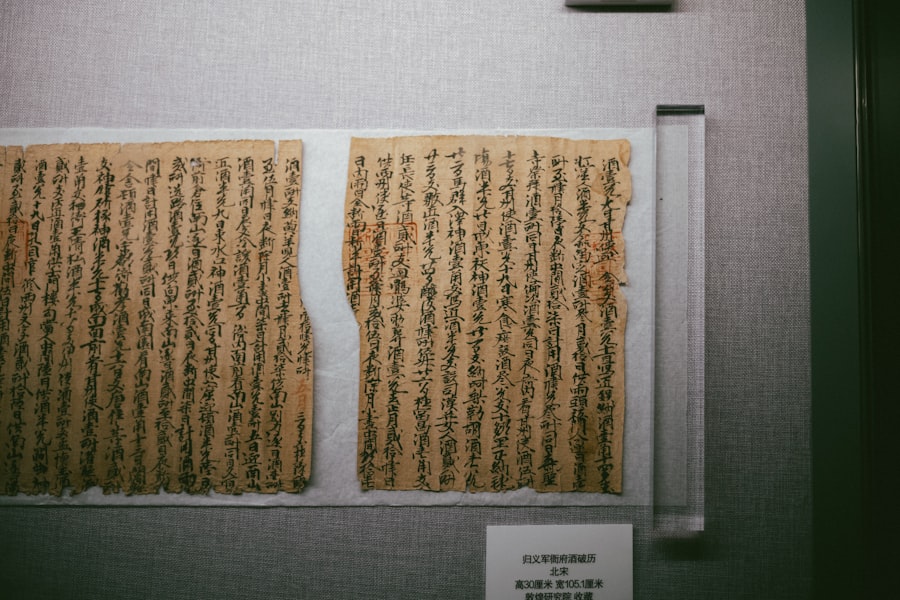
Throughout history, political regimes and ideological movements have sought to legitimize their claims by twisting or inventing their historical roots. Archaeology, with its grounding in material reality, often serves as a powerful antidote to such machinations, dismantling fabricated narratives designed to serve contemporary political agendas.
Challenging Nationalist Histories
Nationalist ideologies frequently construct elaborate historical narratives to assert a unique identity, territorial claims, or a sense of inherent superiority. These narratives often cherry-pick historical facts or invent glorious pasts that lack empirical support. Archaeological research, by contrast, can expose the fluidity of ancient populations, the interconnectedness of cultures, and the often arbitrary nature of modern borders, thus undermining monolithic nationalist histories grounded in myth.
Debunking Myth-Making for Political Gain
Consider instances where ancient ruins are appropriated and reinterpreted to support modern political claims. A government might selectively highlight certain aspects of an archaeological site to bolster its legitimacy or to justify territorial expansion, ignoring evidence that contradicts its narrative. Archaeologists, operating under ethical mandates, are obliged to present all available evidence, even if it challenges state-sanctioned versions of history, acting as unyielding guardians against the weaponization of the past.
The Maya Collapse: A Reframing
For a long time, the collapse of Classic Maya civilization was attributed primarily to warfare or environmental catastrophe. While these factors certainly played a role, extensive archaeological research has revealed a more complex picture, including widespread endemic societal unrest, resource mismanagement, and prolonged periods of drought. This archaeological depth moved beyond facile explanations, offering a multidimensional understanding that countered simplistic narratives of imperial decline.
In the fascinating realm of archaeology, the uncovering of historical truths often leads to revelations that challenge our understanding of the past. A recent article titled “History Lies Exposed: Archaeological Receipts” delves into the intriguing findings that have emerged from various excavation sites, shedding light on how artifacts can rewrite narratives we thought were settled. For those interested in exploring this topic further, you can read the full article here. The insights provided not only enhance our appreciation for ancient cultures but also highlight the importance of ongoing research in the field.
The Continuous Rewriting of History
| Archaeological Site | Claimed Historical Fact | Evidence Found | Discrepancy Noted | Impact on Historical Understanding |
|---|---|---|---|---|
| Trojan War Site (Hisarlik, Turkey) | Existence of a grand city as described in Homer’s Iliad | Ruins of multiple ancient cities, some destruction layers | Evidence suggests multiple settlements, not a single grand city | Challenges the literal interpretation of Homeric epics as historical fact |
| Great Zimbabwe | Constructed by ancient Phoenicians or outsiders | Artifacts and architecture linked to indigenous Shona culture | Disproves colonial-era myths attributing construction to foreigners | Restores recognition of African indigenous achievements |
| King Arthur’s Camelot (Tintagel, England) | Historical castle built by King Arthur | Medieval fortifications dating to 5th-6th century | No direct evidence linking site to Arthurian legend | Suggests Arthur is more myth than historical figure |
| Shroud of Turin | Burial cloth of Jesus Christ | Radiocarbon dating places cloth in medieval period (13th-14th century) | Contradicts claim of 1st-century origin | Indicates shroud is a medieval artifact, not a biblical relic |
| Piltdown Man (England) | Early human ancestor fossil | Composite of human skull and orangutan jaw | Proven hoax through modern testing | Highlights importance of scientific verification in archaeology |
History is not a static monolith; it is a dynamic, evolving understanding of the past, constantly refined and revised as new evidence emerges. Archaeology acts as a primary engine for this continuous process of re-evaluation, providing the fresh data necessary to challenge assumptions and push the boundaries of historical knowledge.
The Cumulative Nature of Discovery
Every excavation, every artifact recovered, every scientific analysis contributes to a larger tapestry of understanding. Even seemingly minor discoveries can have profound implications, shifting scholarly consensus, or opening entirely new avenues of inquiry. This cumulative process ensures that historical narratives are never truly finalized but remain subject to ongoing scrutiny and refinement.
Fostering Critical Thinking
By demonstrating how historical facts are constructed and interpreted, archaeology inherently fosters critical thinking skills. It teaches the reader to question sources, to look for multiple perspectives, and to consider the biases inherent in any historical account. Engaging with archaeological findings encourages a nuanced understanding of the past, recognizing its complexities rather than accepting simplified, often misleading, versions. This cultivates an intellectual agility vital for navigating the complexities of the present.
Archaeology, therefore, is far more than a pursuit of ancient treasures. It is a rigorous scientific discipline dedicated to uncovering the factual underpinnings of human history, one artifact, one layer of soil, one buried structure at a time. It serves as an impartial witness, able to corroborate, contradict, and ultimately rectify the narratives that have shaped our understanding of the past. The “receipts” provided by archaeological investigation – the tangible, verifiable evidence – are invaluable tools in this ongoing quest for truth, ensuring that the historical record remains accountable not just to present interpretations, but to the unyielding testimony of the past itself. The reader, engaging with these findings, gains not only knowledge of what was but also a deeper appreciation for the meticulous process by which we discern what truly was, empowering them to critically assess historical claims and narratives encountered in their own time.
WATCH NOW ▶️ WARNING: The Giza Muon Scans Just Changed Everything
FAQs
What is the main focus of the article “History Lies Exposed: Archaeological Receipts”?
The article focuses on uncovering and analyzing archaeological evidence that challenges or revises commonly accepted historical narratives, revealing inaccuracies or misconceptions in traditional history.
What are “archaeological receipts” as mentioned in the article?
“Archaeological receipts” refer to tangible evidence such as artifacts, inscriptions, or excavation records that provide proof or documentation supporting new interpretations of historical events.
How do archaeological findings contribute to revising historical accounts?
Archaeological findings provide physical proof that can confirm, contradict, or add nuance to written records and oral traditions, enabling historians to reassess and sometimes correct established historical accounts.
Can archaeological evidence completely rewrite history?
While archaeological evidence can significantly alter or refine historical understanding, it rarely completely rewrites history; instead, it often fills gaps, clarifies ambiguities, or challenges specific details within broader historical contexts.
Why is it important to expose inaccuracies in historical narratives through archaeology?
Exposing inaccuracies helps create a more accurate and comprehensive understanding of the past, promotes critical thinking, and prevents the perpetuation of myths or biased interpretations that can influence cultural identity and education.