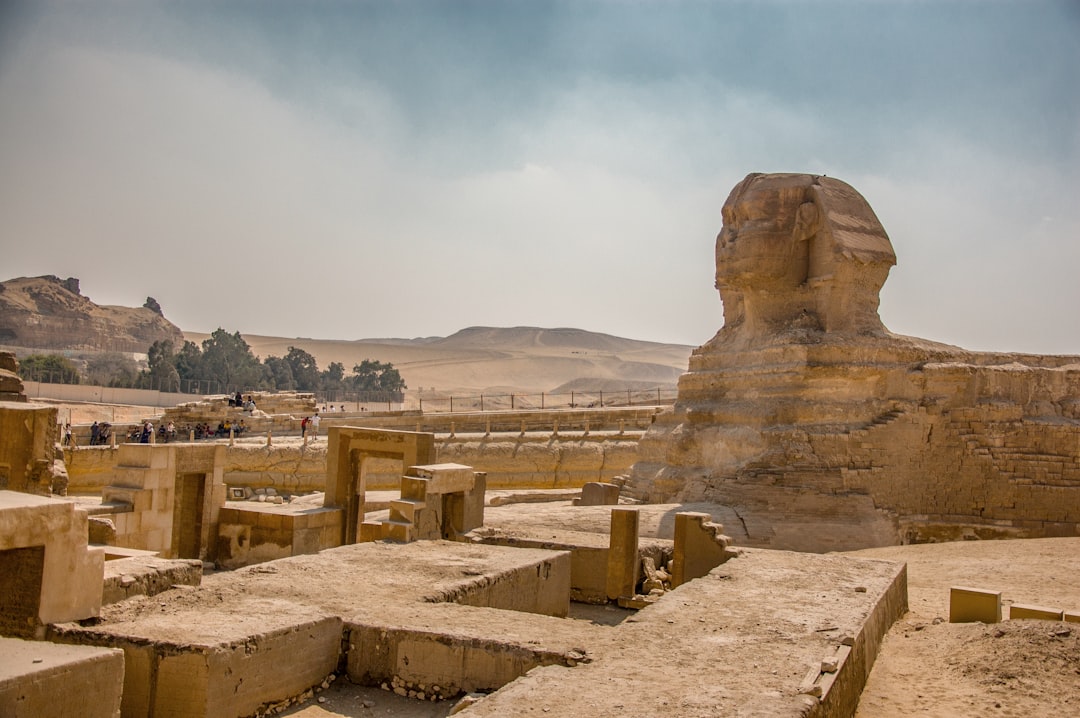
Archaeology, an intricate dance with the dust of millennia, stands poised at the cusp of a remarkable year. As 2025 dawns, the field is not merely excavating sites; it is unearthing narratives, deciphering whispers of forgotten civilizations, and illuminating corners of human history that have long been shrouded in obscurity. This is a journey into the heart of what archaeology promises to reveal in the coming year, where cutting-edge technology meets the enduring allure of the past.
The 21st century battlefield for archaeological discovery is increasingly digital. In 2025, the tools and techniques employed in the field are evolving at an unprecedented pace, transforming how we interact with the silent witnesses of history. This digital revolution is not a replacement for traditional methods, but rather an amplification, allowing archaeologists to “see” the unseen and analyze data with a granularity previously unimaginable.
LiDAR and Remote Sensing: Peering Through the Veil
The application of Light Detection and Ranging (LiDAR) technology continues to be a cornerstone of modern archaeological exploration. In 2025, expect to see its widespread deployment in densely vegetated regions, where it acts as an X-ray for dense foliage. By bouncing laser beams off the terrain, LiDAR can strip away the canopy, revealing subtle topographical features that indicate the presence of ancient settlements, agricultural systems, and even clandestine routes. This technology offers a bird’s-eye view, uncovering the skeletal remains of lost cities beneath the skin of the modern landscape.
Mapping Unseen Networks: Beyond Individual Structures
Beyond simply identifying structures, LiDAR’s ability to generate high-resolution Digital Elevation Models (DEMs) will be crucial for understanding the interconnectedness of ancient societies. In 2025, researchers will focus on analyzing these detailed maps to identify complex networks of roads, irrigation canals, and defensive perimeters, painting a clearer picture of settlement patterns and logistical strategies. Imagine tracing the arteries of an ancient empire, laid bare by light.
Environmental Archaeology Integrated with Remote Sensing: Understanding the Landscape
The integration of remote sensing data with environmental archaeology will deepen our understanding of how past societies interacted with their changing environments. In 2025, LiDAR data, combined with satellite imagery and spectral analysis, will allow for the reconstruction of ancient ecosystems and the identification of resource management practices. This allows us to ask not only what they built, but how they lived within their world.
AI and Machine Learning: Deciphering the Code of the Past
Artificial Intelligence (AI) and machine learning are rapidly moving from theoretical applications to practical, indispensable tools in the archaeologist’s arsenal. In 2025, these advanced computational methods will be employed to sift through vast datasets, identify patterns, and even predict the location of potential archaeological sites.
Automated Site Detection: Predictive Power in Unexplored Territories
AI algorithms, trained on datasets of known archaeological sites and their associated environmental factors, will be employed in 2025 for predictive modeling. This allows for more efficient allocation of resources, guiding ground surveys to areas with the highest probability of yielding significant discoveries. It’s akin to having a seasoned detective with superhuman pattern recognition skills, sifting through millions of clues.
Object Recognition and Classification: Cataloging the Material Culture
Machine learning excels at object recognition. In 2025, AI systems will be trained to identify and classify artifacts from photographic surveys, excavation records, and even 3D scans. This could dramatically speed up the cataloging process, freeing up human experts for more interpretive tasks. Imagine an AI diligently sorting through a digital mountain of pottery shards, identifying typologies and stylistic variations with remarkable speed.
Reconstruction of Fragmented Texts: Bridging the Gaps in Ancient Literature
The painstaking process of reconstructing damaged or fragmented ancient texts, such as cuneiform tablets or papyri, will see significant advancements through AI in 2025. Machine learning models can learn patterns of language, grammar, and scribal conventions to propose missing words or phrases with a higher degree of accuracy than ever before, rebuilding lost narratives piece by digitally painted piece.
3D Modeling and Virtual Excavations: Bringing the Past to Life
The advent of high-resolution 3D scanning and photogrammetry has revolutionized how archaeological data is recorded and disseminated. In 2025, these techniques will be further integrated into the research process, offering immersive experiences and new avenues for analysis.
Digital Preservation and Archiving: Safeguarding Heritage for Future Generations
3D models of artifacts, structures, and entire sites serve as invaluable digital archives. In 2025, this digital preservation will be crucial for safeguarding cultural heritage, especially in regions prone to conflict or natural disasters. These virtual replicas are indefatigable guardians of our collective memory.
Virtual Reality (VR) and Augmented Reality (AR) in Research and Public Engagement: Experiencing History
The immersive capabilities of VR and AR will continue to evolve in 2025, moving beyond mere visualization to become integral research tools. Imagine virtually walking through a reconstructed Roman villa, not just to see it, but to analyze sightlines, spatial relationships, and the flow of movement. Furthermore, AR applications will allow for the overlay of historical reconstructions onto real-world sites, offering a dynamic and engaging visitor experience.
In the realm of ancient mysteries and archaeological secrets, the year 2025 promises to unveil groundbreaking discoveries that could reshape our understanding of history. A fascinating article titled “Unearthing the Past: New Archaeological Secrets of 2025” delves into the latest findings and theories surrounding ancient civilizations, exploring how advanced technologies are aiding researchers in their quest. To read more about these intriguing developments, visit the article at Unearthing the Past: New Archaeological Secrets of 2025.
Unlocking the Secrets of Civilization: Key Areas of Focus in 2025
While technological advancements provide the tools, the heart of archaeology lies in the questions it seeks to answer. 2025 promises significant breakthroughs in understanding the complexities of ancient societies, their origins, their interactions, and their eventual decline.
The Dawn of Human Society: Rethinking Early Civilizations
The very definition of “civilization” has always been a fluid concept, and 2025 is poised to challenge some long-held assumptions about the earliest complex societies. Ongoing research and new discoveries are pushing back timelines and revealing unexpected levels of sophistication in prehistoric communities.
Beyond the Fertile Crescent: Discovering Sister Civilizations
While Mesopotamia and Egypt have traditionally been viewed as the cradles of civilization, 2025 will likely see increased focus on, and potential discoveries from, other regions that developed complex societies independently. Evidence from South America, the Indus Valley, or even the Baltic region could rewrite our understanding of human ingenuity and societal development. These are not just whispers from the past, but entire forgotten symphonies waiting to be conducted.
The Rise of Social Complexity: Evidence of Early Governance and Inequality
Archaeological sites from the Neolithic and early Bronze Age are becoming increasingly important in understanding the origins of social hierarchy, governance, and even early forms of statehood. In 2025, researchers will be looking for evidence of specialized labor, monumental architecture that signifies collective effort, and burial practices that reveal social stratification, all of which are seeds of the complex societies that followed.
The Role of Technology in Early Social Stratification: Tools as Status Symbols
The introduction of new technologies, such as advanced metallurgy or sophisticated agricultural tools, often played a significant role in shaping early social structures. In 2025, archaeologists will analyze the distribution and use of these technologies to understand how they contributed to the formation of elites and the division of labor, revealing how early advancements became gilded chains of status.
Crossroads of Empires: Trade, Conflict, and Cultural Exchange
The ancient world was a dynamic network of interconnected societies, where ideas, goods, and people traversed vast distances. 2025 promises to shed new light on the intricate relationships between these ancient powers.
Tracing Trade Routes: The Globalized Ancient World
The physical traces of ancient trade routes – shipwrecks, caravan routes, and the diffusion of exotic goods – offer invaluable insights into the economic and cultural connections between distant lands. In 2025, archaeometric analysis of traded materials, coupled with more sophisticated mapping of potential routes facilitated by remote sensing, will help to reconstruct these ancient supply chains with greater precision. Imagine following the invisible threads of commerce that bound the ancient world together.
The Archaeology of Conflict: Understanding Ancient Warfare and its Consequences
The scars of ancient conflict are etched into the landscape in the form of fortifications, battlefields, and the remains of besieged cities. In 2025, interdisciplinary approaches, combining geophysical surveys with forensic analysis of skeletal remains, will aim to reconstruct the tactics, scale, and human cost of ancient warfare. These sites are silent testaments to the enduring human drama of conquest and resistance.
Cultural Hybridity: The Melting Pot of Ancient Societies
Interactions between different cultures inevitably lead to cultural exchange and hybridization. In 2025, archaeologists will be scrutinizing artifact assemblages, architectural styles, and even linguistic evidence to identify instances of cultural borrowing, adaptation, and the creation of new, syncretic traditions. These sites are living museums of cultural fusion.
The Daily Lives of Ordinary People: Beyond the Elite Narrative
For too long, archaeological narratives have been dominated by the stories of kings, queens, and conquerors. However, the advent of new methodologies and a growing emphasis on social archaeology are bringing the lives of everyday people into sharper focus.
Domestic Spaces and Household Archaeology: The Microcosm of Society
The study of domestic spaces, from humble dwellings to more elaborate houses, provides a window into the daily routines, social structures, and family dynamics of ancient populations. In 2025, continued excavation of residential areas, coupled with detailed analysis of domestic artifacts found within them, will offer a rich tapestry of ordinary life. These are the forgotten laboratories where human society was practiced.
Diet and Health: Revealing Nutritional Habits and Disease Patterns
The analysis of human skeletal remains and the examination of preserved food remains offer direct evidence of ancient diets, nutritional status, and the prevalence of diseases. In 2025, advanced isotopic analysis and paleopathological studies will provide increasingly detailed insights into the health and well-being of ancient populations, revealing the challenges and triumphs of everyday survival.
Craftsmanship and Labor: The Unsung Heroes of Ancient Economies
The tools, workshops, and finished products of ancient artisans reveal the skills, ingenuity, and labor that underpinned ancient economies. In 2025, research will focus on understanding the organization of craft production, the social status of craftspeople, and the impact of their work on daily life, bringing to light the unseen hands that shaped the ancient world.
Emerging Frontiers: Pushing the Boundaries of Archaeological Inquiry
The discipline of archaeology is not static; it is constantly pushing its own boundaries, exploring new methodologies and venturing into previously inaccessible territories. 2025 promises to witness exciting developments in these emerging frontiers.
Underwater Archaeology: Exploring the Sunken Archives
The vast majority of our planet is covered by water, and beneath its surface lie countless submerged archaeological sites, holding secrets of maritime history, trade, and lost settlements.
Shipwrecks as Time Capsules: Preserving Vessels and Cargo
Shipwrecks, particularly those found in anaerobic environments, can preserve remarkably intact evidence of ancient vessels, their cargo, and the lives of their crews. In 2025, ongoing expeditions to explore and document these underwater archives will continue to yield significant discoveries, offering unparalleled snapshots of their respective eras. These sunken vessels are time machines, offering direct voyages into the past.
Submerged Landscapes and Coastal Archaeology: Recovering Lost Worlds
Rising sea levels have submerged vast areas of coastal land throughout history, creating underwater landscapes that hold the remnants of ancient settlements and human activity. In 2025, advancements in underwater survey techniques, including sonar and remotely operated vehicles (ROVs), will be crucial for mapping and investigating these submerged terrestrial environments, bringing lost worlds back into the light.
The Ethics of Underwater Heritage: Balancing Discovery and Preservation
As our capacity to explore and recover underwater heritage grows, so too do the ethical considerations surrounding its management and preservation. In 2025, discussions and best practices regarding responsible excavation, artifact conservation, and the protection of underwater cultural heritage will continue to be paramount.
Geoarchaeology: The Earth as a Historical Record
Geoarchaeology, the study of the Earth and its processes in relation to archaeological sites, provides a crucial context for understanding human behavior and environmental change.
Reconstructing Past Environments: Weather Patterns and Climate Change
By analyzing sediment cores, soil profiles, and mineralogical data, geoarchaeologists can reconstruct past environmental conditions, including climate, vegetation, and hydrological cycles. In 2025, this research will be vital for understanding how ancient societies adapted to, and were impacted by, environmental changes, offering a long-term perspective on climate history.
Understanding Site Formation Processes: How the Earth Preserves or Destroys Evidence
The study of how archaeological sites form – through natural processes like erosion and deposition, or human activities – is essential for interpreting the archaeological record accurately. In 2025, geoarchaeological investigations will continue to refine our understanding of site formation processes, helping us to distinguish between intentional deposition and accidental accumulation, and to assess the integrity of archaeological evidence.
The Interplay of Geology and Human Migration: Shaping Settlement Patterns
Geological features, such as rivers, coastlines, and mountain ranges, have always played a significant role in shaping human migration patterns and settlement locations. In 2025, geoarchaeological studies will further explore these relationships, revealing how the Earth itself acted as a silent architect of human history.
Forensic Archaeology: Applying Archaeological Techniques to Modern Investigations
The methodologies honed by archaeology are increasingly being applied to modern criminal investigations, a field known as forensic archaeology.
Excavating Crime Scenes with Archaeological Precision: Discovering What Lies Beneath
Forensic archaeologists bring their meticulous excavation techniques to crime scenes, carefully unearthing buried evidence that may have been overlooked by traditional methods. In 2025, this has the potential to revolutionize the investigation of cold cases and challenging crime scenes, uncovering buried truths with the same care as unearthing a lost city.
Identifying Human Remains: Age, Identity, and Cause of Death
Forensic archaeology, often in conjunction with forensic anthropology and odontology, plays a vital role in identifying human remains, determining age, sex, ancestry, and potential cause of death. In 2025, advancements in DNA analysis and dating techniques will further enhance the ability to extract critical information from skeletal evidence.
Mass Grave Investigations: Bearing Witness to Atrocities
In cases of mass atrocities, forensic archaeology is essential for the dignified recovery, identification, and documentation of victims. In 2025, these investigations will continue to provide crucial evidence for understanding human rights abuses and bringing perpetrators to justice, serving as a solemn reminder of humanity’s darkest chapters.
The Future of archaeology: Ethical Considerations and Public Engagement
As archaeology continues to evolve, so too do the responsibilities that come with its discoveries. In 2025, a strong emphasis will be placed on ethical practice and broader public engagement.
Repatriation and the Ethical Treatment of Cultural Heritage
The debate surrounding the repatriation of cultural artifacts to their countries of origin continues to be a significant issue. In 2025, archaeological institutions and governments will be increasingly tasked with navigating these complex ethical landscapes, ensuring that cultural heritage is respected and returned to its rightful custodians.
Collaborative Archaeology and Indigenous Partnerships: Respecting Ancestral Lands
A critical development in 2025 will be the further strengthening of collaborative archaeology, particularly partnerships with indigenous communities. This ensures that research is conducted with respect for ancestral lands, cultural protocols, and the wishes of descendant communities, fostering a more equitable and inclusive approach to understanding the past.
The Politics of Artifacts: Museums and Decolonial Practices
The role of museums in displaying and housing cultural artifacts is under increasing scrutiny. In 2025, expect continued dialogue and action regarding decolonial practices, including revised exhibition strategies and a greater emphasis on community engagement and co-curation.
Archaeology for Everyone: Inspiring Future Generations
The allure of the past is universal, and in 2025, efforts will be amplified to make archaeology accessible and engaging for a wider audience.
Citizen Science and Community Archaeology: Unearthing History Together
Citizen science initiatives and community archaeology projects empowers the public to participate directly in archaeological research. In 2025, these programs will continue to grow, offering invaluable data collection and fostering a deeper appreciation for local heritage, proving that history is not just something to be read about, but something to be actively uncovered.
Educational Outreach and Digital Platforms: Sharing the Secrets Widely
Leveraging digital platforms, online courses, and engaging public programming will be key in 2025 to disseminate archaeological knowledge and inspire the next generation of archaeologists. These efforts will transform dusty archives into vibrant learning spaces accessible to anyone with an internet connection.
The Enduring Relevance of Archaeology: Understanding Our Present through the Past
Ultimately, archaeology is not simply about cataloging ancient objects; it is about understanding the trajectory of human civilization, the recurring patterns of human behavior, and the enduring challenges and triumphs that have shaped our present. As 2025 unfolds, the secrets unearthed by archaeology will continue to offer profound insights, reminding us that the footsteps of our ancestors echo not only in the earth beneath our feet, but also in the very fabric of our contemporary lives. The past, it seems, is never truly buried; it waits, patiently, to be rediscovered.
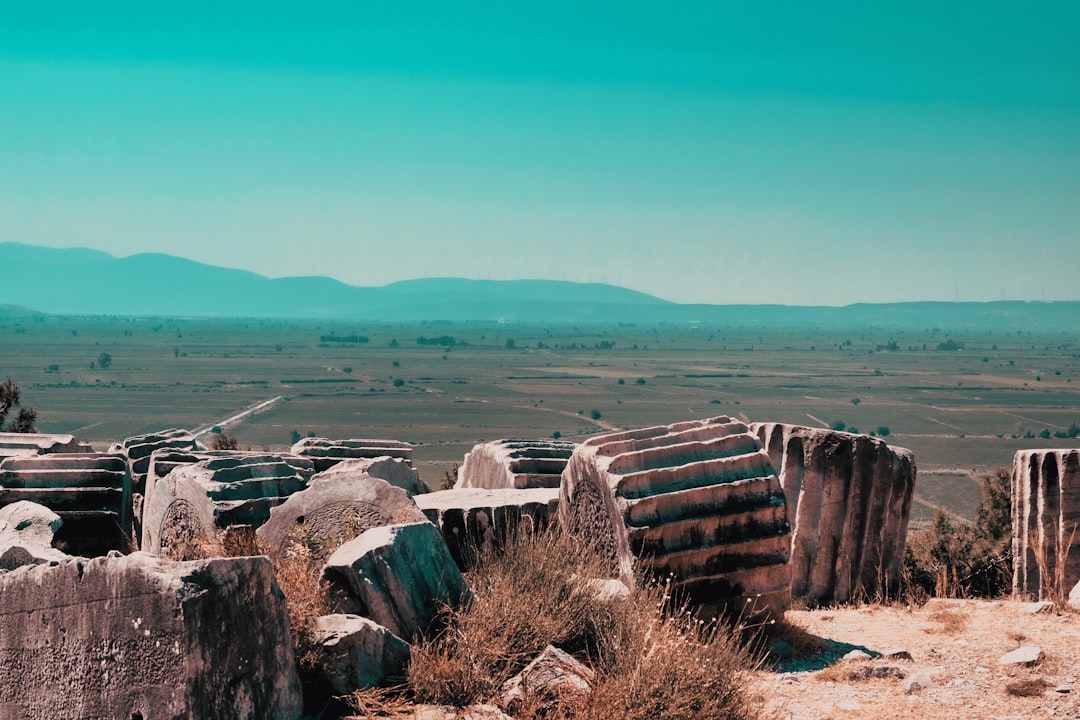
WATCH NOW ▶️ WARNING: The Giza Muon Scans Just Changed Everything
FAQs
What are some of the most significant ancient mysteries explored in archaeology in 2025?
In 2025, archaeologists have focused on mysteries such as the construction techniques of the Great Pyramids, the purpose of the Nazca Lines in Peru, the origins of the Indus Valley Civilization, and the function of megalithic structures like Stonehenge.
How have new technologies advanced the study of ancient archaeological secrets in 2025?
Technologies such as ground-penetrating radar, LiDAR scanning, drone imaging, and AI-based data analysis have significantly enhanced the ability to discover and interpret ancient sites without extensive excavation, revealing hidden structures and artifacts.
What role do ancient texts and inscriptions play in uncovering archaeological secrets?
Ancient texts and inscriptions provide critical context and information about historical events, cultural practices, and languages, helping archaeologists to better understand the societies that created the artifacts and structures they study.
Are there any recent discoveries in 2025 that have changed our understanding of ancient civilizations?
Yes, recent discoveries such as previously unknown burial sites, advanced urban planning in ancient cities, and new artifacts have provided fresh insights into social organization, trade networks, and technological capabilities of ancient civilizations.
How do archaeologists ensure the preservation of ancient sites while conducting research?
Archaeologists use non-invasive techniques, careful excavation methods, and collaborate with conservation experts to protect sites. They also work with local communities and governments to promote sustainable preservation practices.