The Secret Purpose of Cathedral Acoustics: Creating a Divine Connection
Cathedral acoustics are not merely an accidental byproduct of grand architectural design; they are a meticulously crafted element intended to foster a profound connection between the worshipper and the divine. This deliberate manipulation of sound within sacred spaces serves a fundamental purpose, extending beyond mere aesthetic enhancement to actively shape the spiritual experience. Understanding these acoustic principles reveals a sophisticated interplay of architecture, physics, and theology, where the very air within the building becomes an instrument of devotion.
The architectural choices made in constructing cathedrals have a direct and quantifiable impact on how sound behaves. This is not simply about making the space echo; it is about orchestrating a sonic environment that encourages a particular psychological and spiritual state.
The Echo as a Divine Whispers: Understanding Reverberation
Reverberation, the persistence of sound after the original sound has stopped, is arguably the most defining acoustic characteristic of cathedrals. This phenomenon, quantified by reverberation time (RT60), is typically much longer in these vast stone structures compared to secular buildings. A typical church or cathedral might have an RT60 of 3-6 seconds, compared to perhaps 1-2 seconds in a concert hall designed for speech intelligibility, or even less in a typical home.
- The Physics of Lingering Sound: This prolonged decay is a result of the highly reflective surfaces that dominate cathedral interiors: stone walls, vaulted ceilings, and elaborate carvings. Sound waves, upon encountering these materials, bounce off rather than being absorbed. The sheer volume of the space also allows sound to travel further before dissipating. Imagine sound as a flock of birds; in a highly absorptive space, they quickly land and quiet down. In a cathedral, they flutter and circle for extended periods.
- The Psychological Impact of Extended Sound: The lingering echoes create a sense of spaciousness and timelessness. For the worshipper, this can be interpreted as the divine presence being ever-present, its voice never truly fading. The extended decay allows individual sounds, such as a spoken word, a sung note, or the ringing of a bell, to blend and swell, creating a more immersive and enveloping auditory experience. This is distinct from the clarity desired in secular communication; here, the fusion of sounds is paramount.
- The Enhancement of Sacred Music: The prolonged reverberation is particularly beneficial for sacred music, such as Gregorian chant and polyphony. These musical forms often feature sustained notes and harmonic progressions that are designed to interact with the acoustic environment. The echoes can “fill out” the sound, giving it a richer, more resonant quality that can feel otherworldly. A single sung note, for instance, can seem to bloom and envelop the listener, creating a sense of awe.
The Directionality of Divine Communication: Sound Focusing and Diffusion
While diffusion, the scattering of sound waves, is essential for a more uniform listening experience, certain acoustic features in cathedrals are designed to create specific sonic focal points and direct sound in particular ways.
- The Altar as a Sonic Nexus: The altar, the focal point of worship, is often positioned in a way that acoustically enhances the spoken word or the performance of music emanating from it. Features like apse curvature or carefully placed architectural elements can subtly redirect sound waves towards the congregational areas, ensuring that important liturgical pronouncements are heard, even if the intelligibility is not absolute.
- The Pulpit and its Acoustic Shadow: Conversely, pulpits, from which sermons are delivered, may have acoustics designed for clarity and projection. However, the overall cathedral acoustic will still imbue the spoken word with a certain gravitas, the echoes adding weight and resonance to the preacher’s message.
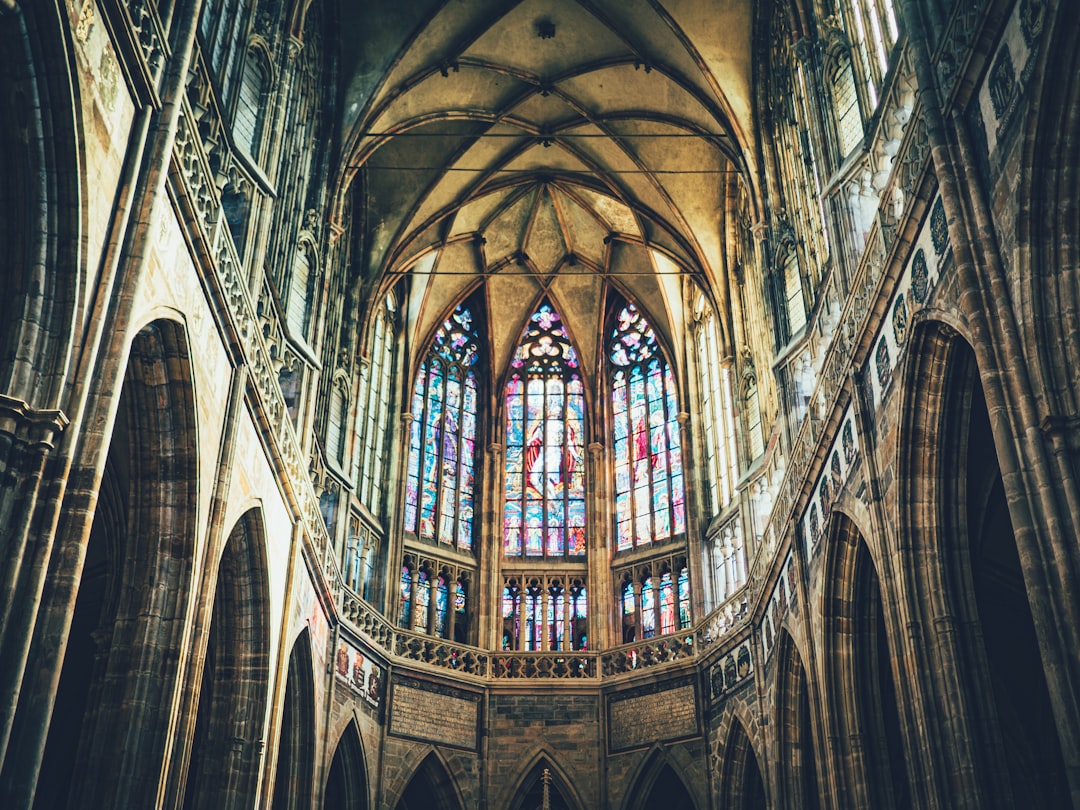
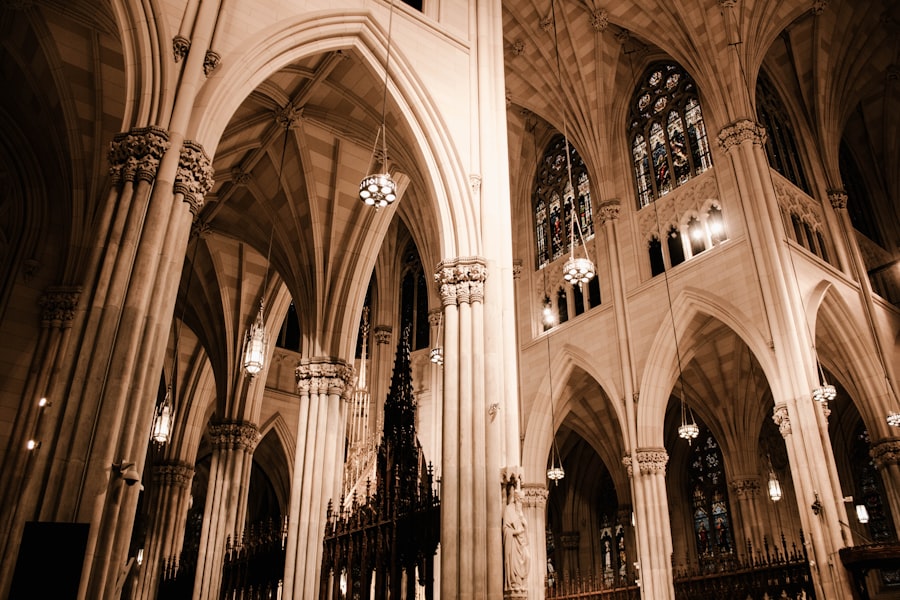
- The Role of Vaulting: The soaring, vaulted ceilings, while contributing to reverberation, also play a role in diffusing sound. The complex geometries can scatter sound waves, preventing harsh echoes and creating a more diffused, enveloping sound field. This prevents the listener from being overwhelmed by direct sound and allows the reverberant sound to contribute more effectively to the overall ambience.
Cathedral acoustics have long fascinated researchers and enthusiasts alike, as they reveal the intricate relationship between architecture and sound. The secret purpose of these acoustics often extends beyond mere aesthetics, influencing the spiritual experience of worshippers. For a deeper understanding of how historical systems, including debt and peonage, shaped societal structures and possibly even the design of sacred spaces, you can explore the article on this topic at Uncovering Ancient Debt Peonage Systems: A Historical Perspective. This connection highlights the multifaceted nature of cathedrals, where sound, history, and social dynamics converge.
Architectural Elements as Sonic Sculptures: Building for Divine Sound
The materials and forms employed in cathedral construction are not merely aesthetic choices; they are integral to shaping the sonic landscape, acting as deliberate instruments within the acoustic architecture.
The Majesty of Stone: Material Properties and Sound Reflection
The predominant use of stone, such as limestone, sandstone, and granite, is a cornerstone of cathedral acoustics. These materials are inherently hard and dense, possessing very low sound absorption coefficients.
- Sound Absorption Coefficients Defined: Sound absorption coefficients (SAC) measure how much sound a material absorbs. Materials like concrete, stone, and glass have SACs close to 0, meaning they reflect almost all incident sound. Soft materials like carpets, heavy curtains, and acoustic foam, by contrast, have SACs closer to 1, absorbing a significant portion of sound.
- The Amplification Effect of Stone: The consistent use of stone throughout the interior ensures that sound waves are continuously reflected from floor to ceiling, wall to wall. This creates an environment where sound energy is sustained and amplified, transforming even a soft whisper into a palpable presence. The cumulative effect of these reflections builds what is known as “sound pressure level” at different points within the space.
- The Impact of Surface Texture: While stone is generally reflective, variations in surface texture, such as polished marble versus rough-hewn stone, can subtly alter the nature of the reflections. Smoother surfaces tend to produce more specular (mirror-like) reflections, while rougher surfaces lead to more diffuse reflections. This interplay contributes to the overall richness and complexity of the cathedral’s sound.
The Cathedral as a Resonant Cavity: Volume and Shape
The sheer scale and specific geometric configurations of cathedrals are crucial to their acoustic properties. They are, in essence, enormous resonant cavities.
- The Principle of Resonance: Resonance occurs when an object vibrates at its natural frequency when exposed to sound waves of that same frequency. In a cathedral, the large volume of air and the reflective surfaces create ideal conditions for various resonant frequencies to be excited. This can lead to certain pitches being naturally amplified, contributing to a sense of grandeur and sonic richness. Imagine blowing across the top of a bottle, creating a resonant hum; a cathedral is a vastly more complex version of this phenomenon.
- The Influence of Nave and Aisles: The long, central nave, flanked by aisles, creates a defined pathway for sound to travel, contributing to its ability to sustain and carry. The high vaulted ceilings, often reaching heights of 30-50 meters, create immense vertical space, further enhancing reverberation and contributing to the sense of awe.
- The Apse and its Acoustic Function: The apse, the semicircular or polygonal termination of the choir, often plays a significant acoustic role. Its curved shape can focus sound towards the congregation, and its size contributes to the overall resonant qualities of the space. The acoustic of the apse has been the subject of much study, with some researchers suggesting it may have been designed to enhance the sounds of chanting and religious pronouncements.
The Liturgical Harmony: Sound Design for Worship
The acoustic design of cathedrals is inextricably linked to the practices of worship that they were built to accommodate. The soundscape was intended to support and enhance specific liturgical functions.
The fascinating world of cathedral acoustics often reveals hidden purposes behind their grand designs, which can be explored further in an intriguing article about ancient mariners and their maps. These structures were not only built for aesthetic beauty but also to enhance sound, creating an immersive experience for worshippers. To delve deeper into the mysteries of historical navigation and its connections to architectural acoustics, you can read more in this related article. Understanding these elements can provide a richer appreciation of how sound and space have shaped human experiences throughout history.
The Power of the Spoken Word: Clarity Amidst Complexity
While reverberation is a hallmark, the spoken word, a central element of Christian liturgy, requires a degree of intelligibility to convey its message. Cathedral acoustics strive for a balance between enveloping resonance and understandable speech.
- The Role of Tongue and Cloister: The design of the nave and choir areas often considers the balance between direct sound from the speaker and the reflected sound. Architects understood that the sheer volume and reflective surfaces would naturally lead to echoes, so they would subtly shape the space to ensure that speech remains comprehensible. This often involved optimizing the distance between the speaker and the congregation, as well as the geometry of the listening areas.
- The Natural Amplification of Voice: The hard surfaces of the cathedral act as a natural amplifier for the human voice. A preacher speaking with moderate volume can have their voice carry throughout the vast space due to the reflections. This meant that elaborate amplification systems, as understood today, were not necessary. The building itself was the sound system.
- Intelligibility Thresholds: While not as clear as a modern lecture hall, the important elements of the liturgy – prayers, readings, sermons – were designed to be understood. Studies in architectural acoustics have explored the concept of “speech intelligibility” in historical spaces, concluding that while perfect clarity might be lost, the essence of the message was retained and elevated by the acoustic environment.
The Elevation of Music: Orchestrating the Divine Symphony
Sacred music, from plainchant to complex choral works, is a fundamental component of religious services, and cathedral acoustics are paramount to its effectiveness.
- Gregorian Chant and its Acoustic Symbiosis: Gregorian chant, with its monophonic, unmetered nature, thrives in the reverberant environment of a cathedral. The sustained notes blend seamlessly, creating a meditative and immersive experience. The natural decay of the sound allows for smooth transitions between phrases and a sense of continuity.
- Polyphony and the Interplay of Voices: The development of polyphony, which involves multiple independent melodic lines sung simultaneously, further exploits the cathedral’s acoustic properties. The echoes can create a sense of spatial separation between the voices, highlighting their individual lines while also blending them into a rich harmonic tapestry. The long reverberation acts as a unifying force, weaving together the disparate vocal elements.
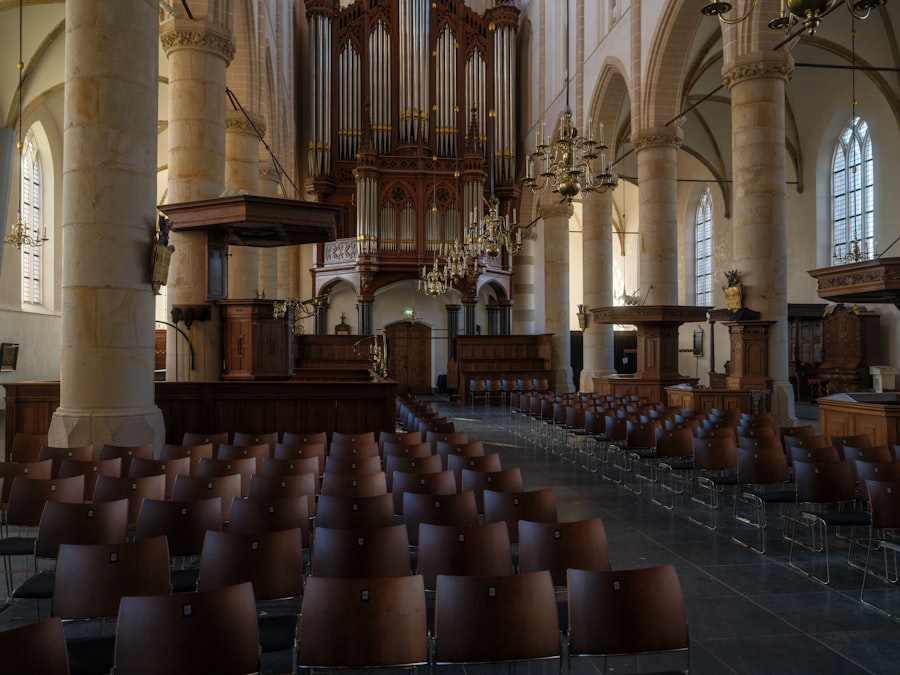
- Organ Music as a Sonic Pillar: The pipe organ, often a prominent feature in cathedrals, is perfectly suited to these spaces. Its vast dynamic range and tonal variety can fill the immense volume, its powerful sounds resonating and lingering, reinforcing the grandeur of the architecture and the spiritual message. The organ’s ability to produce both sustained tones and rapid passages allows it to interact dynamically with the cathedral’s acoustics.
The Theology of Sound: Acoustic as a Manifestation of the Divine
The deliberate acoustic design of cathedrals reflects a deep theological understanding of how sound can serve as a conduit to the divine. The intention was not merely to create a pleasant sound, but to facilitate a spiritual encounter.
The Sacredness of Space: “Thin Places” and Sonic Revelation
Cathedral acoustics contribute to the perception of these spaces as “thin places,” where the veil between the earthly and the divine is believed to be particularly permeable. The unique sonic environment can evoke feelings of transcendence and awe.
- The concept of “thin places”: This term, often used in spiritual contexts, refers to locations where one feels a heightened sense of connection to the sacred or the spiritual realm. The unique acoustic characteristics of a cathedral contribute significantly to this feeling.
- Evoking Transcendence: The enveloping sound, the sense of vastness communicated through acoustics, and the way music and spoken word are transformed by the space can all contribute to a feeling of being lifted beyond the ordinary. The reverberation can act as a metaphor for the ongoing, eternal nature of the divine.
- The “Unseen” Made Audible: In a space where visual grandeur is abundant, acoustics offer a different dimension of sensory experience – the unseen made audible. The sounds that linger and swell can suggest a presence that is not confined by physical form. This can foster contemplation and a sense of mystery, elements central to many spiritual traditions.
The Divine Encounter: Sound as a Bridge to the Sacred
The acoustic design actively seeks to prepare the worshipper for a meaningful encounter with the divine. The soundscape is curated to foster introspection, reverence, and a sense of spiritual presence.
- Silence as a Precursor to Sound: Paradoxically, the understanding of acoustics also involves the appreciation of silence. The intentional creation of spaces that can hold sound also allows for the appreciation of the absence of sound, making the subsequent arrival of music or spoken word even more impactful. This contrast between silence and sound can mirror the spiritual journey of moving from the mundane to the sacred.
- The Collective Experience of Sound: The way sound moves through a cathedral, encompassing everyone present, reinforces a sense of community and shared spiritual purpose. The unified experience of being enveloped by the same sonic tapestry can foster a collective sense of devotion.
- Acoustics as a Form of Prayer: In a profound sense, the very act of designing and experiencing these acoustics can be seen as a form of prayer. It is a deliberate effort to create an environment where spiritual communion can occur, a testament to the belief that the divine can be encountered through sensory experience. The enduring power of these spaces lies in their ability to continue to facilitate this connection, generation after generation.

WATCH NOW ▶️ WARNING: They Erased The World Before Us
FAQs
What is the primary purpose of cathedral acoustics?
The primary purpose of cathedral acoustics is to enhance the sound quality within the space, allowing music and speech to be heard clearly and reverberate beautifully throughout the large interior.
How do cathedral designs influence their acoustics?
Cathedral designs, including high vaulted ceilings, stone walls, and large open spaces, create natural reverberation and echo effects that amplify sound and contribute to the unique auditory experience.
Why is reverberation important in cathedral acoustics?
Reverberation enriches the sound by prolonging it, which enhances musical performances and spoken word, making them more immersive and spiritually uplifting for the congregation.
Do cathedral acoustics affect different types of sound differently?
Yes, cathedral acoustics tend to favor lower frequencies and sustained sounds, such as organ music and choral singing, while rapid speech or percussive sounds may be less clear due to echo and reverberation.
How have modern technologies influenced the understanding of cathedral acoustics?
Modern technologies like acoustic modeling and sound measurement tools have allowed architects and engineers to better understand and replicate the acoustic properties of cathedrals, improving sound design in both restoration projects and new constructions.