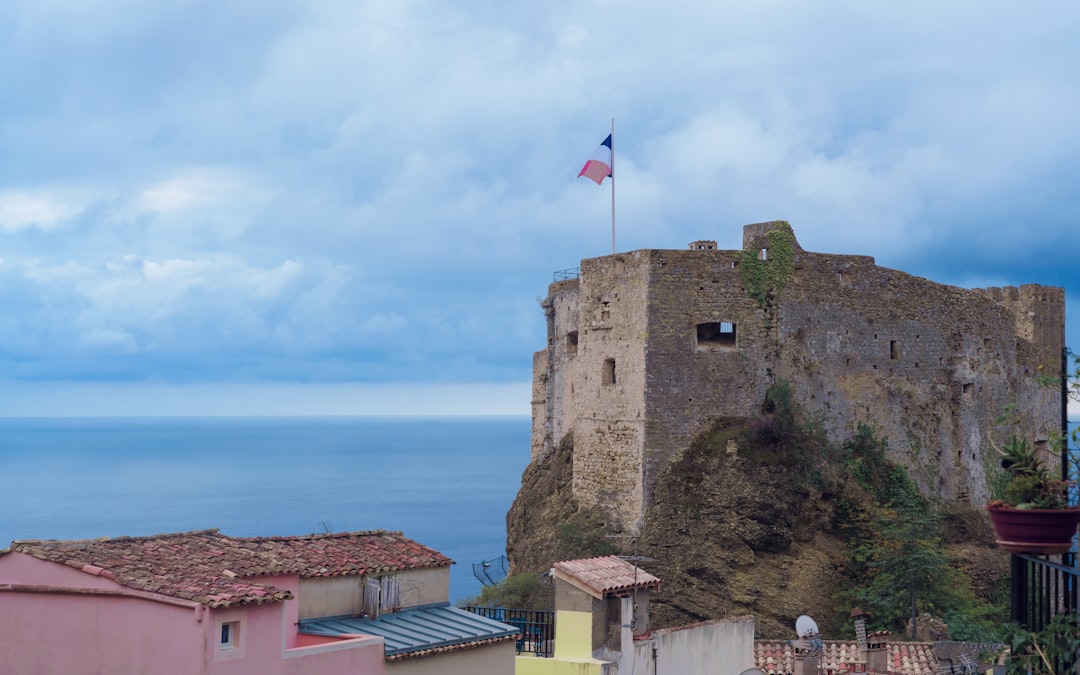
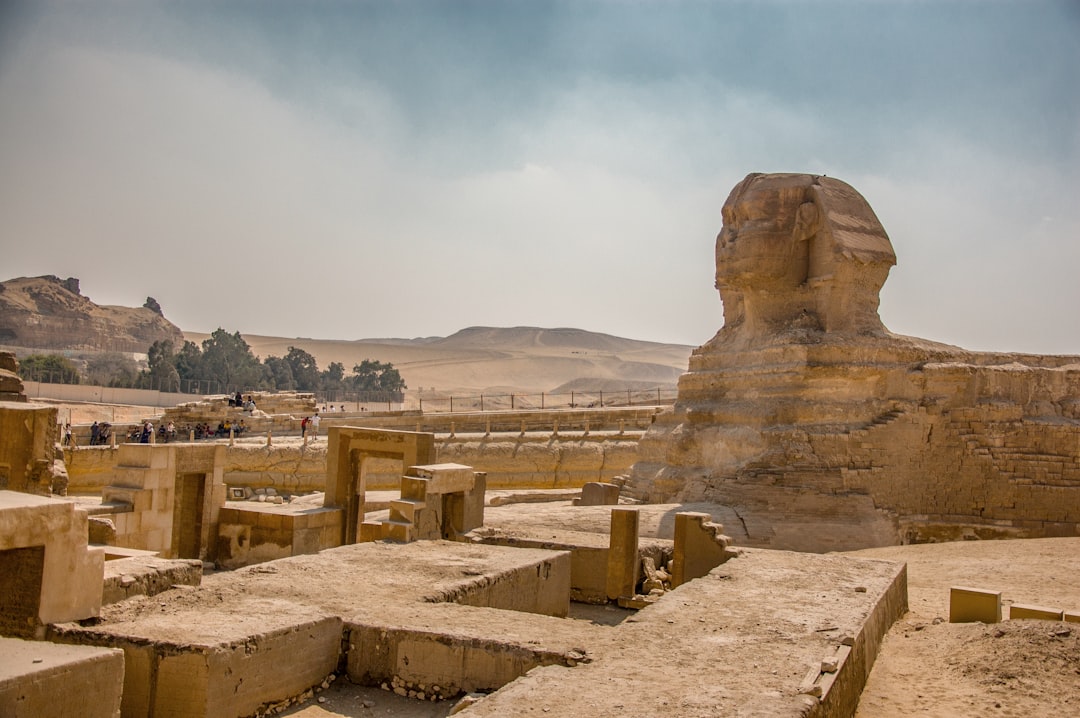
When one considers the phrase “Old World architecture,” a tapestry of styles immediately unfolds in the mind. This isn’t merely a collection of buildings; it is a chronicle etched in stone, a tangible manifestation of human ingenuity, cultural values, and technological advancements spanning millennia. From the colossal pyramids of ancient Egypt to the soaring cathedrals of Gothic Europe, these structures stand as testament to societies that prioritized permanence, symbolism, and a profound connection to their beliefs. Unlike many ephemeral modern constructions, Old World architecture was often conceived with an eye towards immortality, designed to withstand the ravages of time and serve as a lasting legacy for future generations.
1.1 The Weight of History: Architecture as a Primary Source
Historians and archaeologists frequently treat architecture from the Old World as a primary source of information. The styles, materials, construction techniques, and decorative elements offer invaluable insights into the social structures, religious practices, political systems, and technological capabilities of the civilizations that produced them. For instance, the monumental scale and meticulous craftsmanship of Roman public works – aqueducts, amphitheaters, and bathhouses – eloquently speak to their advanced engineering prowess, their emphasis on civic life, and the organizational capacity of their empire. Similarly, the defensive fortifications of medieval castles provide a tangible understanding of the constant warfare and social hierarchies prevalent during that era.
1.2 A Dialogue Across Eras: Enduring Principles of Design
Despite the vast temporal and geographical distances separating different Old World architectural traditions, certain underlying principles frequently emerge. A keen understanding of rhythm, proportion, symmetry, and hierarchy often guided the design process. Whether it was the golden ratio influencing Greek temples or the deliberate asymmetry in some Japanese castles, architects consistently sought to create aesthetically pleasing and functionally effective spaces. This deliberate approach to design, often based on mathematical principles and a deep understanding of human perception, contributes significantly to the enduring appeal and structural integrity of these ancient masterpieces.
The grandeur of old world buildings can often be attributed to the architectural techniques and cultural values of their time, which prioritized durability and aesthetic appeal. For a deeper understanding of how ancient civilizations adapted their structures to withstand environmental challenges, you can explore the article on surviving drought in ancient cities. This piece highlights the ingenuity of past societies in creating resilient urban environments, which often featured impressive buildings that have stood the test of time. To read more, visit this article.
2. Classical Orders and Divine Proportions: The Greco-Roman Legacy
Perhaps no stylistic lineage has exerted a more pervasive influence on Western architecture than the classical tradition, primarily developed in ancient Greece and refined by the Romans. This period introduces us to a system of architectural language that continues to resonate in contemporary design. The emphasis on clarity, order, and idealized forms laid the groundwork for countless subsequent architectural movements.
2.1 The Orders of Greece: A Vocabulary of Form
The Greek architectural orders – Doric, Ionic, and Corinthian – represent more than just different types of columns. They are distinct systems of proportion, ornamentation, and structural expression, each evoking a specific aesthetic and symbolic quality. The robust, unadorned Doric, with its sturdy fluted columns and simple capital, conveys a sense of strength and austerity. The elegant Ionic, characterized by its volutes (scrolls) on the capital, introduces a element of grace and sophistication. The elaborate Corinthian, with its acanthus leaf motif, signals opulence and grandeur. These orders were not merely decorative; they were fundamental to the structural integrity and aesthetic harmony of temples and other public buildings.
2.2 Roman Innovation: Mastering the Arch and Concrete
While the Romans adopted and adapted much from Greek architecture, they were also formidable innovators, particularly in the realms of engineering and materials science. Their mastery of the arch, vault, and dome allowed them to enclose vast interior spaces and span remarkable distances, surpassing the limitations of post-and-lintel construction. The development of Roman concrete, a highly durable and versatile building material, further revolutionized construction, enabling the creation of complex structures like the Pantheon, with its colossal unreinforced concrete dome. This period marks a pivotal shift in architectural capability, allowing for unprecedented scales and forms.
2.3 Empire’s Enduring Marks: Aqueducts, Amphitheaters, and Triumphal Arches
The architectural legacy of the Roman Empire is characterized by an emphasis on public works designed to serve and impress. Aqueducts, such as the Pont du Gard, are monuments to their engineering prowess, providing essential infrastructure for growing cities. Amphitheaters, like the Colosseum, housed gladiatorial contests and public spectacles, reflecting the Roman appetite for mass entertainment. Triumphal arches, adorned with intricate reliefs, served as monumental gateways celebrating military victories and imperial power. These structures are not merely relics; they are instructional texts on Roman society, priorities, and ambition.
3. Medieval Marvels: Faith, Fealty, and Fortification

Following the decline of the Roman Empire, Europe entered the Middle Ages, an era that produced its own distinct and equally awe-inspiring architectural forms. This period, often incorrectly labeled a “dark age,” was in fact a flourishing time for innovation in construction, driven by religious fervor, feudal power structures, and the exigencies of defense.
3.1 Romanesque Robustness: Castles and Monasteries
The Romanesque style, prevalent from roughly the 10th to the 12th centuries, emerged with a distinctive character. Influenced by Roman basilica forms, Romanesque churches and cathedrals are characterized by their massive walls, round arches, barrel vaults, and small, deeply set windows. This architectural language conveys a sense of heavy solidity, imbuing structures with a fortress-like quality that speaks to the turbulent times in which they were built. Monasteries, serving as centers of learning and agricultural production, were often built in this style, designed for both spiritual contemplation and practical resilience. Castles too, inherently defensive structures, perfected the art of strategic placement and formidable construction, with motte-and-bailey designs evolving into impressive stone keeps and concentric walls.
3.2 Gothic Grandeur: The Ascent to the Divine
The Gothic style, succeeding Romanesque in the mid-12th century, represents a radical departure and a profound architectural revolution. Driven by a desire for greater height, luminosity, and spatial integration, Gothic architects developed ingenious structural innovations. The pointed arch, the ribbed vault, and the flying buttress collectively allowed for thinner walls, larger windows, and unprecedented verticality. Stained-glass windows, transforming light into a kaleidoscope of color, became integral to the spiritual experience, illuminating biblical narratives for the illiterate populace. Think of Chartres Cathedral or Notre Dame de Paris; these are not mere buildings, but aspirations reaching heavenward, a physical manifestation of theological ambition.
3.3 The Art of Defense: Evolution of the Medieval Castle
The medieval castle is another hallmark of this era, evolving from simple earthen works to vast and complex stone fortresses. This evolution was driven by advancements in siege warfare and the constant need for protection. Early castles often utilized natural topography, while later designs incorporated sophisticated defensive features such as moats, drawbridges, portcullises, murder holes, and concentric curtain walls. Each element was meticulously planned to slow an attacker, provide strategic vantage points for defenders, and withstand protracted sieges. These castles are not just architectural achievements; they are tactical manuals written in stone, reflecting the harsh realities of medieval power struggles.
4. Renaissance Resurgence and Baroque Brilliance: A Return to Classical Ideals and Theatricality

The Renaissance, beginning in 14th-century Italy, marked a deliberate “rebirth” of classical ideals after the medieval period. Architects consciously looked back to Greco-Roman models for inspiration, translating their principles into a new aesthetic that emphasized harmony, order, and humanism. This was followed by the Baroque, a period of dramatic flair and emotional intensity.
4.1 Renaissance Harmony: Symmetry, Proportion, and Humanism
Renaissance architecture embraced the purity and rationality of classical forms, but reinterpreted them for a new age. Architects like Filippo Brunelleschi and Leon Battista Alberti meticulously studied ancient Roman ruins, extracting their principles of symmetry, proportion, and modularity. Domes, arches, and classical orders reappeared, but often with a lightness and sophistication that distinguished them from their ancient predecessors. The emphasis shifted towards human-scaled spaces, reflecting the era’s burgeoning humanism. Palaces, villas, and churches were designed to convey intellectual rigor, refined taste, and a renewed confidence in human achievement. The dome of Florence Cathedral and the Pazzi Chapel are seminal examples of this period’s clarity and elegance.
4.2 Baroque Drama: Movement, Emotion, and Illusion
The Baroque style, emerging in the late 16th century, represented a dramatic counterpoint to the measured elegance of the Renaissance. Characterized by grandeur, movement, emotion, and theatricality, Baroque architecture sought to overwhelm the senses and evoke a sense of awe. Curved forms, elaborate ornamentation, chiaroscuro effects (the interplay of light and shadow), and monumental scale were employed to create dynamic, immersive spaces. Churches, like Bernini’s Piazza San Pietro in Rome or Borromini’s San Carlo alle Quattro Fontane, became stages for spiritual experience, designed to draw the viewer into a dramatic narrative. Palaces, such as Versailles, used Baroque principles to project immense power and wealth, their elaborate facades and opulent interiors serving as symbols of absolute monarchy.
4.3 Rococo Refinement: Intimacy and Ornamentation
As a later development of the Baroque, the Rococo movement in the 18th century brought a lighter, more intimate, and playful aesthetic. While still highly ornamental, Rococo abandoned the monumental scale and dramatic intensity of the Baroque for a more delicate, curvilinear, and asymmetrical style. Interiors were often characterized by pastel colors, intricate stucco work, frescoes depicting idyllic scenes, and an abundance of mirrors and gilded details, creating an atmosphere of elegant frivolity and luxurious comfort. This style was particularly favored for private residences and salon spaces, reflecting a shift in aristocratic taste towards more intimate social gatherings and refined pleasures.
The grandeur of old world buildings can often be attributed to the architectural styles and cultural significance they embody, which reflect the values and aspirations of their time. For instance, the intricate designs and monumental scales of these structures serve not only as functional spaces but also as symbols of power and artistry. A fascinating exploration of how modern industries, such as electric vehicle manufacturing, are shaping contemporary architecture can be found in a related article that discusses Mexico’s growing role in this sector. You can read more about it here.
5. Beyond the West: Diverse Traditions of Enduring Grandeur
| Aspect | Description | Impact on Grandeur |
|---|---|---|
| Architectural Style | Use of classical styles such as Gothic, Baroque, Renaissance, and Neoclassical | Elaborate designs and intricate details create a majestic appearance |
| Materials | Durable and high-quality materials like stone, marble, and hardwood | Provides a sense of permanence and luxury |
| Craftsmanship | Skilled artisans and craftsmen invested significant time and effort | Leads to detailed carvings, sculptures, and ornamental features |
| Scale and Proportion | Large scale buildings with grand proportions and high ceilings | Creates awe and emphasizes power or religious significance |
| Symbolism | Buildings often symbolized wealth, power, or religious devotion | Enhanced the building’s importance and grandeur in society |
| Construction Time | Many buildings took decades or centuries to complete | Allowed for meticulous planning and refinement of design |
| Technological Limitations | Limited machinery meant more manual labor and craftsmanship | Resulted in unique, handcrafted details and robust structures |
While much of the discussion regarding Old World architecture often centers on European traditions, it is crucial to recognize the incredible breadth and depth of architectural achievements across Asia, Africa, and the Americas prior to significant European contact. These traditions, often developed in isolation or through distinct cultural exchanges, offer equally compelling narratives of human ingenuity and artistic expression.
5.1 Asian Architectures: Spirituality, Symbolism, and Harmony with Nature
Asian architecture encompasses a vast array of styles, each informed by unique philosophies, religions, and environmental contexts.
5.1.1 The Great Wall of China and Imperial Palaces
The Great Wall of China, an immense defensive undertaking spanning millennia, is a testament to extraordinary engineering and sustained human labor. Beyond its functional purpose, its serpentine form winding through the landscape embodies principles of harmony with nature. Imperial palaces, such as the Forbidden City in Beijing, exemplify Chinese architectural principles of axial symmetry, hierarchical arrangement of courtyards and buildings, and symbolic ornamentation, all designed to project imperial power and cosmic order.
5.1.2 Japanese Castles and Temple Complexes
Japanese architecture, too, displays a profound reverence for natural materials and a subtle aesthetic. Castles like Himeji Castle, with their tiered roofs and complex defensive layouts, blend defensive resilience with an elegant visual appeal. Buddhist temples and Shinto shrines, often built from wood and integrating seamlessly into natural landscapes, reflect spiritual principles through their serene spatial arrangements and understated beauty.
5.1.3 Indian Temples and Mughal Masterpieces
Indian temple architecture, from the rock-cut caves of Ajanta and Ellora to the soaring gopurams of South Indian temples, is characterized by intricate sculpture, vibrant iconography, and a deep connection to spiritual narratives. Later, the Mughal Empire introduced magnificent architectural forms, blending Persian, Islamic, and indigenous Indian styles to create masterpieces like the Taj Mahal, a sublime mausoleum renowned for its perfect symmetry, exquisite marble inlay, and poetic symbolism.
5.2 African Architectural Heritage: ingenuity in Indigenous Materials
African architecture, often overlooked in broader architectural surveys, boasts a rich and diverse heritage, showcasing remarkable ingenuity in adapting to local climates and utilizing indigenous materials.
5.2.1 Ancient Egyptian Monuments: Pillars of Eternity
The pyramids of Giza, the temples of Luxor and Karnak, and the mortuary temples of the New Kingdom pharaohs stand as unparalleled examples of monumental architecture. Constructed with immense blocks of stone, these structures served as eternal resting places for rulers and revered deities, embodying a profound belief in the afterlife and the cosmic order. Their scale, precision, and longevity speak volumes about the organizational capacity and astronomical knowledge of ancient Egyptian civilization.
5.2.2 The Great Mosque of Djenné and Sahelian Mud Architecture
In West Africa, the Great Mosque of Djenné in Mali is a striking example of Sahelian architecture, constructed almost entirely from sun-dried mud bricks and wood scaffolding. Its majestic, organic forms, frequently replastered by the community in an annual festival, demonstrate a deep understanding of local materials and climate, creating naturally insulated and enduring structures. Similar mud-brick architectures can be found across the Sahel region, reflecting a sustainable and culturally rich building tradition.
5.3 Pre-Columbian Grandeur: Mesoamerican and Andean Achievements
Before European contact, the civilizations of the Americas developed sophisticated architectural traditions, often characterized by monumental scale, precise astronomical alignment, and elaborate sculptural decoration.
5.3.1 Mesoamerican Pyramids and Urban Centers
The Maya, Aztec, and Teotihuacan civilizations constructed vast ceremonial centers and urban complexes. The pyramids of Teotihuacan, such as the Pyramid of the Sun and the Pyramid of the Moon, are monumental earthworks faced with stone, aligned with cosmological principles. Maya cities like Tikal and Palenque boast impressive temple-pyramids, intricate palaces, and ball courts, all adorned with elaborate hieroglyphic carvings that narrate their history and cosmology.
5.3.2 Andean Stone Masonry: Machu Picchu and Cusco
In the Andes, the Inca Empire perfected astonishing stone masonry techniques, fitting massive, irregularly shaped blocks together with such precision that no mortar was required, forming earthquake-resistant structures. Machu Picchu, a royal estate nestled high in the mountains, exemplifies Inca architectural genius, blending harmoniously with its natural surroundings. The city of Cusco, the Inca capital, also showcases remarkable stonework, with monumental walls and foundations that endure to this day.
In examining these diverse traditions, one discovers not just a mosaic of styles, but a testament to humanity’s universal impulse to build, to symbolize, and to leave an indelible mark on the landscape, each culture weaving its unique narrative into the fabric of Old World architecture.
WATCH NOW ▶️ WARNING: They Erased The World Before Us
FAQs
1. What architectural styles are commonly seen in Old World buildings?
Old World buildings often feature architectural styles such as Gothic, Baroque, Renaissance, Romanesque, and Classical. These styles are characterized by intricate details, grand facades, and the use of durable materials like stone and marble.
2. Why were Old World buildings constructed to be so large and grand?
Old World buildings were often designed to demonstrate wealth, power, and religious devotion. Large and grand structures served as symbols of authority for monarchs, religious institutions, and wealthy patrons, reflecting their social status and cultural importance.
3. What materials were typically used in the construction of Old World buildings?
Common materials included stone, brick, marble, and wood. Stone and marble were favored for their durability and aesthetic appeal, allowing buildings to withstand the test of time and maintain their grandeur.
4. How did craftsmanship contribute to the grandeur of Old World buildings?
Skilled artisans and craftsmen played a crucial role by creating detailed sculptures, frescoes, stained glass windows, and ornamental carvings. Their expertise added artistic value and intricate beauty, enhancing the overall magnificence of the structures.
5. Are Old World buildings still relevant in modern architecture?
Yes, Old World buildings continue to influence modern architecture through their emphasis on proportion, symmetry, and decorative elements. Many contemporary architects draw inspiration from these historic styles to create buildings that blend tradition with modern functionality.