
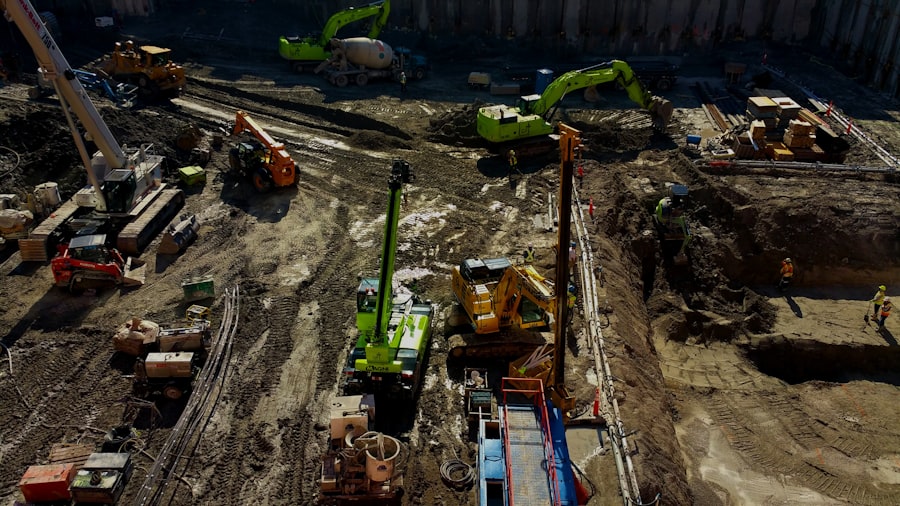
In the early 1920s, a team of archaeologists led by the renowned Howard Carter embarked on an expedition that would change the course of history. Their destination was the Valley of the Kings in Egypt, a site long believed to be the final resting place of pharaohs and their treasures. After years of searching, they stumbled upon a hidden entrance, obscured by centuries of sand and neglect.
As they cleared away the debris, excitement surged through the team; they had discovered the tomb of Tutankhamun, a young pharaoh who had reigned during a pivotal time in ancient Egyptian history. The moment they entered the tomb, they were met with a sight that would leave an indelible mark on archaeology. The walls were adorned with intricate hieroglyphics, and the air was thick with the scent of antiquity.
Gold artifacts glimmered in the dim light, and the sarcophagus, resting in the center of the chamber, was a masterpiece of craftsmanship. This discovery not only captivated the world but also ignited a frenzy of interest in ancient Egypt. Newspapers across the globe heralded the find, and the tomb became a symbol of human curiosity and the quest for knowledge about a civilization long past.
Key Takeaways
- The discovery of the mummy’s tomb led to a series of mysterious deaths among the archaeologists involved in the dig.
- The curse unleashed from the tomb resulted in a string of unexplained and eerie occurrences, haunting the archaeologists.
- Despite warning signs and superstitions, the archaeologists ignored the potential dangers of disturbing the mummy’s tomb.
- The controversy surrounding the dig and the cursed artifacts sparked a debate about the supernatural and the consequences of disturbing ancient tombs.
- The attempted cover-up of the haunting and cursed artifacts only added to the mystery and fear surrounding the mummy’s tomb.
The Curse Unleashed
As news of the tomb’s discovery spread, so too did whispers of an ancient curse said to protect the resting places of pharaohs. Legends spoke of dire consequences for those who dared to disturb the slumber of the dead. Many dismissed these tales as mere superstition, but others felt an unsettling chill at the thought of awakening something that should remain undisturbed.
The first signs of trouble emerged shortly after the tomb was opened. Members of Carter’s team began to experience strange occurrences—unexplained accidents, illnesses, and even sudden deaths.
The media seized upon these events, framing them as evidence of the curse’s power. Skeptics argued that these incidents were mere coincidences, but as more misfortunes befell those involved in the excavation, belief in the curse grew stronger. The idea that they had unleashed something malevolent became a haunting specter that loomed over their work.
The Mysterious Deaths
The deaths that followed the discovery of Tutankhamun’s tomb were shrouded in mystery and intrigue. Among those who perished was Lord Carnarvon, the financial backer of Carter’s expedition. Just months after entering the tomb, he succumbed to an infected mosquito bite that developed into pneumonia.
His untimely demise sent shockwaves through society, and many began to connect his death to the curse. The media sensationalized his passing, suggesting that he had paid the ultimate price for disturbing the pharaoh’s eternal rest. As time went on, more individuals associated with the excavation met similar fates.
Some died in tragic accidents, while others fell ill under inexplicable circumstances. The list grew longer, and with each new death, public fascination with the curse intensified. The notion that a supernatural force was at play captivated imaginations and fueled speculation about what might have been unleashed from within the tomb’s confines.
The deaths became a grim reminder that history is often intertwined with mystery and that some secrets may be better left buried.
The Warning Signs Ignored
| Warning Signs | Ignored |
|---|---|
| Increased absenteeism | Yes |
| Decline in productivity | Yes |
| High turnover rate | No |
| Low employee morale | Yes |
Despite the mounting evidence suggesting that something sinister was at work, many involved in the excavation chose to dismiss the warning signs. Skepticism ran high among scientists and archaeologists who believed in rational explanations for the events unfolding around them. They attributed illnesses to environmental factors or stress rather than any supernatural influence.
However, as more individuals fell victim to misfortune, it became increasingly difficult to ignore the eerie coincidences. Carter himself remained steadfast in his belief that there was no curse. He continued his work with determination, driven by a passion for uncovering ancient history.
Yet, even he could not escape the growing unease among his peers and supporters. Some began to question whether their pursuit of knowledge had come at too great a cost. The warnings from those who believed in the curse were often brushed aside as mere superstition, but as tragedy struck again and again, it became clear that ignoring these signs could have dire consequences.
The Controversy Surrounding the Dig
The excavation of Tutankhamun’s tomb was not without its controversies. While many celebrated the discovery as a monumental achievement in archaeology, others criticized Carter and his team for their methods and motivations. Some argued that their relentless pursuit of fame and fortune overshadowed their responsibility to preserve Egypt’s cultural heritage.
The media frenzy surrounding the tomb fueled public interest but also raised ethical questions about how artifacts should be treated and displayed. Moreover, tensions arose between Western archaeologists and local Egyptian authorities who felt marginalized in discussions about their own history. The perception that foreign explorers were pillaging their heritage for personal gain created friction that would last for decades.
As artifacts were removed from their original context and displayed in museums around the world, debates about ownership and cultural appropriation intensified. The controversy surrounding the dig highlighted broader issues within archaeology and raised important questions about respect for indigenous cultures.
The Haunting of the Archaeologists
As reports of strange occurrences continued to surface, many archaeologists involved in the excavation began to feel an unsettling presence surrounding them. Some claimed to have experienced vivid nightmares filled with visions of ancient Egypt, while others reported hearing whispers echoing through the tomb’s chambers long after they had left. These experiences fueled speculation about whether they had awakened something from beyond—a spirit angered by their intrusion.
The psychological toll on those involved was significant. Anxiety levels soared as individuals grappled with their fears and doubts about what they had uncovered. Some even sought solace in rituals or protective charms, hoping to ward off any lingering malevolence from the tomb.
The haunting atmosphere became palpable; it was as if an invisible weight pressed down on them, reminding them that they were mere mortals trespassing on sacred ground.
The Cursed Artifacts
Among the treasures unearthed from Tutankhamun’s tomb were artifacts that would later be labeled as cursed objects. These items—jewelry, statues, and ceremonial tools—were believed to carry a malevolent energy that could bring misfortune to their owners. As these artifacts made their way into museums and private collections around the world, stories began to circulate about their supposed powers.
One particularly infamous artifact was a golden scarab amulet said to protect its wearer from harm but also rumored to bring about tragedy if misused. Those who possessed it reported experiencing a series of unfortunate events—accidents, financial ruin, or even illness—leading many to believe that they had been cursed by their connection to this ancient relic. The idea that these objects held a dark legacy only added to their allure and mystique.
The Attempted Cover-Up
As public interest in the curse grew, so did pressure on those involved in the excavation to downplay its significance.
This effort to cover up the narrative surrounding the curse was met with skepticism by those who had witnessed firsthand the strange occurrences linked to their work.
The media played a significant role in shaping public perception during this time. Sensational headlines often exaggerated events or focused solely on tragic outcomes while ignoring rational explanations offered by scientists. This created a dichotomy between those who believed in the curse and those who sought to debunk it—a divide that would persist long after the excavation concluded.
The Aftermath of the Curse
In the years following Carter’s discovery, interest in Tutankhamun’s tomb continued unabated, but so did discussions about its alleged curse. While some individuals dismissed it as mere folklore, others remained convinced that something sinister lingered within its walls. The deaths associated with the excavation left an indelible mark on those involved; many struggled with guilt or fear over what they had unleashed.
As time passed, however, scientific advancements provided new insights into some of these mysterious deaths. For instance, studies revealed that many individuals who fell ill had underlying health conditions exacerbated by stress or environmental factors rather than any supernatural influence. This shift in understanding allowed for a more nuanced perspective on what had transpired during those fateful years in Egypt.
The Lessons Learned
The saga surrounding Tutankhamun’s tomb serves as a cautionary tale about humanity’s relationship with history and archaeology. It highlights the importance of respecting cultural heritage while acknowledging our own limitations as explorers of ancient worlds. The events surrounding this discovery remind us that curiosity must be tempered with responsibility; knowledge should never come at such a high cost.
Moreover, it underscores how narratives can shape our understanding of history—how myths can emerge from real events and take on lives of their own over time. As archaeologists continue to unearth treasures from civilizations long past, they must remain vigilant against repeating mistakes made by those who came before them.
The Legacy of the Mummy’s Tomb
Today, Tutankhamun’s tomb stands as one of archaeology’s most significant discoveries—a testament to both human ingenuity and folly. Its legacy extends beyond mere artifacts; it has sparked countless debates about ethics in archaeology and cultural preservation while captivating generations with tales of curses and mysteries yet unsolved. The fascination with ancient Egypt remains strong; exhibitions featuring artifacts from Tutankhamun’s tomb continue to draw crowds worldwide, reminding us all of our shared history and collective curiosity about what lies beneath our feet—both literally and metaphorically.
As we reflect on this remarkable chapter in history, it becomes clear that while some secrets may be better left buried, others serve as vital lessons for future generations seeking knowledge amidst shadows cast by time itself.
In the realm of archaeological discoveries, not every find is celebrated; some are better left undisturbed. An intriguing article that delves into this notion is featured on Real Lore and Order, where the complexities of unearthing ancient artifacts are explored. The piece, titled “The Dig That Should Have Stayed Buried,” examines the ethical and cultural implications of excavating sites that hold significant historical weight. For those interested in the delicate balance between discovery and preservation, this article offers a thought-provoking perspective. You can read more about it by visiting the Real Lore and Order website.
WATCH THIS! The Lost Tech They Buried to Control Us
FAQs
What is “The Dig that Should Have Stayed Buried” about?
The article “The Dig that Should Have Stayed Buried” discusses the controversial excavation of a historical site and the ethical implications of disturbing ancient artifacts.
Why was the excavation controversial?
The excavation was controversial because it involved disturbing a site that was considered sacred by the local community and because it was conducted without proper consultation with relevant stakeholders.
What were the ethical implications of the excavation?
The excavation raised ethical concerns about the treatment of indigenous cultures, the preservation of historical sites, and the responsibilities of archaeologists and researchers when conducting excavations.
What were the consequences of the excavation?
The consequences of the excavation included backlash from the local community, damage to the site, and a reevaluation of the ethical guidelines for conducting archaeological research.
What lessons can be learned from “The Dig that Should Have Stayed Buried”?
The article highlights the importance of respecting the cultural and historical significance of archaeological sites, the need for meaningful engagement with local communities, and the ethical responsibilities of researchers and archaeologists.