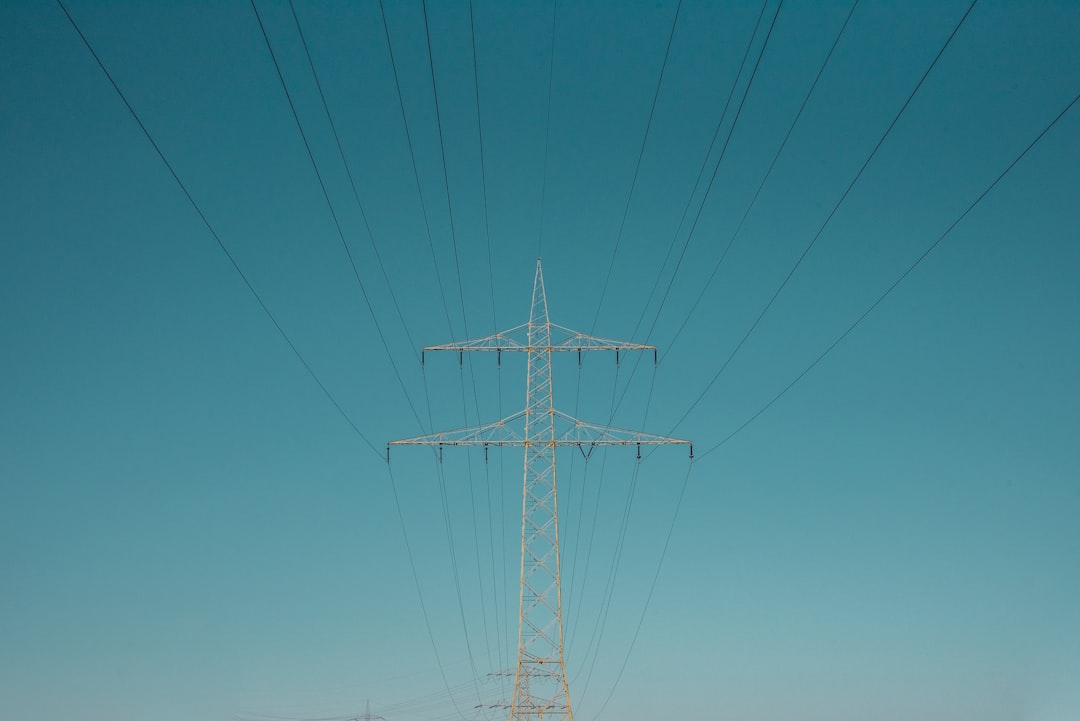
The integration of electricity into architecture represents a profound metamorphosis, transforming not only the physical form of buildings but also the human experience within them. From its nascent, often volatile, introduction to its ubiquitous presence today, electricity has served as both an illuminating force and a silent architect, shaping how we live, work, and interact with our built environment. This article will explore the historical trajectory of this symbiotic relationship, tracing its evolution from the earliest experiments to its current multifaceted role.
The advent of electricity in the 19th century presented a tantalizing, yet formidable, new material for architects and builders. Initially perceived as a dangerous and unpredictable phenomenon, akin to harnessing a tempest, its potential for controlled application slowly began to dawn.
The Dawn of Illumination: Replacing the Flame
Prior to the widespread adoption of electric lighting, interiors were primarily illuminated by open flames – candles and oil lamps. These sources were not only dim and inefficient but also represented a constant fire hazard. The invention of the incandescent light bulb by Thomas Edison and others marked a watershed moment. Suddenly, a cleaner, brighter, and more controllable form of light was available. This innovation had an immediate and dramatic impact on architectural design.
The Gradual Transition from Gaslight
The transition from gas lighting to electric lighting was not instantaneous. Gas networks were already established in many urban centers, and the infrastructure for electric lighting had to be built from the ground up. Early electric lighting systems were often unreliable and expensive, leading to a period of coexistence where buildings might feature both gas and electric fixtures. Architects had to consider how to integrate these new lighting systems into existing aesthetic conventions.
The Impact of the Incandescent Bulb
The Edison bulb, and its successors, offered a level of illumination previously unimaginable. This allowed for deeper, more expansive interior spaces, as the need to be in close proximity to light sources diminished. It also opened up possibilities for architectural styles that embraced larger windows and more open floor plans, as the potential for darkness within could be readily dispelled. The quality of light itself, often described as a “soft glow” compared to the harsh glare of some early electric lamps, was also appreciated.
The Introduction of Electric Motors: Powering the Machine Age in Buildings
Beyond illumination, electricity offered the power to automate and mechanize. Electric motors, though initially bulky and expensive, began to find their way into buildings, performing tasks that were once arduous and manual.
Elevators and Escalators: Vertical Expansion
Perhaps the most significant early application of electric motors in buildings was in the development of elevators and escalators. These devices revolutionized vertical transportation within multistory structures. Before elevators, tall buildings were impractical for everyday use, as climbing numerous flights of stairs was a deterrent to higher floors. The elevator, powered by an electric motor, transformed skyscrapers from architectural curiosities into functional realities. Similarly, escalators made pedestrian flow within large public buildings, like department stores and train stations, significantly more efficient.
Mechanical Ventilation and Heating
Electric motors also played a role in advancing mechanical ventilation and heating systems. While steam and hot water systems had been in use, electric fans provided a more precise and responsive way to circulate air. This contributed to improved indoor air quality and comfort, influencing the design of spaces for public gatherings and workplaces.
The history of atmospheric electricity in architecture is a fascinating topic that explores how early builders and architects understood and utilized natural phenomena to enhance their designs. For instance, the incorporation of lightning rods in buildings during the 18th century marked a significant advancement in protecting structures from lightning strikes, showcasing an early understanding of atmospheric electricity. To delve deeper into related historical advancements and their implications, you might find this article on investing in Mexican nearshoring companies insightful, as it highlights how modern infrastructure developments can be influenced by historical practices: Investing in Mexican Nearshoring Companies: A Guide.
Electrification of the Home: Comfort and Convenience
The 20th century witnessed the widespread electrification of residential spaces, transforming the domestic realm into a landscape of convenience and comfort previously unknown.
The Kitchen Transformed: Appliances and Efficiency
The electric kitchen became a symbol of modernity. Electric stoves, refrigerators, and later, dishwashers and microwaves, freed occupants from time-consuming manual labor.
The Electric Stove Revolution
The electric stove offered a cleaner and more controlled alternative to coal or gas ranges. It allowed for more precise temperature regulation, impacting culinary practices and the design of kitchens to accommodate these new appliances.
The Refrigerator and Food Preservation
The electric refrigerator fundamentally altered food storage and consumption patterns. It reduced food spoilage, enabling a more varied diet and extending the freshness of perishable goods. This had a profound impact on domestic life and the layout of kitchens, with dedicated spaces for these bulky appliances.
The Washing Machine and Domestic Labor
The electric washing machine dramatically reduced the burden of laundry, a historically labor-intensive household chore. This innovation, alongside other electric appliances, contributed to a shift in expectations regarding domestic work and freed up time for other pursuits.
Beyond the Kitchen: Diversification of Electric Use
The electrification of the home extended far beyond kitchen appliances, permeating virtually every aspect of domestic life.
Entertainment and Communication: Radio, Television, and Telephones
The proliferation of electric-powered entertainment and communication devices, such as radios, televisions, and telephones, reshaped social interactions and the very concept of the home. These devices required access to electrical outlets and influenced the placement of furniture and the design of living spaces.
Lighting Fixtures: From Functional to Decorative
Electric lighting evolved from a purely functional necessity to an integral part of interior design. Architects and interior designers began to consider the aesthetic qualities of light fixtures, using them to create mood, highlight architectural features, and enhance the overall ambiance of a space. Different types of bulbs and fixtures offered a spectrum of light qualities and visual effects.
The Modern Metropolis: Powering Urban Dynamics
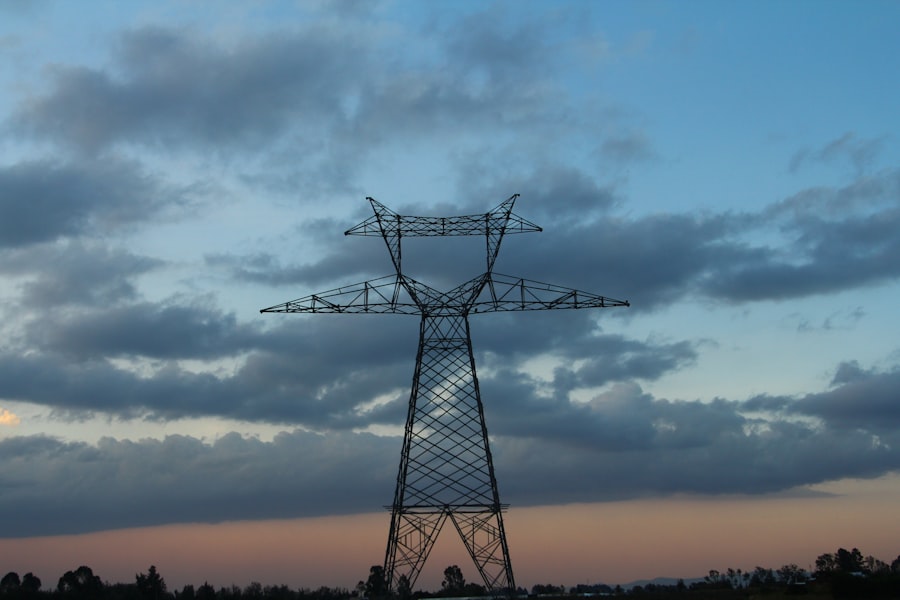
The burgeoning metropolises of the 20th century relied heavily on electricity to sustain their complex functions and ambitious architectural endeavors. Electricity became the lifeblood of the modern city.
The fascinating interplay between atmospheric electricity and architecture has shaped human structures for centuries, as seen in various historical contexts. For those interested in how ancient wisdom informs modern practices, a related article explores the resilience of architectural designs in the face of climate change. You can read more about this connection in the article on surviving climate change through ancient wisdom, which highlights the innovative approaches of past civilizations. Discover the insights by following this link: surviving climate change through ancient wisdom.
Skyscraper Dominance: The Electric Vertical City
The skyscraper, a hallmark of modern urbanism, owes its existence to the reliable and efficient power provided by electricity.
Structural Demands and Electrical Systems
The sheer scale of skyscrapers introduced new challenges for electrical systems. Architects and engineers had to design robust infrastructure to distribute power to hundreds of floors, managing high voltage and complex distribution networks. The weight and placement of electrical conduits became a significant consideration in structural design.
Elevators as the Arteries of Tall Buildings
As mentioned previously, elevators are critical to the functionality of skyscrapers. Their ubiquitous presence and reliance on electric motors positioned them as the vertical arteries of these towering structures, enabling efficient movement of people and goods.
Public Infrastructure and Urban Lighting
Electricity powered the essential public infrastructure that kept cities alive and navigable, extending its influence beyond individual buildings.
Street Lighting and Urban Safety
The widespread adoption of electric street lighting transformed urban environments. It extended the hours of activity, improved public safety, and fundamentally altered the nocturnal landscape of cities. The consistent quality of electric light provided a tangible sense of security.
Public Transportation: Trams and Subways
Electric trams and subways revolutionized urban transportation, offering rapid and efficient public transit. These systems relied on extensive electrical grids to power their operations, shaping the development and expansion of cities.
The Digital Age and Beyond: Smart Buildings and Sustainability
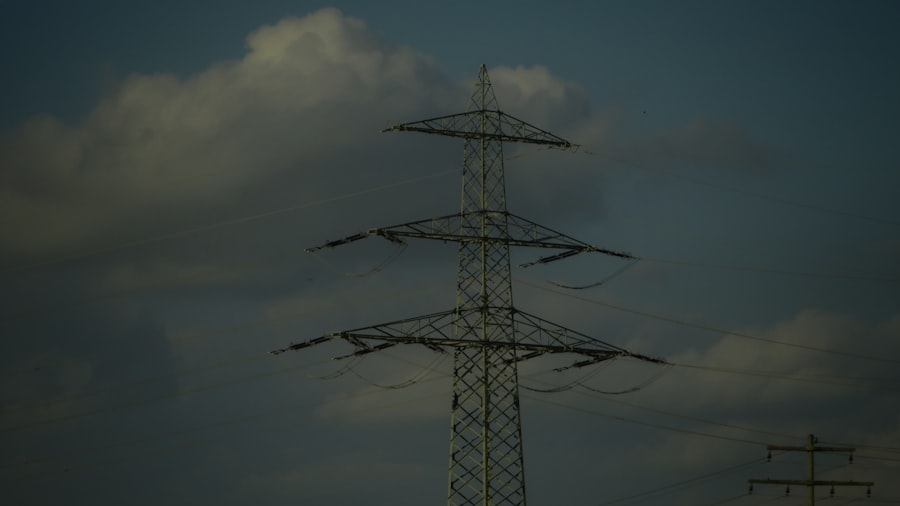
The late 20th and early 21st centuries have ushered in an era of digital integration and a growing consciousness of environmental impact, with electricity playing a pivotal role in both.
The Rise of the “Smart Building”: Connectivity and Automation
The advent of digital technology has enabled the creation of “smart buildings,” where electricity fuels sophisticated systems for control, monitoring, and automation.
Building Management Systems (BMS)
Building Management Systems, powered by electricity, allow for centralized control of lighting, heating, ventilation, and security. These systems optimize energy consumption and enhance occupant comfort and safety. They act as the “nervous system” of the building, constantly processing information and responding to environmental cues.
Integrated Control of Building Functions
Smart buildings integrate various electrical systems, allowing for seamless operation. For instance, lighting systems can be linked to occupancy sensors and daylight harvesting systems to minimize energy waste. Security systems can be integrated with access control and emergency response protocols.
Energy Efficiency and Sustainable Design: Harnessing the Electric Future
The growing concern for climate change has placed a strong emphasis on energy efficiency and sustainable architectural practices, where electricity is both a challenge and a solution.
Renewable Energy Integration
The architecture of the future is increasingly integrating renewable energy sources, such as solar panels and wind turbines, which generate electricity. This shift is altering the relationship between buildings and the power grid, moving towards a more decentralized and sustainable energy model.
Advancements in Lighting Technology: LEDs and Beyond
The development of Light Emitting Diodes (LEDs) has led to a dramatic reduction in energy consumption for lighting. LEDs offer greater efficiency, longer lifespan, and more design flexibility compared to incandescent and even fluorescent bulbs, impacting interior and exterior architectural lighting schemes.
Passive Design and Energy Management
While not directly electrical in nature, passive design strategies, such as optimizing insulation and natural ventilation, work in concert with active electrical systems to reduce overall energy demand. The goal is to minimize the need for active heating, cooling, and lighting, thereby reducing the electrical load on the building.
This historical perspective demonstrates that electricity has been far more than just a utility; it has been a constant companion, a transformative agent, and an indispensable partner in the evolution of architecture. From the flickering gaslight of the past to the digitally integrated smart buildings of today, electricity has continuously reshaped the way we conceive, construct, and inhabit our built environment, a silent force that has illuminated our world and continues to power our future. The ongoing dialogue between architectural ambition and electrical innovation promises to sculpt an even more dynamic and responsive built landscape for generations to come.
WATCH NOW ▶️ WARNING: They Erased The World Before Us
FAQs
What is atmospheric electricity in the context of architecture?
Atmospheric electricity in architecture refers to the study and application of electrical phenomena occurring naturally in the atmosphere, such as lightning, and how buildings are designed to manage or utilize these electrical forces safely and effectively.
How has the understanding of atmospheric electricity influenced architectural design historically?
Historically, the understanding of atmospheric electricity led to the development of lightning protection systems, such as lightning rods invented by Benjamin Franklin in the 18th century, which have been integrated into architectural designs to protect structures from lightning damage.
What are some early examples of architectural features designed to manage atmospheric electricity?
Early examples include the use of metal spires and rods on buildings to attract lightning strikes safely away from the structure, as well as grounding systems that dissipate electrical charges into the earth, practices dating back to the 18th and 19th centuries.
How has modern architecture incorporated atmospheric electricity considerations?
Modern architecture incorporates advanced lightning protection systems, grounding techniques, and materials that reduce electrical hazards. Additionally, some designs explore harnessing atmospheric electricity for sustainable energy, though this is still largely experimental.
Why is it important to consider atmospheric electricity in building construction?
Considering atmospheric electricity is crucial to ensure the safety of buildings and their occupants by preventing lightning damage, electrical fires, and structural failures. Proper design and protection systems help mitigate these risks and enhance the durability of structures.