
The study of historic buildings often involves more than a superficial appraisal of architectural styles or structural integrity. A deeper investigation can reveal layers of modification, alteration, and even concealment that speak volumes about a building’s past. Among these hidden narratives, the phenomenon of “buried windows” stands out as a compelling, yet frequently overlooked, artifact. These are openings, once designed to admit light and air, that have been intentionally or unintentionally obscured by subsequent construction, infill, or re-purposing. Their discovery offers a unique lens through which to understand a building’s evolution, the societal changes it has witnessed, and the practical challenges faced by its inhabitants and caretakers across generations.
The reasons behind the disappearance of a window are multifaceted, ranging from practical necessity to aesthetic preference and even economic imperatives. Understanding these motivations is key to interpreting the stories these buried openings tell.
Structural Modifications and Extensions
One of the most common reasons for a window’s demise is the literal growth or alteration of a building. As properties are expanded, new wings added, or existing structures reconfigured, external walls can become internal partitions, rendering previous fenestration obsolete.
- Adjacency Development: When a new building is constructed immediately alongside an existing one, windows facing the new structure may be blocked for privacy, fire safety, or simply because they now open into an unlit space. This is particularly prevalent in densely populated urban environments where lot lines are tight and properties are developed in close proximity.
- Internal Reconfiguration: The division of large rooms into smaller units, or conversely, the amalgamation of several smaller spaces, can necessitate the infilling of existing windows. This often occurs in buildings that have transitioned from single-family dwellings to apartments, or from residential to commercial uses.
Energy Efficiency and Climate Control
In more recent centuries, especially with the advent of modern insulation techniques and heating/cooling systems, the thermal performance of a building has become a critical consideration. Older windows, often single-glazed and poorly sealed, were notorious for their heat loss.
- Thermal Bridging: Windows act as thermal bridges, allowing significant heat transfer. In efforts to improve energy efficiency, particularly in periods of fuel scarcity or heightened environmental awareness, owners might opt to brick up windows and replace them with solid, insulated wall sections.
- Noise Reduction: Urban environments can be noisy. Buried windows, especially those facing busy thoroughfares, might have been filled in to mitigate sound intrusion, creating a quieter internal environment.
Aesthetic and Stylistic Shifts
Architectural trends and prevailing aesthetic sensibilities have a powerful influence on how buildings are modified over time. What was once considered stylish or functional might later be deemed outdated or incongruous.
- Façade Harmonization: Renovations aimed at updating a building’s appearance might involve simplifying its facade, leading to the removal or disguising of “unnecessary” windows to achieve a more uniform or contemporary look. This can be particularly true when seeking to adapt a historic building to a new architectural style.
- Window Tax Evasion: Historically, in certain periods and regions, window taxes were levied based on the number of openings in a building. This economic disincentive led some property owners to brick up windows to reduce their tax burden. The legacies of these “tax windows” are still discernible in many European cities.
Security and Seclusion
The need for security, whether perceived or actual, has also played a role in the interment of windows. Buildings adapting to new uses might prioritize different levels of privacy and protection.
- Vulnerability Mitigation: Windows are inherent points of vulnerability. In spaces requiring high security, such as banks, archives, or secure storage facilities, external windows might be eliminated to deter intrusions.
- Privacy Enhancement: As buildings transition from public-facing functions to more private ones, or vice versa, certain windows might be deemed to compromise privacy, leading to their permanent infill.
In exploring the preservation of historic architecture, one intriguing aspect is the phenomenon of buried windows in older buildings, which often reflect the changing urban landscape and building regulations over time. For a deeper understanding of how modern developments, such as electric vehicle manufacturing, are reshaping our cities and potentially impacting historic structures, you can read a related article on Mexico’s growing role in this industry at Mexico’s Growing Role in Electric Vehicle Manufacturing. This article highlights the intersection of innovation and heritage, raising important questions about how we balance progress with the preservation of our architectural history.
The Detective Work: Unearthing the Past
The process of discovering buried windows is akin to archaeological excavation, requiring meticulous observation, historical research, and often, invasive intervention. For those engaged in the preservation and restoration of historic buildings, identifying these hidden features is an integral part of understanding a structure’s true narrative.
Visual Clues on the Exterior
The most accessible evidence of buried windows often resides on the building’s exterior, offering subtle hints to the discerning eye.
- Brickwork Patterns: Inspection of brickwork can reveal tell-tale signs. A change in brick size, color, or bonding pattern, particularly a section of masonry that does not align with the surrounding courses, can indicate an area that has been filled in. Mortar differences are also significant, with older, hand-mixed mortars often distinct from modern pre-mixed varieties.
- Render and Stucco Differences: On rendered or stuccoed buildings, changes in texture, thickness, or the presence of subtle cracking patterns can outline the former perimeter of a window opening. Patches of repair or areas that show different weathering characteristics can betray an infill.
- Ghosting and Shadowing: Over time, exposure to the elements can create “ghosts” of former features. Differences in patination, staining, or the accumulation of grime on a wall can sometimes etch the outline of a long-gone window, where the protective frame or glazing once shielded the masonry.
Internal Revelations and Intrusive Investigations
While external clues are valuable, a definitive confirmation often requires looking inwards or gently probing the building’s fabric.
- Plaster and Wall Finishes: Internally, a change in plaster thickness, texture, or the presence of patching and repairs can signal a filled-in opening. Stripping back later layers of wallpaper or paint might reveal a seam where a window reveal was once present. In some cases, the original paint or wallpaper from when the window was open might even be preserved directly behind the infill.
- Structural Timbers and Linings: The existence of a lintel (a structural beam above an opening) or a sill (the bottom frame) on the inner wall, even when the opening is filled, is a clear indicator. These elements might be embedded within the wall, but their presence can be detected through careful examination or even non-destructive testing.
- Non-Destructive Testing (NDT): Techniques such as ground-penetrating radar (GPR) or thermography can be employed to peer inside walls without causing damage. GPR can detect changes in material density, potentially outlining a bricked-up opening where a void or different infill material exists. Thermography can identify thermal anomalies, as a filled window area might have different insulation properties than the surrounding wall.
The Significance of the Buried Window
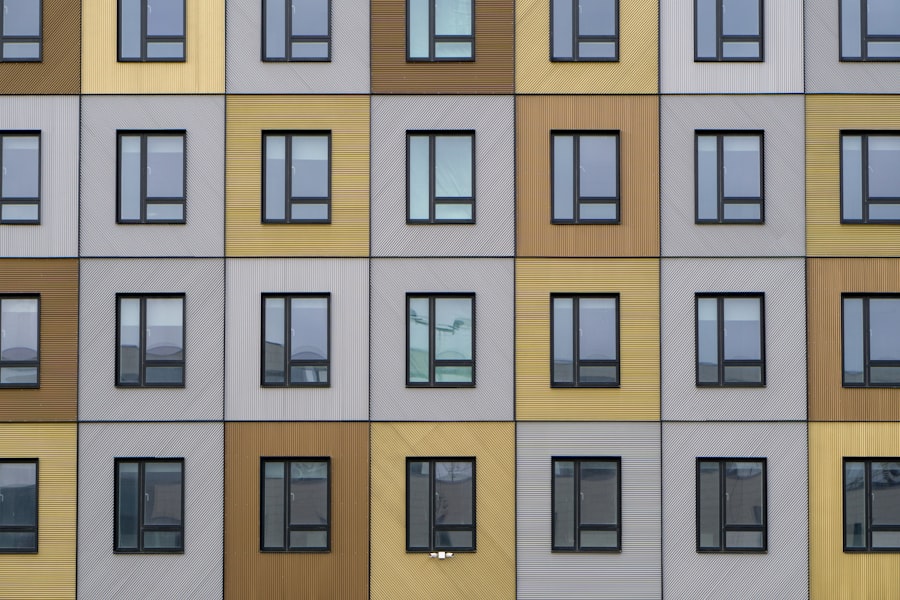
Beyond mere curiosity, the discovery of a buried window carries substantial weight for historical understanding, architectural preservation, and even legal implications.
Revealing Architectural Evolution
Each buried window adds a brushstroke to the painting of a building’s architectural biography. It illustrates periods of prosperity, decline, adaptation, and stylistic change.
- Original Design Intent: Uncovering multiple buried windows can help reconstruct the original fenestration pattern of a facade, revealing the architect’s initial vision and the aesthetic principles of its era. This allows for a more accurate and respectful restoration.
- Phased Construction: Variations in the infill material or construction techniques for different buried windows can differentiate various phases of construction or alteration, helping to date modifications more precisely.
Insights into Social and Economic History
Buildings are not static entities; they reflect the lives lived within their walls and the broader societal forces at play. Buried windows can offer glimpses into these human narratives.
- Changing Occupancy: A building transitioning from a textile factory with large, numerous windows (for light-intensive work) to a residential block might see many of these openings reduced or eliminated, reflecting different lighting and privacy needs.
- Economic Shifts and Regulations: As previously noted, the presence of “tax windows” provides direct evidence of specific historical tax legislation and its impact on everyday life and architectural modifications.
Informing Restoration and Preservation Decisions
For architects and heritage professionals, the evidence provided by buried windows is invaluable in guiding decisions about conservation and sensitive adaptation.
- Authenticity and Integrity: Knowledge of original window locations and sizes is paramount for maintaining the authenticity and historical integrity of a building during restoration. Reinstating a buried window can dramatically alter the balance and appearance of a facade, bringing it closer to its original state.
- Future Adaptation: Understanding past alterations helps in anticipating how a building might be sensitively adapted for future uses, ensuring that new interventions respect the layered history of the structure.
Case Studies: Windows on the World

Numerous examples exist worldwide where the re-discovery and interpretation of buried windows have significantly altered our understanding of historic buildings. These case studies underscore the importance of thorough investigation.
The British House of Commons
During post-World War II reconstruction following bomb damage, extensive research and careful excavation revealed numerous architectural features that had been obscured over centuries. Among these were the outlines of original medieval windows, covered by later Gothic Revival additions, providing crucial insights into the evolving structure of Parliament.
European Urban Palazzi
Many large European palaces and townhouses, particularly in cities like Venice, Rome, or London, underwent frequent modification. Windows on ground floors were often bricked up to create more secure storage or commercial spaces, while upper-story windows might be altered for privacy or aesthetic refinement. The varying styles of brick infill or the presence of remnants of window frames behind later plasterwork offer a rich tapestry of adaptations.
Early American Industrial Buildings
In the United States, particularly during the conversion of older industrial mills into residential lofts or commercial spaces, the concept of revealing former fenestration is actively embraced. Here, exposed brickwork often intentionally shows outlines of original, larger window openings that were subsequently reduced or filled as industrial processes changed or buildings were repurposed, creating a dialogue between the past and present.
In the context of preserving historic buildings, the issue of buried windows often arises, as these features can significantly impact both the aesthetics and functionality of a structure. For those interested in exploring innovative solutions to maximize resources in such preservation efforts, a related article discusses the application of ISRU technology in various fields. You can read more about this fascinating topic by visiting this article, which highlights how such advancements can aid in the restoration and maintenance of historic sites.
The Ethics of Reinstatement: To Open or Not to Open?
| Metric | Description | Typical Range | Impact on Building |
|---|---|---|---|
| Number of Buried Windows | Count of windows that have been covered or filled in during renovations | 5 – 30% of original windows | Reduces natural light and alters facade appearance |
| Year of Burial | Approximate date when windows were buried | 19th to 20th century renovations | Reflects historical changes in building use or style |
| Window Size (Original) | Dimensions of the original window openings | 0.5m to 2m width, 1m to 3m height | Affects light penetration and ventilation |
| Material Used to Fill | Type of material used to cover the window openings | Brick, stone, concrete, plaster | Influences structural integrity and aesthetic consistency |
| Preservation Status | Condition of the buried window area | Good, Fair, Poor | Determines restoration feasibility and cost |
| Impact on Thermal Performance | Effect of buried windows on building insulation | Improved insulation by 10-25% | May reduce energy costs but affect historic authenticity |
Once a buried window is discovered, a critical question arises: should it be reinstated? This is not a straightforward decision and involves balancing historical accuracy with practical considerations and the building’s future utility.
Preservation Philosophy
Different preservation philosophies guide these decisions.
- Reconstruction vs. Documentation: Some argue that actively reopening a buried window constitutes a “reconstruction” and that the infill itself has become part of the building’s history, deserving documentation rather than obliteration. Others contend that restoring the original form takes precedence.
- Reversibility: Any intervention, including the reopening of a window, should ideally be reversible, or at least clearly distinguishable from original fabric, to prevent future confusion.
Structural and Environmental Implications
The practicalities of re-opening a window are significant.
- Structural Integrity: Removing infill must be done carefully to ensure the structural integrity of the wall. New lintels or sills might be required, or existing ones might need reinforcement.
- Environmental Impact: Re-opening a window involves reintroducing a thermal weak point. Modern glazing and framing can mitigate this, but energy performance remains a factor, especially in buildings where environmental certifications are sought.
- Light and View: The benefit of increased natural light and a restored view must be weighed against any potential drawbacks.
Cost and Aesthetics
Ultimately, the decision often comes down to budget and the desired aesthetic outcome.
- Financial Investment: Reinstating a window can be a costly endeavor, involving not just dismantling the infill but also installing new frames, glazing, and finishing the surrounding areas.
- Visual Cohesion: For an architect managing a restoration, the overall visual impact of reopening a window on the facade and interior must be carefully considered to ensure it contributes to a coherent and aesthetically pleasing outcome.
In conclusion, the investigation into buried windows in historic buildings offers a compelling journey into the layered past of these structures. These hidden apertures are not merely architectural anomalies but rather profound historical markers, each with a story to tell about human ingenuity, adaptation, and societal change. For those who care for and study historic buildings, the ability to discern, interpret, and thoughtfully respond to these concealed elements is an indispensable skill, allowing us to connect more deeply with the architectural heritage that surrounds us. The walls of historic buildings, though often silent, are frequently verbose if one only knows how to listen to their subtle cues and hidden narratives.
WATCH NOW ▶️ WARNING: They Erased The World Before Us
FAQs
What are buried windows in historic buildings?
Buried windows refer to windows in historic buildings that have been covered, filled in, or obscured over time due to renovations, changes in architectural styles, or structural modifications. These windows are often hidden behind walls or other building elements.
Why were windows buried in historic buildings?
Windows were buried for various reasons, including changes in building use, efforts to improve insulation, tax regulations based on window counts, or aesthetic updates that altered the original facade. Sometimes, structural repairs or additions necessitated covering existing windows.
How can buried windows be identified in historic buildings?
Buried windows can be identified through architectural surveys, infrared thermography, ground-penetrating radar, or by examining historical records and old photographs. Physical signs like irregularities in masonry or outlines on walls may also indicate hidden windows.
Is it possible to restore buried windows in historic buildings?
Yes, restoration is often possible but depends on the building’s condition, historical significance, and structural integrity. Restoration typically involves careful removal of infill materials and reconstruction of window frames, often guided by historical documentation.
What is the significance of uncovering buried windows in historic preservation?
Uncovering buried windows can reveal original architectural features, improve natural lighting, and enhance the historical authenticity of a building. It contributes to a better understanding of the building’s history and can increase its cultural and aesthetic value.