
Ancient civilizations have long fascinated historians, archaeologists, and the general public alike. These societies, which flourished thousands of years ago, laid the groundwork for many aspects of modern life, including governance, architecture, and culture. From the majestic pyramids of Egypt to the intricate city-states of Mesopotamia, these civilizations showcased human ingenuity and resilience.
They developed complex social structures, advanced technologies, and rich artistic traditions that continue to inspire contemporary societies. However, despite their remarkable achievements, many of these civilizations experienced sudden and often catastrophic declines, prompting questions about the factors that contributed to their downfall. The study of ancient civilizations offers valuable insights into the human experience, revealing both the heights of achievement and the depths of failure.
By examining the rise and fall of these societies, scholars can identify patterns and lessons that remain relevant today. The exploration of these ancient cultures not only enriches our understanding of history but also serves as a cautionary tale about the fragility of human progress. As modern societies grapple with their own challenges, the stories of ancient civilizations provide a lens through which to view contemporary issues, highlighting the interconnectedness of human experiences across time.
Key Takeaways
- Ancient civilizations faced various factors leading to their downfall, including environmental and climate change, political instability and warfare, economic factors, and social and cultural decline.
- Case studies of sudden collapse, such as the Mayan civilization and the Roman Empire, provide valuable insights into the complex interplay of these factors and their impact on society.
- Lessons learned from ancient civilizations can inform modern parallels and relevance, highlighting the importance of sustainable practices, effective governance, and social cohesion in preventing collapse.
- Archaeological evidence plays a crucial role in understanding the dynamics of ancient civilizations and their eventual decline, providing tangible insights into their daily lives, infrastructure, and societal structures.
- Studying ancient civilizations offers valuable lessons for the future, emphasizing the need for proactive measures to address environmental challenges, promote political stability, and foster economic and social resilience.
Factors Leading to the Downfall
The decline of ancient civilizations was rarely attributable to a single cause; rather, it was often the result of a complex interplay of various factors. These factors could be environmental, political, economic, or social in nature, and they frequently overlapped in ways that exacerbated the challenges faced by these societies. Understanding these multifaceted causes is essential for grasping the full picture of why once-thriving civilizations crumbled.
One significant factor contributing to the downfall of many ancient societies was environmental change. As civilizations expanded and populations grew, they often exploited natural resources to unsustainable levels. Deforestation, soil degradation, and water scarcity became pressing issues that undermined agricultural productivity and led to food shortages.
In addition to environmental degradation, climate change played a crucial role in destabilizing these societies. Shifts in weather patterns could lead to prolonged droughts or excessive rainfall, disrupting agricultural cycles and threatening food security. The cumulative effect of these environmental challenges often created a perfect storm that left civilizations vulnerable to collapse.
Environmental and Climate Change

Environmental factors were pivotal in shaping the destinies of ancient civilizations. Many societies relied heavily on agriculture as their economic foundation, making them particularly susceptible to changes in climate and environment. For instance, the Maya civilization experienced significant challenges due to prolonged droughts that affected their agricultural output.
As crops failed and food became scarce, social tensions escalated, leading to conflict and ultimately contributing to their decline. The interplay between environmental conditions and societal stability is a recurring theme in the histories of ancient civilizations. Moreover, the impact of climate change on ancient societies was not uniform; different regions experienced varying degrees of vulnerability based on their geographical and climatic contexts.
The collapse of the Akkadian Empire around 2200 BCE is another example where climate change played a critical role. Evidence suggests that a severe drought struck the region, leading to crop failures and resource scarcity. This environmental stress likely exacerbated existing political tensions and contributed to the empire’s fragmentation.
Such instances underscore the importance of understanding how environmental factors can catalyze broader societal changes.
Political Instability and Warfare
| Country | Political Instability Index | Warfare Casualties |
|---|---|---|
| Syria | 9.8 | 400,000 |
| Afghanistan | 9.6 | 50,000 |
| Yemen | 9.4 | 100,000 |
| Somalia | 9.2 | 200,000 |
Political instability is another crucial factor that often precipitated the decline of ancient civilizations. As societies grew in complexity, so too did their political structures. The emergence of powerful leaders and centralized governments sometimes led to internal strife and conflict.
Rival factions within a civilization could vie for power, leading to civil wars that weakened the state and made it more vulnerable to external threats. The Roman Empire serves as a prime example of how political instability can erode a civilization’s foundations. Internal power struggles, corruption, and ineffective leadership contributed to its eventual decline.
Warfare also played a significant role in the downfall of many ancient societies. As civilizations expanded their territories, they often encountered rival groups that posed threats to their stability. The constant state of conflict drained resources and diverted attention from critical issues such as governance and infrastructure maintenance.
The fall of the Hittite Empire around 1200 BCE illustrates this point; a combination of internal strife and external invasions led to its disintegration. The cyclical nature of warfare and political instability created an environment where civilizations struggled to maintain cohesion and resilience.
Economic Factors
Economic factors were integral to the rise and fall of ancient civilizations. A thriving economy often provided the resources necessary for cultural development, military strength, and political stability. Conversely, economic decline could trigger a cascade of problems that ultimately led to collapse.
Trade networks were vital for many ancient societies, facilitating the exchange of goods and ideas. However, disruptions in trade routes—whether due to warfare, natural disasters, or political upheaval—could have devastating effects on economies reliant on external resources. The decline of the Indus Valley Civilization exemplifies how economic factors can contribute to societal collapse.
Archaeological evidence suggests that shifts in trade patterns and resource availability may have played a role in its decline around 1900 BCE. As trade networks faltered and agricultural practices became less sustainable, the once-thriving cities began to decline. This economic downturn likely exacerbated social tensions and contributed to the eventual abandonment of urban centers.
The intricate relationship between economic health and societal stability underscores the importance of sustainable practices in ensuring long-term resilience.
Social and Cultural Decline
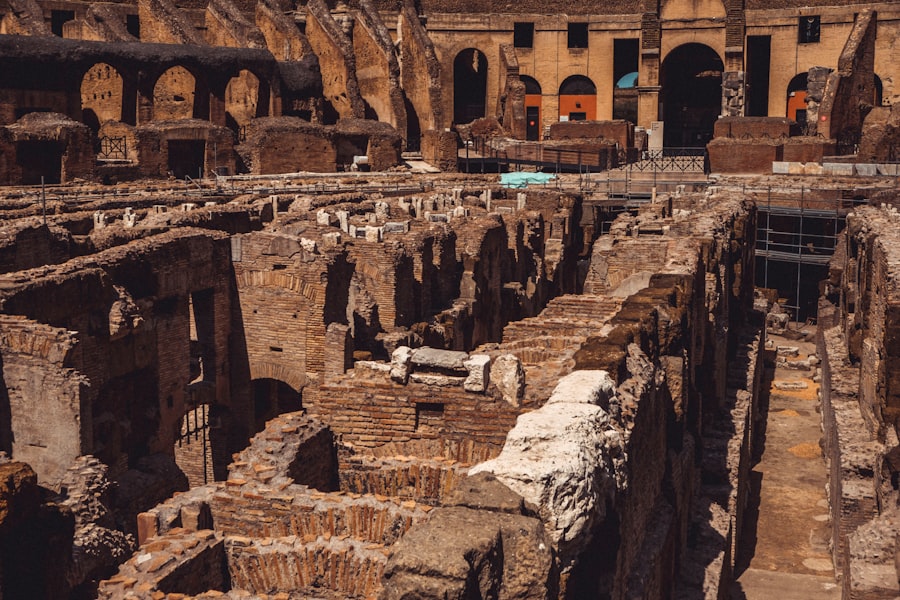
The social fabric of ancient civilizations was often woven from complex cultural threads that defined their identities. However, as external pressures mounted—be it from environmental changes or political instability—these cultural foundations could begin to fray. Social decline often manifested in various ways: loss of faith in leadership, erosion of communal bonds, or a decline in artistic expression.
Such changes could lead to a disintegration of societal cohesion, making it difficult for civilizations to respond effectively to challenges. Cultural decline can also be seen in the context of shifting values and priorities within a society. As resources became scarce or political turmoil escalated, people might prioritize survival over cultural pursuits.
The decline of artistic production in certain periods can serve as an indicator of broader societal distress. For instance, during times of crisis in ancient Rome, there was a noticeable shift away from grand public works and artistic endeavors toward more utilitarian concerns. This shift reflected not only economic realities but also a broader cultural malaise that accompanied societal decline.
Case Studies of Sudden Collapse
Examining specific case studies provides valuable insights into how various factors converged to precipitate sudden collapses in ancient civilizations. The fall of the Classic Maya civilization is one such example that illustrates the interplay between environmental stressors, political instability, and social upheaval. Archaeological evidence indicates that prolonged droughts severely impacted agricultural production in the region during the 9th century CE.
As food shortages intensified, competition for resources heightened tensions among city-states, leading to conflict and eventual abandonment of urban centers. Another notable case is the collapse of the Western Roman Empire in the 5th century CE. A combination of internal strife—marked by power struggles among emperors—and external pressures from invading tribes created an environment ripe for collapse.
Economic decline further exacerbated these issues as trade networks faltered and resources dwindled. The culmination of these factors resulted in a gradual disintegration rather than a singular event; however, it marked a significant turning point in history that reshaped Europe for centuries to come.
Lessons Learned from Ancient Civilizations
The study of ancient civilizations offers profound lessons for contemporary society. One key takeaway is the importance of adaptability in the face of change. Many ancient societies failed to respond effectively to environmental shifts or political challenges, leading to their downfall.
In contrast, those that demonstrated resilience through innovation and flexibility were better equipped to navigate crises. This lesson remains relevant today as modern societies confront issues such as climate change, resource depletion, and geopolitical tensions. Additionally, understanding the interconnectedness of various factors—environmental, political, economic, and social—can inform contemporary decision-making processes.
Policymakers can benefit from recognizing that challenges are rarely isolated; rather, they are often part of a larger web of influences that require holistic approaches for effective solutions.
Modern Parallels and Relevance
The parallels between ancient civilizations and modern society are strikingly relevant today. Just as ancient cultures faced environmental challenges that threatened their survival, contemporary societies grapple with climate change and resource scarcity on an unprecedented scale. The lessons learned from past collapses serve as cautionary tales for modern leaders who must navigate similar dilemmas while balancing economic growth with environmental sustainability.
Moreover, political instability remains a pressing concern worldwide. The rise of populism, civil unrest, and geopolitical tensions echo historical patterns observed in ancient civilizations facing internal strife or external threats. Understanding these dynamics can help modern societies anticipate potential crises and develop strategies for fostering stability and cohesion amidst uncertainty.
The Role of Archaeological Evidence
Archaeological evidence plays a crucial role in uncovering the stories of ancient civilizations and their downfalls. Through excavations, researchers can piece together fragments of daily life—artifacts, structures, and written records—that provide insights into how these societies functioned and ultimately failed. This evidence allows historians to construct narratives that illuminate not only what happened but also why it happened.
In recent years, advancements in technology have enhanced archaeological research capabilities significantly. Techniques such as remote sensing and isotopic analysis have enabled scholars to gather data on past climates, agricultural practices, and trade networks with greater precision than ever before. This wealth of information enriches our understanding of ancient civilizations’ complexities while offering valuable lessons for contemporary society regarding sustainability and resilience.
Conclusion and Future Implications
The study of ancient civilizations offers profound insights into human history’s cyclical nature—where triumphs are often followed by trials that test societal resilience. By examining the factors leading to their downfall—environmental changes, political instability, economic challenges, and social decline—modern societies can glean valuable lessons applicable today. As humanity faces unprecedented challenges such as climate change and geopolitical tensions, understanding these historical precedents becomes increasingly vital.
The stories etched into the ruins of ancient cities serve as reminders that progress is not guaranteed; rather, it requires vigilance, adaptability, and collaboration across diverse sectors. In conclusion, while ancient civilizations may have vanished from the pages of history books, their legacies endure through lessons learned about sustainability, resilience, and interconnectedness—principles that remain essential for navigating an uncertain future.
The sudden collapse of ancient civilizations has long intrigued historians and archaeologists, prompting numerous theories and studies. One insightful article that delves into this topic is available on Real Lore and Order, which explores various factors that may have contributed to these abrupt declines. The article discusses environmental changes, resource depletion, and social upheaval as potential causes, providing a comprehensive analysis of how these elements might have intertwined to bring about the downfall of once-thriving societies. For a deeper understanding of these complex dynamics, you can read the full article by visiting Real Lore and Order.
WATCH THIS! The Lost Tech They Buried to Control Us
FAQs
What are some common reasons for the sudden collapse of ancient civilizations?
Some common reasons for the sudden collapse of ancient civilizations include environmental factors such as droughts, floods, and soil erosion, as well as social and political factors such as warfare, political instability, and economic decline.
How did environmental factors contribute to the sudden collapse of ancient civilizations?
Environmental factors such as droughts, floods, and soil erosion could lead to food shortages, famine, and the inability to sustain large populations, ultimately contributing to the collapse of ancient civilizations.
What role did social and political factors play in the sudden collapse of ancient civilizations?
Social and political factors such as warfare, political instability, and economic decline could lead to internal conflicts, the breakdown of social order, and the weakening of centralized power, ultimately contributing to the collapse of ancient civilizations.
Can the collapse of ancient civilizations provide lessons for modern societies?
Yes, the collapse of ancient civilizations can provide valuable lessons for modern societies in terms of the importance of sustainable environmental practices, effective governance, and social cohesion in maintaining the stability and longevity of a civilization.