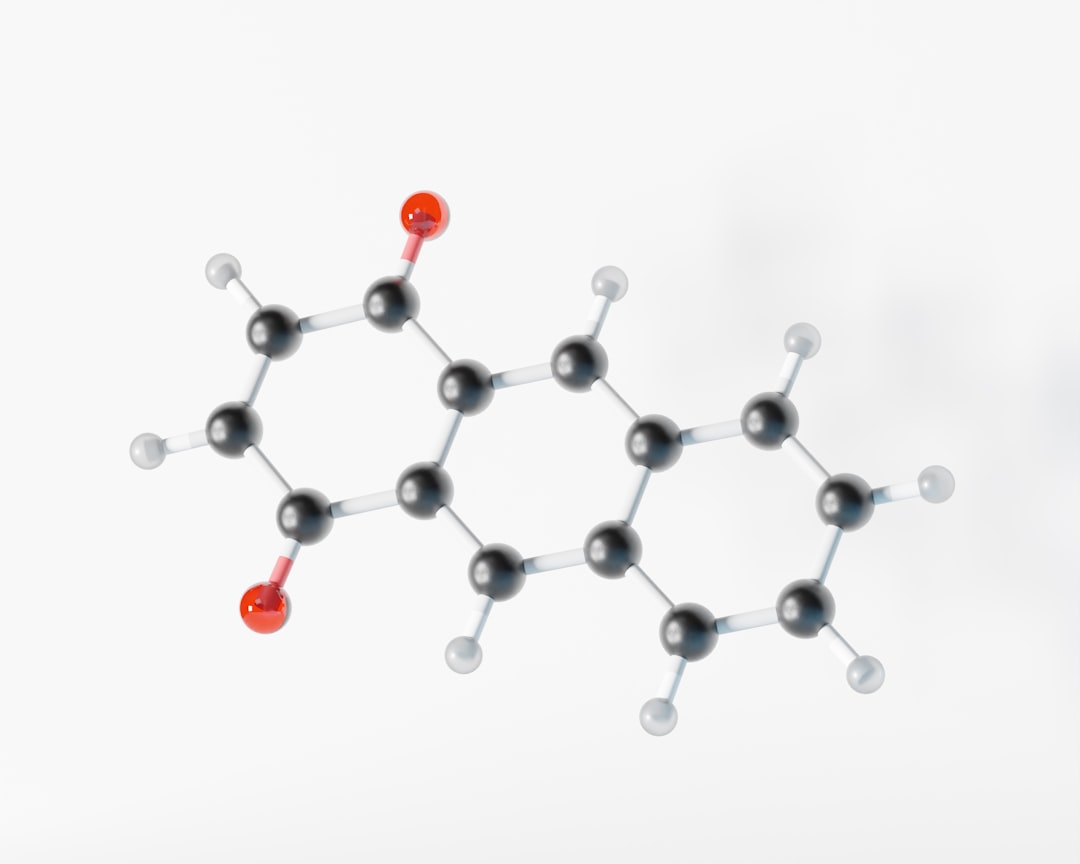
The world of color, so integral to our daily lives, often conceals a darker undercurrent. Azo dyes, a dominant class of synthetic colorants, have long been prized for their vibrant hues and cost-effectiveness, adorning everything from textiles and food to cosmetics and printing inks. However, a growing body of scientific evidence has illuminated a disturbing truth: the potential for these widely used dyes to break down into carcinogenic aromatic amines, a toxicological bombshell lurking within the very fabrics and foods that color our existence. This article delves into the complex relationship between azo dyes and these dangerous byproducts, exploring their formation, the associated health risks, regulatory responses, and the ongoing quest for safer alternatives.
Azo dyes constitute the largest and most versatile group of synthetic dyes, accounting for over 60% of all dyes produced globally. Their chemical structure is characterized by the presence of one or more azo groups (-N=N-), which act as the chromophore, the part of the molecule responsible for absorbing visible light and thus imparting color. This functional group connects two aromatic rings, forming the backbone of these compounds. The synthesis of azo dyes typically involves a two-step process: diazotization and coupling.
The Chemistry of Color: Understanding Azo Dye Synthesis
The journey to vibrant color begins with diazotization, where a primary aromatic amine reacts with nitrous acid in acidic conditions to form a diazonium salt. This highly reactive intermediate is then coupled with another aromatic compound, often a phenol or another amine, through an electrophilic aromatic substitution reaction. The nature of these starting aromatic amines and coupling components dictates the final color and properties of the azo dye. This modular synthesis allows for an astonishing array of colors, from fiery reds and deep blues to subtle yellows and greens, making them a go-to choice for manufacturers across diverse industries.
A Spectrum of Applications: Where Azo Dyes Reside
The versatility of azo dyes translates into their widespread presence in everyday life. They are a cornerstone of the textile industry, providing the brilliant shades that grace our clothing, upholstery, and carpets. In the food industry, certain approved azo dyes, known as “food color additives,” are used to enhance the visual appeal of processed foods, beverages, and confectionery. Cosmetics, too, rely on azo dyes for their vibrant lipsticks, eyeshadows, and hair dyes. Furthermore, they find application in printing inks, leather coloration, and even in some pharmaceuticals. This omnipresence, while a testament to their utility, also amplifies the potential for widespread exposure.
A recent article discusses the implications of carcinogenic aromatic amines found in azo dyes, highlighting their potential health risks and the regulatory measures being implemented to mitigate exposure. This topic is particularly relevant as it intersects with various industries, including textiles and food, where azo dyes are commonly used. For more insights on related environmental and health issues, you can read the article at City of Secrets: The Unsinkable City.
The Unraveling Threat: Aromatic Amines and Their Carcinogenic Nature
The primary concern surrounding azo dyes lies not in the intact dye molecule itself, but in its potential to degrade, particularly under reductive conditions. This degradation process, often facilitated by enzymes present in the gut microflora, living organisms, or even through metabolic processes within the human body, cleaves the azo bond. This cleavage liberates the constituent aromatic amine molecules, some of which are known or suspected carcinogens.
The Reductive Cleavage: A Molecular Unzipping
The azo bond, while lending stability to the dye, is not immutable. When exposed to reducing agents, such as those found in the anaerobic environment of the gut, the -N=N- double bond can be broken. This chemical surgery effectively unzips the dye molecule, separating it back into its original aromatic amine building blocks. The conditions for this reductive cleavage can vary, but include enzymatic activity, high temperatures, and certain pH levels, all of which can be encountered during food processing, digestion, or even during the wear and tear of dyed fabrics.
Not All Amines Are Equal: Identifying the Culprits
While the azo dye molecule is composed of two aromatic amine-derived components, the carcinogenic potential is not uniform across all such amines. A significant number of aromatic amines are considered harmless. However, a specific subset, primarily derived from aromatic amines with specific substitution patterns, pose a significant health risk. These include compounds like benzidine, 2-naphthylamine, and para-aminoazobenzene. The concern arises when these particular amines are used as precursors in the synthesis of azo dyes.
The Silent Attack: Mechanisms of Carcinogenesis
Once released, these carcinogenic aromatic amines can enter the bloodstream and initiate a cascade of cellular damage. Their carcinogenic mechanisms are complex but often involve metabolic activation within the body. Enzymes, particularly cytochrome P450 enzymes in the liver, can metabolize these amines into highly reactive electrophilic intermediates, such as N-hydroxyarylamines and nitrenium ions. These reactive species can then covalently bind to DNA, forming DNA adducts. These adducts can disrupt normal DNA replication and repair processes, leading to mutations. If these mutations occur in critical genes that regulate cell growth and division, they can initiate the uncontrolled proliferation characteristic of cancer. Furthermore, these reactive metabolites can also interact with proteins, leading to cellular dysfunction and inflammation, contributing to the carcinogenic process.
Health Implications: A Looming Shadow Over Consumers

The consumption or exposure to azo dyes that can degrade into carcinogenic aromatic amines presents a tangible threat to human health. The insidious nature of this threat lies in the fact that exposure can be chronic and cumulative, building up over time without immediate, obvious symptoms.
Dietary Delights, Toxic Truths: Azo Dyes in Food
The vibrant colors in many processed foods, from candies and cereals to sausages and beverages, are often thanks to azo dyes. While regulatory bodies have approved certain azo dyes for food use, the potential for contamination with carcinogenic aromatic amine precursors or unintended breakdown products remains a significant concern. Studies have linked the consumption of certain azo dyes to various health issues, including allergic reactions, hyperactivity in children, and, more critically, an increased risk of certain cancers, particularly bladder cancer, which is a known target organ for aromatic amine carcinogens. The constant stream of these colored treats can be likened to a leaky faucet, dripping a slow but steady stream of potential harm.
Textile Touchpoints: Exposure Through Clothing and More
Our clothing, towels, and even furniture are often awash in the colors of azo dyes. Direct skin contact with dyed textiles, especially those with poor dye fixation, can lead to the absorption of small amounts of the dye or its breakdown products. Furthermore, if the dye leaches from the fabric, particularly when wet, it can lead to hand contamination and subsequent ingestion. Historically, fabrics dyed with benzidine-based azo dyes were a major source of exposure to this potent carcinogen. While regulations have tightened, the global nature of textile production and the potential for substandard manufacturing practices mean that imported goods might still pose a risk. Imagine wearing a shroud of vibrant color that, with every touch and every wash, slowly releases its toxic secrets.
Beyond the Obvious: Less Explored Pathways
While dietary intake and dermal absorption are the most prominent routes of exposure, other pathways cannot be entirely dismissed. Inhalation of airborne particles containing azo dyes, particularly in occupational settings where dyes are manufactured or used in large quantities, is a potential concern. Similarly, accidental ingestion, such as children putting dyed toys in their mouths, can also contribute to cumulative exposure. The sheer scale of azo dye usage means that even seemingly minor exposure routes, when combined with chronic exposure, can contribute to the overall toxicological burden.
Regulatory Landscape: A Patchwork of Protection

The recognition of the carcinogenic potential associated with certain azo dyes has prompted regulatory bodies worldwide to implement measures to mitigate these risks. However, the effectiveness and uniformity of these regulations vary significantly, creating a complex and sometimes inconsistent global landscape.
Global Efforts: From Bans to Restrictions
Many countries and international organizations have taken action to limit the use of azo dyes that can release specific carcinogenic aromatic amines. The European Union, for example, has stringent regulations under REACH (Registration, Evaluation, Authorisation and Restriction of Chemicals), which restrict the use of azo dyes that can cleave to form certain banned aromatic amines in textiles and leather articles that come into direct and prolonged contact with the skin. Similar restrictions exist in other developed nations. However, enforcement and scope can differ.
The Food Additive Fray: Navigating Approvals and Limits
The use of azo dyes in food is particularly contentious, with strict regulations governing their approval and permissible usage levels. In the United States, the Food and Drug Administration (FDA) approves specific “color additives,” including certain azo dyes, after rigorous safety evaluations. However, concerns persist regarding the long-term effects of cumulative exposure to multiple approved color additives. Similarly, in Europe, the European Food Safety Authority (EFSA) assesses the safety of food additives, but the debate over the necessity and safety of artificial coloring continues.
The Challenge of Enforcement and Global Trade
A significant challenge in regulating azo dyes lies in the global nature of manufacturing and trade. A product manufactured in a country with less stringent regulations could be imported into a country with stricter rules, posing a risk to consumers. Effective enforcement requires diligent monitoring of supply chains, rigorous testing protocols, and international cooperation. The chemical industry itself plays a crucial role in ensuring compliance, but the economic incentives for using cheaper, potentially riskier dyes can create a constant tension.
Recent studies have highlighted the potential risks associated with carcinogenic aromatic amines found in azo dyes, which are commonly used in various industries, including textiles and food. These compounds have raised concerns due to their ability to form harmful substances that can lead to serious health issues. For a deeper understanding of how regulations and international agreements, such as the Outer Space Treaty, may influence environmental safety standards, you can read more about it in this article on the relevance of international law in contemporary issues. To explore this topic further, visit this link.
The Path Forward: Innovation and Safer Alternatives
| Parameter | Value/Range | Unit | Notes |
|---|---|---|---|
| Common Carcinogenic Aromatic Amines | 4-Aminobiphenyl, Benzidine, 2-Naphthylamine, o-Toluidine | N/A | Frequently found as impurities or degradation products in azo dyes |
| Maximum Allowable Concentration in Textiles | 30 | mg/kg | European Union limit for carcinogenic aromatic amines released from azo dyes |
| Detection Limit by HPLC | 0.01 – 0.05 | mg/kg | High-performance liquid chromatography sensitivity range |
| Carcinogenicity Classification (IARC) | Group 1 | N/A | Known human carcinogens |
| Typical Concentration in Untreated Azo Dyes | 0.1 – 100 | mg/kg | Varies widely depending on manufacturing process |
| Exposure Route | Dermal, Inhalation | N/A | Primary routes of human exposure during handling and use |
| Degradation Temperature | >200 | °C | Temperature at which azo dyes may release aromatic amines |
The growing awareness of the toxic potential of azo dyes has spurred research and development into safer alternatives. The scientific community and forward-thinking industries are actively exploring innovative solutions to maintain vibrant coloration without compromising human health.
Green Chemistry Initiatives: Designing for Safety
The principles of green chemistry offer a powerful framework for developing safer dyes. This approach focuses on designing chemical products and processes that reduce or eliminate the use and generation of hazardous substances. For azo dyes, this could involve modifying their chemical structure to prevent them from cleaving into carcinogenic amines or developing entirely new classes of colorants with inherently safer profiles. This involves a proactive approach, building safety into the molecular design from the outset, rather than trying to mitigate risks after the fact.
Natural Colorants: A Return to Heritage
The historical use of natural colorants, derived from plants, animals, and minerals, is experiencing a resurgence. Advancements in extraction and purification techniques are making these natural alternatives more viable for commercial applications. While natural colorants can sometimes be less stable or offer a narrower color palette than synthetic azo dyes, their inherent safety profile makes them an attractive option, particularly in food and cosmetic applications where consumer demand for “clean labels” is high.
Functional Dyes: Beyond Color
Research is also exploring the development of “functional dyes” that offer added benefits beyond just coloration. These could include dyes with antimicrobial properties, UV-blocking capabilities, or improved biodegradability. While these innovations are still in their nascent stages, they represent a promising direction for the future of coloration, moving beyond simply adding tint to imbuing products with enhanced performance and safety. Imagine a dye that not only colors your clothes but also protects you from the sun’s harmful rays – a beacon of innovation in a potentially toxic sea.
In conclusion, the allure of vibrant colors provided by azo dyes is undeniable. However, the scientific evidence pointing to their potential to degrade into carcinogenic aromatic amines serves as a stark reminder that such beauty can come at a dangerous cost. Understanding the chemistry, the health implications, and the regulatory complexities is crucial for informed consumer choices and for driving industry towards safer, more sustainable coloration practices. The journey towards a world where color is synonymous with safety and sustainability is ongoing, requiring continued vigilance, innovation, and a commitment to prioritizing public health.

WATCH NOW ▶️ WARNING: Why Europe Banned Your Wardrobe
FAQs
What are aromatic amines in azo dyes?
Aromatic amines are organic compounds derived from ammonia where one or more hydrogen atoms are replaced by aromatic groups. In azo dyes, these amines are used as key intermediates in the synthesis process to create vibrant colors.
Why are some aromatic amines considered carcinogenic?
Certain aromatic amines have been found to cause cancer because they can bind to DNA and induce mutations. Prolonged exposure to these compounds, especially in industrial settings, increases the risk of developing cancers such as bladder cancer.
Which azo dyes contain carcinogenic aromatic amines?
Azo dyes that can release specific aromatic amines like benzidine, 4-aminobiphenyl, and o-toluidine upon degradation or metabolism are considered hazardous. These dyes are often restricted or banned in many countries due to their carcinogenic potential.
How can exposure to carcinogenic aromatic amines in azo dyes be minimized?
Exposure can be minimized by using safer alternative dyes, implementing strict industrial hygiene practices, wearing protective equipment, and adhering to regulations that limit or prohibit the use of harmful aromatic amines in dye manufacturing.
Are there regulations controlling the use of carcinogenic aromatic amines in azo dyes?
Yes, many countries have regulations and guidelines that restrict or ban the use of certain carcinogenic aromatic amines in azo dyes, especially in textiles and consumer products, to protect public health and reduce environmental contamination.