
Ancient science represents a fascinating tapestry of human inquiry and understanding that stretches back thousands of years. It encompasses the intellectual pursuits of civilizations such as the Egyptians, Greeks, Chinese, and Mesopotamians, who sought to explain the natural world through observation, experimentation, and reasoning. These early scholars laid the groundwork for many scientific principles that continue to influence contemporary thought.
Their contributions spanned various fields, including astronomy, mathematics, medicine, and engineering, showcasing a remarkable blend of empirical observation and philosophical speculation. The significance of ancient science extends beyond mere historical curiosity; it serves as a testament to humanity’s enduring quest for knowledge. The methodologies employed by these early thinkers often mirrored modern scientific practices, emphasizing the importance of systematic investigation and critical thinking.
As researchers delve deeper into ancient texts and artifacts, they uncover a wealth of information that not only enriches our understanding of past civilizations but also challenges preconceived notions about the capabilities of ancient peoples. This exploration invites a reevaluation of the narrative surrounding the evolution of science and technology throughout history.
Key Takeaways
- Ancient science encompasses a wide range of knowledge and advancements in various fields such as astronomy, mathematics, medicine, and engineering.
- The suppression of ancient knowledge by religious and political authorities has hindered the understanding and appreciation of the scientific achievements of ancient civilizations.
- Recent archaeological discoveries and research have unearthed evidence of advanced scientific knowledge and technologies in ancient societies, challenging previous assumptions about their capabilities.
- Ancient civilizations developed innovative technologies such as aqueducts, irrigation systems, and architectural marvels that continue to inspire modern engineering and design.
- The study of ancient science provides valuable insights into the role of science in shaping ancient societies and the impact of suppressed knowledge on the course of history.
The Suppression of Ancient Knowledge
Throughout history, the suppression of ancient knowledge has often been a consequence of political, religious, or cultural factors.
For instance, during the rise of Christianity in Europe, many classical texts were deemed heretical and destroyed, leading to a significant loss of scientific knowledge that had been cultivated over centuries.
This phenomenon was not limited to Europe; in various parts of the world, indigenous knowledge systems were marginalized or obliterated in favor of colonial narratives that prioritized Western perspectives. The consequences of this suppression were profound. Entire libraries filled with invaluable manuscripts were lost to time, and the intellectual achievements of ancient civilizations were overshadowed by a focus on more recent developments.
This created a historical gap that obscured the contributions of earlier scholars and scientists. The lack of recognition for these ancient advancements not only stunted the progress of science but also perpetuated myths about the intellectual capabilities of past societies. As a result, many modern scholars have embarked on a mission to recover and reassess this lost knowledge, seeking to illuminate the brilliance of ancient thinkers.
Unearthing Evidence of Ancient Scientific Advancements
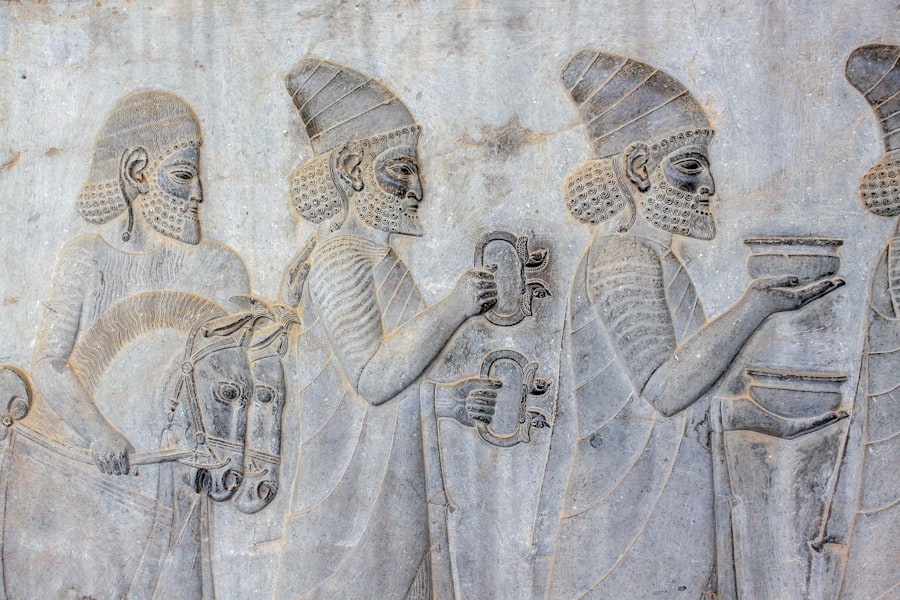
Archaeological discoveries have played a pivotal role in unearthing evidence of ancient scientific advancements. Excavations at sites such as Pompeii and ancient Mesopotamia have revealed artifacts that provide insight into the sophisticated understanding these civilizations had of their environment. For example, the discovery of ancient Egyptian medical papyri has shed light on their advanced practices in surgery and herbal medicine, demonstrating a level of medical knowledge that was far ahead of its time.
Similarly, the intricate astronomical alignments found in structures like Stonehenge suggest that ancient peoples possessed a deep understanding of celestial movements. In addition to physical artifacts, ancient texts have emerged from the sands of time, offering a glimpse into the scientific thought processes of early scholars. The works of figures such as Archimedes and Hippocrates have been rediscovered and translated, allowing modern audiences to appreciate their contributions to mathematics and medicine.
These texts often reveal not only practical applications but also philosophical inquiries that reflect a holistic approach to understanding the universe. As researchers continue to analyze these findings, they are piecing together a more comprehensive picture of how ancient civilizations approached scientific inquiry.
Ancient Technologies and Innovations
| Technology | Innovation | Impact |
|---|---|---|
| Wheel | Revolutionized transportation | Enabled faster movement of goods and people |
| Aqueducts | Improved water distribution | Provided clean water to cities and improved sanitation |
| Iron smelting | Advanced metalworking | Allowed for stronger tools and weapons |
| Sailing ships | Opened up trade routes | Facilitated cultural exchange and economic growth |
The technological innovations of ancient civilizations are a testament to their ingenuity and resourcefulness. From the construction of monumental architecture to the development of complex irrigation systems, these advancements were often driven by practical needs and a desire for efficiency. The Egyptians, for instance, demonstrated remarkable engineering skills in their construction of the pyramids, utilizing advanced techniques in mathematics and labor organization that still intrigue modern engineers today.
Their ability to manipulate large stone blocks with precision speaks volumes about their understanding of physics and mechanics. Similarly, ancient Chinese innovations such as gunpowder, papermaking, and the compass revolutionized not only their own society but also had far-reaching impacts on global development. The invention of the wheel in Mesopotamia marked a significant leap in transportation and trade, facilitating economic growth and cultural exchange across regions.
These technologies were not merely tools; they represented a synthesis of knowledge that combined observation, experimentation, and creativity. By studying these innovations, contemporary researchers can gain insights into how ancient societies adapted to their environments and solved complex problems.
The Role of Ancient Science in Society
Ancient science played a crucial role in shaping societal structures and cultural practices. In many civilizations, scientific knowledge was intertwined with religious beliefs and rituals. For example, the Babylonians used their understanding of astronomy to create calendars that dictated agricultural practices and religious festivals.
This integration of science and spirituality underscored the importance of celestial phenomena in daily life and governance. Similarly, in ancient Greece, philosophers like Aristotle sought to explain natural phenomena through rational inquiry while also addressing ethical questions about human existence. Moreover, ancient science often served as a means of social cohesion and identity.
The shared pursuit of knowledge fostered collaboration among scholars and artisans, leading to advancements that benefited entire communities. In Egypt, for instance, the priesthood played a significant role in preserving scientific knowledge while also serving as educators for future generations. This communal approach to learning ensured that scientific advancements were not confined to elite circles but were accessible to those willing to engage with them.
As such, ancient science was not merely an academic endeavor; it was deeply embedded in the fabric of society.
The Influence of Ancient Science on Modern Discoveries
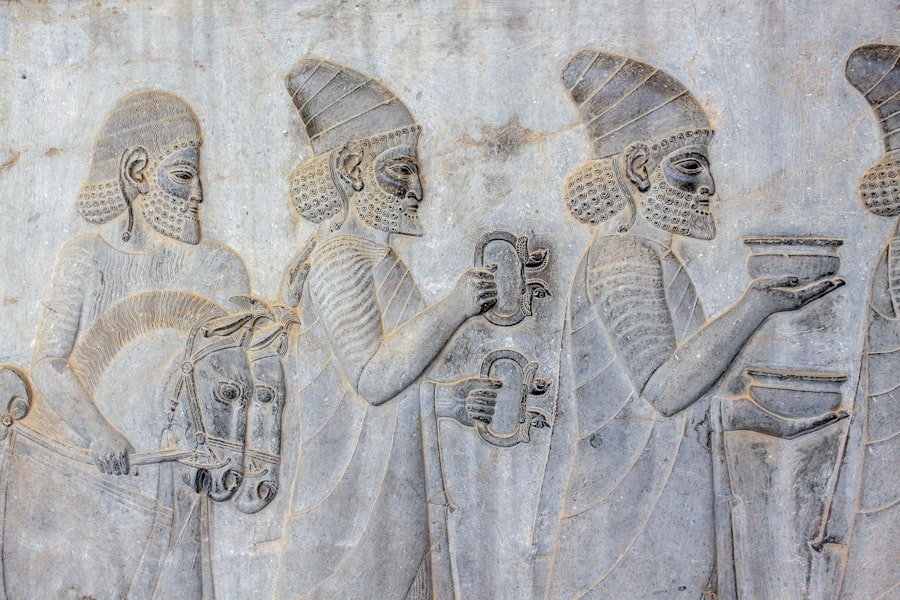
The influence of ancient science on modern discoveries is profound and far-reaching. Many foundational principles established by early scholars continue to underpin contemporary scientific thought. For instance, the mathematical concepts developed by ancient Greeks laid the groundwork for modern geometry and calculus.
The work of mathematicians like Euclid and Pythagoras remains integral to mathematical education today. Similarly, Hippocratic principles in medicine continue to inform ethical practices within the healthcare profession. Furthermore, ancient scientific methodologies have inspired modern research approaches.
The emphasis on observation and experimentation found in texts from antiquity resonates with contemporary scientific methods that prioritize empirical evidence over speculation. As scientists grapple with complex challenges such as climate change or public health crises, revisiting ancient wisdom can provide valuable insights into sustainable practices and holistic approaches to problem-solving. By acknowledging the contributions of ancient thinkers, modern researchers can cultivate a richer understanding of their own disciplines.
Rediscovering Ancient Scientific Texts and Artifacts
The rediscovery of ancient scientific texts and artifacts has sparked renewed interest in the contributions of early scholars. Efforts to translate and preserve these works have led to significant breakthroughs in understanding ancient knowledge systems. Projects aimed at digitizing manuscripts from libraries around the world have made it possible for scholars to access previously obscure texts with ease.
This democratization of knowledge has opened new avenues for research and collaboration across disciplines. In addition to textual discoveries, archaeological finds continue to reshape perceptions of ancient science. The unearthing of tools used by early astronomers or medical practitioners provides tangible evidence of their practices and beliefs.
Museums dedicated to showcasing these artifacts play an essential role in educating the public about the sophistication of ancient civilizations. As more discoveries come to light, they challenge existing narratives about history and encourage a more nuanced appreciation for the complexities of human achievement.
Debunking Myths and Misconceptions about Ancient Science
Despite significant advancements in understanding ancient science, myths and misconceptions persist regarding its capabilities and achievements. One common misconception is that ancient peoples lacked rigorous scientific methods or relied solely on superstition. In reality, many ancient civilizations employed systematic approaches to inquiry that mirrored modern scientific practices.
For instance, the meticulous observations made by astronomers in Babylon laid the groundwork for later astronomical models used by Copernicus and Kepler. Another myth is that technological advancements were linear and progressive; however, evidence suggests that many societies experienced periods of stagnation or regression due to various factors such as war or environmental changes. By debunking these myths, scholars can foster a more accurate understanding of how knowledge evolved over time and how different cultures contributed uniquely to the collective human experience.
The Impact of Suppressed Ancient Science on History
The impact of suppressed ancient science on history is profound and multifaceted. The loss or marginalization of scientific knowledge has often resulted in missed opportunities for progress across various fields. For example, during periods when classical texts were disregarded or destroyed in Europe, advancements in medicine stagnated for centuries until the Renaissance reignited interest in classical learning.
This gap not only hindered medical progress but also contributed to widespread misconceptions about health practices. Moreover, the suppression of indigenous knowledge systems has had lasting effects on cultural identity and self-perception among marginalized communities worldwide. The erasure of traditional ecological knowledge has led to unsustainable practices that threaten biodiversity and environmental health today.
Reclaiming and Preserving Ancient Scientific Knowledge
Reclaiming and preserving ancient scientific knowledge is essential for ensuring that future generations can benefit from the insights gained by earlier civilizations. Initiatives aimed at documenting indigenous knowledge systems are gaining momentum as communities seek to revitalize their cultural heritage while addressing contemporary challenges such as climate change or food security. By integrating traditional ecological practices with modern science, societies can develop more sustainable solutions that honor both past wisdom and present needs.
Furthermore, educational institutions are increasingly recognizing the importance of incorporating ancient science into curricula across disciplines. By teaching students about historical advancements alongside contemporary theories, educators can foster critical thinking skills while instilling an appreciation for diverse perspectives on knowledge creation. This holistic approach encourages students to view science not merely as a collection of facts but as an evolving dialogue shaped by cultural contexts throughout history.
The Future of Ancient Science Research and Exploration
The future of ancient science research holds immense potential for uncovering new insights into humanity’s past while informing present-day challenges. As technology continues to advance—particularly in fields such as archaeology, anthropology, and digital humanities—researchers are equipped with innovative tools that enhance their ability to analyze artifacts and texts previously deemed inaccessible or too fragile for study. Moreover, interdisciplinary collaboration will play a crucial role in shaping future research endeavors.
By bringing together experts from diverse fields—such as historians, scientists, linguists, and cultural anthropologists—scholars can develop comprehensive frameworks for understanding how ancient knowledge systems functioned within their respective societies. This collaborative spirit will not only enrich academic discourse but also promote public engagement with history as communities seek to reclaim their narratives. In conclusion, exploring ancient science reveals a rich tapestry woven from human curiosity and ingenuity across millennia.
By acknowledging both its triumphs and challenges—alongside efforts aimed at reclaiming lost knowledge—society can cultivate a deeper appreciation for our shared intellectual heritage while paving the way for future discoveries rooted in collaboration between past wisdom and present innovation.
In recent years, there has been growing interest in the possibility that ancient civilizations possessed advanced scientific knowledge that has been lost or suppressed over time. This intriguing topic is explored in depth in a related article on Real Lore and Order, which delves into various pieces of evidence supporting the existence of such ancient science. The article discusses archaeological findings, ancient texts, and other historical records that suggest a level of technological and scientific understanding that challenges our conventional views of history. For those interested in exploring this fascinating subject further, you can read more about it by visiting the article on Real Lore and Order.
WATCH THIS! The Lost Tech They Buried to Control Us
FAQs
What is suppressed ancient science?
Suppressed ancient science refers to the idea that there may have been advanced scientific knowledge and technologies in ancient civilizations that have been lost or suppressed over time.
What evidence exists for suppressed ancient science?
Evidence for suppressed ancient science includes artifacts, structures, and texts from ancient civilizations that suggest a level of scientific understanding and technological capability that is not commonly associated with the time period.
What are some examples of evidence for suppressed ancient science?
Examples of evidence for suppressed ancient science include the construction of megalithic structures such as the pyramids of Egypt and Stonehenge, advanced astronomical knowledge demonstrated in ancient calendars and alignments, and sophisticated medical and engineering practices found in ancient texts and artifacts.
Why is the idea of suppressed ancient science controversial?
The idea of suppressed ancient science is controversial because it challenges traditional views of the development of human knowledge and technology. It also raises questions about the possibility of lost or hidden knowledge that could have significant implications for our understanding of history and the capabilities of ancient civilizations.
What are some criticisms of the concept of suppressed ancient science?
Critics of the concept of suppressed ancient science argue that the evidence presented is often speculative and lacks concrete proof of advanced scientific knowledge in ancient civilizations. They also point to the lack of a clear mechanism for how such knowledge would have been lost or suppressed over time.