
The Erdstall Tunnel Ventilation System represents a significant advancement in tunnel infrastructure, offering a novel approach to managing airflow within subterranean environments. While conventional tunnel ventilation systems primarily rely on mechanical fans to force air through the tunnel, the Erdstall system leverages natural thermodynamic principles and the inherent properties of the earth itself to achieve optimal ventilation. This article delves into the operational mechanics, design considerations, benefits, and potential challenges associated with this revolutionary approach.
The fundamental concept behind the Erdstall system is to harness the natural temperature gradients that exist between the earth’s surface and its subsurface cavities. This difference in temperature drives air movement, much like a chimney effect draws smoke upwards.
The Chimney Effect in Subterranean Contexts
The familiar chimney effect, observed in buildings where warm air rises and draws in cooler air, is a foundational principle for the Erdstall system. In the context of a tunnel, the system is designed to create a consistent and controllable temperature differential. This is achieved through a sophisticated network of earth-connected shafts and heat exchangers.
Exploiting Geothermal Gradients
The earth’s internal temperature increases with depth, a phenomenon known as the geothermal gradient. The Erdstall system takes advantage of this constant, albeit slow, increase by connecting ventilation pathways deep into the ground. This creates a reliable source of cool air during warmer periods and warmer air during colder periods, irrespective of the immediate surface ambient temperature. Think of the earth as a giant, stable battery, providing a reliable thermal charge for air regulation.
The Role of Air Density
Temperature directly influences air density. Warmer air is less dense and rises, while cooler air is denser and sinks. The Erdstall system is meticulously engineered to create these density differences within its network. By strategically introducing and releasing air at different thermal potentials, controlled airflow is established, pushing stale air out and drawing fresh air in.
Heat Exchanger Integration
Central to the Erdstall system’s efficiency is the integration of advanced heat exchangers. These devices facilitate the transfer of thermal energy between the air and the earth’s mass without direct contact, ensuring that the earth’s natural temperature is imparted to the ventilation air.
Passive Heat Exchange Mechanisms
Many Erdstall designs employ passive heat exchange mechanisms. These systems rely on the natural flow of air through a conduit embedded within the earth, allowing it to gradually reach thermal equilibrium with the surrounding ground. This method is highly energy-efficient, as it requires no external power input for the heat exchange process itself.
Active Heat Exchange Technologies
In situations requiring more precise temperature control or where natural geothermal gradients are less pronounced, active heat exchange technologies can be incorporated. These might include geothermal heat pumps or other energy-efficient climate control systems that augment the passive exchange, providing a more robust and adaptable ventilation solution.
The Erdstall tunnel ventilation system is a fascinating topic that highlights the ingenuity of historical engineering in creating underground spaces. For those interested in exploring more about hidden structures and their purposes, a related article can be found at Secret Stash Spots: Prepping for SHTF, which discusses various concealed locations and their significance in emergency preparedness. This article provides insight into the importance of having secure and discreet spaces, much like the Erdstall tunnels, which were designed for protection and ventilation in times of crisis.
Design and Implementation of Erdstall Systems
The successful deployment of an Erdstall tunnel ventilation system hinges on meticulous design and careful consideration of site-specific geological and environmental factors. The system is not a one-size-fits-all solution but rather an adaptive engineering framework.
Shaft Network Configuration
The layout and depth of ventilation shafts are critical design parameters. These shafts serve as the conduits for air exchange between the tunnel and the earth.
Vertical and Inclined Shafts
The choice between vertical and inclined shafts depends on topographical constraints and the desired airflow dynamics. Vertical shafts are generally more efficient for drawing air due to gravity, while inclined shafts can be integrated more seamlessly into existing landscapes. The configuration is like designing the lungs of the underground system, ensuring efficient intake and exhaust.
Interconnected Shaft Systems
For extensive tunnel networks, interconnected shaft systems are often employed. This allows for a more distributed and resilient ventilation architecture, providing multiple pathways for air circulation and failure redundancy. This interconnectedness acts as a circulatory system, ensuring that air can reach all parts of the tunnel.
Tunnel Integration and Air Pathway Design
Integrating the Erdstall ventilation pathways within the tunnel structure requires careful planning to minimize disruption and maximize airflow efficiency.
Dedicated Ventilation Ducts
Dedicated ventilation ducts are often incorporated into the tunnel’s cross-section, separate from the main traffic area. These ducts are designed to facilitate the smooth, unimpeded flow of air, minimizing resistance and energy loss. These ducts are the arteries through which the lifeblood of fresh air circulates.
Utilizing Tunnel Geometry
In some designs, the inherent geometry of the tunnel itself can be leveraged to assist in air movement. Features like sloped ceilings or strategically placed openings can contribute to the natural thermal convection process. This is akin to a sculptor using the existing marble to reveal their intended form.
Material Selection and Durability
The materials used in the construction of Erdstall ventilation systems are chosen for their durability, resistance to corrosion, and thermal conductivity.
Corrosion-Resistant Materials
Exposure to moisture and potential subterranean chemicals necessitates the use of corrosion-resistant materials such as high-density polyethylene (HDPE), stainless steel, or specialized coatings. These materials act as a protective shield, ensuring the longevity of the system.
Thermally Conductive Components
For efficient heat exchange, components in contact with the earth or integrated into the heat exchanger design should possess good thermal conductivity. This allows for the rapid and effective transfer of thermal energy.
Advantages of the Erdstall Tunnel Ventilation System
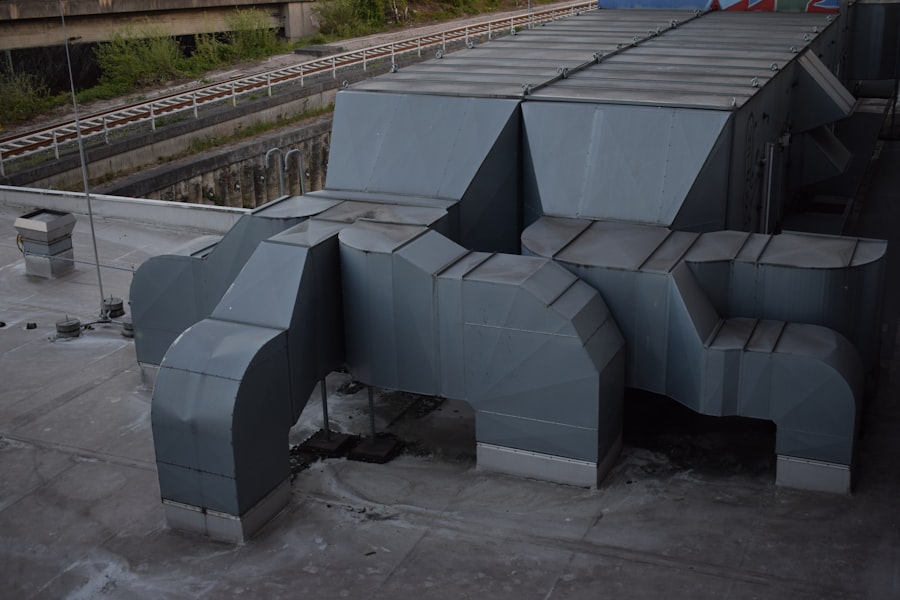
The Erdstall system offers a compelling suite of advantages over traditional mechanical ventilation methods, primarily revolving around energy efficiency, environmental impact, and operational cost savings.
Enhanced Energy Efficiency
A cornerstone of the Erdstall system’s appeal is its significantly reduced energy consumption compared to conventional fan-based systems.
Reduced Reliance on Mechanical Fans
By harnessing natural thermodynamic forces, the need for constant operation of energy-intensive mechanical fans is drastically reduced or eliminated entirely. This translates to substantial savings in electricity costs over the lifespan of the tunnel. This is like trading a roaring engine for a gentle breeze, where the effort required is minimal.
Lower Operational Power Requirements
When active heating or cooling is required, it can often be achieved with less energy input through the optimized heat exchange with the earth. The earth acts as a massive, pre-conditioned thermal reservoir.
Environmental Benefits
The reduced energy consumption directly translates into a smaller environmental footprint for tunnel operations.
Lower Carbon Emissions
With less electricity demand, the reliance on fossil fuel-based power generation is diminished, leading to a reduction in greenhouse gas emissions. This makes tunnels ventilated by the Erdstall system a more sustainable infrastructure component.
Reduced Noise Pollution
The absence or minimal use of high-powered fans significantly reduces noise pollution, both within the tunnel and in surrounding areas. This contributes to a more pleasant environment for users and nearby communities.
Long-Term Cost Savings
Beyond energy savings, the Erdstall system offers a more predictable and often lower long-term operational cost profile.
Lower Maintenance Costs
With fewer moving parts and a reduced reliance on complex electromechanical equipment, maintenance requirements and associated costs are generally lower.
Extended System Lifespan
The passive nature of much of the system and the use of durable materials contribute to a longer operational lifespan, deferring costly replacement or major overhauls.
Improved Air Quality and Comfort
The Erdstall system can contribute to a more stable and predictable internal tunnel environment.
Consistent Airflow and Temperature
The natural thermal regulation provided by the earth can lead to more consistent air temperature and quality within the tunnel, enhancing occupant comfort and safety.
Reduced Drafts and Air Stratification
A well-designed Erdstall system can mitigate the strong, potentially uncomfortable drafts often associated with mechanical ventilation systems, and reduce air stratification.
Challenges and Considerations for Erdstall Systems
While the Erdstall system presents numerous advantages, its implementation is not without challenges. Careful planning and mitigation strategies are essential for successful deployment.
Initial Capital Investment
The upfront cost of constructing the extensive shaft network and integrating the heat exchange infrastructure can be higher than for a conventional system.
Earthworks and Drilling Costs
The excavation and drilling required for deep shafts represent a significant portion of the initial investment. This is an upfront landscaping expense for a hidden, vital system.
Specialized Engineering and Construction
The design and installation of Erdstall systems require specialized engineering expertise and construction techniques, which can add to the overall cost.
Geological and Site-Specific Dependencies
The effectiveness of an Erdstall system is inherently linked to the geological conditions of the tunnel site.
Geothermal Gradient Variability
The magnitude of the geothermal gradient can vary significantly by location. In areas with a low geothermal gradient, the system’s effectiveness might be diminished, requiring alternative or supplementary solutions.
Ground Stability and Hydrogeology
The stability of the ground and the presence of groundwater can influence the design and construction of ventilation shafts and heat exchangers, potentially increasing complexity and cost.
Potential for System Contamination
The connection to the earth’s subsurface presents potential pathways for contaminants to enter the ventilation system.
Groundwater Contamination Risk
Careful design is required to prevent the ingress of contaminated groundwater into ventilation shafts and heat exchangers. This requires building robust barriers.
Soil and Gaseous Contaminants
In certain geological formations, subterranean gases or particulate matter could pose a risk. The system must be designed with filtration and sealing mechanisms to mitigate these risks.
Long-Term Performance Monitoring and Adaptation
While largely passive, the system requires ongoing monitoring to ensure optimal performance and to make any necessary adaptations over time.
Geothermal Fluctuation Monitoring
While generally stable, long-term subtle fluctuations in ground temperature might occur and warrant monitoring.
System Efficiency Calibration
Periodic calibration and assessment of the system’s efficiency are important to ensure it continues to meet ventilation demands effectively.
The Erdstall tunnel ventilation system is a fascinating topic that intersects with various aspects of engineering and historical architecture. For those interested in exploring unique structures and their implications, a related article can be found at this link, which delves into unconventional territories and their governance. Understanding how ventilation systems in tunnels like Erdstall function can provide insights into the broader context of human ingenuity in creating habitable spaces, whether on Earth or beyond.
Future Prospects and Development
| Parameter | Value | Unit | Description |
|---|---|---|---|
| Tunnel Length | 1,200 | meters | Total length of the Erdstall tunnel |
| Ventilation Airflow Rate | 3,500 | m³/h | Volume of air circulated per hour |
| Fan Power | 5 | kW | Power consumption of ventilation fans |
| Air Exchange Rate | 12 | times per hour | Number of times air is replaced in the tunnel per hour |
| Operating Temperature Range | 5 – 25 | °C | Temperature range maintained inside the tunnel |
| Humidity Control | 50 – 60 | % RH | Relative humidity range maintained |
| Noise Level | 65 | dB(A) | Noise generated by ventilation system |
| Emergency Ventilation Capacity | 7,000 | m³/h | Maximum airflow during emergency situations |
The Erdstall tunnel ventilation system is still a relatively nascent technology, with significant potential for further development and wider adoption. Ongoing research and pilot projects are likely to refine its capabilities and expand its applicability.
Integration with Other Sustainable Technologies
The Erdstall system can be a crucial component in a broader suite of sustainable tunnel infrastructure.
Renewable Energy Integration
The reduced energy demand of the Erdstall system makes it an ideal partner for tunnels powered entirely by renewable energy sources, such as solar or wind power. This creates a self-sustaining underground ecosystem.
Smart Tunnel Management Systems
Future smart tunnel management systems could dynamically adjust ventilation based on real-time traffic, environmental conditions, and Erdstall system performance, optimizing both efficiency and comfort.
Application in Diverse Subterranean Environments
Beyond road and rail tunnels, the principles of Erdstall ventilation could be applied to other subterranean structures.
Underground Habitats and Facilities
The technology holds promise for ventilating underground living spaces, research facilities, or even data centers, where stable temperatures and efficient air circulation are paramount.
Mining Operations Ventilation
Adaptations of the Erdstall principles might offer more sustainable ventilation solutions for deep mining operations, reducing reliance on energy-intensive fan systems in challenging environments.
Advancements in Heat Exchange Technology
Continued research into heat exchanger materials and designs could further enhance the efficiency and cost-effectiveness of Erdstall systems.
Novel Heat Transfer Fluids
The use of advanced heat transfer fluids could improve the rate and efficiency of thermal energy exchange between the air and the earth.
Modular and Scalable Designs
The development of modular and easily scalable Erdstall components could facilitate its adoption in tunnels of varying sizes and complexities.
In conclusion, the Erdstall Tunnel Ventilation System represents a paradigm shift in how we approach underground air management. By thoughtfully integrating with the earth’s natural thermal processes, it offers a pathway towards more energy-efficient, environmentally responsible, and cost-effective tunnel infrastructure. While challenges remain, the ongoing evolution of this technology points towards a future where our subterranean passages are not only conduits for transport but also models of sustainable engineering.
FAQs
What is an Erdstall tunnel ventilation system?
An Erdstall tunnel ventilation system is designed to provide airflow and maintain air quality within Erdstall tunnels, which are narrow, underground passageways typically found in Central Europe. These systems help ensure safe breathing conditions by circulating fresh air and removing stale air.
Why is ventilation important in Erdstall tunnels?
Ventilation is crucial in Erdstall tunnels because these tunnels are often very narrow and enclosed, which can lead to poor air quality and accumulation of carbon dioxide or other gases. Proper ventilation prevents suffocation risks and makes exploration or study of these tunnels safer.
How does an Erdstall tunnel ventilation system work?
The system usually works by creating airflow through natural or mechanical means. This can include strategically placed vents, shafts, or fans that draw fresh air into the tunnel and expel stale air, ensuring continuous circulation and maintaining breathable air inside the tunnel.
Are Erdstall tunnel ventilation systems modern installations or historical features?
Most Erdstall tunnels were originally constructed without advanced ventilation systems, relying on natural airflow through multiple entrances or shafts. Modern ventilation systems are often installed during restoration or archaeological study to improve safety for researchers and visitors.
Can ventilation systems affect the preservation of Erdstall tunnels?
Yes, ventilation systems can impact the preservation of Erdstall tunnels. Proper airflow helps control humidity and reduce mold growth, which can protect the tunnel structure. However, poorly designed systems might introduce moisture or cause erosion, so careful planning is essential.