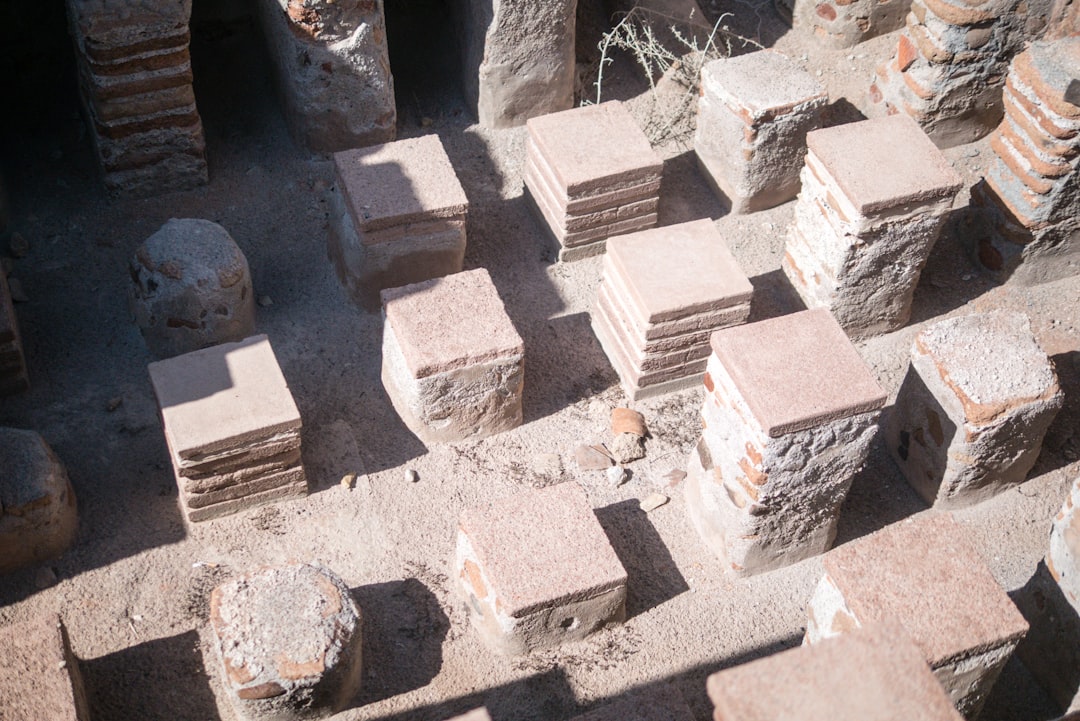
Pneumatic foundations represent a fascinating intersection of engineering and archaeology, providing a unique method for exploring and preserving ancient cities. These foundations utilize air pressure to create a stable base for structures, allowing archaeologists to excavate delicate sites without causing damage. The innovative use of pneumatic technology has revolutionized the way ancient civilizations are studied, offering insights into their architectural practices and urban planning.
As the field of archaeology continues to evolve, pneumatic foundations stand out as a critical tool in uncovering the mysteries of the past. The significance of pneumatic foundations extends beyond mere excavation techniques; they embody a broader understanding of how ancient societies constructed their environments. By employing air pressure to support structures, archaeologists can minimize the risk of collapse during excavation, thereby preserving artifacts and architectural features that might otherwise be lost.
This method not only enhances the safety of archaeological digs but also allows for more precise and detailed studies of ancient urban layouts, providing a clearer picture of how these cities functioned.
Key Takeaways
- Pneumatic foundations have a long history and are a valuable tool in uncovering ancient cities.
- The technology behind pneumatic foundations allows for the preservation and restoration of ancient cities.
- Pneumatic foundations have advantages such as minimal disturbance to the site, but also come with limitations in certain soil conditions.
- Case studies of ancient cities with pneumatic foundations demonstrate their role in urban planning and archaeology.
- The future applications of pneumatic foundations in archaeology show potential for further discoveries and preservation efforts.
The History of Pneumatic Foundations
The concept of pneumatic foundations is not a modern invention; its roots can be traced back to ancient engineering practices. Early civilizations, such as the Romans and Greeks, employed rudimentary forms of air pressure in their construction techniques, although they did not fully understand the principles behind it. The evolution of pneumatic technology gained momentum during the Industrial Revolution when advancements in engineering and materials science allowed for more sophisticated applications.
This period marked a turning point in how engineers approached foundation design, leading to the development of modern pneumatic systems.
Researchers recognized the potential of using air pressure to support fragile structures during excavation, leading to a surge in interest and application.
This newfound approach not only facilitated the preservation of historical sites but also sparked discussions about the ethical implications of archaeological practices. As scholars began to appreciate the importance of maintaining the integrity of ancient structures, pneumatic foundations became an essential tool in the archaeologist’s toolkit.
Uncovering Ancient Cities with Pneumatic Foundations
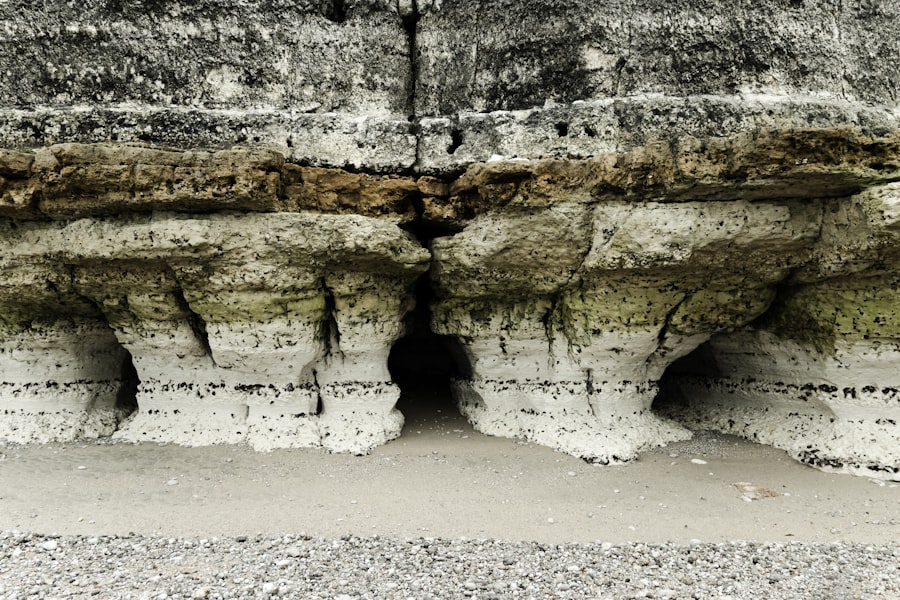
The application of pneumatic foundations has proven invaluable in uncovering ancient cities that have long been buried beneath layers of earth and debris. By utilizing air pressure to stabilize excavation sites, archaeologists can carefully peel back the layers of history without compromising the integrity of the structures below. This method has been particularly effective in regions where traditional excavation techniques might pose significant risks, such as areas prone to soil instability or where delicate artifacts are present.
One notable example is the excavation of Pompeii, where pneumatic foundations were employed to support fragile walls and ceilings during the dig. The use of this technology allowed archaeologists to reveal intricate frescoes and mosaics that had remained hidden for centuries. By carefully managing the excavation process with pneumatic support, researchers were able to document and preserve these invaluable pieces of history, providing insights into Roman life that would have otherwise remained obscured.
The Technology Behind Pneumatic Foundations
| Technology | Advantages | Disadvantages |
|---|---|---|
| Pneumatic Foundations | 1. Reduced environmental impact 2. Cost-effective 3. Quick installation |
1. Limited to certain soil types 2. Maintenance required 3. Vulnerable to punctures |
At the heart of pneumatic foundations lies a sophisticated system that harnesses air pressure to create stability and support for structures during excavation. This technology typically involves the use of inflatable bladders or cushions that can be strategically placed beneath fragile elements. When inflated, these bladders distribute weight evenly and provide a stable platform for further excavation work.
The ability to adjust air pressure allows archaeologists to respond dynamically to changes in soil conditions or structural integrity. The engineering behind pneumatic foundations is rooted in principles of fluid dynamics and material science. Engineers must carefully calculate the required air pressure based on factors such as soil composition, moisture levels, and the weight of overlying structures.
Additionally, advancements in materials technology have led to the development of lightweight yet durable materials that can withstand the rigors of excavation while providing reliable support. This combination of engineering expertise and innovative materials has made pneumatic foundations a game-changer in archaeological practice.
Advantages and Disadvantages of Pneumatic Foundations
The advantages of pneumatic foundations are numerous, making them an attractive option for archaeologists working in challenging environments. One significant benefit is their ability to provide immediate support for fragile structures, reducing the risk of collapse during excavation. This capability allows researchers to work more efficiently and safely, ultimately leading to more successful digs.
Furthermore, pneumatic foundations can be adapted to various site conditions, making them versatile tools for different archaeological contexts. However, there are also disadvantages associated with pneumatic foundations that must be considered. One primary concern is the potential for air leaks or equipment failure, which could compromise the stability provided by the system.
Additionally, the initial setup and maintenance of pneumatic systems can be resource-intensive, requiring specialized knowledge and equipment. As such, while pneumatic foundations offer significant benefits, they also present challenges that archaeologists must navigate carefully.
Case Studies of Ancient Cities with Pneumatic Foundations
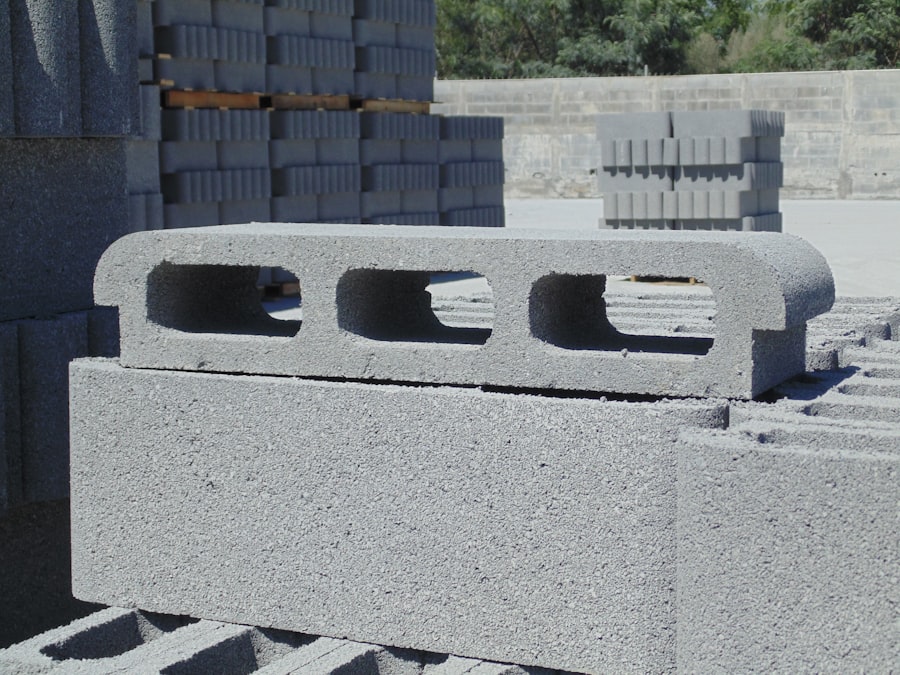
Several case studies illustrate the successful application of pneumatic foundations in uncovering ancient cities. One prominent example is the excavation of Herculaneum, another city buried by volcanic ash during the eruption of Mount Vesuvius in 79 AD. Archaeologists employed pneumatic technology to stabilize walls and ceilings as they unearthed well-preserved structures and artifacts.
The careful use of air pressure allowed researchers to document intricate details about daily life in this Roman city while preserving its architectural integrity. Another notable case is the excavation at Çatalhöyük in Turkey, one of the oldest known urban settlements dating back to around 7500 BThe site presented unique challenges due to its layered construction and fragile mudbrick structures. By utilizing pneumatic foundations, archaeologists were able to excavate without causing damage to these delicate features.
The insights gained from this site have significantly contributed to understanding early urbanization and social organization in prehistoric societies.
The Role of Pneumatic Foundations in Urban Planning
Pneumatic foundations play a crucial role not only in archaeological excavations but also in urban planning initiatives aimed at preserving historical sites. As cities continue to expand and modernize, there is often a tension between development and preservation. Pneumatic technology offers a solution by enabling urban planners to incorporate archaeological findings into new developments seamlessly.
By understanding the layout and significance of ancient structures, planners can design modern infrastructure that respects historical contexts. Moreover, integrating pneumatic foundations into urban planning can enhance public engagement with history. By preserving archaeological sites within urban environments, cities can create spaces that educate residents and visitors about their cultural heritage.
This approach fosters a sense of identity and continuity while promoting sustainable development practices that honor both past and present.
Preservation and Restoration of Ancient Cities with Pneumatic Foundations
The preservation and restoration of ancient cities are paramount concerns for archaeologists and historians alike. Pneumatic foundations contribute significantly to these efforts by providing a means to stabilize structures during restoration projects. When ancient buildings require repair or reinforcement, pneumatic technology can support them while artisans work on restoration efforts.
This method ensures that historical integrity is maintained while allowing for necessary updates or repairs. In addition to stabilization during restoration, pneumatic foundations facilitate ongoing monitoring of structural health over time.
This proactive approach helps ensure that ancient cities remain accessible for future generations while safeguarding their historical significance.
Future Applications of Pneumatic Foundations in Archaeology
As technology continues to advance, the future applications of pneumatic foundations in archaeology hold great promise. Innovations in materials science may lead to even more efficient and effective pneumatic systems that can adapt to various excavation conditions. Additionally, integrating digital technologies such as 3D modeling and virtual reality could enhance how archaeologists visualize and interact with sites during excavation.
Furthermore, as interdisciplinary collaboration becomes increasingly common in archaeological research, pneumatic foundations may find applications beyond traditional excavation contexts. For instance, partnerships between engineers, architects, and archaeologists could lead to new methodologies for integrating ancient structures into modern urban environments while preserving their historical value.
Challenges and Limitations of Using Pneumatic Foundations in Archaeology
Despite their many advantages, using pneumatic foundations in archaeology is not without challenges and limitations. One significant hurdle is the need for specialized training and expertise among archaeological teams. Implementing pneumatic systems requires knowledge of engineering principles as well as an understanding of archaeological contexts.
This necessity can limit accessibility for some research teams or projects lacking resources. Additionally, environmental factors such as soil composition or moisture levels can impact the effectiveness of pneumatic foundations. In some cases, unexpected geological conditions may hinder the ability to create stable support systems, leading to delays or complications during excavation efforts.
As such, while pneumatic foundations offer innovative solutions for archaeological challenges, they also require careful consideration and planning.
The Impact of Pneumatic Foundations on Unearthing Ancient Cities
In conclusion, pneumatic foundations have profoundly impacted archaeology by providing innovative solutions for excavating and preserving ancient cities. Their ability to stabilize fragile structures during excavation has revolutionized how researchers approach archaeological sites, allowing for more detailed studies while minimizing damage to historical artifacts. As technology continues to evolve, so too will the applications and effectiveness of pneumatic foundations in archaeology.
The integration of pneumatic technology into urban planning further underscores its significance in preserving cultural heritage within modern contexts. By fostering collaboration between engineers and archaeologists, cities can honor their historical roots while accommodating contemporary needs. Ultimately, pneumatic foundations represent a vital tool in unearthing ancient cities and ensuring that their stories endure for generations to come.
In exploring the fascinating engineering feats of ancient cities, one cannot overlook the innovative use of pneumatic foundations, which played a crucial role in the stability and longevity of these early urban centers. These foundations, often overlooked in modern discussions, were a testament to the ingenuity of ancient engineers who harnessed the principles of air pressure and buoyancy to support massive structures. For a deeper dive into the architectural marvels and the historical context of these pneumatic foundations, you can read a related article on the topic by visiting this page. This article provides insights into how these ancient techniques have influenced modern engineering practices and the preservation of historical sites.
WATCH THIS! The Lost Tech They Buried to Control Us
FAQs
What are pneumatic foundations in ancient cities?
Pneumatic foundations in ancient cities refer to the use of pressurized air or gas to support and stabilize large structures, such as buildings and temples. This technology was used in various ancient civilizations to construct impressive architectural feats.
Which ancient civilizations used pneumatic foundations?
The ancient civilizations of Greece, Rome, and Egypt are known to have utilized pneumatic foundations in their architectural designs. These civilizations developed innovative methods to create stable and durable structures using pressurized air or gas.
How were pneumatic foundations constructed in ancient cities?
Pneumatic foundations were constructed by creating a system of air chambers or cavities beneath the building or structure. These chambers were then pressurized using various methods, such as bellows or water displacement, to provide support and stability to the structure above.
What were the advantages of using pneumatic foundations in ancient cities?
Pneumatic foundations allowed ancient civilizations to construct large and impressive structures with greater stability and durability. This technology also enabled the creation of buildings on soft or uneven ground, expanding the possibilities for architectural design.
What evidence exists of pneumatic foundations in ancient cities?
Archaeological evidence, including ancient texts, drawings, and the remains of structures, provides insight into the use of pneumatic foundations in ancient cities. Additionally, modern research and experimentation have helped to further understand the technology and its impact on ancient architecture.