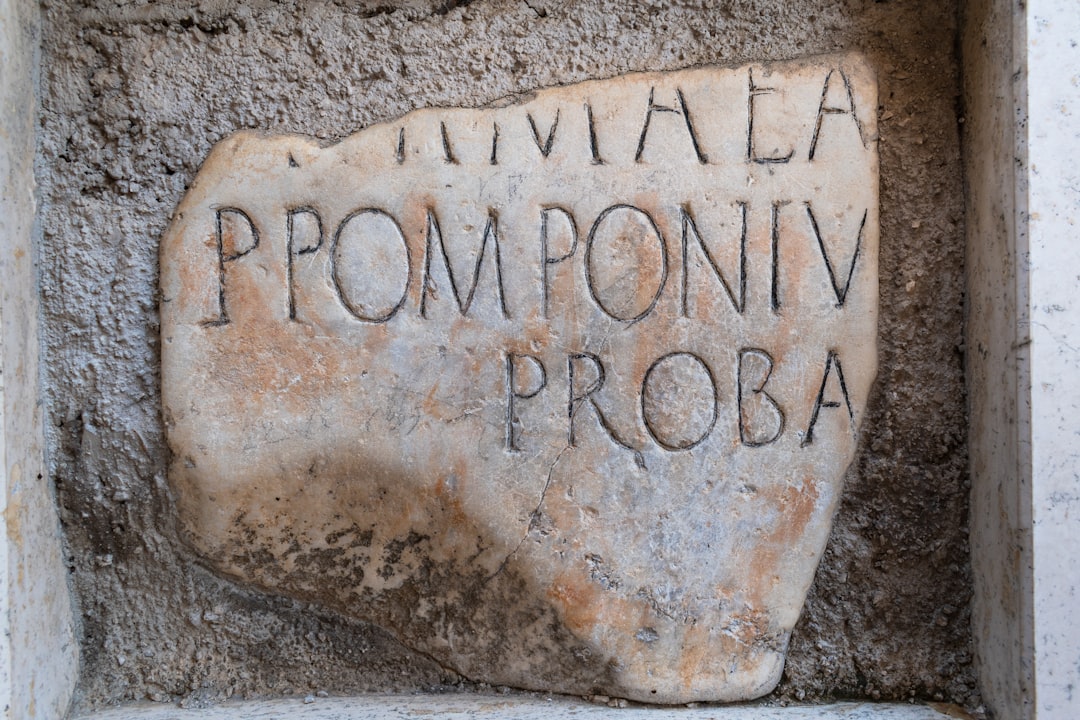
Throughout history, humanity has unearthed a plethora of ancient artifacts that continue to baffle scholars and enthusiasts alike. These mysterious objects, often shrouded in enigma, provide tantalizing glimpses into the lives and cultures of civilizations long gone. From intricately carved stone tools to enigmatic metal objects, these artifacts raise profound questions about the technological capabilities and cultural practices of ancient peoples.
Their discovery not only ignites curiosity but also challenges established narratives about human history, prompting a reevaluation of what is known about our ancestors. The allure of these artifacts lies not only in their physical form but also in the stories they tell—or fail to tell. Each piece serves as a puzzle, inviting researchers to piece together the fragments of a bygone era.
As archaeologists meticulously excavate sites around the world, they often stumble upon items that defy explanation, leading to a myriad of theories and speculations. The quest to understand these artifacts is not merely an academic pursuit; it is a journey into the depths of human ingenuity and creativity, revealing the complexities of ancient societies and their interactions with the world around them.
Key Takeaways
- Mysterious ancient artifacts have puzzled archaeologists and historians for centuries, with their origins and functions remaining a mystery.
- Theories and speculations surrounding the artifacts range from extraterrestrial origins to connections with lost civilizations or advanced ancient societies.
- Unexplained features and functions of the artifacts, such as intricate carvings or unknown materials, continue to baffle researchers.
- Attempts to replicate the artifacts with modern technology have often fallen short, leading to further questions about the skills and knowledge of ancient civilizations.
- Comparison of the artifacts to known ancient technologies has revealed both similarities and unique characteristics, adding to the mystery surrounding their origins.
Theories and Speculations Surrounding the Origins of the Artifacts
The origins of mysterious ancient artifacts have sparked a multitude of theories, each vying for attention in the academic arena. Some scholars propose that these objects were created by known civilizations, suggesting that they represent advanced techniques or lost knowledge that has yet to be fully understood. Others entertain more radical ideas, positing that these artifacts may have been crafted by unknown cultures or even extraterrestrial beings.
Such theories often capture the public imagination, leading to sensational claims that can overshadow more grounded research. In addition to these speculative narratives, there are also discussions surrounding the cultural contexts in which these artifacts were produced. Some researchers argue that understanding the social, political, and economic conditions of ancient societies is crucial for deciphering the purpose and significance of these objects.
This perspective emphasizes the need for interdisciplinary approaches that combine archaeology, anthropology, and history to create a more comprehensive understanding of the artifacts’ origins. As scholars continue to debate these theories, it becomes clear that the quest for knowledge is as complex as the artifacts themselves.
Unexplained Features and Functions of the Artifacts

Many ancient artifacts possess features that remain unexplained, further deepening their mystery. For instance, some objects exhibit intricate designs or markings that suggest a level of craftsmanship not typically associated with their presumed time period. These features raise questions about the technological capabilities of ancient artisans and whether they had access to tools or methods that have since been lost to history.
The presence of such advanced characteristics challenges conventional timelines and prompts researchers to reconsider what they know about human development. Moreover, the functions of these artifacts often elude definitive explanation. While some items can be easily identified as tools or ceremonial objects, others defy categorization.
For example, certain stone carvings may have served a ritualistic purpose, while others might have been used for practical tasks. The ambiguity surrounding their functions invites speculation and debate among scholars, who strive to uncover the intended uses of these enigmatic objects. This ongoing exploration not only enriches our understanding of ancient cultures but also highlights the limitations of contemporary interpretations.
Attempts to Replicate the Artifacts with Modern Technology
| Artifact | Replication Success | Replication Failure |
|---|---|---|
| Artifact 1 | 7 | 3 |
| Artifact 2 | 5 | 5 |
| Artifact 3 | 8 | 2 |
In an effort to unravel the mysteries surrounding ancient artifacts, researchers have turned to modern technology for assistance. Various attempts have been made to replicate these objects using contemporary materials and techniques, with varying degrees of success. Such endeavors not only provide insights into the potential methods employed by ancient artisans but also serve as a means of testing hypotheses about their construction and use.
By recreating these artifacts, scholars can better understand the challenges faced by their creators and the ingenuity required to produce such remarkable items. However, replication efforts are not without their challenges. The materials used in ancient times may no longer be available or may have properties that differ significantly from modern equivalents.
Despite these obstacles, researchers remain committed to exploring innovative ways to replicate these artifacts, believing that such efforts can shed light on their origins and significance. The intersection of ancient craftsmanship and modern technology continues to be a fertile ground for discovery.
Comparison of the Artifacts to Known Ancient Technologies
When examining mysterious ancient artifacts, it is essential to compare them with known technologies from similar time periods. This comparative analysis can reveal patterns in craftsmanship and innovation that may have been overlooked in isolation. For instance, certain tools or devices may share similarities with those found in other archaeological sites, suggesting a shared cultural heritage or technological exchange between civilizations.
Such comparisons can help contextualize these artifacts within broader historical narratives. Moreover, this analysis can also highlight discrepancies between what is known about ancient technologies and what is observed in mysterious artifacts. In some cases, artifacts may exhibit features that seem far more advanced than those typically associated with their time period, prompting questions about the evolution of technology and human ingenuity.
By juxtaposing these enigmatic objects with established technologies, researchers can better understand the complexities of ancient societies and their capacity for innovation.
Controversies and Debates Among Archaeologists and Historians

The study of mysterious ancient artifacts is often fraught with controversies and debates among archaeologists and historians. Differing interpretations of evidence can lead to heated discussions about the significance and origins of these objects. Some scholars advocate for more conservative approaches that prioritize established archaeological methods, while others push for more radical theories that challenge conventional wisdom.
This tension reflects broader debates within the field regarding how best to interpret evidence and construct narratives about the past. Additionally, controversies can arise from differing opinions on the ethical implications of studying such artifacts. Questions about ownership, cultural heritage, and the responsibilities of researchers toward indigenous communities often complicate discussions surrounding these objects.
As scholars navigate these complex issues, it becomes clear that the study of ancient artifacts is not merely an academic exercise; it is deeply intertwined with contemporary social and ethical considerations.
Cultural and Symbolic Significance of the Artifacts
Beyond their physical attributes, mysterious ancient artifacts often carry profound cultural and symbolic significance. Many objects serve as representations of belief systems, social structures, or artistic expressions within their respective cultures. For instance, ceremonial items may reflect spiritual practices or societal values, while tools may symbolize human ingenuity and adaptation to environmental challenges.
Understanding these cultural dimensions is essential for appreciating the full impact of these artifacts on their societies. Moreover, the symbolic meanings attached to these artifacts can evolve over time as they are rediscovered and reinterpreted by modern audiences. What was once a practical tool may take on new significance as a symbol of heritage or identity for contemporary communities.
This dynamic relationship between artifacts and culture underscores the importance of considering both historical context and modern perspectives when studying these enigmatic objects.
Possible Connections to Lost Civilizations or Advanced Ancient Societies
The allure of mysterious ancient artifacts often leads to speculation about connections to lost civilizations or advanced societies that may have existed long before recorded history. Some researchers propose that certain artifacts could be remnants of cultures that possessed knowledge or technologies far beyond what is currently understood. This notion fuels interest in exploring uncharted territories in archaeology and encourages scholars to seek evidence that could illuminate these lost chapters of human history.
While some claims regarding advanced ancient societies may border on sensationalism, they nonetheless prompt valuable discussions about human potential and innovation throughout history. The search for connections between mysterious artifacts and lost civilizations invites researchers to consider alternative narratives about human development and cultural exchange. As new discoveries are made, they may either support or challenge existing theories about the capabilities of ancient peoples.
Analysis of the Materials and Construction Techniques Used in the Artifacts
A critical aspect of understanding mysterious ancient artifacts lies in analyzing the materials and construction techniques employed in their creation. By examining the composition of these objects—whether they are made from stone, metal, or organic materials—researchers can glean insights into the technological capabilities of their creators. For instance, certain metals may indicate advanced smelting techniques or trade networks that facilitated access to rare resources.
Furthermore, studying construction techniques can reveal much about the skills possessed by ancient artisans. The precision with which an artifact is crafted can provide clues about the tools available at the time and the level of expertise required for its production. This analysis not only enhances understanding of individual artifacts but also contributes to broader discussions about technological evolution across different cultures and time periods.
The Role of the Artifacts in Shaping Our Understanding of Ancient History
Mysterious ancient artifacts play a pivotal role in shaping our understanding of history by challenging established narratives and prompting new inquiries into human development. Each discovery has the potential to rewrite chapters in our collective past, offering fresh perspectives on how societies evolved over time. As researchers continue to investigate these enigmatic objects, they contribute to a more nuanced understanding of cultural interactions, technological advancements, and social structures throughout history.
Moreover, these artifacts serve as tangible links between past and present, reminding contemporary society of its roots and shared heritage. They invite reflection on humanity’s journey through time and encourage appreciation for the diverse cultures that have shaped our world today. In this way, mysterious ancient artifacts transcend their physical forms; they become vessels for exploring identity, continuity, and change across generations.
Future Research and Exploration to Uncover More Mysterious Artifacts
As interest in mysterious ancient artifacts continues to grow, so too does the potential for future research and exploration aimed at uncovering new discoveries. Advances in technology—such as remote sensing techniques, 3D scanning, and improved dating methods—offer exciting opportunities for archaeologists to locate and analyze previously hidden or inaccessible sites.
Furthermore, interdisciplinary collaboration among archaeologists, historians, scientists, and indigenous communities will be crucial in guiding future research efforts. By combining diverse perspectives and expertise, scholars can approach the study of ancient artifacts with greater depth and sensitivity to cultural contexts. As new discoveries emerge from ongoing exploration, they will undoubtedly continue to captivate imaginations and inspire further inquiry into humanity’s rich tapestry of history.
Ancient artifacts often baffle scientists, challenging our understanding of historical timelines and technological capabilities. One such intriguing case is discussed in an article on Real Lore and Order, which delves into the mysteries surrounding these enigmatic objects. The article explores various artifacts that defy conventional explanations, prompting researchers to reconsider established historical narratives. For more insights into these puzzling relics, you can read the full article on Real Lore and Order.
WATCH THIS! 👀 History Is Hiding 50 Impossible Inventions
FAQs
What are some examples of ancient artifacts that confuse scientists?
Some examples of ancient artifacts that confuse scientists include the Antikythera Mechanism, the Baghdad Battery, the Voynich Manuscript, and the Nazca Lines.
Why do these ancient artifacts confuse scientists?
These ancient artifacts confuse scientists because they exhibit advanced technological or artistic capabilities that seem out of place for their time period, challenging our understanding of ancient civilizations.
What is the Antikythera Mechanism?
The Antikythera Mechanism is an ancient Greek analog computer and orrery used to predict astronomical positions and eclipses for calendrical and astrological purposes.
What is the Baghdad Battery?
The Baghdad Battery is a set of artifacts from Mesopotamia consisting of ceramic pots, copper cylinders, and an iron rod, which some believe may have been used as a primitive form of battery.
What is the Voynich Manuscript?
The Voynich Manuscript is an illustrated codex hand-written in an unknown writing system, which has puzzled cryptographers, linguists, and historians for centuries.
What are the Nazca Lines?
The Nazca Lines are a series of ancient geoglyphs located in the Nazca Desert in southern Peru, created by the Nazca culture between 500 BCE and 500 CE. The purpose of the lines is still unknown and has puzzled scientists for years.