
The engines of German industry, once roaring with a dominant hum, are beginning to sputter and face a period of significant recalibration. A growing phenomenon, often termed the “German Factory Exodus,” describes the increasing trend of manufacturing companies relocating production facilities out of Germany. This migration, driven by a complex interplay of economic pressures, geopolitical shifts, and evolving global supply chains, is casting a long shadow over the nation’s economic landscape. Examining the multifaceted impacts of this exodus is crucial to understanding the challenges and potential pathways forward for the German economy.
The allure of German manufacturing, historically characterized by precision engineering, high-quality production, and a skilled workforce, has been a cornerstone of its economic prosperity. For decades, German factories were the bedrock upon which the nation built its reputation as an export powerhouse. However, the global economic stage is not a static tableau; it is a dynamic battlefield where competitive advantages are constantly being redefined.
The Rise of Emerging Economies
The most palpable force driving this exodus is the ascendant manufacturing capabilities of emerging economies. Countries in Asia, Eastern Europe, and increasingly, parts of Africa and Latin America, have presented a compelling alternative for businesses seeking to optimize their cost structures.
The Cost Advantage: Labor and Energy
Central to this shift is the stark labor cost differential. For many years, German wages, while reflecting a high standard of living and a highly skilled populace, have been significantly higher than those in many emerging markets. This wage gap, when multiplied across a manufacturing workforce, represents a substantial expense that companies are increasingly loath to bear. Furthermore, energy costs in Germany, particularly in the wake of the ongoing energy transition and geopolitical uncertainties, have become a considerable burden. The cost of electricity and gas, essential inputs for many industrial processes, can make production prohibitively expensive compared to regions with lower energy prices or greater energy independence.
Infrastructure and Market Access
While Germany boasts excellent infrastructure, many emerging economies have demonstrably improved their logistical networks, including ports, railways, and roads, thereby facilitating smoother and more cost-effective transportation of raw materials and finished goods. Moreover, these emerging markets often represent rapidly growing consumer bases, offering businesses a dual advantage: reduced production costs coupled with proximity to burgeoning demand. This proximity can translate into reduced shipping times and costs, and a more responsive approach to local market preferences.
Geopolitical Realities and Trade Barriers
The international arena is rarely a placid lake; it is often a tempestuous sea of shifting alliances and evolving trade dynamics. Recent geopolitical events, including trade disputes, the COVID-19 pandemic, and the war in Ukraine, have highlighted the vulnerabilities inherent in highly globalized and concentrated supply chains.
Supply Chain Resilience and Diversification
The pandemic, in particular, served as a stark awakening for many industries. Lockdowns, port congestion, and production halts exposed the fragility of relying on single geographical sources for critical components. Companies are now prioritizing resilience, seeking to diversify their supply chains geographically to mitigate future disruptions. This often means establishing production facilities closer to their end markets or in regions perceived as more politically stable.
Protectionism and Tariffs
In an era of increasing protectionist sentiment, trade barriers, tariffs, and sanctions can impose significant financial penalties on cross-border trade. Companies with international production footprints are better positioned to navigate these complexities, choosing locations that offer more favorable trade agreements or are less exposed to sudden tariff impositions. The desire to avoid import duties and navigate complex customs procedures acts as a powerful magnet, drawing production away from economies that are perceived as facing a more uncertain trade future.
The recent exodus of factories from Germany has raised significant concerns about the future of the country’s manufacturing sector. As companies seek more favorable economic conditions abroad, the implications for the German economy could be profound. For a deeper understanding of how technological advancements and historical inventions have influenced modern industry, you can explore this related article on ancient innovations and their impact on contemporary society: Uncovering Ancient Inventions: The Conspiracy to Hide Technological Advancements.
Economic Ripples: Domestic Impacts of the Exodus
The departure of manufacturing firms from Germany is not an isolated event; it sends ripples through the entire economic ecosystem, affecting employment, investment, and the very fabric of the nation’s industrial strength.
Employment and Workforce Implications
The most immediate and visible consequence of factory closures or relocations is the impact on employment. Thousands of workers, often with specialized skills honed over years, find themselves at risk of redundancy. This can lead to increased structural unemployment and a strain on social welfare systems.
Skills Mismatch and Retraining Challenges
The skills required in traditional manufacturing may not directly translate to the growing service sector or new industries. This creates a potential skills mismatch, necessitating significant investment in retraining and reskilling programs. The challenge lies not only in the financial cost of such programs but also in their effectiveness and reach. Ensuring that displaced workers can find new, well-paying employment is paramount.
Regional Economic Disparities
The impact of factory closures is often felt most acutely at a regional level. Communities that have historically relied on a major industrial employer can face severe economic decline, leading to a hollowing out of local economies. This can exacerbate regional disparities, creating pockets of economic hardship within an otherwise prosperous nation.
Investment and Capital Flight
When a company decides to move its production, it is not just transferring machinery and jobs; it is also moving its capital. This can represent a significant loss of domestic investment, which could otherwise have fueled innovation, expanded existing businesses, or spurred the growth of new enterprises.
Reduced Domestic R&D and Innovation
Manufacturing is often a hotbed for research and development. The proximity of production facilities to R&D departments allows for rapid prototyping, testing, and iterative improvements. As factories depart, there is a risk that this crucial feedback loop is broken, potentially leading to a decline in domestic innovation and a slower pace of technological advancement in key sectors.
Impact on Ancillary Industries
The exodus of large manufacturing firms doesn’t happen in a vacuum. It has a cascading effect on numerous ancillary industries that supply goods and services to these factories. This includes logistics companies, machine tool manufacturers, specialized maintenance providers, and a host of small and medium-sized enterprises (SMEs) that form the backbone of the industrial supply chain. The departure of the main player can trigger a domino effect, leading to further economic contraction in these supporting sectors.
Tax Revenue and Fiscal Health
The contributions of manufacturing companies to the German tax base are substantial. Corporate taxes, payroll taxes, and consumption taxes generated by these enterprises are vital for public services, infrastructure development, and social programs.
Declining Corporate Tax Receipts
As production shifts overseas, so too does a significant portion of the corporate tax revenue that would have been generated within Germany. This can put pressure on the government’s budget, potentially leading to cuts in public spending or an increase in borrowing.
Social Contributions and Pension Funds
The contributions made by employers and employees to social security and pension funds are directly tied to employment levels. A decline in manufacturing jobs can therefore impact the long-term sustainability of social welfare systems, requiring adjustments to contribution rates or benefit levels.
The Silver Lining: Opportunities in Adaptation
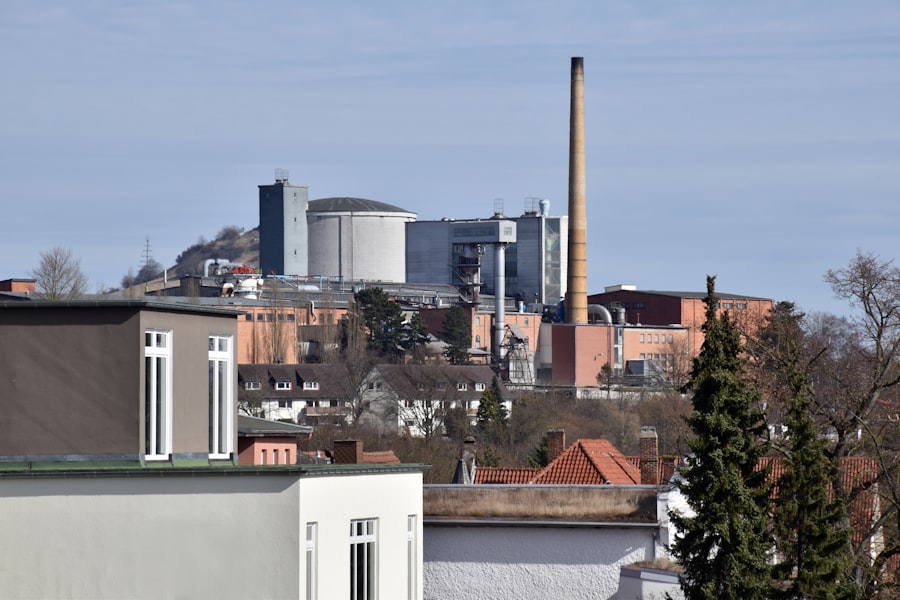
While the challenges presented by the German factory exodus are undeniable, it is also important to recognize that such shifts can act as a catalyst for innovation and adaptation. The pressure to evolve can unlock new economic pathways and strengthen the remaining industrial base.
The Rise of High-Value Manufacturing and Services
The companies deciding to remain or invest in Germany are increasingly those that can leverage the nation’s inherent strengths in high-value manufacturing. This often involves specialized, complex production processes that are difficult or uneconomical to replicate elsewhere.
Automation and Industry 4.0
Germany’s commitment to Industry 4.0, the digital transformation of manufacturing, offers a pathway to maintain competitiveness through automation, artificial intelligence, and interconnected production systems. By embracing advanced technologies, companies can offset higher labor costs with increased efficiency and precision, turning a potential weakness into a strength. This often involves creating “smart factories” where data analytics and automation optimize every stage of the production process.
Focus on Niche Markets and Customization
Rather than competing on mass production, German companies can excel in niche markets that demand precision, customization, and high-quality materials. This allows them to command premium prices and maintain a competitive edge, as these specialized services are less susceptible to being outsourced to lower-cost locations. Think of highly specialized medical equipment, advanced aerospace components, or bespoke luxury goods.
The Growth of the Service Economy and Intellectual Property
As manufacturing footprints shrink, there is an accompanying growth in the service sector, particularly in areas that support advanced industries. This includes consulting, engineering, software development, research and development, and after-sales services.
Innovation in Research and Development Hubs
Germany has the potential to further solidify its position as a global leader in R&D. By fostering collaboration between universities, research institutions, and businesses, the nation can cultivate an environment where groundbreaking ideas are generated and translated into commercial success, even if the final assembly takes place elsewhere.
Intellectual Property Protection and Licensing
As the emphasis shifts from physical production to intellectual capital, robust mechanisms for protecting intellectual property become even more critical. Germany can capitalize on its strong legal frameworks and reputation for reliability to become a leading hub for licensing and innovation, even if the manufacturing itself is decentralized.
Strengthening Domestic Consumption and the Circular Economy
A reduced reliance on exports can encourage a greater focus on domestic demand and the development of a more robust circular economy.
Promoting Local Production for Local Consumption
Encouraging the production of goods and services for the domestic market can foster greater self-sufficiency and reduce vulnerability to global supply chain disruptions. This might involve supporting smaller, localized production facilities and promoting consumer preference for domestically sourced products.
Advancing the Circular Economy and Sustainability
The exodus can also be an impetus to embrace the principles of the circular economy, focusing on repair, reuse, remanufacturing, and recycling. This not only reduces waste and environmental impact but can also create new economic opportunities in specialized service sectors. Germany’s commitment to sustainability could become a competitive advantage in itself.
Policy Responses: Navigating the Transition
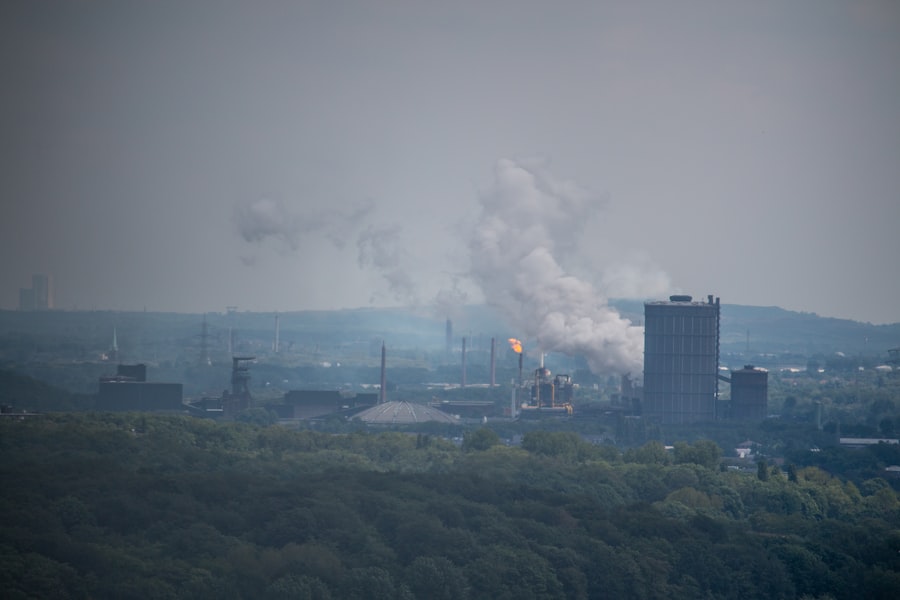
Addressing the German factory exodus requires a proactive and multifaceted policy approach from the government. Understanding the nuances of the situation is key to implementing effective strategies.
Strategic Industrial Policy and Targeted Support
Governments can play a crucial role in guiding the industrial transition, not by propping up declining sectors, but by strategically supporting those with future potential.
Investment Incentives for Innovation and R&D
Providing financial incentives, tax breaks, and grants for companies investing in research and development, automation, and sustainable technologies can encourage them to retain or expand their operations in Germany. This can be likened to tending a garden; the gardener provides the right conditions for the most promising plants to flourish.
Support for SMEs in the Supply Chain
Recognizing that SMEs are vital cogs in the industrial machine, specific support mechanisms are needed to help them adapt to the changing landscape. This could include access to finance for technological upgrades, assistance with market diversification, and collaborative platforms to foster innovation.
Labor Market Flexibility and Social Safety Nets
Adapting to a shifting employment landscape requires a balance between flexibility and robust social support.
Modernizing Vocational Training and Education
Reforming vocational training programs to align with the demands of future industries is essential. This means equipping the workforce with skills in digital technologies, green energy, and advanced manufacturing processes. Continuous learning must become the norm, not the exception.
Strengthening Social Safety Nets and Retraining Programs
Ensuring that robust social safety nets are in place for displaced workers is a matter of social justice and economic stability. Comprehensive and effective retraining programs, coupled with financial support during the training period, are crucial for facilitating a smooth transition to new employment opportunities.
Energy Policy and Competitiveness
The cost of doing business in Germany is heavily influenced by energy prices. Addressing this is a critical policy challenge.
Ensuring Affordable and Stable Energy Supply
Long-term strategies to ensure a stable and affordable energy supply, including investments in renewable energy sources and improved energy efficiency, are paramount to maintaining the competitiveness of German industry. Decoupling the energy supply from volatile geopolitical factors is a strategic imperative.
Promoting Energy Autonomy and Grid Modernization
Investing in domestic energy production and modernizing the national grid can reduce reliance on external sources and enhance the overall resilience and cost-effectiveness of the energy infrastructure.
The recent exodus of factories from Germany has raised concerns about the future of the country’s manufacturing sector and its impact on the economy. As companies seek more favorable conditions abroad, the implications for local employment and innovation are becoming increasingly significant. For a deeper understanding of the broader economic shifts occurring in Europe, you might find this article on the changing landscape of industrial power in the region insightful. It explores various factors influencing these trends and can be accessed through this link: changing landscape of industrial power.
The Future of German Manufacturing: A Reimagined Landscape
| Year | Number of Factories Relocated | Primary Destination Countries | Key Industries Affected | Percentage Decrease in Domestic Manufacturing Jobs | Main Reasons for Exodus |
|---|---|---|---|---|---|
| 2018 | 120 | Poland, Czech Republic, Hungary | Automotive, Electronics, Textiles | 2.5% | Lower labor costs, regulatory environment |
| 2019 | 150 | Poland, Romania, Slovakia | Automotive, Machinery, Chemicals | 3.0% | Cost reduction, market proximity |
| 2020 | 180 | Poland, Czech Republic, Hungary, Romania | Automotive, Electronics, Machinery | 3.8% | Labor costs, supply chain optimization |
| 2021 | 200 | Poland, Romania, Bulgaria | Automotive, Textiles, Chemicals | 4.2% | Cost efficiency, EU market access |
| 2022 | 220 | Poland, Czech Republic, Hungary, Romania | Automotive, Electronics, Machinery | 4.5% | Rising domestic costs, competitive pressures |
The German factory exodus is not necessarily a sign of terminal decline but rather a significant turning point, a metamorphosis that will redefine the character of German industry. The nation’s ability to navigate this transition will determine its future economic standing on the global stage.
Embracing a New Industrial Identity
Instead of clinging to the past, Germany must embrace a new industrial identity, one that prioritizes innovation, high-value specialization, and sustainability. The dream of being the world’s workshop may yield to the reality of being its most sophisticated design studio and its most efficient smart factory operator.
Quality Over Quantity
The long-term success will likely lie in a strategic shift from sheer volume to unparalleled quality and technological sophistication. The “Made in Germany” label will need to signify not just durability, but also cutting-edge technology, ethical production, and a commitment to environmental responsibility.
A Hub for Innovation and Intellectual Capital
Germany has the potential to transform itself into a global hub for innovation, research, and intellectual capital. By nurturing its existing strengths in engineering and science, and by fostering a vibrant ecosystem for startups and technological development, it can reclaim its competitive edge in new and exciting ways. This can attract investment not for factories, but for laboratories, research centers, and high-tech service providers.
The Importance of Global Collaboration
While reshoring and nearshoring are gaining traction, complete deglobalization is neither feasible nor desirable. Germany’s future success will also depend on its ability to foster strategic global collaborations.
Strategic Partnerships and Joint Ventures
Engaging in strategic partnerships and joint ventures with companies in other regions can offer a dual benefit: access to lower-cost production and emerging markets, while retaining control over critical R&D and intellectual property. This creates a more distributed, yet interconnected, global manufacturing network.
Advocating for Fair Global Trade Practices
Germany, as a nation with a strong export orientation, has a vested interest in advocating for fair and open global trade practices. This includes working to reduce protectionist barriers and promoting international cooperation to ensure a level playing field for businesses worldwide.
The German factory exodus presents a complex challenge, a stark reminder that economic landscapes are in constant flux. However, within this challenge lies the seed of opportunity. By adapting, innovating, and strategically recalibrating its industrial compass, Germany has the potential not only to weather this storm but to emerge with a stronger, more resilient, and perhaps even more prosperous economic future. The engines of German industry may be retooling, but their ultimate roar will depend on the vision and agility with which the nation embraces this transformative era.
FAQs
What is meant by the term “German factory exodus”?
The term “German factory exodus” refers to the trend of manufacturing companies relocating their production facilities from Germany to other countries. This movement is often driven by factors such as lower labor costs, regulatory differences, and the pursuit of new markets.
What are the main reasons behind German factories moving abroad?
Key reasons include high labor and production costs in Germany, increasing automation reducing the need for local labor, competitive pressures from global markets, and companies seeking closer proximity to emerging markets or supply chains.
Which countries are common destinations for German factories relocating?
Common destinations include Eastern European countries like Poland and the Czech Republic, as well as countries in Asia such as China and Vietnam, where labor costs are lower and manufacturing infrastructure is developing.
How does the factory exodus impact the German economy?
The exodus can lead to job losses in manufacturing sectors, reduced industrial output, and challenges for local communities dependent on factory employment. However, it may also encourage innovation, automation, and a shift toward high-tech industries within Germany.
What measures is Germany taking to address the factory exodus?
Germany is investing in advanced manufacturing technologies, promoting Industry 4.0 initiatives, offering incentives for domestic production, and focusing on skilled labor development to maintain competitiveness and retain manufacturing within the country.