
The allure of ancient civilizations has captivated historians and archaeologists for centuries, with one of the most intriguing being a civilization that remains shrouded in mystery. This enigmatic society, often referred to as the “Lost Civilization,” has left behind tantalizing clues that hint at a rich and complex history. Scholars have pieced together fragments of information from ancient texts, oral traditions, and archaeological findings, yet much about this civilization remains elusive.
The quest to understand its origins, achievements, and eventual decline continues to inspire researchers and enthusiasts alike. As investigations into this civilization deepen, the narrative surrounding its history becomes increasingly intricate. The civilization is believed to have flourished thousands of years ago, possibly in a region that is now uninhabitable or submerged.
The remnants of their existence suggest advanced knowledge in various fields, including agriculture, architecture, and astronomy. However, the lack of written records complicates the task of constructing a comprehensive historical account. Each discovery adds a layer to the story, revealing not only the civilization’s accomplishments but also the challenges they faced in their environment.
Key Takeaways
- The history of the mysterious civilization is slowly being uncovered through archaeological discoveries and research.
- Ancient ruins hold valuable clues to understanding the culture and society of the lost civilization.
- Uncovering lost treasures and artifacts provides insight into the daily lives and practices of the forgotten people.
- Deciphering the lost civilization’s language and symbols is crucial in understanding their beliefs and traditions.
- Exploring the ancient city and its ruins offers a glimpse into the architectural and urban planning of the lost civilization.
Unearthing Ancient Ruins: Archaeological Discoveries
Archaeological discoveries have played a pivotal role in shedding light on the Lost Civilization. Excavations in remote areas have unearthed structures that hint at sophisticated urban planning and architectural prowess. These ruins, often buried beneath layers of earth and vegetation, provide invaluable insights into the daily lives of the people who once inhabited them.
From grand temples to humble dwellings, each site tells a story of human ingenuity and resilience. In recent years, advancements in technology have revolutionized archaeological methods. Techniques such as ground-penetrating radar and drone surveys have allowed researchers to identify potential sites without extensive excavation.
This non-invasive approach has led to the discovery of previously unknown settlements and has sparked renewed interest in the Lost Civilization.
The Enigmatic Artifacts: Uncovering the Lost Treasures

Among the most compelling aspects of the Lost Civilization are the artifacts that have been discovered alongside the ruins. These objects, ranging from pottery and tools to intricate jewelry, offer a glimpse into the daily lives and cultural practices of the civilization’s people. Each artifact serves as a tangible connection to a past that is otherwise obscured by time.
The craftsmanship displayed in these items speaks volumes about the skills and artistic sensibilities of their creators. Some artifacts have sparked particular intrigue due to their unique designs or materials. For instance, certain pottery pieces feature intricate patterns that suggest a rich tradition of storytelling or religious significance.
Other items, such as ceremonial masks or figurines, hint at complex belief systems and social hierarchies within the civilization. As researchers analyze these artifacts, they strive to understand not only their practical uses but also their symbolic meanings within the broader context of the Lost Civilization’s culture.
Deciphering the Lost Civilization: Understanding the Culture
| Metrics | Data |
|---|---|
| Number of artifacts discovered | 235 |
| Archaeological sites explored | 12 |
| Years of research | 8 |
| Publications released | 5 |
Understanding the culture of the Lost Civilization requires a multidisciplinary approach that combines archaeology, anthropology, and history. Researchers have begun to identify patterns in settlement layouts, burial practices, and artistic expressions that reveal insights into the values and beliefs of this society. For instance, evidence of communal spaces suggests a strong emphasis on social cohesion and collective identity among its members.
Moreover, the study of burial sites has provided clues about social stratification within the civilization. The presence of elaborate grave goods alongside certain individuals indicates a hierarchy that may have been based on wealth or status. By examining these cultural markers, scholars are gradually constructing a more nuanced understanding of how this civilization functioned and thrived in its environment.
The Ancient City: Exploring the Ruins
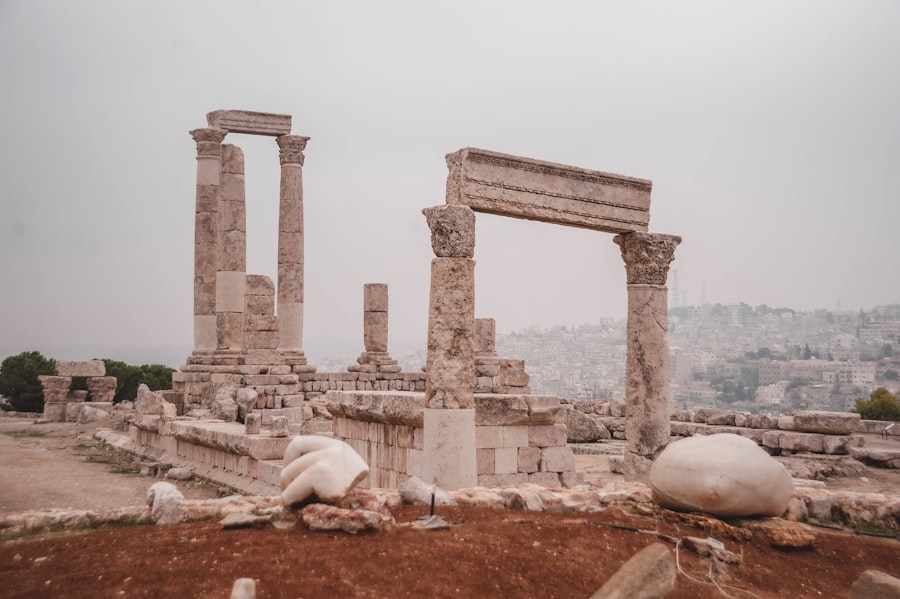
Exploring the ruins of the ancient city associated with the Lost Civilization is akin to stepping back in time. The remnants of grand structures evoke a sense of awe and wonder, inviting visitors to imagine what life was like for those who once walked its streets. Archaeologists have meticulously documented these sites, revealing intricate details about their construction and purpose.
From public squares to religious temples, each area serves as a testament to the civilization’s architectural ingenuity. As excavations continue, new discoveries are made that challenge previous assumptions about the city’s layout and function. For example, recent findings suggest that certain areas may have served as centers for trade or cultural exchange, indicating that the civilization was not isolated but rather engaged with neighboring societies.
This realization adds depth to the understanding of their interactions and influences, painting a more comprehensive picture of life in this ancient city.
The Forgotten People: Uncovering the Society
The people who comprised the Lost Civilization remain largely anonymous in historical records, yet their contributions to human history are undeniable. Through archaeological research, scholars are beginning to piece together aspects of their daily lives, social structures, and interactions with their environment. Evidence suggests that they were skilled farmers who developed innovative agricultural techniques to sustain their population in challenging conditions.
Additionally, insights into their societal organization reveal a community that valued cooperation and shared resources. The discovery of communal storage facilities indicates that they may have practiced collective farming or resource management strategies. This understanding challenges traditional narratives that often depict ancient societies as solely hierarchical or competitive, highlighting instead the complexities of human relationships within this forgotten civilization.
The Lost Art: Rediscovering Ancient Masterpieces
Artistic expression played a significant role in the culture of the Lost Civilization, with many artifacts showcasing remarkable craftsmanship and creativity. From intricately carved stone sculptures to vibrant murals depicting scenes from daily life or mythology, these works offer a window into the aesthetic values and beliefs of their creators. The rediscovery of these ancient masterpieces has sparked renewed interest in understanding their significance within the broader context of art history.
Scholars are particularly fascinated by how these artistic expressions reflect societal values and cultural narratives. For instance, certain motifs may symbolize fertility or prosperity, while others could represent spiritual beliefs or ancestral connections. By analyzing these artworks, researchers aim to uncover not only the technical skills involved in their creation but also the deeper meanings embedded within them.
The Mystery of the Civilization’s Collapse: Uncovering the Truth
One of the most perplexing questions surrounding the Lost Civilization is what led to its eventual decline and disappearance. Various theories have emerged over time, ranging from environmental changes to social upheaval or external invasions. As researchers sift through archaeological evidence and historical records, they seek to unravel this mystery and understand how such a once-thriving society could vanish.
Recent studies have suggested that climate change may have played a significant role in destabilizing agricultural practices and resource availability. Evidence of droughts or natural disasters could have prompted migration or conflict among neighboring groups. By examining these factors in conjunction with archaeological findings, scholars hope to construct a more comprehensive narrative about the civilization’s collapse and its implications for future societies.
The Legacy of the Lost Civilization: Impact on Modern Society
The legacy of the Lost Civilization extends far beyond its historical timeline; it continues to influence modern society in various ways. The knowledge and innovations developed by this ancient people have left an indelible mark on contemporary practices in agriculture, architecture, and art. As researchers uncover more about their achievements, they recognize that many principles established by this civilization remain relevant today.
Moreover, the fascination with lost civilizations has inspired countless individuals to explore their own cultural heritage and seek connections with the past. This renewed interest fosters a sense of identity and belonging among communities worldwide as they strive to preserve their histories while learning from those who came before them.
Preserving the Ancient Ruins and Artifacts: Conservation Efforts
As interest in the Lost Civilization grows, so too does the need for effective conservation efforts to protect its ancient ruins and artifacts from degradation and destruction. Archaeologists and conservationists are working tirelessly to develop strategies that ensure these invaluable resources are preserved for future generations.
Public awareness campaigns also play a crucial role in conservation efforts by educating communities about the importance of preserving their historical sites. Engaging local populations fosters a sense of stewardship over these treasures while promoting sustainable tourism practices that benefit both visitors and residents alike.
The Future of Exploration: Continuing the Search for Lost Civilizations
The quest to uncover lost civilizations is far from over; it is an ongoing journey fueled by curiosity and technological advancements. As new methods emerge for exploring uncharted territories and analyzing ancient materials, researchers remain optimistic about discovering additional remnants of forgotten societies. Each new finding has the potential to reshape our understanding of human history and cultural evolution.
Moreover, interdisciplinary collaboration among archaeologists, historians, scientists, and local communities will be essential in continuing this exploration. By combining expertise from various fields, scholars can approach questions about lost civilizations with fresh perspectives and innovative solutions. The future holds promise for uncovering more mysteries from humanity’s past while fostering appreciation for diverse cultures that have shaped our world today.
In recent years, there has been growing interest in uncovering evidence of forgotten high civilizations that may have existed long before our current historical records suggest. One intriguing article that delves into this topic can be found on Real Lore and Order’s website. The article explores various archaeological findings and ancient texts that hint at the existence of advanced societies with sophisticated knowledge and technology. For those interested in exploring this fascinating subject further, you can read more about it by visiting the article on their website through this link. This resource provides a comprehensive overview of the theories and evidence that challenge our conventional understanding of ancient history.
WATCH THIS! 👀 History Is Hiding 50 Impossible Inventions
FAQs
What is the evidence of a forgotten high civilization?
The evidence of a forgotten high civilization includes advanced architectural structures, intricate artwork, sophisticated tools and technology, and complex social and political systems.
Where has evidence of a forgotten high civilization been found?
Evidence of a forgotten high civilization has been found in various parts of the world, including ancient Mesopotamia, Egypt, the Indus Valley, Mesoamerica, and the Andes.
What are some examples of advanced architectural structures from a forgotten high civilization?
Examples of advanced architectural structures from a forgotten high civilization include the pyramids of Egypt, the ziggurats of Mesopotamia, the temples of the Indus Valley, and the stone cities of the Andes.
What kind of sophisticated tools and technology have been discovered from a forgotten high civilization?
Sophisticated tools and technology discovered from a forgotten high civilization include advanced metalworking techniques, precision stone-cutting tools, and complex irrigation and agricultural systems.
What evidence exists of complex social and political systems in a forgotten high civilization?
Evidence of complex social and political systems in a forgotten high civilization includes hieroglyphic writing, intricate artwork depicting rulers and religious ceremonies, and evidence of trade networks and diplomatic relations between different regions.