
The island of Sicily, a jewel in the Mediterranean’s crown, is not merely a repository of magnificent ruins and sun-drenched landscapes. Beneath the veneer of its well-documented past lies a rich stratum of oral history, a tapestry woven from the whispers of generations, concerning the very foundations of its ancient stones. These are not the grand pronouncements of emperors or the meticulously carved inscriptions detailing military victories, but rather the everyday narratives, the beliefs, and the practical knowledge passed down through word of mouth. To uncover these “ancient stone days” is to delve into the living memory of the land, a process that requires a different kind of archaeology – one of listening.
The impressive structures that dot the Sicilian landscape, from the Valley of the Temples in Agrigento to the Norman cathedrals, stand as silent witnesses to remarkable feats of engineering and artistry. While scholarly research diligently examines documentary evidence and archaeological findings, oral traditions offer a unique perspective on the human element behind these monumental achievements, focusing on the builders, the laborers, and the artisans whose hands shaped the stone.
Echoes of the Quarry: Traditional Stone Extraction
The very sourcing of the building materials is a narrative often overlooked in formal historical accounts. Oral histories frequently recall the arduous processes of quarrying, passed down from those whose ancestors performed this backbreaking work. These stories paint vivid pictures of the techniques employed, revealing an intimate knowledge of the land and its geological formations.
The Language of Rock: Understanding Stone Types
Elders in rural communities, particularly those living near ancient quarries, often possess an almost instinctual understanding of different stone types. They can identify the best stone for specific purposes, not through scientific analysis, but through generations of experience. This knowledge, transmitted orally, includes details about durability, workability, and even the subtle variations in color and texture that would have been crucial for architectural harmony. Imagine a farmer, with a gnarled hand, pointing to a particular outcrop and saying, “This is the stone that drinks the sun and holds the cool of the night. It will not weep in the winter rains, nor crumble under the summer’s glare.” This is the essence of oral history – a practical, visceral connection to the material.
Tools and Techniques: The Art of Extraction
The tools used for quarrying, often simple yet effective, are also subjects of oral transmission. Stories may describe the use of wooden wedges, swelled with water to split rock, or the ingenious leverage techniques employed to move massive blocks. These narratives are not mere descriptions; they are living embodiments of ingenuity, showcasing how communities adapted to their environment and the materials at hand. The rhythmic clang of hammers, the groan of ropes, the shouts of men coordinating their efforts – these are the auditory remnants of a forgotten symphony of labor.
From Rough Block to Finished Form: The Stonemason’s Legacy
The transformation of raw stone into the elegant columns, decorative reliefs, and sturdy walls of Sicilian heritage sites is a testament to the skill of stonemasons. Oral histories preserve the pedagogical methods and the subtle nuances of this ancient craft. Understanding how these artisans learned their trade, the apprenticeships, and the communal sharing of knowledge adds a deeply human dimension to the appreciation of their work.
The Master’s Eye: Teaching the Craft
Apprenticeships in stonemasonry were often informal, with knowledge passed directly from master to apprentice through observation and imitation. Oral accounts can reveal the wisdom imparted by seasoned craftsmen, the emphasis on patience, precision, and the creation of aesthetically pleasing forms. These stories highlight the importance of “the master’s eye,” an intuitive understanding of proportion and balance that transcended written rules.
The Sound of the Chisel: Executing Intricate Details
The fine details found on many Sicilian structures, from the intricate carvings on sarcophagi to the decorative friezes, speak volumes about the skill of the chiseler. Oral traditions may recount specific techniques for achieving particular textures or for carving complex motifs, sometimes including prayers or invocations whispered during the most delicate work. The soft scrape of the chisel against stone, a sound that once echoed through workshops, is now preserved in the memories of those who recall their grandfathers or great-grandfathers at work.
The rich oral history of ancient stone days in Sicily reveals fascinating insights into the lives of early inhabitants and their interactions with the environment. This cultural legacy is intricately tied to the region’s archaeological sites, where stone structures and artifacts tell stories of resilience and innovation. For those interested in exploring the mysteries of ancient civilizations and their technologies, a related article can be found at Forbidden Ancient Technology: Secrets Unearthed, which delves into the advanced knowledge and practices that may have existed long before recorded history.
Hidden Meanings: Mythology, Folklore, and the Sacred in Stone
Beyond the practicalities of construction and craftsmanship, oral histories offer a window into the symbolic and spiritual significance that ancient Sicilians imbued in their stone structures. These narratives reveal how myths, legends, and religious beliefs were intertwined with the very fabric of their built environment, lending a sacred aura to places that might otherwise be seen as purely utilitarian.
Guardians and Spirits: The Living Soul of Buildings
Many oral traditions speak of the spiritual presence within buildings and on specific stones. These beliefs, often pre-dating or coexisting with formalized religious doctrines, populated the ancient world with unseen forces that influenced daily life.
Spirits of Place: Protecting the Foundations
Stories about localized spirits or earth elementals that were believed to inhabit and protect particular sites are common. These tales often served to instill a sense of reverence and caution in those who interacted with these places, ensuring their preservation. The idea that a building’s foundations might be watched over by ancient, benevolent (or sometimes mischievous) entities is a recurring theme.
Auspicious Stones: Bringing Good Fortune
Certain stones, or specific parts of buildings, were often considered auspicious. Oral histories might recount rituals or practices performed near these stones to ensure good luck, fertility, or protection. A particular cornerstone, for example, might be seen as a focal point for invoking good fortune for the entire structure and its inhabitants. It was as if the stone itself held a silent promise.
Myths in Masonry: Stories Carved in Stone
The narratives embedded within oral traditions often explain the origins of the landscape and its inhabitants, themes that may have been symbolically represented in the architecture itself.
Creation Myths: The Genesis of the Landscape
Local myths about the creation of Sicily, often involving deities or primal forces, can sometimes be linked to prominent natural formations or ancient structures. Oral histories might suggest that certain rock formations were shaped by divine intervention, or that ancient temples were built on sites of primordial power.
Legendary Heroes: Embodied in Architecture
The stories of legendary heroes, ancient rulers, or even mythical beings could be tied to specific locations or architectural features. A particularly impressive column, for instance, might be said to have been erected by a legendary figure, or a specific chamber might be associated with a significant event from folklore. These connections transformed inert stone into a narrative canvas.
The Fabric of Daily Life: Using and Adapting Ancient Structures
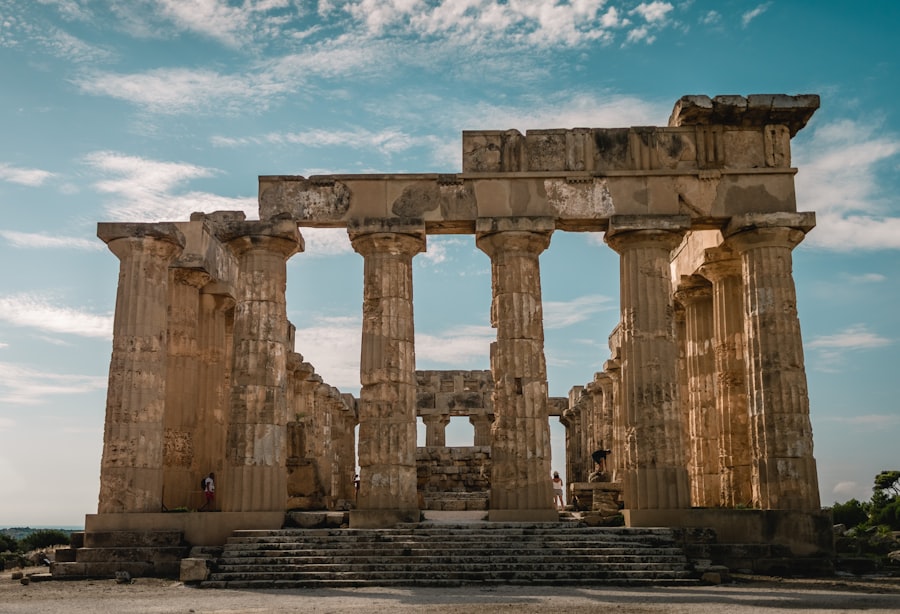
The enduring legacy of Sicily’s ancient stones lies not only in their monumental presence but also in their continuous use and adaptation by successive generations. Oral histories provide invaluable insights into how these structures were integrated into the daily routines of ordinary people, evolving from their original purposes to serve new needs.
The ancient stone days of Sicily are rich with oral history that reflects the island’s unique cultural heritage and the resilience of its people. These stories, passed down through generations, often highlight the connection between the land and its inhabitants. For those interested in exploring how such historical narratives can inform contemporary issues, a related article discusses the growing concerns about island vulnerability in a changing world. You can read more about this topic in the article here.
Homes and Havens: Reimagining Ancient Spaces
Many ancient structures, from smaller dwellings to parts of larger complexes, were repurposed by later inhabitants for their own domestic needs. Oral traditions offer a glimpse into this pragmatic form of reuse, painting a picture of how these ancient spaces became homes, storerooms, or places of refuge.
From Temple to Dwelling: Domestic Adaptations
Stories might describe how the ruins of ancient temples or villas were incorporated into more modest homes, with new walls built within existing structures or roofs added to open courtyards. The echoes of ancient rituals might have mingled with the sounds of everyday life – a child’s laughter in a space once dedicated to silent prayer.
Shelters and Barns: Practical Reuse
Beyond direct habitation, ancient ruins often served as practical shelters for livestock or as storage spaces. Oral histories can recount how farmers or shepherds utilized these sturdy, time-worn structures, transforming them into functional aspects of rural life. A weathered archway might have once supported the roof of a grand ceremony, and now provides shade for grazing sheep.
Communal Hubs: Gathering Places and Social Centers
Certain ancient sites, even in their ruined state, continued to hold significance as communal gathering places. Oral traditions often preserve memories of these sites being used for markets, festivals, or important social events.
Marketplaces and Meeting Points: The Stone as an Anchor
Ruined amphitheatres or the open spaces around ancient fortifications might have retained their function as informal marketplaces or designated meeting points for the local community. The stones, weathered and worn, became anchors for social interaction.
Festivals and Celebrations: Sacred and Secular Rituals
Oral histories can recall how ancient sites, even in disrepair, were incorporated into local festivals and celebrations, sometimes blending Christian observances with older, pre-Christian traditions. A sense of continuity, of belonging, would have been fostered by engaging with these ancient spaces. The same stones that witnessed pagan rites might have later echoed with liturgical chants.
Lost in Translation: The Erosion of Oral Heritage
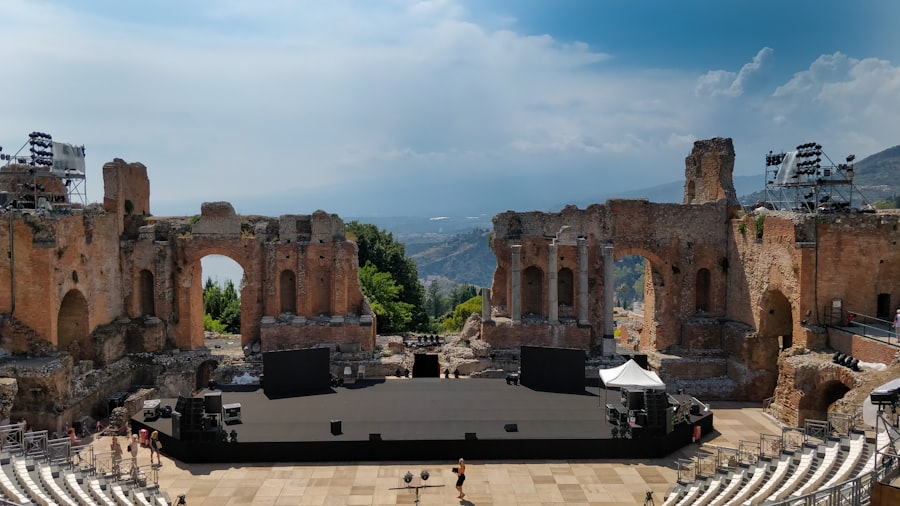
Despite its richness, oral history is a fragile treasure, susceptible to erosion and loss over time. The forces that lead to the fading of these narratives are varied, impacting the continuity of cultural memory in Sicily.
The Winds of Change: Modernization and Urbanization
The rapid pace of modern development, including urbanization and the displacement of rural populations, has significantly impacted the transmission of oral traditions. As communities disperse and traditional lifestyles fade, so too do the elders who are the custodians of these stories.
Disappearing Dialects: The Undoing of Language
The decline in the use of regional Sicilian dialects, which are often the very vessels of oral history, is a significant factor. As younger generations gravitate towards standard Italian or other global languages, the nuances and specific vocabulary of their ancestral tongue become less understood, and therefore less utilized for storytelling.
The Digital Divide: A Shift in Communication
The shift towards digital communication and mass media has also contributed to the decline of oral traditions. The intimate, face-to-face transmission of stories is often supplanted by more passive forms of information consumption, weakening the traditional channels of cultural transmission.
The Shadow of Oblivion: Forgetting and Misinterpretation
Even when stories persist, they are not immune to the passage of time and the inherent challenges of oral transmission. The natural process of forgetting, coupled with potential misinterpretations or embellishments, can alter the original narratives.
The Fading of Detail: Gaps in the Tapestry
As individuals age or pass away, the intricate details of their memories can fade. Key elements of a story, specific names, dates, or crucial explanations, might be lost, leaving gaps in the narrative tapestry.
The Siren Song of Novelty: Adapting the Past
There can be a tendency to “update” or reinterpret old stories to fit contemporary sensibilities, leading to
FAQs
What is the significance of oral history in understanding ancient Stone Age Sicily?
Oral history plays a crucial role in understanding ancient Stone Age Sicily as it preserves the traditions, stories, and cultural knowledge passed down through generations. These narratives provide insights into the lives, beliefs, and practices of early inhabitants before written records existed.
What types of artifacts have been found from the Stone Age period in Sicily?
Archaeologists have discovered various Stone Age artifacts in Sicily, including stone tools, pottery fragments, cave paintings, and remnants of ancient dwellings. These findings help reconstruct the daily life and technological advancements of prehistoric communities on the island.
How does oral history complement archaeological findings in Sicily?
Oral history complements archaeological findings by offering context and meaning to physical artifacts. While archaeology uncovers material evidence, oral traditions can explain the cultural significance, rituals, and social structures associated with those artifacts, providing a fuller picture of ancient Sicilian life.
What challenges exist in studying Stone Age oral history in Sicily?
Studying Stone Age oral history in Sicily is challenging because these stories were transmitted verbally over millennia, often evolving or being lost over time. Additionally, the lack of written records from that era means researchers must rely heavily on later accounts and interpretations, which may not fully reflect the original narratives.
Are there any known Stone Age sites in Sicily that are linked to oral traditions?
Yes, several Stone Age sites in Sicily, such as the Grotta del Genovese and other prehistoric caves, are associated with local legends and oral traditions. These sites contain cave paintings and artifacts that have inspired stories passed down through generations, linking tangible history with cultural memory.