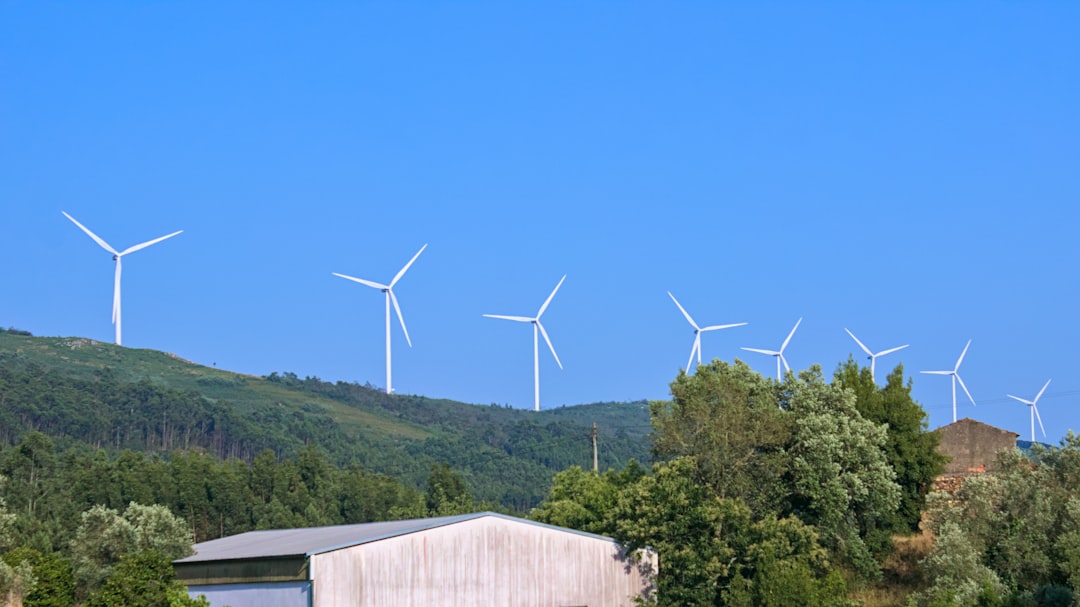
Renewable Power Purchase Agreements (PPAs) are emerging as a significant tool for mining operations seeking to decarbonize their energy consumption, enhance cost predictability, and secure a sustainable future. The mining industry, historically a substantial consumer of fossil fuels, faces increasing pressure from regulators, investors, and the public to reduce its environmental footprint. Renewable PPAs offer a tangible pathway to achieve these goals by directly contracting for the supply of electricity generated from renewable sources like solar, wind, and hydropower. This arrangement allows mining companies to procure clean energy for extended periods, typically 10 to 25 years, at terms often favorable and stable compared to volatile fossil fuel markets.
The rationale behind adopting renewable PPAs for mining operations is multifaceted. Energy is a cornerstone of any mining endeavor, powering everything from excavators and crushing plants to ventilation systems and processing facilities. Historically, this energy has been largely sourced from diesel generators, grid electricity often derived from coal, or natural gas. These conventional energy sources contribute significantly to greenhouse gas emissions, operational costs, and energy security vulnerabilities. Renewable PPAs address these challenges by providing a shield against fluctuating energy prices, offering long-term cost certainty, and aligning operations with environmental, social, and governance (ESG) objectives. For a sector that operates through boom and bust cycles, predictable and stable operating expenses are paramount. A renewable PPA acts like a long-term fixed-rate mortgage for energy, providing a predictable outlay that can be factored into financial planning with greater confidence.
The extractive nature of mining inherently necessitates substantial energy input. From the moment a mineral deposit is discovered, through exploration, extraction, processing, and transportation, energy is the lifeblood of the operation.
Exploration and Site Development
The initial phases of mining, while less energy-intensive than full-scale extraction, still require significant power. This includes running exploration drills, powering temporary camps, and operating early-stage site clearing and preparation equipment. The remoteness of many exploration sites often necessitates on-site generation, traditionally relying on diesel, which is costly to transport and maintain.
Extraction and Material Handling
This is arguably the most energy-intensive stage. Large-scale machinery such as electric shovels, haul trucks (increasingly electric or hybrid), and underground mining equipment all demand vast amounts of electricity. Conveyor belts responsible for moving ore and waste rock also contribute to the overall energy load. The sheer volume of material moved per hour in a typical mine dictates a constant and substantial power draw.
Ore Processing and Beneficiation
Once extracted, the raw ore must be processed to extract valuable minerals. This involves a series of energy-intensive steps, including crushing, grinding, flotation, smelting, and refining. Grinding rocks, to release valuable minerals, is particularly energy-demanding, often requiring large electric motors to power mill circuits. Chemical processes involved in refining can also be energy-intensive, requiring heat or electrolysis.
Ancillary Operations and Infrastructure
Beyond the core mining and processing activities, numerous other operations consume energy. These include mine dewatering systems, crucial for preventing flooding in underground mines and maintaining stability in open pits, ventilation systems in underground mines to ensure air quality for workers, and the operation of workshops, laboratories, and administrative facilities. Transporting materials within the mine site and to external markets also adds to the energy bill.
In the context of renewable Power Purchase Agreements (PPAs) for mining operations, a relevant article discusses the innovative approaches being adopted to enhance sustainability in the industry. By leveraging renewable energy sources, mining companies can significantly reduce their carbon footprint while ensuring a reliable energy supply. For more insights on how these agreements are transforming mining practices, you can read the article at this link.
Understanding Renewable PPAs in the Mining Context
At its core, a renewable PPA is a long-term contract between an energy generator (often a developer of a solar farm or wind park) and a large energy consumer (the mining company). It allows the mining company to purchase electricity directly from the renewable energy source at a pre-determined price for a specified duration, bypassing traditional utility providers. This direct contracting model offers distinct advantages for the mining industry.
Key Components of a Renewable PPA
- ### Contracted Energy Source
The PPA specifies the type of renewable energy, such as solar photovoltaic (PV), onshore or offshore wind, or hydropower. The choice is often driven by the geographical location of the mine, resource availability, and the company’s specific sustainability goals. For example, a mine in a sunny, arid region might favor solar, while one in a windy coastal area would look towards wind power.
- ### Contract Duration
PPAs are typically structured for long-term commitments, ranging from 10 to 25 years. This extended timeframe is crucial for mining operations, which often have mine lives measured in decades. The long-term nature provides energy cost certainty for the entire lifecycle of a significant portion of the mine’s operation.
- ### Fixed or Capped Pricing
A primary benefit of PPAs is the ability to secure electricity at a fixed price or within a defined price cap for the contract term. This insulates the mining company from the volatility of fossil fuel prices, which can significantly impact operational profitability. This predictability is invaluable in an industry subject to commodity price swings.
- ### Off-taker and Generator Roles
The off-taker is the entity purchasing the electricity, in this case, the mining company. The generator is the entity producing the renewable energy. The PPA clearly defines the responsibilities and obligations of both parties regarding power delivery, payment, and grid connections.
Types of Renewable PPA Structures
- ### Physical PPAs
In a physical PPA, the mining company directly receives the electricity generated by the renewable energy project. This often involves the PPA generator constructing a dedicated power plant that supplies energy to the mine, potentially through a direct connection or via the existing grid infrastructure. The mining company is responsible for taking delivery of the generated electricity.
- ### Virtual PPAs (vPPAs) or Contract for Differences (CfDs)
For mines that may not have the ideal location for a dedicated renewable project or are already connected to a grid with established suppliers, virtual PPAs offer an alternative. Under a vPPA, the mining company enters into a financial contract with the renewable energy generator. The generator sells the electricity on the spot market and pays the mining company the difference between the agreed-upon PPA price and the prevailing market price. Conversely, if the market price is higher than the PPA price, the mining company pays the generator the difference. These arrangements do not involve the physical flow of electricity from the generator to the off-taker.
- ### Sleeved PPAs
A sleeved PPA involves a third-party intermediary, often a utility or an energy trader, who purchases the renewable energy from a generator and then resells it to the mining company. This structure can simplify the process for the mining company, as the intermediary handles the complexities of the PPA agreement and grid integration.
The Environmental and Social Imperatives for Mining
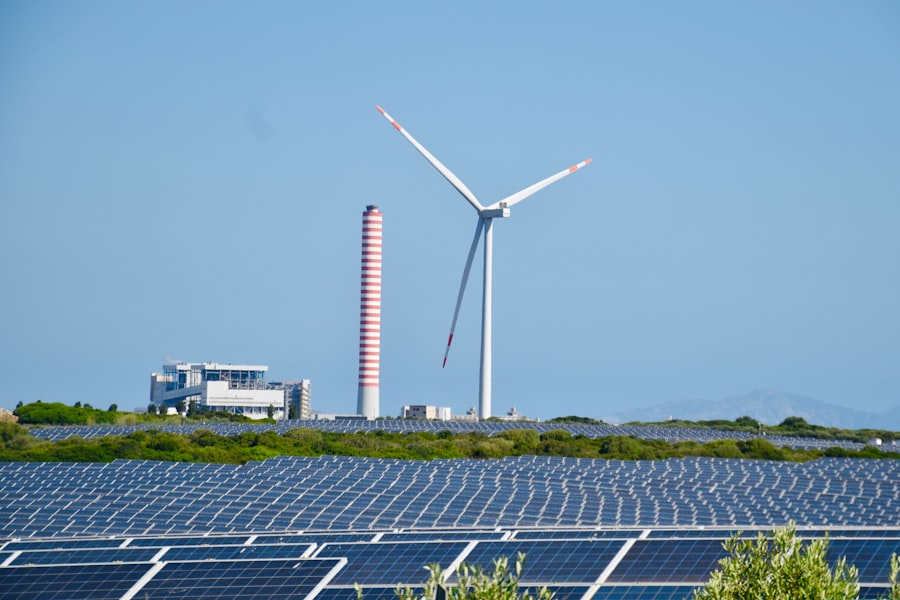
The mining industry, by its very nature, has a profound impact on the environment and surrounding communities. Increasing global awareness and regulatory frameworks are compelling companies to adopt more sustainable practices.
Reducing Carbon Footprint and Greenhouse Gas Emissions
Mining operations are significant emitters of greenhouse gases, primarily from the combustion of fossil fuels for energy. Transitioning to renewable energy sources through PPAs directly reduces a mine’s carbon footprint, contributing to global efforts to mitigate climate change. This is no longer a niche concern but a fundamental expectation for responsible corporate citizenship.
Improving Air Quality and Local Environmental Impact
Beyond greenhouse gases, the use of fossil fuels in mining contributes to localized air pollution, impacting the health of workers and nearby communities. Renewable energy sources produce minimal to no air pollutants during operation, leading to improved local air quality and a healthier environment. This also reduces the potential for environmental remediation liabilities.
Meeting Investor and Stakeholder Expectations (ESG)
Environmental, Social, and Governance (ESG) factors are increasingly critical for mining companies. Investors are scrutinizing companies’ sustainability performance, and those with strong ESG credentials are often rewarded with better access to capital and lower borrowing costs. Renewable PPAs are a visible and impactful way for mining companies to demonstrate their commitment to ESG principles, thereby attracting and retaining investor confidence.
Fulfilling Regulatory Requirements and Future-Proofing
Governments worldwide are implementing stricter environmental regulations, including carbon pricing mechanisms and renewable energy mandates. By proactively adopting renewable energy through PPAs, mining companies can not only meet current requirements but also future-proof their operations against evolving regulatory landscapes and potential carbon taxes.
Practical Considerations for Implementing Renewable PPAs
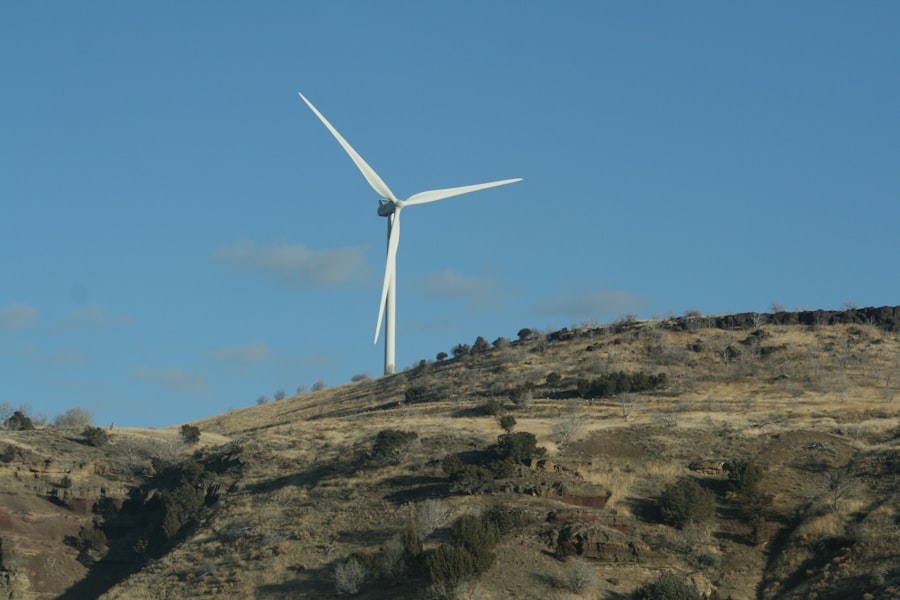
While the benefits of renewable PPAs for mining operations are clear, successful implementation requires careful planning and consideration of several practical aspects.
Site Suitability and Resource Assessment
The viability of a renewable PPA is intrinsically linked to the availability of suitable renewable resources.
- ### Solar Irradiance and Land Availability
For solar PPAs, assessing the average solar irradiance and identifying sufficient land area for solar farm development are critical. Mines in remote locations might have abundant land, but the quality of sunlight is key.
- ### Wind Speeds and Topography
Wind PPAs require consistent and adequate wind speeds, often found in elevated or open areas. Topography can influence wind patterns and the feasibility of turbine placement.
- ### Hydropower Potential
Where available, existing or potential hydropower resources can offer a consistent baseload of renewable energy. This often involves long-term agreements with existing hydro facilities.
Grid Connection and Infrastructure
The integration of renewable energy into the mine’s power supply relies heavily on existing grid infrastructure or the capacity to build new connections.
- ### Interconnection Studies and Costs
Connecting a new renewable energy source to the grid requires detailed interconnection studies to assess the impact on grid stability and capacity. These studies can be complex and incur significant costs.
- ### Transmission Capacity
Ensuring sufficient transmission capacity to carry the renewable energy from the generation site to the mine is crucial. If existing lines are insufficient, upgrades or new transmission infrastructure may be necessary, adding to the project’s expense and timeline.
Financial and Legal Due Diligence
The financial and contractual aspects of a PPA demand rigorous scrutiny.
- ### PPA Negotiation and Structuring
Negotiating the terms of the PPA, including price, duration, indexation, and termination clauses, is a complex process. Engaging experienced legal and financial advisors is essential. This is where the fine print can make or break the economic viability of the arrangement.
- ### Financing Renewable Energy Projects
The development of new renewable energy generation facilities often requires substantial upfront capital investment. Mining companies may provide financing, or work with independent power producers (IPPs) who secure financing for the project. The PPA often serves as collateral for project financing.
- ### Creditworthiness and Counterparty Risk
Ensuring the financial stability and creditworthiness of both the PPA off-taker (mining company) and the generator is crucial for the long-term security of the agreement. The risk of a counterparty defaulting on their obligations must be thoroughly assessed.
In recent years, the mining industry has increasingly turned to renewable Power Purchase Agreements (PPAs) to enhance sustainability and reduce carbon footprints. A comprehensive understanding of how these agreements can benefit mining operations can be found in a related article that explores innovative energy solutions. For more insights, you can read about the implications of renewable energy in various sectors by visiting this informative article. By adopting renewable PPAs, mining companies not only contribute to environmental preservation but also improve their operational efficiency.
The Evolving Landscape of Renewable PPAs in Mining
| Metric | Description | Typical Value / Range | Unit |
|---|---|---|---|
| Contract Duration | Length of the renewable PPA agreement | 10 – 25 | Years |
| Capacity | Installed renewable energy capacity dedicated to mining operations | 5 – 100 | MW |
| Energy Offtake | Annual energy consumption covered by the PPA | 20,000 – 500,000 | MWh/year |
| Renewable Source | Type of renewable energy used in the PPA | Solar, Wind, Hydro, Hybrid | – |
| Price Stability | Fixed or variable pricing structure in the PPA | Fixed / Indexed | – |
| Carbon Emission Reduction | Estimated reduction in CO2 emissions due to renewable energy use | 10,000 – 200,000 | Metric Tons CO2/year |
| Capacity Factor | Average operational efficiency of the renewable energy system | 20% – 40% | Percentage |
| Grid Connection Type | How the renewable energy is integrated with mining operations | On-site, Off-site, Hybrid | – |
| Energy Storage | Inclusion of battery or other storage solutions | Yes / No | – |
The adoption of renewable PPAs by the mining sector is gaining momentum, driven by technological advancements, falling renewable energy costs, and increasing corporate sustainability commitments.
Technological Advancements and Cost Reductions
The cost of renewable energy technologies, particularly solar PV and wind turbines, has plummeted over the past decade. This has made renewable energy increasingly competitive, and often cheaper, than conventional energy sources. Innovations in battery storage are also addressing the intermittency of some renewable sources, enabling more reliable power supply for continuous mining operations.
Hybrid Energy Systems and Storage Solutions
Mines are increasingly exploring the integration of renewable energy sources with battery energy storage systems (BESS) and existing or backup power generation (e.g., natural gas or diesel generators). This hybrid approach allows for enhanced grid stability, optimized power supply, and the ability to draw on stored energy during periods when renewable generation is low. A well-designed hybrid system acts like a sophisticated energy reservoir, drawing from multiple sources to meet demand consistently.
Corporate Sustainability Goals and ESG Reporting
As companies across all sectors set ambitious climate targets, mining companies are under particular pressure to decarbonize their heavy industrial processes. Publicly demonstrating progress through renewable PPA commitments enhances their ESG reporting, which is becoming a critical factor for investors and rating agencies.
Emerging Markets and Opportunities
The trend towards renewable PPAs is not limited to developed economies. Mining operations in emerging markets are also recognizing the economic and environmental advantages, leading to a broader global adoption of clean energy solutions in the sector. This opens up new markets for renewable energy developers and suppliers.
In conclusion, renewable Power Purchase Agreements represent a transformative opportunity for the mining industry. They provide a strategic pathway to address the sector’s significant energy demands while simultaneously reducing environmental impact, enhancing cost predictability, and meeting the growing expectations of stakeholders. The ability to contract directly for clean energy decouples mining operations from the volatility of fossil fuel markets and positions companies as leaders in sustainable resource extraction. As renewable energy technologies continue to advance and their costs decline, the adoption of renewable PPAs in mining is poised to accelerate, powering a more sustainable future for this essential global industry.
FAQs
What is a renewable Power Purchase Agreement (PPA) for mining operations?
A renewable Power Purchase Agreement (PPA) is a contract between a mining company and a renewable energy provider, where the mining operation agrees to purchase electricity generated from renewable sources such as solar, wind, or hydro. This arrangement helps mines reduce their carbon footprint and energy costs by securing a long-term supply of clean energy.
How do renewable PPAs benefit mining operations?
Renewable PPAs provide mining operations with stable and often lower energy costs, reduce greenhouse gas emissions, and enhance sustainability credentials. They also help mines comply with environmental regulations and meet corporate social responsibility goals by supporting the transition to clean energy.
What types of renewable energy are commonly used in PPAs for mining?
The most common renewable energy sources used in PPAs for mining operations include solar photovoltaic (PV) systems, wind turbines, and sometimes hydroelectric power. The choice depends on the mine’s location, resource availability, and energy needs.
Are there any risks associated with renewable PPAs for mining companies?
Yes, risks can include variability in renewable energy generation due to weather conditions, potential changes in regulatory policies, and the financial stability of the energy provider. However, many PPAs include clauses to mitigate these risks, such as fixed pricing and guaranteed minimum energy delivery.
How do renewable PPAs impact the overall sustainability of mining operations?
Renewable PPAs significantly improve the sustainability profile of mining operations by reducing reliance on fossil fuels, lowering carbon emissions, and promoting the use of clean energy. This contributes to environmental conservation and can improve community relations and investor confidence.