Artisanal Mining vs. Industrial Concessions: A Comparative Analysis
The landscape of mineral extraction is a complex tapestry woven from threads of tradition and innovation, each representing a distinct approach to unearthing the Earth’s valuable deposits. On one side stands artisanal and small-scale mining (ASM), a practice as old as humanity’s first desire to adorn itself with glittering stones or forge tools from enduring metal. On the other, industrial mining, a modern behemoth driven by vast capital, sophisticated technology, and large-scale operations. Understanding the nuances between these two models is crucial for comprehending their respective impacts on economies, environments, and communities. This analysis will delve into the core differences, examining their operational scales, economic contributions, social implications, environmental footprints, and regulatory challenges.
The Intimate Touch of Artisanal Mining
At its heart, artisanal mining is characterized by its human-powered, labor-intensive approach. Miners, often individuals or small, loosely organized groups, typically use hand tools such as picks, shovels, and sometimes rudimentary explosives to extract minerals. The scale of operation is usually confined to small plots of land, often on the surface or in shallow pits and tunnels. These operations are frequently informal, existing outside of established legal and regulatory frameworks, though some countries are making strides to formalize certain ASM sectors.
The choice of minerals extracted by artisanal miners is broad, encompassing precious metals like gold and silver, as well as gemstones, industrial minerals, and even coal and base metals. The methods employed are dictated by accessibility and the available technology, which can be limited. For instance, gold panning in riverbeds, a quintessential image of artisanal mining, relies on gravity separation by hand. In more complex scenarios, miners might dig vertical shafts using hand-cranked winches to bring ore to the surface, or excavate horizontally into exposed veins. The scale is inherently limited by the physical capabilities of the individuals involved and the available capital, which is often personal savings or small loans. It is akin to a gardener tending a small plot, nurturing each plant with personal care, rather than a vast agricultural corporation employing advanced machinery.
The Grand Designs of Industrial Mining
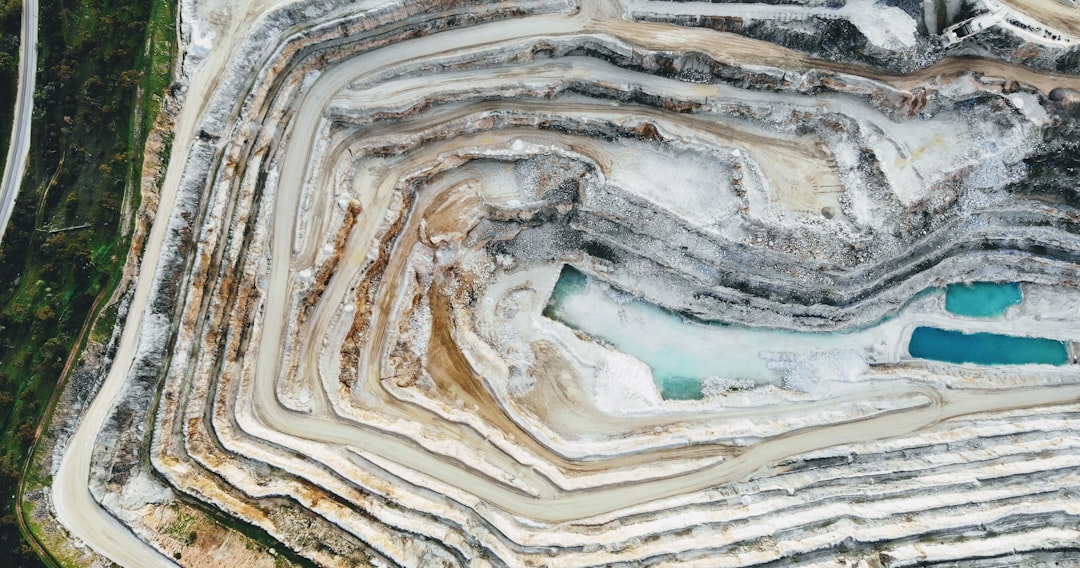
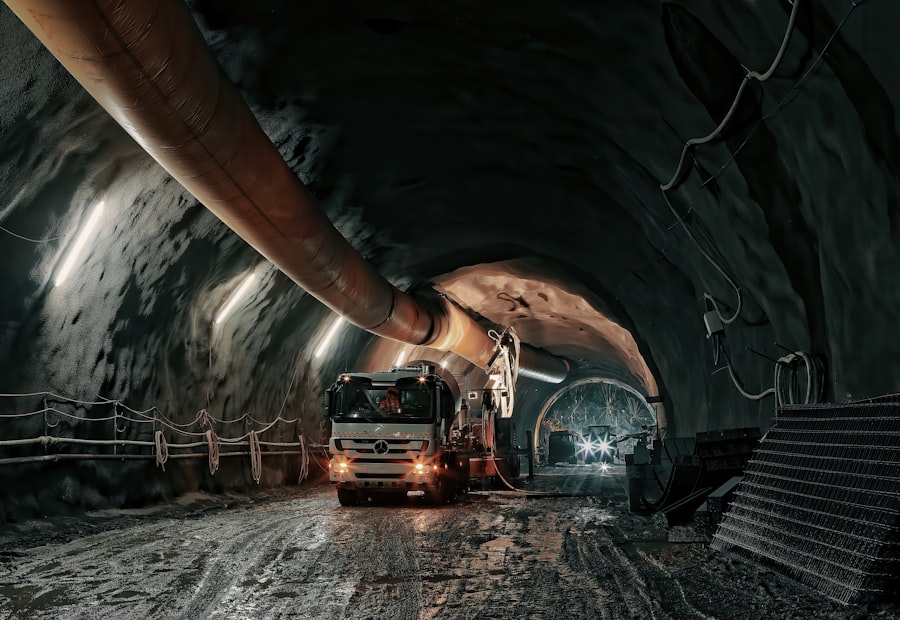
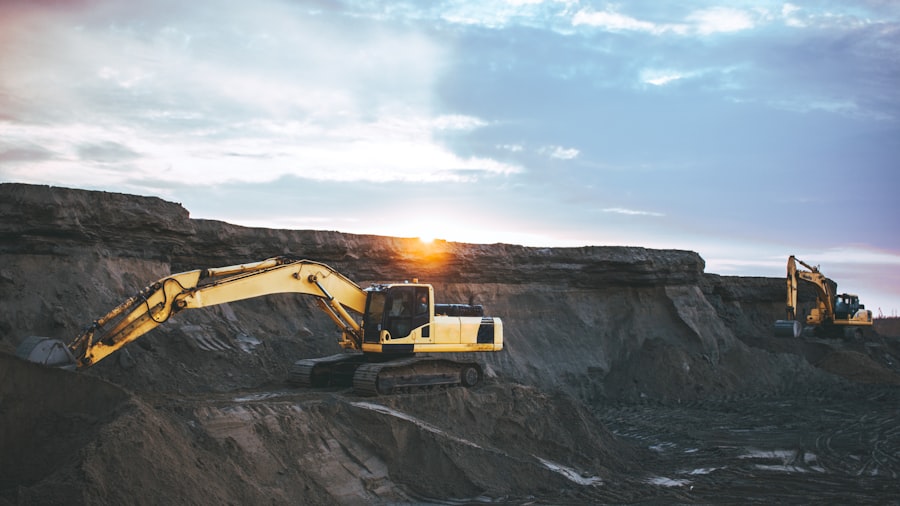
Industrial mining, in stark contrast, operates on a monumental scale, characterized by significant investment in heavy machinery, advanced technology, and extensive infrastructure. Companies acquire large concessions, often spanning hundreds or thousands of hectares, and employ sophisticated techniques for exploration, extraction, and processing. This includes large-scale open-pit mining, where vast quantities of overburden are removed to access mineral deposits, or deep underground mining utilizing complex shaft systems and tunneling equipment.
The methodology is efficiency-driven and capital-intensive. Automated drilling rigs, massive excavators, conveyor belts, and processing plants work in concert to extract and refine minerals at high volumes. Industrial mines often utilize chemical and mechanical processes, such as flotation, leaching, and smelting, to separate and concentrate valuable minerals. The aim is to achieve economies of scale, reducing the per-unit cost of production. This is more akin to a colossal factory, where every process is optimized for maximum output and minimal waste of resources, even if the “resource” being processed is rock and ore. The planning and execution of these operations involve intricate geological surveys, feasibility studies, and long-term strategic development.
Artisanal mining and industrial concessions often present a complex interplay of local livelihoods and large-scale economic interests. A related article that delves into the fascinating history of human innovation, including ancient inventions that have shaped our understanding of technology, can be found at this link. This exploration of ancient advancements highlights the long-standing relationship between resource extraction and technological development, providing context for contemporary debates surrounding artisanal versus industrial mining practices.
Economic Contributions and Livelihoods
The Grassroots Engine: ASM’s Role in Developing Economies
Artisanal and small-scale mining, despite its informal nature and limited individual output, plays a surprisingly significant role in the economies of many developing nations. For millions of people living in remote or impoverished areas, ASM is often the primary or only source of income. It acts as a crucial livelihood provider, offering an alternative to subsistence agriculture or unemployment. The earnings, though often modest by global standards, can be vital for supporting families, investing in education, and stimulating local economies through consumption.
The multiplier effect of ASM is also notable. The income generated by miners circulates within local communities, supporting local businesses such as food vendors, tool suppliers, and transport providers. In some regions, ASM is the bedrock of regional economies, contributing significantly to national GDP and foreign exchange earnings, particularly in the gold sector. While the individual miner might be a small cog, the collective of artisanal miners forms a substantial engine, albeit one that often operates without the smooth lubrication of formal financial systems. Their contribution, though diffuse, is a vital lifeline for many.
Industrial Mining: A Catalyst for National Development
Industrial mining operations, by their very nature, are designed for significant economic impact. The massive capital investment required to establish and operate these mines generates substantial economic activity through job creation, both directly within the mine and indirectly through supply chains and associated services. These jobs are often higher-skilled and better-paid than those found in the informal sector.
Furthermore, large-scale mining companies contribute to national economies through taxes, royalties, and export revenues. These revenues can be substantial and can be channeled into public services, infrastructure development, and broader economic diversification initiatives. Industrial mining can act as a powerful catalyst for national development, attracting foreign direct investment and integrating a country into global commodity markets. However, the benefits are often concentrated, and the equitable distribution of these revenues can be a significant challenge for governments. It is the equivalent of a large, well-funded corporation injecting capital into a region, with the potential for widespread impact, but also the risk of the benefits being concentrated at the top.
Social Implications and Community Impact
The Human Face of Artisanal Mining
The social fabric of communities involved in artisanal mining is deeply intertwined with the practice. While providing livelihoods, ASM also presents a complex web of social challenges and opportunities. Miners, often migrating to resource-rich areas, form distinct communities. These communities can face issues related to health and safety, as the work is inherently dangerous with little access to protective equipment or medical care. Exploitation, including child labor and unfair labor practices, can also be prevalent due to the informal and often unregulated nature of the sector.
However, ASM also fosters strong social bonds and a sense of collective identity. Cooperatives and associations, though sometimes informal, can emerge to manage resources, share knowledge, and advocate for miners’ rights. The knowledge passed down through generations about mineral identification and extraction techniques represents a valuable form of cultural heritage. Furthermore, successful artisanal mining operations can lift families out of poverty, enabling access to education and improved living standards. The social dynamic is like a close-knit village, where interdependence is high, and the challenges and triumphs are shared, for better or worse.
Industrial Mining: Shaping Societies, Forging Futures
Industrial mining projects often have a transformative effect on the communities and regions in which they are located. The establishment of a large mine can lead to significant population influx, necessitating the development of new infrastructure such as housing, schools, and healthcare facilities. This can bring about rapid urbanization and economic diversification, creating new opportunities for local populations.
However, the social impacts can also be disruptive. Land acquisition for mining concessions can lead to the displacement of communities, leading to cultural disruption and loss of traditional livelihoods. Environmental degradation, such as water pollution and land degradation, can have long-term health consequences for nearby populations. The concentration of wealth and power associated with large mining operations can also exacerbate existing social inequalities or create new ones. Managing these impacts requires careful planning, robust stakeholder engagement, and effective governance to ensure that the benefits are shared equitably and that the negative consequences are mitigated. This is akin to a large construction project arriving in a town, bringing much-needed development but also the potential for disruption and a strain on existing resources.
Environmental Footprints and Management
The Micro-Scale Impact of Artisanal Mining
The environmental impact of artisanal mining is often localized and context-dependent. While individual operations may have a relatively small footprint, the cumulative effect of numerous scattered artisanal mines can be significant. Common environmental issues include deforestation for fuel and timber, soil erosion from digging and land disturbance, and water contamination from the use of mercury and cyanide in gold processing.
Mercury, in particular, is a persistent environmental pollutant that bioaccumulates in food chains, posing serious health risks to both humans and wildlife. Artisanal miners often use mercury because it is readily available and relatively inexpensive, but its environmental consequences are severe. Sedimentation of rivers and streams can also occur, impacting aquatic ecosystems and water quality for downstream users. While the tools may be small, the cumulative impact can be like a persistent drip, eroding the environment over time. Efforts are underway to promote mercury-free processing techniques and responsible mining practices within the ASM sector, but widespread adoption remains a challenge.
Industrial Mining: The Colossus of Environmental Responsibility
Industrial mining operations, due to their sheer scale and intensity, present a considerable environmental challenge. The extraction process itself involves the removal of vast quantities of earth and rock, leading to significant habitat destruction and land disturbance. Open-pit mines can create enormous craters in the landscape, while underground mines can lead to subsidence.
Water usage in industrial mining can be substantial, potentially straining local water resources. The disposal of tailings – the waste material left over after mineral extraction – is a major concern. These tailings, often containing residual processing chemicals, are typically stored in large impoundments, which can pose risks of dam failure and catastrophic environmental damage. Air pollution from mining operations, including dust and emissions from machinery and processing plants, can also impact air quality in surrounding areas.
However, industrial mining also presents opportunities for more systematic and advanced environmental management. Large companies are often subject to stricter environmental regulations, requiring them to conduct environmental impact assessments, implement pollution control measures, and develop site remediation and closure plans. The implementation of these measures, when effectively enforced, can lead to more responsible environmental stewardship in comparison to the often unregulated nature of ASM. The environmental footprint of industrial mining is that of a giant, capable of immense disruption but also possessing the resources for sophisticated containment and restoration.
Artisanal mining and industrial concessions often present conflicting interests in resource-rich regions, as local communities seek to sustain their livelihoods while larger corporations aim for profit maximization. This dynamic is further complicated by historical influences, which can shape current political and economic landscapes. For a deeper understanding of how ancient technologies have historically impacted political control and resource management, you can explore this insightful article on the subject. It provides valuable context that can enhance the discussion around the balance between artisanal and industrial mining practices. You can read more about it here.
Regulatory Frameworks and Governance Challenges
| Metric | Artisanal Mining | Industrial Concessions |
|---|---|---|
| Scale of Operation | Small-scale, manual labor | Large-scale, mechanized |
| Employment | High local employment, informal | Fewer jobs, formal employment |
| Environmental Impact | Localized, often unregulated damage | Widespread, regulated but significant |
| Production Volume | Low to moderate | High volume output |
| Regulatory Oversight | Limited or informal | Strict and formal |
| Capital Investment | Low | High |
| Technology Use | Basic tools and techniques | Advanced machinery and technology |
| Revenue Contribution | Small, often unreported | Significant, contributes to GDP |
| Health and Safety | Poor conditions, high risk | Regulated safety standards |
Navigating the Maze of Artisanal Mining Regulation
The artisanal and small-scale mining sector is notoriously difficult to regulate. Its dispersed nature, often clandestine operations, and the socio-economic vulnerabilities of many miners create significant governance challenges. Many ASM activities occur in areas with weak state presence, making it difficult to enforce laws and collect data.
Governments often grapple with how to incorporate ASM into formal legal frameworks without stifling livelihoods or driving the sector further underground. This involves balancing the need for environmental protection, worker safety, and tax collection with the realities of informal livelihoods. Initiatives such as formalization programs, the establishment of mining cadastre systems tailored for ASM, and the encouragement of cooperatives are being explored. However, the effectiveness of these interventions is often hampered by a lack of resources, corruption, and a disconnect between policy makers and the miners on the ground. The regulatory landscape for ASM can feel like trying to catch smoke with a sieve – seemingly everywhere, yet elusive and hard to grasp.
The Tightrope of Industrial Mining Governance
Industrial mining is typically governed by more established legal and regulatory frameworks. Companies operate under mining licenses, environmental permits, and labor laws. However, the sheer power and influence of large mining corporations can present challenges for effective governance. Governments may face pressure to relax regulations to attract investment, or may lack the capacity or political will to enforce existing laws stringently.
Key governance challenges include ensuring fair revenue sharing, preventing corruption, promoting transparency in contract negotiations, and effectively managing the social and environmental impacts. Extractive Industries Transparency Initiative (EITI) is one example of an international standard aiming to improve transparency in revenue management for extractive industries. Moreover, ensuring that mining contracts are truly beneficial for the host country over the long term, and that rehabilitation plans are adequately funded and implemented, are ongoing areas of concern. The governance of industrial mining is a tightrope walk, requiring a delicate balance between fostering investment and ensuring national benefit and environmental protection.
FAQs
What is artisanal mining?
Artisanal mining refers to small-scale, often informal mining activities carried out by individuals or small groups using manual methods and basic tools. It typically involves low capital investment and is labor-intensive.
What are industrial mining concessions?
Industrial mining concessions are large-scale mining operations granted by governments or authorities to companies or entities. These concessions involve significant capital investment, advanced technology, and mechanized equipment to extract minerals on a commercial scale.
How do artisanal mining and industrial concessions differ in environmental impact?
Artisanal mining often has localized environmental impacts due to limited scale but can cause issues like deforestation, soil erosion, and water pollution if unmanaged. Industrial concessions, while more regulated, can have larger-scale environmental impacts due to extensive land disturbance and waste generation but typically follow stricter environmental standards.
What are the economic differences between artisanal mining and industrial concessions?
Artisanal mining provides livelihoods for many individuals and communities, often in rural areas, but generates lower economic output and tax revenue. Industrial concessions contribute significantly to national economies through large-scale production, employment, and government revenues but may not directly benefit local communities as much.
Are artisanal miners legally recognized in areas with industrial mining concessions?
The legal status of artisanal miners varies by country. In some regions, artisanal mining is formally recognized and regulated alongside industrial concessions, while in others, it may be informal or illegal. Conflicts can arise when artisanal miners operate within or near industrial concession areas.