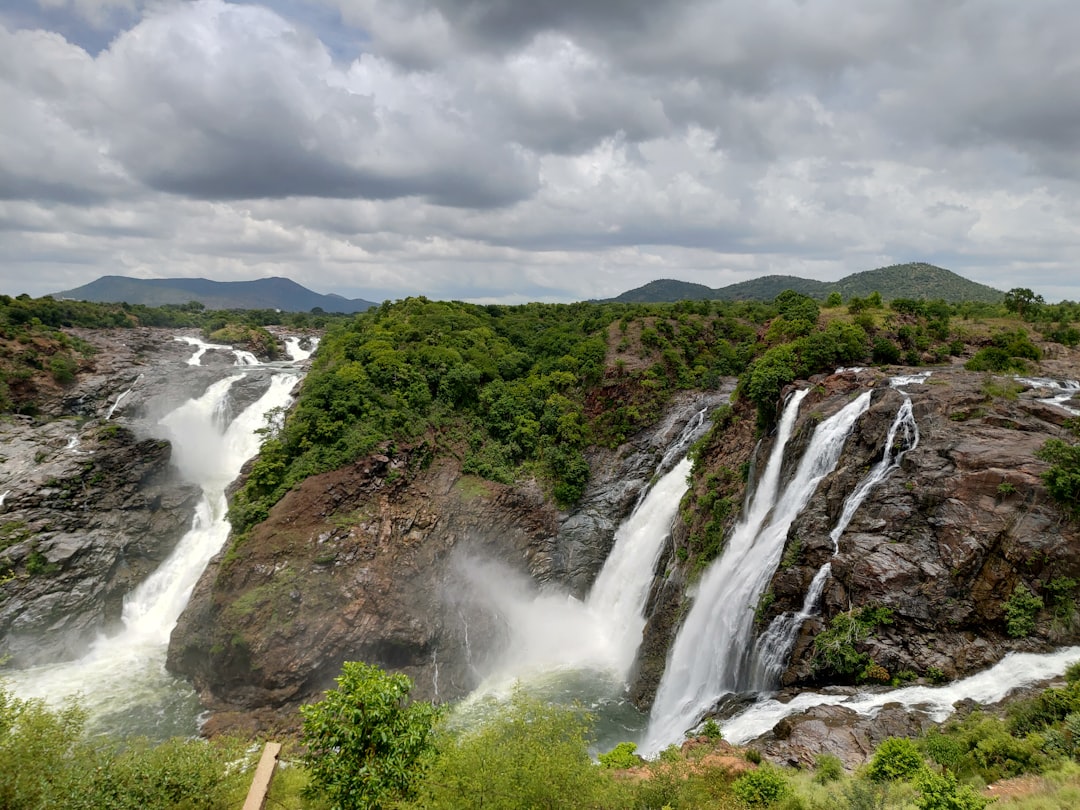
Sri Lanka, an island nation renowned for its rich cultural heritage and diverse ecosystems, is home to a unique system of water management known as “wewas.” These ancient reservoirs, often referred to as tanks or ponds, have played a pivotal role in the agricultural and social fabric of Sri Lankan life for centuries. The term “wewa” encompasses a variety of water bodies, ranging from small village tanks to larger irrigation systems that support extensive agricultural activities. The significance of wewas extends beyond mere water storage; they are integral to the livelihoods of many communities, serving as a source of irrigation, fishery, and recreation.
The construction and maintenance of wewas reflect the ingenuity and resilience of Sri Lankan society. These water bodies are not only engineering marvels but also cultural landmarks that embody the historical relationship between the people and their environment. As the country faces modern challenges such as climate change and urbanization, understanding the role of wewas becomes increasingly important.
This article delves into the history, construction methods, and contemporary relevance of wewas, highlighting their enduring significance in Sri Lanka.
Key Takeaways
- Sri Lankan Wewas are ancient irrigation reservoirs that have played a crucial role in the country’s agricultural history.
- The cascade system of Wewas involves a series of interconnected reservoirs that efficiently manage water distribution for irrigation.
- Traditional methods of Wewa construction involve the use of natural materials such as clay, stone, and wood, showcasing the ingenuity of ancient Sri Lankan engineers.
- Modern innovations in Wewa management include the use of technology for water monitoring and efficient water distribution.
- Wewas play a vital role in sustaining agriculture and irrigation in Sri Lanka, contributing to the country’s food security and economic development.
History and Importance of Wewas in Sri Lanka
The history of wewas in Sri Lanka dates back over two millennia, with evidence suggesting that sophisticated irrigation systems were developed during the Anuradhapura period (377 BC to 1017 AD). Ancient kings recognized the importance of water management for agriculture and established an extensive network of wewas to harness monsoon rains. These reservoirs not only provided water for irrigation but also supported local ecosystems and communities.
The construction of wewas was often accompanied by the development of intricate canal systems that distributed water to surrounding fields, showcasing the advanced engineering skills of ancient Sri Lankans. Wewas have played a crucial role in sustaining agriculture, particularly rice cultivation, which is central to Sri Lankan culture. The ability to store and manage water effectively allowed farmers to cultivate crops year-round, ensuring food security for generations.
Beyond agriculture, wewas have served as communal spaces where people gather for social activities, festivals, and religious ceremonies. The cultural significance of these water bodies is evident in various folk tales and traditions that celebrate their importance in daily life.
Understanding the Cascade System
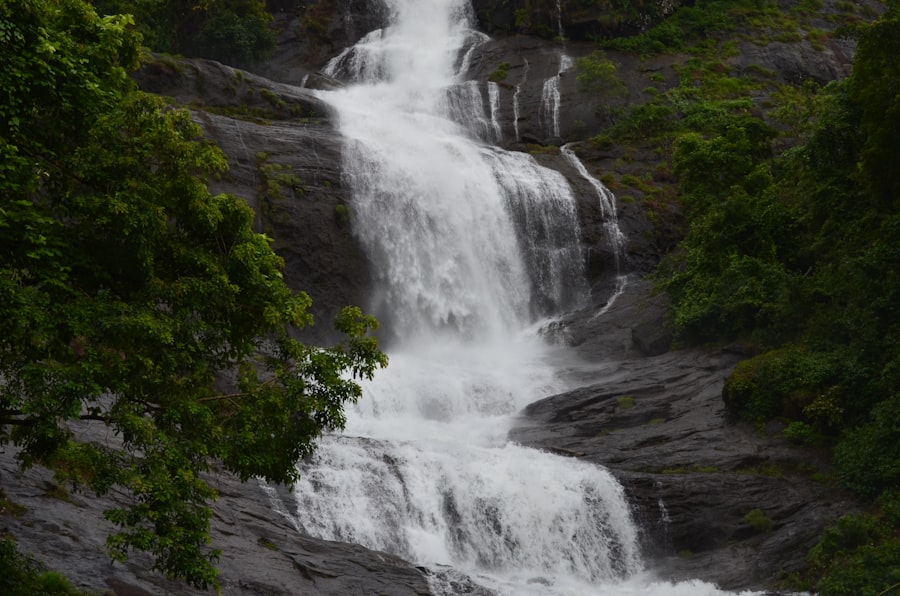
The cascade system is a remarkable feature of Sri Lanka’s water management strategy, consisting of a series of interconnected wewas that work together to optimize water usage across landscapes. This system allows for the efficient distribution of water from higher elevation tanks to lower ones, creating a network that maximizes irrigation potential while minimizing wastage. The cascade system is particularly effective in regions with varying topography, where gravity can be harnessed to facilitate water flow.
In this interconnected network, each wewa plays a specific role in regulating water levels and ensuring that downstream tanks receive adequate supply. This method not only enhances agricultural productivity but also promotes biodiversity by creating diverse habitats around the reservoirs.
Traditional Methods of Wewa Construction
| Traditional Methods of Wewa Construction | Metrics |
|---|---|
| Materials Used | Clay, sand, straw, and water |
| Construction Time | Several weeks to months, depending on the size |
| Cost | Relatively low compared to modern construction methods |
| Durability | Can last for decades if properly maintained |
| Environmental Impact | Minimal, as the materials are natural and sustainable |
The construction of wewas in Sri Lanka is a testament to the ingenuity and resourcefulness of ancient engineers. Traditional methods often involved using locally available materials such as clay, stone, and timber. The process typically began with selecting an appropriate site that could capture rainwater effectively while minimizing evaporation losses.
Once a site was chosen, skilled laborers would excavate the area to create a basin, followed by the construction of embankments to hold back water. The design of wewas was influenced by various factors, including topography, soil type, and hydrology. Ancient builders employed techniques such as bunding and sluicing to manage water levels and prevent overflow during heavy rains.
These methods were not only practical but also reflected a deep understanding of the local ecosystem. The construction process often involved community participation, fostering a sense of ownership and responsibility among residents for the maintenance and sustainability of these vital resources.
Modern Innovations in Wewa Management
As Sri Lanka faces contemporary challenges such as climate change and population growth, modern innovations in wewa management are becoming increasingly essential. Technological advancements have introduced new methods for monitoring water quality and levels, allowing for more efficient management practices. Remote sensing technologies and geographic information systems (GIS) are now being utilized to assess the health of wewas and optimize their operation.
Additionally, community-based approaches are gaining traction, empowering local populations to take an active role in managing their water resources. Training programs focused on sustainable practices are being implemented to educate farmers about efficient irrigation techniques and conservation strategies. These modern innovations aim not only to enhance agricultural productivity but also to ensure the long-term sustainability of wewas in the face of changing environmental conditions.
Role of Wewas in Agriculture and Irrigation
Wewas are fundamentally intertwined with agriculture in Sri Lanka, serving as critical sources of irrigation for rice paddies and other crops. The ability to store rainwater during monsoon seasons allows farmers to cultivate their fields even during dry spells, significantly increasing crop yields. This reliance on wewas has shaped agricultural practices throughout the country, with many communities developing specific cropping calendars based on water availability.
Moreover, wewas contribute to food security by supporting diverse agricultural systems beyond rice cultivation. Farmers often grow vegetables, fruits, and pulses around these reservoirs, diversifying their income sources and enhancing nutritional options for local populations. The interconnected nature of wewas within the cascade system further amplifies their impact on agriculture by ensuring that water is distributed equitably among different farming communities.
Environmental Impact of Wewas
The environmental impact of wewas extends beyond their immediate utility for irrigation; they play a vital role in maintaining local ecosystems. These water bodies provide habitats for various species of fish, birds, and other wildlife, contributing to biodiversity conservation. The presence of wewas can also help regulate local microclimates by moderating temperatures and increasing humidity levels in surrounding areas.
However, it is essential to recognize that poorly managed wewas can lead to negative environmental consequences. Issues such as sedimentation, pollution from agricultural runoff, and invasive species can threaten the ecological balance within these systems. Therefore, sustainable management practices are crucial to preserving the environmental benefits that wewas offer while ensuring they continue to serve their primary purpose as sources of irrigation.
Challenges Faced by Wewas in Sri Lanka
Despite their historical significance and ecological benefits, wewas in Sri Lanka face numerous challenges today. Rapid urbanization has led to encroachment on traditional water bodies, resulting in reduced capacity and functionality. Additionally, climate change poses significant threats through altered rainfall patterns and increased frequency of extreme weather events such as droughts and floods.
Another pressing issue is the lack of maintenance and investment in existing wewa systems. Many reservoirs have fallen into disrepair due to neglect or insufficient funding for upkeep. This deterioration not only affects agricultural productivity but also compromises the cultural heritage associated with these water bodies.
Addressing these challenges requires a concerted effort from government agencies, local communities, and non-governmental organizations to prioritize the preservation and revitalization of wewas across the country.
Community Involvement in Wewa Management
Community involvement is crucial for the effective management and sustainability of wewas in Sri Lanka. Local populations possess invaluable traditional knowledge about their water resources, which can inform better management practices. Engaging communities in decision-making processes fosters a sense of ownership and responsibility towards these vital resources.
Various initiatives have been launched to promote community participation in wewa management. Training programs aimed at enhancing skills related to maintenance and conservation have empowered local farmers to take charge of their irrigation systems. Additionally, community-led organizations have emerged to advocate for sustainable practices and raise awareness about the importance of preserving wewas for future generations.
Preservation and Conservation of Wewas
Preserving and conserving wewas is essential not only for agricultural productivity but also for maintaining cultural heritage and ecological balance. Efforts are underway at both governmental and non-governmental levels to restore neglected reservoirs and implement sustainable management practices. These initiatives often involve collaboration between local communities, environmental organizations, and government agencies.
Conservation strategies may include reforestation efforts around wewa peripheries to reduce soil erosion and improve water quality. Additionally, educational campaigns aimed at raising awareness about the importance of wewas can encourage responsible usage among local populations. By prioritizing preservation efforts, Sri Lanka can ensure that its rich legacy of wewas continues to thrive for generations to come.
Future of Wewas in Sri Lanka
The future of wewas in Sri Lanka hinges on a combination of traditional wisdom and modern innovation. As climate change continues to impact weather patterns and water availability, adaptive management strategies will be essential for sustaining these vital resources. Emphasizing community involvement will remain crucial as local populations are best positioned to understand their unique challenges and opportunities.
Furthermore, integrating technology into traditional practices can enhance efficiency while preserving cultural heritage. By investing in research and development focused on sustainable water management techniques, Sri Lanka can safeguard its wewa systems against future challenges. Ultimately, a holistic approach that combines environmental stewardship with community engagement will be key to ensuring that wewas continue to play a vital role in Sri Lankan society for years to come.
The ancient Sri Lankan wewas cascade system, a sophisticated network of small tanks and reservoirs, has been pivotal in sustainable water management and agriculture for centuries. This ingenious system not only supports irrigation but also enhances biodiversity and groundwater recharge. For a deeper understanding of how traditional water management systems like the wewas have influenced modern practices, you can explore a related article on the topic by visiting this page. This article delves into the historical significance and the contemporary relevance of such ancient systems, highlighting their role in sustainable development.
WATCH THIS! 👀 History Is Hiding 50 Impossible Inventions
FAQs
What is a Sri Lankan wewa cascade system?
A Sri Lankan wewa cascade system is a traditional irrigation system used in Sri Lanka to manage water resources for agriculture. It consists of a series of interconnected reservoirs, known as wewas, which are used to store and distribute water for irrigation.
How does a wewa cascade system work?
The wewa cascade system works by capturing and storing rainwater in the reservoirs during the wet season and then releasing it for irrigation during the dry season. The interconnected reservoirs are strategically located to capture and distribute water across a large area of agricultural land.
What are the benefits of a wewa cascade system?
The wewa cascade system provides a reliable and sustainable water supply for agriculture, helping farmers to grow crops throughout the year. It also helps to mitigate the impact of droughts and floods, and supports the conservation of water resources.
Is the wewa cascade system still used in Sri Lanka today?
Yes, the wewa cascade system is still used in Sri Lanka today, particularly in rural areas where traditional agricultural practices are maintained. The system has been recognized for its effectiveness and sustainability, and efforts are being made to preserve and promote its use.
What are the challenges facing the wewa cascade system?
Some of the challenges facing the wewa cascade system include changes in climate patterns, which can affect the availability of water, as well as the encroachment of urban development on agricultural land. Efforts are being made to address these challenges and ensure the continued viability of the system.