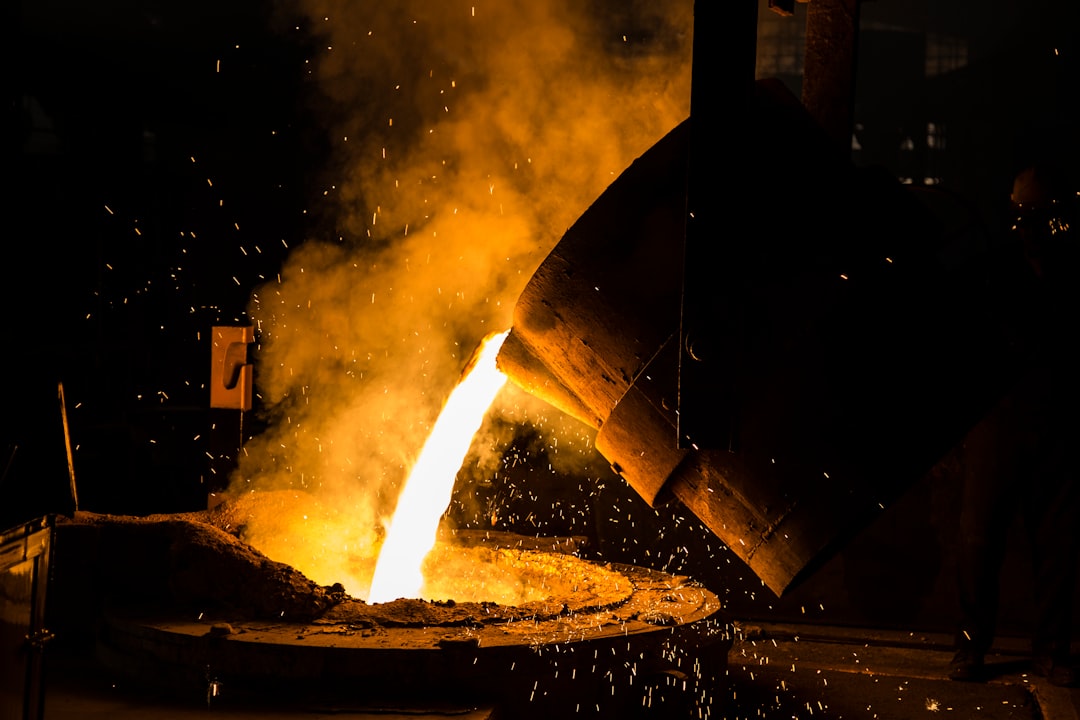
The world of metallurgy, like any field steeped in history and empirical observation, is not entirely free from misconceptions. While professionals and academics operate on a foundation of rigorous scientific understanding, popular narratives and anecdotal interpretations can sometimes calcify into persistent myths. These myths, like rust forming on unprotected steel, can obscure the true beauty and complexity of how metals behave and are manipulated. This article seeks to address and debunk some of these common metallurgical lies, offering a clearer, more accurate perspective for anyone curious about the materials that shape our world.
One of the most pervasive myths is the notion that absolute purity is the ultimate goal or even the inherent state of most metals. It’s often implied that the fewer impurities a metal has, the better it is. While purity is indeed a critical factor in many applications, the absolute absence of other elements is rarely achievable and, more importantly, not always desirable.
The Illusion of Ores as Pure Metal Deposits
Many individuals envision metal ores as naturally occurring veins of pure gold, silver, or iron waiting to be chipped out of the earth. This is fundamentally incorrect. Ores are typically compounds or mixtures where the desired metal is chemically bonded with other elements, such as oxygen, sulfur, or carbon. For instance, iron ore is not solid iron; it is primarily iron oxides. Smelting processes, as covered in more detail later, are designed to break these chemical bonds and extract the metal through reduction.
The Necessity of Alloying
The concept of “best” metal often leads to the misconception that a pure metal is superior. However, the reality is that many common and highly valued metals are in fact alloys – mixtures of two or more elements where at least one is a metal. For example, bronze, a cornerstone of human technological advancement for millennia, is an alloy of copper and tin. The addition of tin dramatically increases the hardness and durability of copper, making it suitable for tools, weapons, and statues that pure copper alone could not withstand. Similarly, stainless steel, prized for its corrosion resistance, is an alloy of iron, chromium, and often nickel. The chromium forms a passive oxide layer that protects the underlying iron from rust. Without these deliberate additions, these materials would not possess their signature properties.
The Role of Trace Elements
Even in materials marketed as “high purity,” trace amounts of other elements are almost invariably present. These are not always detrimental. In some cases, carefully controlled trace additions can significantly enhance a metal’s properties in subtle but important ways. For example, small amounts of carbon are integral to the strength of steel, transforming it from a relatively soft metal into a versatile structural material. The precise control of these trace elements is a hallmark of advanced metallurgy.
The concept of metallurgy plays a crucial role in various fields, including aerospace and defense, where the properties of materials can significantly impact performance and safety. A related article that delves into the advancements in technology and materials used in autonomous space defense systems can be found at this link: AIS Role in Autonomous Space Defense. This article explores how innovative materials and engineering practices are shaping the future of space defense, highlighting the importance of metallurgy in developing resilient and efficient systems.
The Fabrication Fallacy: Heat Destroys All Strength
Another common misconception is that heat, in the context of metalworking, inherently weakens a metal. This idea might stem from observing how metal can warp or lose its temper when overheated or quenched improperly. However, this is a misunderstanding of the processes involved, not a universal truth about heat and metals.
Heat as a Tool for Transformation
Heat is not merely a destructive force in metallurgy; it is a primary tool for manipulation and property enhancement. Annealing, for instance, involves heating a metal to a specific temperature and then cooling it slowly. This process reduces internal stresses, increases ductility (making the metal easier to shape), and refines the grain structure, ultimately making the metal stronger and tougher in specific ways. Think of it like tempering a chef’s knife – heating and controlled cooling are essential for achieving the desired balance of sharpness and resilience.
Quenching and Tempering: The Art of Controlled Cooling
The processes of quenching and tempering are perhaps the most illustrative examples of heat’s constructive role. Quenching involves rapidly cooling a metal, usually in water or oil, after it has been heated. This rapid cooling traps atoms in a more ordered, often harder, but brittle structure. Tempering then involves reheating the quenched metal to a lower temperature and holding it there for a period before cooling. This controlled reheating allows for the release of some internal stresses and the formation of finer, more stable microstructures, resulting in a material that is both hard and tough, with a desirable balance of strength and flexibility. This intricate dance of heat and cooling is what allows for the creation of high-performance tools, springs, and countless other critical components.
The Limits of Heat: Degradation Through Overheating
It is true that excessive heat or improper heating can damage metals. Overheating can lead to grain growth, oxidation, and even melting, all of which degrade the material’s intended properties. Uncontrolled rapid cooling can lead to excessive brittleness. However, these are failures of process execution, not an indictment of heat itself. A skilled metallurgist understands the precise temperature ranges and cooling rates required for specific alloys to achieve desired outcomes, much like a skilled artist understands how to blend pigments to create a specific hue.
The Myth of “Impossible” Metals
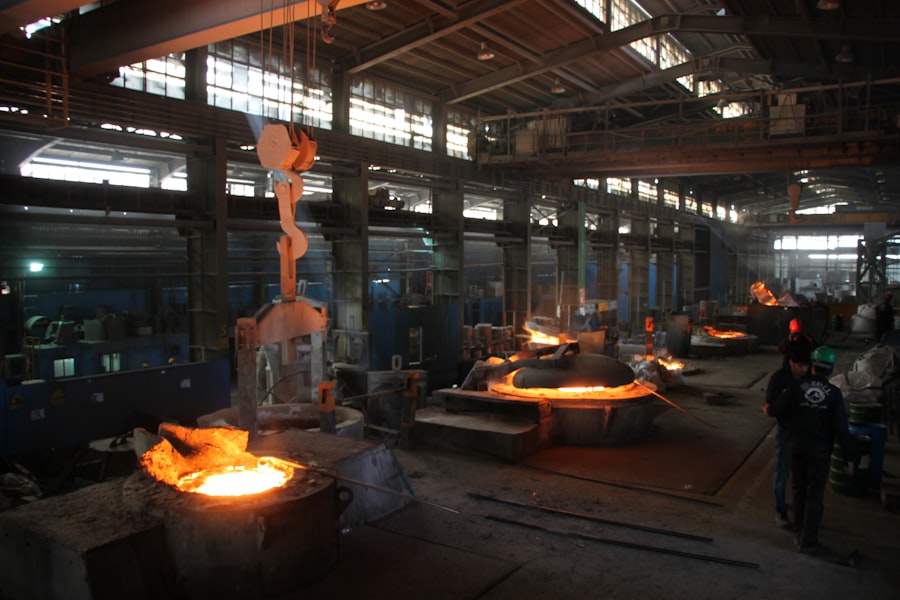
The idea that certain metals are fundamentally incapable of being worked or used in specific ways often arises from a lack of understanding of advanced manufacturing techniques and the properties of exotic alloys. While some metals are intrinsically more challenging to work with than others, very few are truly “impossible” in the modern sense.
The Challenge of Refractory Metals
Metals with extremely high melting points, known as refractory metals (such as tungsten, molybdenum, and niobium), present significant fabrication challenges. Their melting points are so high that conventional casting and machining methods are often impractical or impossible. However, these challenges have been overcome through specialized techniques.
Powder Metallurgy: Forging from Dust
Powder metallurgy is a key technology for working with refractory metals and other challenging materials. In this process, the metal is produced as a fine powder. This powder is then consolidated under high pressure and heat, often through a process called sintering. Sintering involves heating the compacted powder to a temperature below the metal’s melting point, allowing the particles to fuse together. This method bypasses the need for melting and allows for the creation of complex shapes and components from materials that would otherwise be unworkable. It’s akin to building a structure from finely ground sand that fuses into a solid block under pressure and heat.
Advanced Machining and Joining
Beyond powder metallurgy, advancements in machining technologies, such as electrical discharge machining (EDM) and laser cutting, allow for precise shaping of even the hardest and most heat-resistant metals. Specialized welding and joining techniques have also been developed to create durable connections between these materials.
The Evolution of Materials Science
Materials science is constantly pushing the boundaries of what is possible. New alloys are developed with enhanced properties, and existing materials are understood and manipulated with greater precision. What might have been considered “impossible” a century ago is now commonplace, thanks to continuous research and innovation. The creation of superalloys used in jet engines, for example, is a testament to this ongoing progress, enabling metals to withstand extreme temperatures and stresses.
The Myth of “Rust as the Only Enemy”
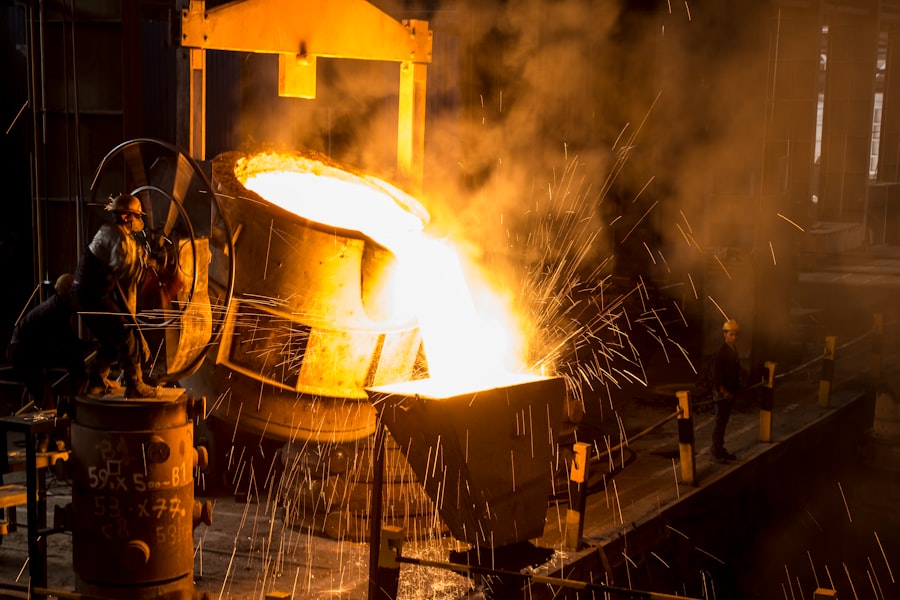
Corrosion is indeed a significant concern for many metals, particularly ferrous alloys like iron and steel. However, the notion that rust is the sole or even the primary form of material degradation is a simplification. Metals can degrade through a variety of chemical and physical processes, often more subtly than the visible formation of rust.
Beyond Surface Rust: Electrochemical Corrosion
While rust is the oxidation of iron, corrosion is a broader electrochemical process. It involves a chemical reaction between a metal and its environment, often involving the transfer of electrons. This can lead to the dissolution of the metal, pitting, or other forms of degradation, even in materials not typically associated with rusting. For example, aluminum, while forming a protective oxide layer, can undergo galvanic corrosion when in contact with less noble metals in the presence of an electrolyte.
Stress Corrosion Cracking: The Silent Killer
Stress corrosion cracking (SCC) is a particularly insidious form of metal degradation. It occurs when a susceptible metal is subjected to tensile stress in a specific corrosive environment. This can lead to the initiation and propagation of cracks, which can cause catastrophic failure even without significant visible corrosion. This phenomenon is akin to a relentless drip of water slowly eroding a stone, but amplified by built-in tension within the material.
Fatigue: The Toll of Repetitive Loading
Mechanical fatigue is another significant concern for metallic components, especially those subjected to repeated cycles of stress. Over time, even stresses well below the metal’s yield strength can cause microscopic cracks to initiate and grow. Eventually, these cracks can propagate to a critical size, leading to sudden fracture. This is why bridges and aircraft undergo regular inspections – the cumulative effect of countless tiny stresses can have a profound impact.
Wear and Abrasion: Physical Degradation
Beyond chemical reactions, physical processes like wear and abrasion can also degrade metals. This occurs when surfaces rub against each other, leading to the removal of material. The effectiveness of lubricants and the selection of wear-resistant materials are critical in applications where friction and abrasion are prevalent. Think of the grinding of gears in a transmission; without proper lubrication and material selection, they would quickly wear down.
In exploring the complexities of metallurgy and its implications for various industries, one might find it interesting to consider the financial aspects related to securing investments in such fields. A related article discusses how to protect bank deposits from potential collapse, which can be crucial for those involved in sectors like metallurgy that require significant capital. For more insights on safeguarding your financial assets, you can read the article here: securing your savings. Understanding both the technical and financial dimensions can provide a more comprehensive view of the challenges faced in metallurgy today.
The Myth of Simple Metal Properties
| Metric | Description | Value | Unit |
|---|---|---|---|
| Iron Purity Level | Percentage of pure iron in ancient artifacts | 85 | % |
| Carbon Content | Amount of carbon in iron samples | 0.2 – 0.5 | % |
| Smelting Temperature | Temperature required for ancient smelting processes | 1200 – 1300 | °C |
| Artifact Age | Estimated age of metallurgical artifacts | 3000 – 4000 | Years |
| Forging Techniques | Number of distinct forging methods identified | 5 | Methods |
| Corrosion Rate | Rate of corrosion in iron artifacts over time | 0.1 | mm/year |
The description of a metal’s properties is often oversimplified in popular discourse. Terms like “strong,” “hard,” “flexible,” or “durable” are used, but they often lack the specificity needed for a true understanding of how a metal will behave in a given application. Metallurgy recognizes that these properties are interconnected and highly dependent on the metal’s composition, microstructure, and processing history.
Strength vs. Hardness: A Crucial Distinction
Strength and hardness are often conflated, but they are distinct mechanical properties. Strength refers to a material’s ability to resist deformation under load, while hardness is its resistance to scratching or indentation. A very hard material might be brittle and not particularly strong in terms of resisting bending or fracture. Conversely, a strong material might not be exceptionally hard. Tool steel, for instance, is both relatively hard and strong, a combination achieved through careful heat treatment.
Ductility and Malleability: The Art of Shaping
Ductility is a material’s ability to deform plastically under tensile stress without fracturing, allowing it to be drawn into wires. Malleability is its ability to deform under compressive stress, allowing it to be hammered or rolled into thin sheets. Pure gold is exceptionally malleable and ductile, which is why it can be hammered into incredibly thin leaf. These properties are crucial for forming metals into desired shapes.
Toughness: The Ability to Absorb Energy
Toughness is a material’s ability to absorb energy before fracturing. It is a measure of a material’s resistance to sudden failure or impact. A tough material can withstand significant shock loads without breaking. For example, a high-performance car’s chassis needs to be both strong and tough to absorb impact energy in a collision, protecting the occupants.
The Microstructure is King
Ultimately, the macroscopic properties of a metal are a direct consequence of its microscopic structure – the arrangement of atoms and grains within the material. Grain size, grain boundaries, the presence of precipitates, and the phase distribution all play a critical role. Metallurgists spend a significant portion of their careers understanding and controlling this microstructure to achieve desired material behavior. It is the intricate blueprint at the atomic level that dictates the performance of the final product.
By understanding that these common narratives are often oversimplifications or outright falsehoods, one can begin to appreciate the true depth and sophistication of metallurgy. It is a field built on scientific understanding, meticulous experimentation, and continuous innovation, shaping our modern world in ways that are often unseen but undeniably essential. Examining these debunked myths allows for a more accurate appreciation of the materials that underpin our technology and our lives.
FAQs
What is the main argument presented in “The Metallurgy Lie”?
“The Metallurgy Lie” challenges commonly accepted beliefs about the history and development of metallurgy, suggesting that some widely held ideas about metalworking techniques and timelines may be inaccurate or misleading.
Who is the author of “The Metallurgy Lie” and what is their background?
The article or book titled “The Metallurgy Lie” is typically authored by a researcher or historian specializing in metallurgy or ancient technologies, aiming to provide a critical analysis of established metallurgical history. Specific author details would depend on the particular publication.
What evidence does “The Metallurgy Lie” use to support its claims?
“The Metallurgy Lie” often uses archaeological findings, metallurgical analyses, and historical records to question traditional narratives, highlighting inconsistencies or overlooked data in the accepted history of metalworking.
How has the academic community responded to the claims made in “The Metallurgy Lie”?
Responses vary; some scholars appreciate the critical perspective and call for further research, while others defend established metallurgical histories, emphasizing the need for rigorous evidence before revising accepted knowledge.
Why is understanding metallurgy important in historical studies?
Metallurgy is crucial for understanding technological advancement, economic development, and cultural exchange in human history, as metal tools and artifacts provide insights into the capabilities and interactions of past civilizations.