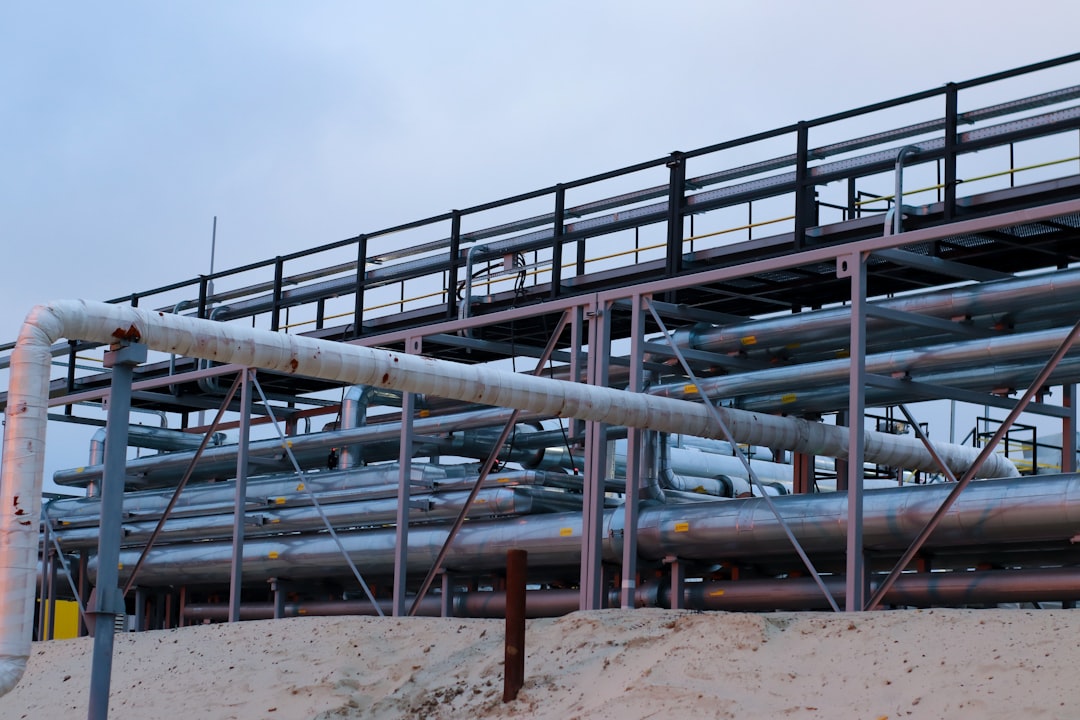
The challenge of managing desalination effluent, commonly known as brine, is a growing concern within a world increasingly reliant on desalination for freshwater security. As desalination plants, both large-scale and modular, proliferate, so does the volume of concentrated saline wastewater they produce. This brine, if discharged without proper mitigation, can pose significant environmental risks to marine ecosystems. This article explores the potential of modular brine mixing as a key strategy for optimizing desalination effluent, transforming a potential liability into a more manageable byproduct.
This exploration hinges on the principle that controlled dispersal and dilution are fundamental to mitigating environmental impact. Think of it as tempering a potent spice; without careful integration, its intensity can overwhelm the delicate balance of a dish. Similarly, undiluted brine can create localized pockets of extreme salinity that are detrimental to marine life adapted to specific osmotic pressures. Modular brine mixing offers a decentralized, adaptable approach to achieving this essential dilution.
Before delving into optimization strategies, it is imperative to establish a clear understanding of what desalination effluent entails. This concentrated saline wastewater is the byproduct of the desalination process, primarily reverse osmosis (RO) and thermal desalination.
The Composition of Brine
The exact composition of desalination brine varies depending on the source water salinity, the specific desalination technology employed, and any pre-treatment or post-treatment of the incoming water. However, its primary characteristic is its elevated salt concentration compared to the surrounding environment.
Salinity and Total Dissolved Solids (TDS)
The most significant parameter of brine is its salinity, often measured as Total Dissolved Solids (TDS). Seawater typically has a TDS of around 35,000 parts per million (ppm). RO plants operating with a 50% recovery rate, for instance, will produce brine with a TDS of approximately 70,000 ppm. This represents a doubling of the original salt concentration.
Other Dissolved Substances
Beyond sodium chloride (NaCl), brine contains a spectrum of other dissolved substances, including magnesium, calcium, potassium, sulfates, and carbonates. The relative proportions of these ions are influenced by the source water composition and the ion-selectivity of the desalination membranes. Additionally, residual chemicals from pre-treatment processes, such as anti-scalants or biocides, may also be present in lower concentrations.
Environmental Impacts of Undiluted Brine Discharge
The discharge of untreated or poorly diluted brine can have a cascade of negative consequences on marine ecosystems. These impacts are not uniform and depend on factors like the volume of discharge, the depth of discharge, local currents, and the sensitivity of the receiving environment.
Hypersalinity and Osmotic Stress
The most immediate and widespread impact of brine discharge is the creation of hypersaline zones. Marine organisms, from plankton to fish, have evolved to live within a specific range of osmotic pressures. Exposure to elevated salinity can cause water to be drawn out of their cells through osmosis, leading to dehydration and functional impairment. This osmotic stress can affect growth, reproduction, and survival rates.
Oxygen Depletion
Brine, being denser than the surrounding seawater, tends to sink and can form stratified layers. These layers can impede the mixing of oxygenated surface waters with deeper waters, leading to localized oxygen depletion (hypoxia). Marine life that cannot escape these low-oxygen zones can suffocate.
Ecological Shifts and Biodiversity Loss
Chronic exposure to brine impacts can lead to significant shifts in the composition and structure of marine communities. More tolerant species may proliferate, while sensitive species decline or disappear, resulting in a loss of biodiversity. This can disrupt food webs and alter ecosystem functions.
Sedimentation and Physical Impacts
The dense nature of brine can also affect benthic environments. If discharged near the seabed, it can increase sedimentation by causing suspended particles to flocculate and settle. This can smother seabed habitats, such as coral reefs or seagrass beds, and alter the physical characteristics of the seafloor.
Modular desalination brine mixing is an innovative approach to managing the byproducts of desalination processes, which can have significant environmental impacts if not handled properly. For a deeper understanding of the challenges and solutions related to water scarcity and innovative technologies, you may find the article “Uncovering the Secrets of the Desert Vault” insightful. It explores various methods of water conservation and management in arid regions, highlighting the importance of sustainable practices. You can read the article here: Uncovering the Secrets of the Desert Vault.
The Advantages of Modular Brine Mixing
Traditional, centralized brine management often involves large-scale outfall systems and diffusers designed for dilution. While effective to a degree, these systems can be expensive to construct and maintain, inflexible to changing plant capacities, and may not always achieve optimal mixing. Modular brine mixing presents an alternative that offers enhanced adaptability, efficiency, and potentially reduced environmental footprint.
The core principle here is decentralization. Instead of a single, monolithic solution, modular brine mixing breaks down the problem into smaller, more manageable units. This is akin to having a network of smaller purification filters for a home water system, rather than one massive, centralized treatment plant for an entire city.
Flexibility and Scalability
The modular nature of these systems allows for flexible deployment and scaling. As desalination plants expand or shrink their capacity, the brine management strategy can be adjusted accordingly.
Tailoring to Plant Capacity
Smaller, modular systems can be designed to match the specific output of individual desalination units or smaller plants. This avoids the “one size fits all” approach and allows for precise management of smaller brine streams. As a plant’s capacity increases, additional modular units can be added, providing a cost-effective and phased expansion of effluent management.
Adaptability to Site Conditions
Modular units can be strategically placed to address specific site characteristics, such as water depth, currents, and the presence of sensitive habitats. This allows for a more nuanced and effective dispersal strategy compared to a fixed, centralized outfall.
Enhanced Dissolution and Mixing Efficiency
Modular systems can be engineered to optimize the mixing process, ensuring more rapid and thorough dissolution of brine into the receiving waters. This goes beyond simple discharge and focuses on active mixing.
Targeted Aeration and Turbulence
Some modular systems incorporate mechanisms for introducing air or generating turbulence at the point of discharge. This enhances the dissolution rate of the brine and promotes quicker mixing with the surrounding seawater, effectively diluting the saline concentration more rapidly.
Diffusion Grids and Nozzle Arrays
Advanced modular diffusers can be employed, featuring sophisticated grid designs or precisely engineered nozzle arrays. These elements are designed to break up the brine stream into smaller plumes and promote a more uniform distribution within the water column, maximizing contact with ambient seawater.
Reduced Infrastructure Costs and Environmental Footprint
Compared to large-scale, fixed outfall structures, modular systems often require less civil engineering and construction, leading to potentially lower capital expenditures and a reduced physical impact on the marine environment during installation.
Simpler Installation and Maintenance
The discrete nature of modular units often simplifies installation processes, potentially reducing the need for extensive dredging or seabed construction. Maintenance can also be localized, with individual units being serviced or replaced as needed without disrupting the entire system.
Lower Energy Consumption Potential
While some active mixing technologies may consume energy, modular systems can be designed for energy efficiency. The localized nature of the mixing can, in some cases, lead to more efficient dilution with less overall energy input compared to pumping large volumes of brine over long distances.
Technologies for Modular Brine Mixing
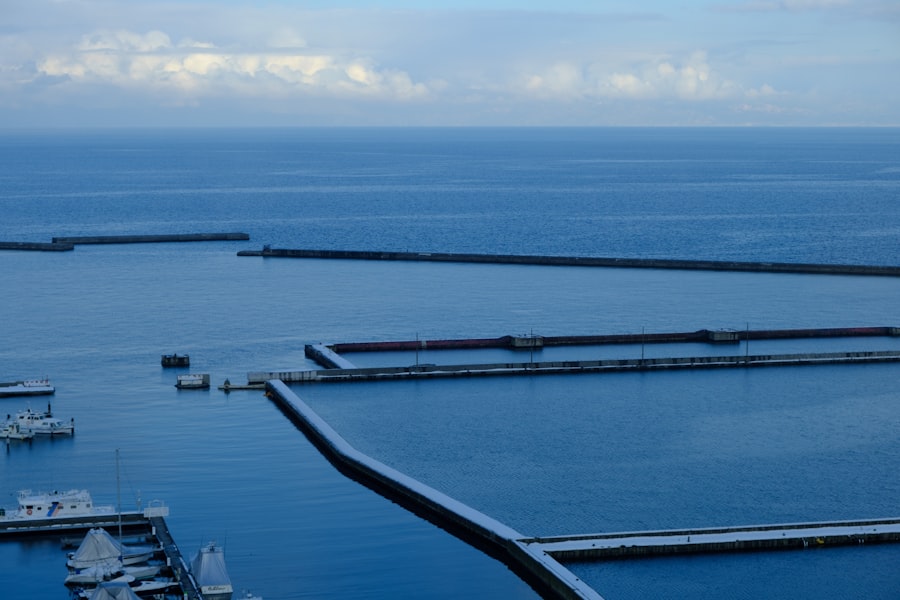
Several technological approaches fall under the umbrella of modular brine mixing, each with its own strengths and applications. These systems aim to actively integrate brine with the receiving water body to accelerate dilution.
Active Mixing Devices
These devices are designed to introduce energy into the brine discharge to promote rapid mixing.
Ejector Systems
Ejectors utilize the Venturi effect to draw in ambient seawater and mix it with the brine stream. The high velocity of the brine exiting a nozzle creates a low-pressure zone that entrains surrounding water, effectively diluting the effluent before it is discharged. These systems are inherently modular and can be scaled by adding more ejector units.
Principle of Operation
The core of an ejector is a nozzle that accelerates the brine. This acceleration creates a vacuum that draws in ambient water through a mixing tube. The combined flow then exits into the receiving water, with the entrainment ratio (the amount of ambient water mixed per unit of brine) being a key performance parameter.
Design Considerations
Key design considerations for ejector systems include the nozzle diameter, the mixing tube geometry, and the pressure of the brine supply. Optimizing these factors allows for maximizing the entrainment ratio and achieving efficient dilution. Materials resistant to corrosion are essential for the longevity of these systems in marine environments.
Jet Mixing Systems
Similar to ejectors, jet mixers use high-velocity jets of brine to induce turbulence and entrain ambient water. Multiple jets can be arranged in arrays to create more complex mixing patterns.
Nozzle Optimization
The shape and orientation of the discharge nozzles are critical in a jet mixing system. Precise angling can direct the jets to create vortices and shear layers, promoting intermixing with the surrounding water more effectively.
Array Configurations
Modular jet mixers can be deployed as arrays of individual nozzles. The spacing and pattern of these nozzles can be designed to create specific mixing zones and ensure uniform dispersal, preventing the formation of concentrated brine plumes.
Diffuser Technologies
While often associated with centralized outfalls, modular diffuser technologies can be adapted for smaller-scale, targeted dispersal.
Multi-Port Diffusers
These consist of a pipe with multiple openings (ports) along its length. The brine is discharged through these ports, creating a series of smaller plumes that can disperse more rapidly than a single large discharge.
Port Design and Spacing
The size, shape, and spacing of the discharge ports are crucial for controlling the velocity and spread of the brine plumes. Smaller ports and closer spacing can lead to more numerous, smaller plumes that dilute more quickly into the ambient water.
Orientation and Depth
The vertical and horizontal orientation of multi-port diffusers influences how the brine plumes interact with water currents and stratifications. Strategic placement at appropriate depths can maximize dilution by leveraging natural water movement.
Advanced Diffuser Nozzles
Specialized nozzle designs can be incorporated into modular diffuser systems to enhance mixing. These can include designs that promote atomization of the brine or create swirling motions.
Slot Diffusers
Instead of circular ports, slot diffusers offer elongated openings. The shape of these slots can be engineered to control the spread and velocity of the brine discharge, influencing the mixing characteristics.
Bubble Diffusers
In some applications, air may be introduced alongside the brine through bubble diffusers. The rising bubbles can create turbulence and aid in mixing the brine with the surrounding seawater.
In-Situ Mixing Technologies
These approaches focus on integrating mixing at or near the point of discharge without necessarily relying on complex pumping systems.
Induced Draft Systems
These systems can draw ambient water into the brine stream through natural convection or induced draft, facilitated by the density difference.
Natural Convection
The inherent density difference between cooler ambient water and slightly warmer brine can be leveraged. Design features can be incorporated to encourage the influx of cooler, denser seawater into the brine discharge.
Forced Draft with Low Energy
In some modular configurations, low-energy fans or pumps might be used to induce a draft of ambient air or water, promoting mixing at the discharge point. This is a less energy-intensive approach than high-pressure pumping.
Site-Specific Optimization and Integration
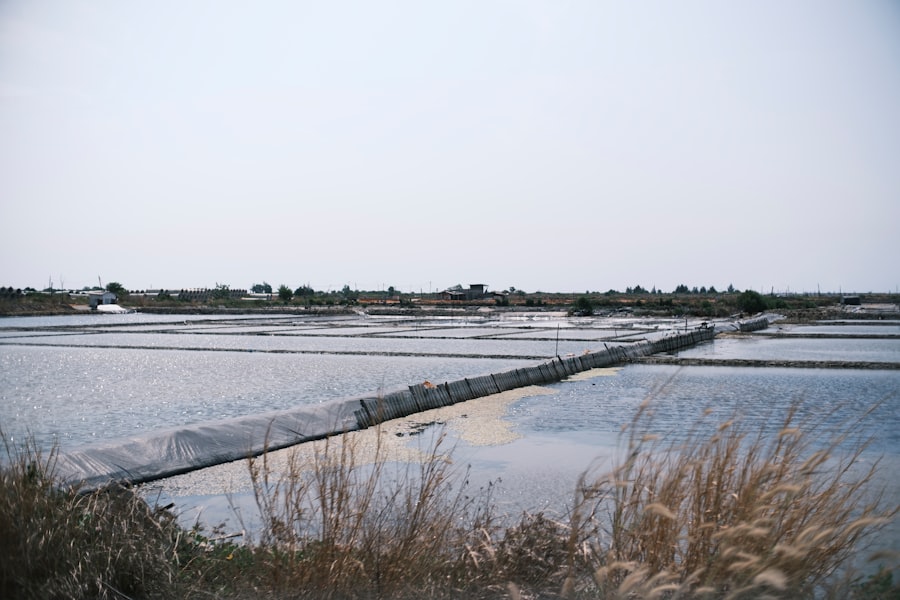
The effectiveness of modular brine mixing is highly dependent on understanding and adapting to the unique characteristics of the receiving environment. A one-size-fits-all approach to module deployment will likely yield suboptimal results.
The deployment of these modular systems is not an act of simply dropping them into the water; it requires a thoughtful integration with the local marine environment. This is where the science of hydrodynamics and ecology converge.
Environmental Site Assessment
A thorough assessment of the receiving environment is the foundational step for successful modular brine mixing. This includes understanding the physical, chemical, and biological characteristics of the area.
Hydrodynamic Characterization
Understanding local currents, tides, and water stratification is paramount. These natural forces play a significant role in the dispersal and dilution of the brine.
Current Patterns and Velocity
Knowing the speed and direction of prevailing currents allows for strategic placement of diffusers to maximize the advection of diluted brine away from sensitive areas.
Tidal Influences
Tidal cycles can significantly impact mixing patterns. Systems need to be designed to function effectively under both ebb and flood tides.
Water Column Stratification
The presence of distinct layers of water with different densities (salinity and temperature) can affect how brine mixes. Discharging brine at the appropriate depth is crucial to avoid trapping it within a less desirable layer or impacting specific ecological zones.
Sensitive Habitat Mapping
Identifying and mapping ecologically sensitive areas, such as seagrass beds, coral reefs, or important spawning grounds, is essential to ensure that brine discharge locations and mixing strategies avoid causing harm.
Computational Fluid Dynamics (CFD) Modeling
CFD modeling is an indispensable tool for simulating and predicting the behavior of brine plumes under various environmental conditions. This allows for the optimization of diffuser design and placement before physical deployment.
Plume Dispersion Prediction
CFD models can accurately predict how a brine plume will spread and dilute over time and distance, considering factors like water depth, current velocity, and ambient turbulence.
Effluent Concentration Mapping
These simulations can generate maps showing the predicted concentration of brine at different points in the receiving water body, allowing for the identification of potential “hot spots” of high salinity.
Optimization of Diffuser Design
CFD analysis enables engineers to refine diffuser geometry, port spacing, and discharge angles to achieve the most effective mixing and dilution for a given site.
Monitoring and Adaptive Management
Modular brine mixing systems are not static solutions. Continuous monitoring of effluent quality and the receiving environment, coupled with an adaptive management approach, ensures ongoing effectiveness and allows for adjustments as conditions change.
Real-time Salinity Monitoring
Deploying sensors to continuously measure salinity downstream of the discharge point provides immediate feedback on the performance of the mixing system.
Ecological Indicator Species Monitoring
Tracking the health and abundance of key indicator species can provide long-term insights into the ecological impact of the discharged brine.
System Adjustments Based on Data
If monitoring reveals suboptimal dilution or adverse ecological effects, the modular system can be adjusted. This might involve repositioning diffusers, altering diffuser angles, or modifying mixing parameters.
In exploring the complexities of sustainable water management, the topic of modular desalination brine mixing has gained significant attention. This innovative approach aims to mitigate the environmental impact of brine disposal, which can be detrimental to marine ecosystems. For those interested in understanding the broader implications of resource management, a related article discusses historical debt peonage systems and their influence on contemporary economic practices. You can read more about this fascinating connection in the article here.
Economic and Environmental Trade-offs
| Metrics | Data |
|---|---|
| Brine concentration | 10-15% |
| Modular units | 4 |
| Mixing time | 30-60 minutes |
| Energy consumption | 5-8 kWh/m3 |
While modular brine mixing offers significant advantages, it is important to acknowledge that there are economic and environmental trade-offs to consider for each specific application. The most “optimal” solution is often a balance of these factors.
The journey toward wastewater optimization is rarely a straight line; it involves navigating a landscape of competing demands and opportunities. Modular brine mixing, while a powerful tool, is not a magic wand. Its application requires a pragmatic assessment of its costs and benefits.
Capital and Operational Costs
The initial capital investment for modular systems can vary, but they often present a more phased and potentially lower upfront cost compared to massive, centralized infrastructure. Operational costs will depend on the energy requirements of the active mixing components and maintenance schedules.
Installation Costs
The simplicity of installation for many modular units can lead to lower labor and equipment costs compared to laying extensive pipelines or constructing large outfall structures.
Energy Consumption
Systems that rely on active mixing, such as ejectors, will have energy costs associated with pumping. However, the focus on localized and efficient mixing can lead to lower overall energy consumption compared to moving large volumes of brine over long distances.
Maintenance and Replacement
Regular maintenance is crucial for ensuring the long-term effectiveness of modular systems. The cost of maintaining individual units and the potential need for replacement over time must be factored into the economic equation.
Environmental Permitting and Compliance
Deploying any system that discharges into marine waters requires navigating complex environmental permitting processes. Demonstrating the effectiveness of modular brine mixing in meeting environmental standards is key to obtaining these permits.
Regulatory Requirements
Environmental agencies will have specific regulations regarding brine discharge volume, salinity limits, and the protection of sensitive ecosystems. Modular systems must be designed and operated to meet these criteria.
Baseline Environmental Studies
Before permitting, extensive baseline studies are often required to understand the existing state of the marine environment. This data is crucial for assessing the potential impact of any proposed discharge.
Long-term Sustainability and Resource Recovery Potential
Beyond simply mitigating negative impacts, the concept of “optimizing” effluent also opens the door to considering its potential for beneficial reuse or resource recovery, though this is a more advanced stage of development.
Potential for Salt Extraction
In specific contexts, the concentrated brine could theoretically be a source for salt extraction, though the economic viability of this is highly dependent on market prices and the energy costs of the extraction process.
Mineral Extraction
Brine contains various dissolved minerals. Research is ongoing into cost-effective methods for extracting valuable minerals from desalination effluent, potentially transforming a waste stream into a resource.
In exploring innovative solutions for sustainable water management, the topic of modular desalination brine mixing has gained attention due to its potential to minimize environmental impacts. A related article discusses the challenges and strategies involved in securing long-term human presence on the Moon, which highlights the importance of efficient resource management in extraterrestrial environments. For more insights on this subject, you can read the article here.
The Future of Desalination Effluent Management
Modular brine mixing represents a significant evolutionary step in managing desalination effluent. As the demand for freshwater continues to rise and desalination becomes an increasingly vital component of water security, innovative and adaptable solutions for brine management will be paramount.
The journey is not just about managing waste; it’s about reimagining it. The future of desalination effluent management is likely to be characterized by a blend of these modular approaches, further advancements in mixing technologies, and a growing emphasis on circular economy principles.
Integration with Advanced Treatment Processes
The integration of modular brine mixing with advanced treatment processes that aim to reduce the volume or alter the composition of the brine prior to discharge is a promising avenue for future development.
Zero Liquid Discharge (ZLD) Systems
While costly, ZLD systems aim to extract all usable water and convert the remaining waste into solid byproducts. Modular mixing could play a role in managing the final, highly concentrated streams in such systems.
Selective Ion Removal
Future modular systems might incorporate technologies for selectively removing or recovering specific ions from brine before mixing, thereby reducing the environmental impact of the discharged water and potentially creating valuable byproducts.
Enhanced Energy Efficiency and Renewable Energy Integration
A key focus for the future will be to further enhance the energy efficiency of modular mixing systems and to integrate them with renewable energy sources to minimize their carbon footprint.
Smart Control Systems
The use of AI and machine learning in real-time monitoring and control of modular systems can optimize energy usage by adjusting mixing parameters based on prevailing environmental conditions.
Solar and Wind Power Integration
As desalination plants increasingly seek to reduce their reliance on fossil fuels, powering modular brine mixing units with solar or wind energy will become a critical aspect of sustainable operations.
Policy and Regulatory Support
Government policies and regulatory frameworks that encourage and incentivize the adoption of advanced brine management technologies, including modular mixing, will be crucial for driving widespread implementation.
Performance-Based Effluent Standards
Shifting towards performance-based effluent standards, rather than prescriptive technologies, can encourage innovation and the adoption of modular solutions that prove to be most effective for specific locations.
Financial Incentives and Grants
Government incentives, such as grants or tax breaks, for adopting advanced brine management technologies can help offset initial capital costs and accelerate the transition towards more sustainable practices.
In conclusion, modular brine mixing offers a pragmatic, adaptable, and increasingly sophisticated approach to a critical environmental challenge. By breaking down the problem into manageable units and leveraging targeted mixing technologies, it presents a path towards more sustainable desalination operations, safeguarding marine ecosystems while supporting the vital goal of freshwater security. The reader is encouraged to consider the specific context of their desalination operations and the unique characteristics of their receiving waters when evaluating the potential of these modular solutions.
FAQs
What is modular desalination brine mixing?
Modular desalination brine mixing refers to the process of combining the concentrated brine byproduct from desalination plants with seawater in a controlled manner to minimize environmental impact.
Why is modular desalination brine mixing important?
Modular desalination brine mixing is important because it helps to reduce the environmental impact of discharging concentrated brine back into the ocean. By diluting the brine with seawater, the overall salinity and other chemical concentrations are reduced, minimizing harm to marine ecosystems.
How does modular desalination brine mixing work?
Modular desalination brine mixing works by using a series of modular mixing units to blend the concentrated brine with seawater in a controlled and efficient manner. This process ensures that the brine is diluted to acceptable levels before being discharged back into the ocean.
What are the benefits of modular desalination brine mixing?
The benefits of modular desalination brine mixing include reducing the environmental impact of desalination plants, minimizing harm to marine life, and ensuring compliance with environmental regulations. It also allows for more sustainable operation of desalination facilities.
Are there any challenges associated with modular desalination brine mixing?
Challenges associated with modular desalination brine mixing include the need for proper monitoring and control of the mixing process, as well as the potential for increased energy and operational costs. Additionally, the design and implementation of modular mixing units may require careful consideration to ensure effectiveness.