
Rare Earth Elements (REEs) are a group of 17 chemically similar elements that play a crucial role in various high-tech applications. These elements, which include lanthanum, cerium, neodymium, and dysprosium, are not actually rare in terms of their abundance in the Earth’s crust; rather, they are rarely found in economically exploitable concentrations. The unique properties of REEs make them indispensable in the production of advanced materials and technologies, ranging from smartphones and electric vehicles to renewable energy systems and military equipment.
As the world becomes increasingly reliant on technology, the significance of these elements continues to grow. The extraction and processing of rare earth elements present unique challenges due to their complex geological formations and the environmental implications associated with mining. Despite their name, REEs are not confined to remote locations; they can be found in various parts of the world.
However, the concentration of production has historically been dominated by a few countries, leading to concerns about supply chain vulnerabilities and geopolitical tensions. Understanding the dynamics surrounding rare earth elements is essential for grasping their role in contemporary society and the global economy.
Key Takeaways
- Rare Earth Elements (REEs) are a group of 17 chemical elements that are crucial for modern technology and national security.
- REEs are essential for the production of high-tech devices such as smartphones, electric vehicles, and renewable energy technologies.
- The global supply and demand of REEs are heavily influenced by geopolitical factors, leading to concerns about potential monopolies and cartels.
- Export restrictions on REEs can significantly impact global trade and lead to economic warfare between countries.
- International agreements and alliances play a key role in regulating the trade of REEs and mitigating potential conflicts over resource access.
The Importance of Rare Earth Elements in Modern Technology
The importance of rare earth elements in modern technology cannot be overstated. These elements are integral to the manufacturing of numerous electronic devices, including smartphones, tablets, and laptops. For instance, neodymium is used in powerful magnets that are essential for miniaturizing components and enhancing the performance of electronic devices.
Additionally, REEs are critical in the production of catalysts that improve fuel efficiency in vehicles and reduce emissions, making them vital for the transition to greener technologies. Beyond consumer electronics, rare earth elements are pivotal in the development of renewable energy technologies. Wind turbines rely on REE-based magnets for efficient energy conversion, while electric vehicles utilize these elements in batteries and motors to enhance performance and range.
This growing reliance on REEs underscores their significance not only in technological advancement but also in addressing global environmental challenges.
The Global Supply and Demand of Rare Earth Elements

The global supply and demand dynamics of rare earth elements are complex and often influenced by geopolitical factors. China has long been the dominant player in the REE market, accounting for a significant portion of global production and processing capabilities. This concentration has raised concerns among other nations about over-reliance on a single source for these critical materials.
As demand continues to rise, particularly from emerging technologies and green energy sectors, countries are increasingly seeking to diversify their supply chains to mitigate risks associated with potential disruptions. In recent years, there has been a noticeable shift towards exploring and developing rare earth resources outside of China. Countries such as Australia, the United States, and Canada have initiated projects aimed at increasing domestic production capabilities.
However, establishing new mining operations is a lengthy process fraught with regulatory hurdles and environmental considerations. As a result, while efforts to diversify supply chains are underway, the global market remains vulnerable to fluctuations in demand and geopolitical tensions that could impact access to these essential materials.
The Strategic Importance of Rare Earth Elements in National Security
| Country | Production (tonnes) | Reserves (tonnes) |
|---|---|---|
| China | 132,000 | 44,000,000 |
| Australia | 20,000 | 3,400,000 |
| Russia | 2,700 | 18,000,000 |
| United States | 26,000 | 1,400,000 |
Rare earth elements hold significant strategic importance in national security considerations. Their applications extend beyond civilian use; they are critical components in advanced military technologies such as missile guidance systems, radar systems, and electronic warfare equipment. As nations invest heavily in modernizing their military capabilities, the demand for REEs within defense sectors has intensified.
This reliance on rare earth elements has prompted governments to recognize the need for secure and stable access to these materials as a matter of national security. The geopolitical landscape surrounding rare earth elements is further complicated by the fact that many countries lack domestic sources of these materials. This dependency creates vulnerabilities that can be exploited by nations with abundant REE resources.
For instance, during trade disputes or geopolitical tensions, access to rare earth elements can become a bargaining chip or a point of leverage. As such, countries are increasingly viewing REEs not just as commodities but as strategic assets that require careful management and protection.
The Role of Rare Earth Elements in Economic Warfare
In recent years, rare earth elements have emerged as tools of economic warfare among nations vying for technological supremacy. The ability to control access to these critical materials can provide significant leverage in international relations. For example, during trade tensions between China and the United States, there were concerns that China could restrict exports of rare earth elements as a means of exerting pressure on its rival.
Such actions could disrupt supply chains and impact industries reliant on these materials, highlighting the potential for REEs to be weaponized in economic conflicts. The strategic use of rare earth elements extends beyond mere trade disputes; it encompasses broader economic strategies aimed at gaining competitive advantages in key industries. Nations that can secure reliable access to REEs may find themselves at an advantage in emerging technologies such as electric vehicles, renewable energy systems, and advanced electronics.
Consequently, countries are investing in research and development initiatives to identify alternative materials or recycling methods that could reduce dependence on rare earth elements while simultaneously exploring ways to secure their own supply chains.
The Impact of Rare Earth Element Export Restrictions on Global Trade
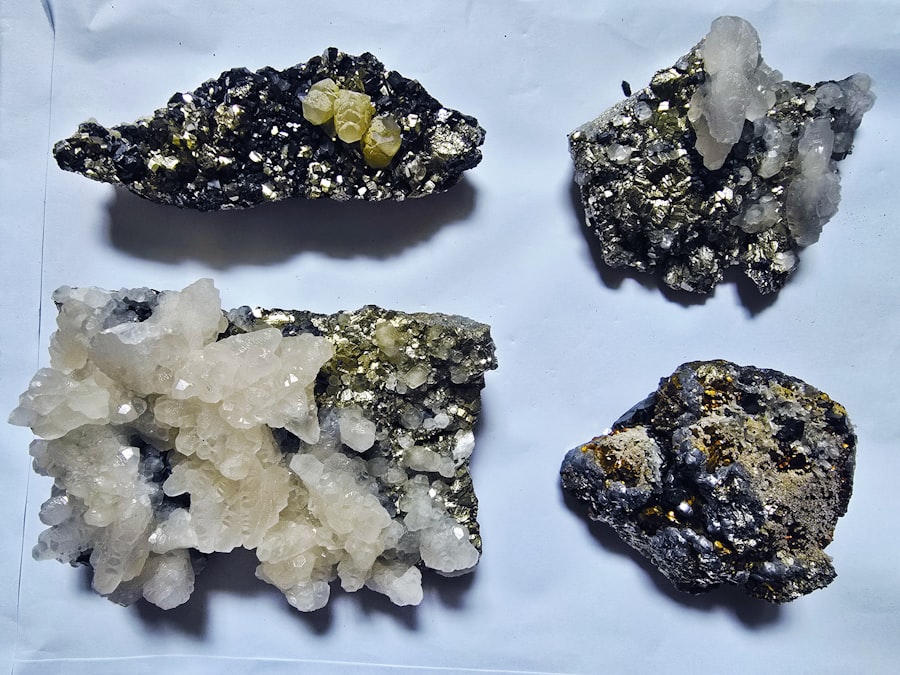
Export restrictions on rare earth elements can have profound implications for global trade dynamics. When a major producer like China imposes limitations on REE exports, it creates ripples throughout international markets. Countries dependent on these materials for manufacturing processes may face increased costs or supply shortages, leading to disruptions in production schedules and potential economic downturns.
Such restrictions can also prompt nations to seek alternative sources or invest in domestic production capabilities, further reshaping global supply chains. The ramifications of export restrictions extend beyond immediate economic impacts; they can also lead to heightened tensions between nations. Countries affected by such measures may respond with their own trade policies or seek alliances with other producers to secure access to rare earth elements.
This tit-for-tat approach can escalate into broader trade conflicts that affect various sectors beyond just REEs. As nations navigate this complex landscape, the interplay between trade policies and rare earth element availability will continue to shape global economic relations.
The Potential for Rare Earth Element Monopolies and Cartels
The concentration of rare earth element production within a few countries raises concerns about the potential for monopolies or cartels to emerge within this critical market. With China dominating the global supply chain for REEs, there is a risk that it could leverage its position to manipulate prices or restrict access to certain countries or industries. Such actions could stifle competition and innovation while creating significant vulnerabilities for nations reliant on these materials.
Efforts to counteract potential monopolistic practices have led some countries to explore collaborative approaches aimed at diversifying supply sources. Initiatives such as joint ventures between nations or partnerships with private companies can help mitigate risks associated with over-reliance on a single supplier. However, establishing a competitive market for rare earth elements requires substantial investment in exploration, extraction technologies, and processing capabilities—challenges that many countries are currently grappling with as they seek to secure their own supply chains.
The Race for Rare Earth Element Resources and Exploration
As global demand for rare earth elements continues to rise, there is an escalating race among nations and corporations to secure access to these valuable resources. Exploration efforts are intensifying in regions previously overlooked due to technological or economic constraints. Countries rich in mineral resources are increasingly recognizing the strategic importance of their REE deposits and are taking steps to attract investment for exploration and development.
This race for resources is not limited to traditional mining operations; it also encompasses innovative approaches such as deep-sea mining and recycling initiatives aimed at recovering rare earth elements from electronic waste. As technology advances, new methods for extracting REEs from unconventional sources may emerge, potentially reshaping the landscape of global supply chains. However, this exploration must be balanced with environmental considerations and social impacts associated with mining activities.
The Environmental and Social Impacts of Rare Earth Element Mining
The extraction of rare earth elements is not without its environmental and social consequences. Mining operations often result in habitat destruction, soil degradation, and water pollution due to the toxic chemicals used during processing. Communities located near mining sites may face health risks associated with exposure to hazardous materials or disruptions to their livelihoods caused by industrial activities.
As awareness grows regarding these impacts, there is increasing pressure on governments and companies to adopt sustainable practices that minimize harm to both people and the environment. Efforts are being made within the industry to address these challenges through improved regulations and responsible mining practices. Companies are exploring ways to reduce waste generation, implement recycling programs, and rehabilitate mined areas after extraction is complete.
Additionally, engaging local communities in decision-making processes can help ensure that their voices are heard and that they benefit from mining activities rather than suffer from their consequences.
The Role of International Agreements and Alliances in Rare Earth Element Trade
International agreements and alliances play a crucial role in shaping the trade dynamics surrounding rare earth elements. As countries recognize the strategic importance of securing access to these materials, collaborative efforts have emerged aimed at fostering cooperation among producers and consumers alike. Agreements focused on sharing best practices for sustainable mining or establishing frameworks for responsible sourcing can help mitigate risks associated with supply chain vulnerabilities.
Furthermore, alliances between nations can enhance collective bargaining power when negotiating trade terms or addressing export restrictions imposed by dominant producers. By working together, countries can create a more resilient global market for rare earth elements that benefits all stakeholders involved while reducing dependence on any single supplier.
The Future of Rare Earth Elements in Economic Warfare and Geopolitics
Looking ahead, the future of rare earth elements will likely be shaped by ongoing geopolitical tensions and economic warfare strategies among nations vying for technological supremacy. As countries continue to invest heavily in advanced technologies reliant on REEs, competition for access will intensify. This dynamic may lead to further diversification efforts within supply chains as nations seek alternatives or develop domestic production capabilities.
Moreover, as environmental concerns gain prominence globally, there may be increased scrutiny regarding mining practices associated with rare earth element extraction. Balancing economic interests with sustainability will be paramount as stakeholders navigate this complex landscape. Ultimately, the role of rare earth elements will remain central not only in technological advancement but also as pivotal assets within the broader context of international relations and economic strategy moving forward.
The geopolitical tensions surrounding rare earth elements are not just about resource scarcity but also about the leverage they provide in international relations. For a deeper understanding of how these elements play a role in economic strategies and conflicts, you can explore a related article on this topic by visiting Real Lore and Order. This article delves into the complexities of rare earth elements and their impact on global economic dynamics.
WATCH THIS! They Can Shut Down Your World Overnight. This Is The Choke Point Controlling Everything!
FAQs
What are rare earth elements?
Rare earth elements are a group of 17 chemical elements in the periodic table, including scandium, yttrium, and the 15 lanthanides. They are essential for the production of various high-tech products such as smartphones, electric vehicles, and renewable energy technologies.
Why are rare earth elements important?
Rare earth elements are crucial for the manufacturing of advanced technology products due to their unique magnetic, luminescent, and catalytic properties. They are also used in defense technologies, making them strategically important for national security.
What is rare earth elements economic warfare?
Rare earth elements economic warfare refers to the use of control over the production and supply of rare earth elements as a tool for geopolitical and economic leverage. Countries may use restrictions on rare earth exports or strategic investments in rare earth mining to gain a competitive advantage or exert influence over other nations.
Which countries are major producers of rare earth elements?
China is the largest producer of rare earth elements, accounting for over 80% of global production. Other significant producers include Australia, the United States, and Russia.
How does rare earth elements economic warfare impact global trade?
Restrictions on rare earth exports or disruptions in the supply chain can have significant impacts on global trade, particularly in high-tech industries. It can lead to supply shortages, increased prices, and disruptions in the production of essential technologies.
What are the implications of rare earth elements economic warfare for national security?
Control over rare earth elements can have implications for national security, as they are essential for the production of defense technologies such as missiles, radar systems, and electronic warfare equipment. Dependence on a single source for rare earth elements can also pose a risk to national security.