Rare Earth Elements (REEs) have emerged as critical components in the technological advancements of the 21st century. These elements, often overshadowed by more commonly known metals, play a pivotal role in various industries, from electronics to renewable energy. As the world becomes increasingly reliant on advanced technologies, the significance of REEs cannot be overstated.
Their unique properties enable innovations that drive modern society, making them essential for both current applications and future developments. The growing demand for clean energy solutions and high-tech devices has intensified the focus on REEs. As nations strive to reduce their carbon footprints and transition to sustainable energy sources, the need for these elements has surged.
This article delves into the nature of rare earth elements, their historical context, applications, and the challenges associated with their extraction and use. By understanding the multifaceted role of REEs, one can appreciate their importance in shaping a sustainable future.
Key Takeaways
- Rare Earth Elements (REEs) are a group of 17 elements that are essential in modern technology and have a significant impact on various industries.
- REEs have a wide range of applications, from electronics and renewable energy to defense and healthcare, making them crucial for the advancement of modern society.
- The discovery of REEs dates back to the late 18th century, and their importance has only grown over time, leading to increased demand and exploration.
- REEs are primarily found in China, but they are also present in other parts of the world, including the United States, Australia, and Africa.
- The extraction of REEs has significant environmental and economic implications, and the industry faces challenges in sustainable mining and processing methods.
What are Rare Earth Elements?
Rare Earth Elements consist of a group of 17 chemically similar elements that include the 15 lanthanides, along with scandium and yttrium. These elements are not actually rare in terms of abundance; rather, they are rarely found in economically exploitable concentrations. The lanthanides range from lanthanum to lutetium, while scandium and yttrium are often grouped with them due to their similar properties and behaviors in geological formations.
The unique characteristics of REEs, such as their magnetic, luminescent, and electrochemical properties, make them invaluable in various applications. For instance, neodymium is crucial for manufacturing powerful magnets used in electric motors and wind turbines, while europium is essential for producing red phosphors in LED lights and television screens. Despite their name, these elements are integral to many technologies that define modern life.
History and Discovery of Rare Earth Elements
The journey of rare earth elements began in the late 18th century when they were first isolated from minerals. The discovery of these elements can be traced back to 1787 when Swedish chemist Johan Gadolin identified a new mineral called gadolinite, which contained a previously unknown element he named yttrium. Over the following decades, scientists like Martin Heinrich Klaproth and Jöns Jacob Berzelius contributed to the identification and isolation of additional rare earth elements.
The 19th century saw significant advancements in the understanding of REEs, particularly with the work of chemists such as Carl Gustaf Mosander, who discovered lanthanum, cerium, and didymium. The term “rare earth” was coined in the early 20th century as these elements were found to be difficult to extract and purify. The development of new extraction techniques during this period laid the groundwork for the industrial use of REEs, which would later become essential in various technological applications.
Uses and Applications of Rare Earth Elements
| Uses and Applications of Rare Earth Elements |
|---|
| Permanent magnets for electric vehicle motors |
| Phosphors for energy-efficient lighting |
| Catalysts in automotive and industrial applications |
| Polishing compounds for glass, mirrors, and lenses |
| Alloys in aerospace and defense technologies |
| Colorants in ceramics, glass, and plastics |
Rare Earth Elements have a wide array of applications across multiple industries. In electronics, they are used in the production of high-performance magnets, phosphors for displays, and catalysts for chemical reactions. For example, neodymium-iron-boron magnets are critical components in electric vehicles (EVs), wind turbines, and various consumer electronics due to their strength and lightweight properties.
In addition to electronics, REEs play a vital role in renewable energy technologies. They are used in the manufacturing of batteries for electric vehicles and energy storage systems. The growing emphasis on green technologies has led to an increased demand for these elements as countries aim to transition away from fossil fuels.
Furthermore, rare earths are essential in defense applications, where they are used in precision-guided munitions and advanced communication systems.
The Importance of Rare Earth Elements in Modern Technology
The significance of Rare Earth Elements in modern technology cannot be overstated.
In the realm of consumer electronics, REEs enhance the performance and efficiency of devices such as smartphones, tablets, and laptops.
The miniaturization of technology has been made possible largely due to the unique properties of these elements. Moreover, REEs are crucial for advancing clean energy solutions. As nations strive to meet climate goals and reduce greenhouse gas emissions, the demand for renewable energy sources like wind and solar power has skyrocketed.
Rare earths are integral to the production of efficient solar panels and wind turbines, enabling a shift towards sustainable energy systems. This reliance on REEs underscores their importance not only for technological advancement but also for environmental sustainability.
Where are Rare Earth Elements Found?
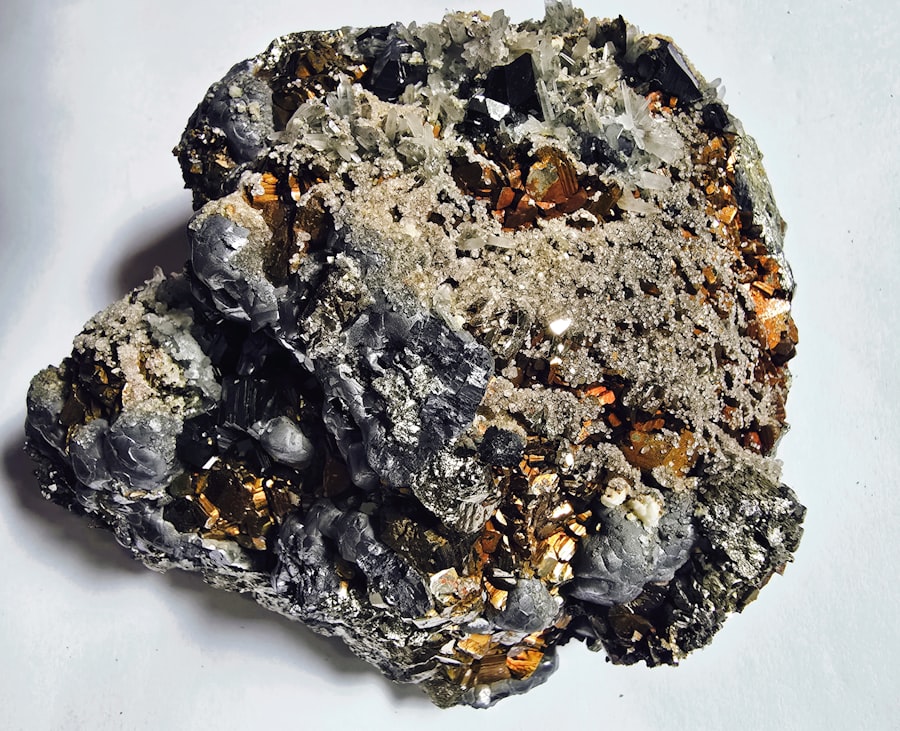
Rare Earth Elements are found in various geological formations around the world, often occurring alongside other minerals such as zirconium and titanium. Major deposits can be located in countries like China, Australia, Brazil, India, and the United States. China has historically dominated the global supply chain for REEs, accounting for a significant portion of production due to its rich deposits and established mining infrastructure.
Australia has emerged as a key player in this regard, with several mining projects underway aimed at tapping into its vast reserves. Additionally, exploration efforts are ongoing in various regions worldwide as countries recognize the strategic importance of securing a stable supply of these critical materials.
Environmental and Economic Impact of Rare Earth Element Mining
The mining and processing of Rare Earth Elements come with significant environmental challenges. The extraction process often involves the use of toxic chemicals that can lead to soil and water contamination if not managed properly. Additionally, mining operations can result in habitat destruction and biodiversity loss, raising concerns among environmentalists and local communities.
Economically, however, the rare earth industry presents both opportunities and challenges. On one hand, it can drive job creation and economic growth in regions where mining occurs. On the other hand, fluctuations in global demand can lead to economic instability for countries reliant on REE exports.
Balancing economic benefits with environmental protection remains a critical challenge for policymakers as they navigate the complexities of rare earth mining.
The Challenges of Extracting Rare Earth Elements
Extracting Rare Earth Elements is fraught with challenges that complicate their availability and sustainability. One major issue is the complexity of separating these elements from one another due to their similar chemical properties. This process often requires advanced technology and significant energy input, making it both costly and environmentally taxing.
Furthermore, geopolitical factors play a role in the challenges associated with REE extraction. As countries vie for control over these valuable resources, trade tensions can arise that impact global supply chains. For instance, restrictions on exports from China have prompted other nations to seek alternative sources or develop domestic production capabilities.
Navigating these geopolitical dynamics while ensuring sustainable practices is essential for securing a stable supply of rare earths.
The Future of Rare Earth Elements
The future of Rare Earth Elements appears promising yet uncertain as technological advancements continue to evolve. With increasing investments in research and development aimed at finding alternative materials or recycling methods, there is potential for reducing reliance on newly mined REEs. Innovations in material science may lead to breakthroughs that lessen the demand for these elements while still achieving desired performance levels.
Moreover, as global awareness regarding environmental sustainability grows, there is likely to be a push towards more responsible mining practices and recycling initiatives. The circular economy model emphasizes reusing materials rather than extracting new resources, which could significantly alter the landscape of rare earth supply chains in the coming years.
Investing in Rare Earth Elements
Investing in Rare Earth Elements has garnered attention from both individual investors and institutional players due to their strategic importance in various industries. As demand for clean energy technologies and advanced electronics continues to rise, companies involved in REE mining or processing may present lucrative investment opportunities. However, potential investors must also consider the inherent risks associated with this sector.
Market volatility can impact prices significantly based on geopolitical tensions or changes in supply chain dynamics. Therefore, thorough research is essential before making investment decisions related to rare earths. Additionally, investors should keep an eye on emerging technologies that may disrupt traditional markets or create new opportunities within the realm of rare earths.
The Role of Rare Earth Elements in Shaping the Future
In conclusion, Rare Earth Elements play an indispensable role in shaping modern technology and driving advancements across various sectors. Their unique properties enable innovations that enhance efficiency and sustainability while supporting the transition towards cleaner energy solutions. As global demand for these elements continues to rise, understanding their significance becomes increasingly important.
The challenges associated with extracting REEs highlight the need for responsible practices that balance economic growth with environmental stewardship. Looking ahead, investments in research and development may pave the way for alternative materials or recycling methods that could reshape the landscape of rare earth supply chains. Ultimately, Rare Earth Elements will remain at the forefront of technological progress as society navigates its path toward a more sustainable future.
If you’re new to the world of rare earth elements and eager to learn more, a great starting point is the article available on Real Lore and Order. This resource provides a comprehensive introduction to these critical materials, explaining their significance in modern technology and industry. For a detailed overview, you can read the article by visiting this link. It covers the basics of rare earth elements, their applications, and why they are essential in today’s technological advancements.
WATCH THIS! They Can Shut Down Your World Overnight. This Is The Choke Point Controlling Everything!
FAQs
What are rare earth elements?
Rare earth elements are a group of 17 chemical elements in the periodic table, including scandium, yttrium, and the 15 lanthanides. They are called “rare” because they are not often found in concentrated and economically exploitable forms.
What are rare earth elements used for?
Rare earth elements are used in a wide range of modern technologies, including electronics, renewable energy, defense systems, and medical devices. They are essential for the production of smartphones, electric vehicles, wind turbines, and many other high-tech applications.
Where are rare earth elements found?
Rare earth elements are found in various minerals and ores, with the largest reserves located in China, Australia, the United States, and several other countries. They are often found in association with other elements, making their extraction and processing challenging.
Why are rare earth elements important?
Rare earth elements are crucial for the development of advanced technologies and are considered strategic resources for many countries. Their unique properties make them irreplaceable in many applications, and their supply chain is a topic of geopolitical significance.
Are rare earth elements really “rare”?
While rare earth elements are not as scarce as their name suggests, they are dispersed in low concentrations and are challenging to extract and refine. This makes their availability and supply chain a significant concern for industries and governments around the world.