
Rare Earth Elements (REEs) are a group of 17 chemically similar elements that play a crucial role in various high-tech applications. These elements, which include lanthanum, cerium, neodymium, and dysprosium, are not actually rare in terms of their abundance in the Earth’s crust. However, their extraction and processing are complex and costly, leading to their classification as “rare.” The unique properties of REEs, such as their ability to produce strong permanent magnets and phosphors, make them indispensable in modern technology.
As the world increasingly relies on advanced electronics, renewable energy solutions, and defense systems, the significance of these elements continues to grow. The term “rare earth” can be somewhat misleading, as many of these elements are relatively abundant. For instance, cerium is more plentiful than copper.
However, the challenge lies in the concentration and extraction of these elements from ores, which often contain them in low concentrations. This complexity has led to a limited number of countries capable of economically producing REEs. As a result, the geopolitical landscape surrounding these elements is intricate, with nations vying for control over resources and supply chains.
Understanding the dynamics of rare earth elements is essential for grasping their role in contemporary society and the future of technology.
Key Takeaways
- Rare Earth Elements (REEs) are a group of 17 chemical elements that are essential for modern technology and have unique magnetic, luminescent, and catalytic properties.
- REEs are crucial for the production of smartphones, electric vehicles, wind turbines, and other high-tech applications, making them indispensable in the modern economy.
- The global market for REEs is highly concentrated, with China dominating both production and processing, leading to concerns about supply chain security and geopolitical tensions.
- Factors affecting the demand for REEs include technological advancements, government policies promoting clean energy, and the shift towards electric vehicles.
- The supply chain of REEs involves mining, processing, and refining, with investment opportunities available in each stage of the supply chain, but with potential risks and environmental considerations to be aware of.
The Importance of Rare Earth Elements in Modern Technology
The significance of rare earth elements in modern technology cannot be overstated. They are integral to the production of a wide array of devices that define contemporary life. For instance, neodymium is a key component in the manufacturing of powerful magnets used in electric motors, wind turbines, and headphones.
These magnets are essential for enhancing energy efficiency and performance in various applications. Additionally, REEs are vital for the production of catalysts used in petroleum refining and automotive catalytic converters, which help reduce harmful emissions. Moreover, rare earth elements are crucial for the advancement of green technologies.
As the world shifts towards renewable energy sources, the demand for REEs is expected to surge. For example, the growing electric vehicle market relies heavily on rare earth magnets for efficient motors and batteries. Similarly, solar panels and wind turbines utilize REEs to optimize energy conversion and storage.
The transition to a low-carbon economy hinges on the availability and sustainable sourcing of these elements, making them a focal point for innovation and investment.
The Global Market for Rare Earth Elements
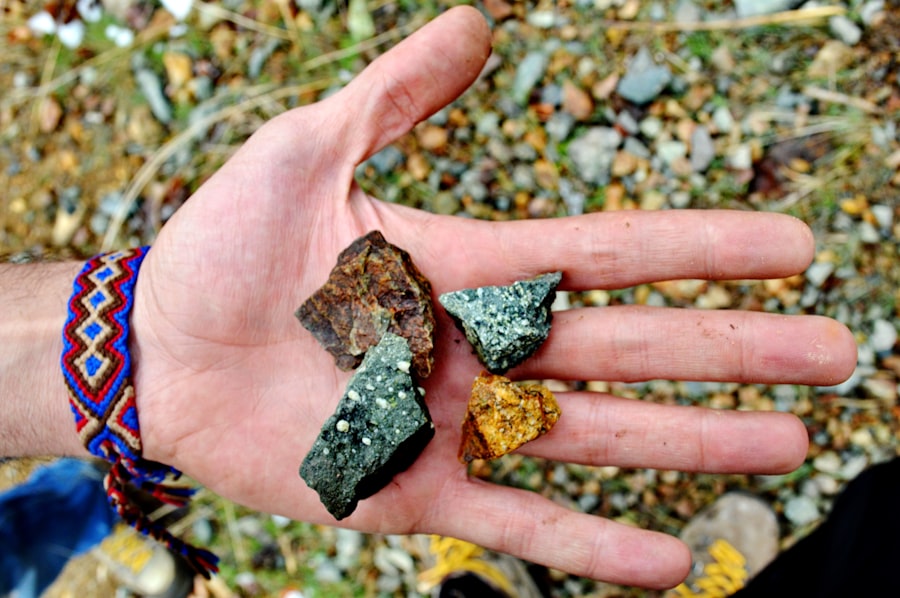
The global market for rare earth elements has experienced significant fluctuations over the past decade. Historically dominated by China, which accounts for over 60% of global production, the market has seen increasing interest from other countries seeking to establish their own supply chains. The United States, Australia, and several nations in Africa have begun investing in REE mining projects to reduce dependence on Chinese exports.
This shift is driven by concerns over supply chain vulnerabilities and geopolitical tensions that could disrupt access to these critical materials. In recent years, prices for rare earth elements have been volatile due to changing demand dynamics and trade policies. For instance, during periods of heightened trade tensions between the U.S.
and China, prices surged as fears of supply disruptions loomed large. Conversely, when new mining projects come online or recycling technologies improve, prices may stabilize or decline. The market’s complexity is further compounded by the fact that different REEs have varying levels of demand based on their specific applications.
As industries evolve and new technologies emerge, understanding these market trends becomes essential for stakeholders looking to navigate the landscape effectively.
Factors Affecting the Demand for Rare Earth Elements
| Factors | Description |
|---|---|
| Technological Advancements | Increased demand for electronic devices and renewable energy technologies |
| Supply Chain Disruptions | Geopolitical tensions and trade restrictions affecting rare earth element supply |
| Environmental Regulations | Stringent regulations impacting rare earth element mining and processing |
| Substitute Materials | Development of alternative materials reducing demand for rare earth elements |
| Economic Growth | Increasing industrialization and urbanization driving demand for rare earth elements |
Several factors influence the demand for rare earth elements, with technological advancements being at the forefront. As industries innovate and develop new applications for REEs, demand can shift dramatically. For example, the rise of electric vehicles has led to an increased need for neodymium and dysprosium in high-performance magnets.
Similarly, advancements in renewable energy technologies have spurred demand for REEs used in solar panels and wind turbines. As global efforts to combat climate change intensify, the demand for these elements is expected to grow even further. Economic factors also play a significant role in shaping demand for rare earth elements.
Fluctuations in global economic conditions can impact manufacturing output and consumer spending, subsequently affecting the need for high-tech products that rely on REEs. Additionally, government policies aimed at promoting green technologies can create a favorable environment for REE demand growth. For instance, subsidies for electric vehicles or renewable energy projects can drive up consumption of these critical materials.
Understanding these multifaceted factors is crucial for predicting future trends in the rare earth market.
The Supply Chain of Rare Earth Elements
The supply chain for rare earth elements is intricate and often fraught with challenges. It begins with mining operations that extract ores containing REEs from the Earth’s crust. Once extracted, these ores undergo a series of processes including crushing, grinding, and chemical separation to isolate individual elements.
This refining process is not only complex but also environmentally taxing, requiring significant energy and water resources. After refining, the supply chain continues with the distribution of REEs to manufacturers who incorporate them into various products. This stage often involves international trade, as many countries lack domestic processing facilities capable of handling REE ores efficiently.
Consequently, geopolitical factors can significantly impact supply chain stability. For instance, trade restrictions or tariffs imposed by producing countries can disrupt access to these materials for manufacturers worldwide. As industries increasingly recognize the importance of securing reliable sources of REEs, there is a growing emphasis on developing localized supply chains that mitigate risks associated with global dependencies.
Investment Opportunities in Rare Earth Elements Mining

The burgeoning demand for rare earth elements presents numerous investment opportunities within the mining sector.
Investors are increasingly looking at companies engaged in exploration and production of rare earth minerals as potential avenues for growth.
With advancements in extraction technologies and increasing prices driven by demand surges, mining operations can yield substantial returns. Moreover, government initiatives aimed at bolstering domestic production further enhance investment prospects in this sector. Many nations are offering incentives to encourage exploration and development of REE resources within their borders.
This trend not only supports national security interests but also opens doors for private investors seeking to capitalize on the growing market for rare earth elements. As awareness about the strategic importance of REEs continues to rise, investment opportunities in mining operations are likely to expand.
Investing in Rare Earth Elements Stocks and Funds
For investors looking to gain exposure to rare earth elements without directly investing in mining operations, stocks and funds focused on this sector offer an attractive alternative. Several publicly traded companies specialize in the exploration and production of REEs or provide essential services related to their extraction and processing. By investing in these stocks, individuals can benefit from potential price appreciation driven by increasing demand for rare earth elements across various industries.
Additionally, exchange-traded funds (ETFs) that focus on rare earth elements provide a diversified approach to investing in this niche market. These funds typically hold shares of multiple companies involved in the REE supply chain, allowing investors to spread their risk while still capitalizing on growth opportunities within the sector. As interest in sustainable technologies continues to rise globally, investing in rare earth element stocks and funds may prove to be a strategic move for those seeking long-term growth potential.
The Potential Risks of Investing in Rare Earth Elements
While investing in rare earth elements presents numerous opportunities, it is not without its risks. One significant concern is the volatility associated with commodity prices. Fluctuations in demand or changes in government policies can lead to sudden price swings that impact profitability for mining companies and investors alike.
Additionally, geopolitical tensions can create uncertainties around supply chains, further exacerbating market volatility. Environmental concerns also pose risks to investments in rare earth elements mining. The extraction and processing of REEs can result in significant ecological damage if not managed responsibly.
Investors must consider the potential backlash from environmental groups or regulatory bodies that could arise from unsustainable practices within the industry. Furthermore, as public awareness about environmental issues grows, companies that fail to adopt sustainable practices may face reputational risks that could affect their stock performance.
Government Policies and Regulations Impacting Rare Earth Elements
Government policies play a pivotal role in shaping the landscape of rare earth elements production and investment opportunities. Many countries are implementing regulations aimed at promoting domestic production while ensuring environmental sustainability within the industry. For instance, some governments offer tax incentives or grants to encourage exploration and development of local REE resources.
Trade policies also significantly impact the global market for rare earth elements. Tariffs or export restrictions imposed by producing countries can disrupt supply chains and affect prices worldwide. Conversely, nations seeking to establish themselves as alternative suppliers may implement favorable trade agreements to attract foreign investment into their mining sectors.
Understanding these regulatory frameworks is essential for investors looking to navigate the complexities of the rare earth market effectively.
Environmental and Social Considerations in Rare Earth Elements Investments
As awareness about environmental sustainability grows among consumers and investors alike, environmental and social considerations have become increasingly important when evaluating investments in rare earth elements. The extraction processes associated with REEs can lead to significant ecological damage if not conducted responsibly. Issues such as habitat destruction, water pollution, and waste management must be addressed by companies operating within this sector.
Moreover, social considerations related to mining operations cannot be overlooked. Communities near mining sites may experience both positive and negative impacts from such activities—ranging from job creation to potential displacement or health risks associated with pollution. Investors are increasingly scrutinizing companies’ social responsibility practices as part of their decision-making process.
Those that prioritize sustainable practices and community engagement are likely to attract more favorable attention from socially conscious investors.
The Future of Rare Earth Elements Investments
The future of rare earth elements investments appears promising as global demand continues to rise across various sectors driven by technological advancements and sustainability initiatives. With increasing recognition of their strategic importance, governments are likely to implement policies that support domestic production while encouraging responsible mining practices. However, investors must remain vigilant about potential risks associated with volatility in commodity prices and environmental concerns linked to extraction processes.
By carefully evaluating investment opportunities within this dynamic landscape—whether through direct mining operations or stocks and funds—investors can position themselves advantageously as the world increasingly relies on rare earth elements for innovation and progress. In conclusion, as industries evolve and new technologies emerge that depend on rare earth elements, understanding their significance will be crucial for stakeholders across various sectors. The interplay between supply chains, government policies, environmental considerations, and market dynamics will shape the future landscape of investments in this vital resource category.
Investing in rare earth elements has become increasingly attractive due to their critical role in modern technology and renewable energy solutions. As global demand for these elements rises, investors are keen to explore opportunities in this sector. A related article that delves into the intricacies of rare earth elements investment can be found on Real Lore and Order. This article provides valuable insights into market trends, potential risks, and the future outlook for rare earth investments. For more detailed information, you can read the full article by visiting this link.
WATCH THIS! They Can Shut Down Your World Overnight. This Is The Choke Point Controlling Everything!
FAQs
What are rare earth elements?
Rare earth elements are a group of 17 chemical elements in the periodic table, including scandium, yttrium, and the 15 lanthanides. They are essential for the production of various high-tech products such as smartphones, electric vehicles, and renewable energy technologies.
Why are rare earth elements important for investment?
Rare earth elements are crucial for the development of modern technologies, and their demand is expected to increase as the world transitions towards clean energy and digitalization. Investing in rare earth elements can provide opportunities for potential growth and diversification in a portfolio.
How can one invest in rare earth elements?
Investors can gain exposure to rare earth elements through various means, including investing in mining companies that produce rare earth elements, purchasing shares of exchange-traded funds (ETFs) that track rare earth element prices, or investing in physical rare earth element products.
What are the risks associated with investing in rare earth elements?
Investing in rare earth elements carries risks such as price volatility, geopolitical factors, environmental regulations, and the potential for supply chain disruptions. It is important for investors to conduct thorough research and consider these risks before making investment decisions.
What factors should be considered before investing in rare earth elements?
Before investing in rare earth elements, investors should consider factors such as the global demand for rare earth elements, the geopolitical landscape of rare earth element production, technological advancements impacting rare earth element usage, and the financial health of companies involved in rare earth element production.