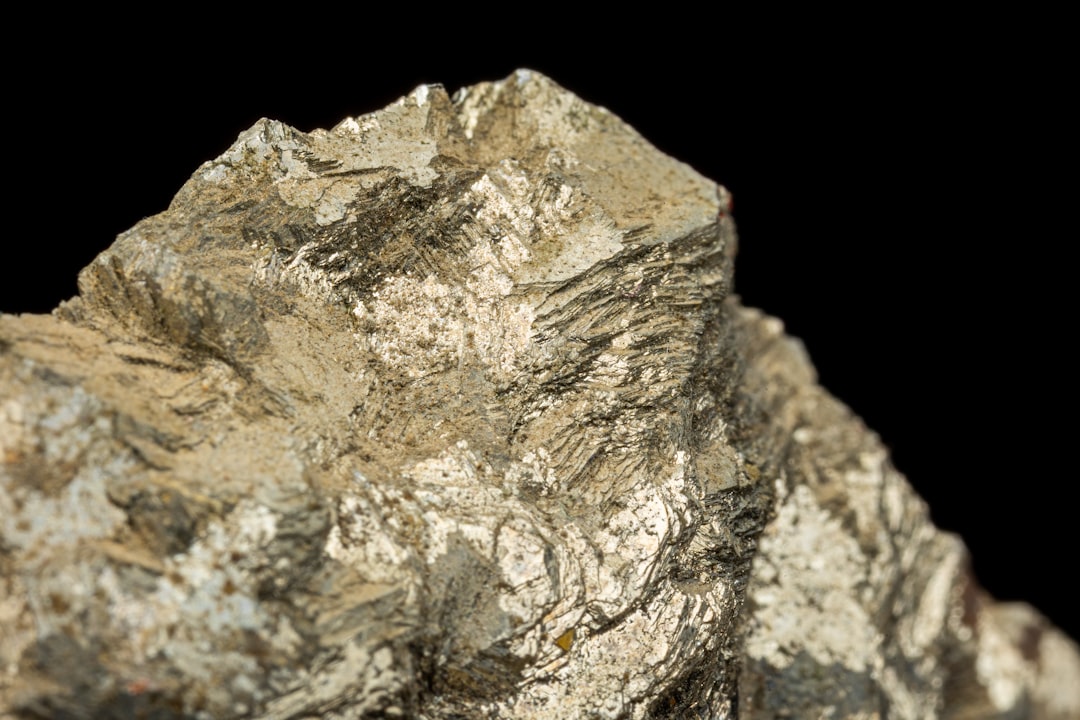
Rare Earth Elements (REEs) are a group of 17 chemically similar elements that play a crucial role in modern technology and industry. These elements, which include lanthanum, cerium, neodymium, and europium, are not actually rare in terms of their abundance in the Earth’s crust; rather, they are rarely found in economically exploitable concentrations. The unique properties of REEs, such as their ability to enhance the performance of magnets, catalysts, and phosphors, have made them indispensable in various applications ranging from electronics to renewable energy technologies.
As the world becomes increasingly reliant on advanced technologies, the significance of these elements continues to grow. The term “rare earth” can be misleading, as it suggests scarcity. In reality, many of these elements are relatively abundant but are often dispersed and difficult to extract.
The mining and processing of REEs require significant investment and expertise, which has led to a concentration of production in a few countries, particularly China. This concentration raises concerns about supply chain vulnerabilities and geopolitical tensions, making it imperative for nations to explore alternative sources and develop sustainable practices in the extraction and use of these vital materials.
Key Takeaways
- Rare earth elements are a group of 17 elements that are essential for various high-tech and green energy applications.
- The current demand for rare earth elements is driven by their use in electronics, renewable energy technologies, and defense systems.
- Rare earth element mining has significant environmental and social impacts, including habitat destruction and water pollution.
- Alternative sources and recycling of rare earth elements are being explored to reduce the reliance on traditional mining methods.
- Technological advancements in extraction methods and sustainable mining practices are crucial for the future of rare earth elements.
Current Uses and Demand for Rare Earth Elements
The demand for rare earth elements has surged in recent years due to their critical role in various high-tech applications. In the electronics sector, REEs are essential for manufacturing components such as smartphones, tablets, and computers. Neodymium, for instance, is a key ingredient in powerful permanent magnets used in hard drives and electric motors.
Additionally, REEs are integral to the production of catalysts that improve fuel efficiency in vehicles and reduce emissions in industrial processes. As the global push for clean energy intensifies, the demand for REEs is expected to rise even further, particularly for applications in wind turbines and electric vehicles. The renewable energy sector is one of the fastest-growing markets for rare earth elements.
Wind turbines rely on neodymium-iron-boron magnets for their generators, while electric vehicles utilize REEs in their batteries and motors. The transition to a low-carbon economy is driving an unprecedented demand for these materials, as countries strive to meet ambitious climate goals. This increasing reliance on REEs underscores the need for a stable supply chain and responsible sourcing practices to ensure that the growth of green technologies does not come at the expense of environmental sustainability or social equity.
Environmental and Social Impact of Rare Earth Element Mining

The extraction of rare earth elements is not without its challenges, particularly concerning environmental degradation and social implications. Mining operations often result in significant land disturbance, habitat destruction, and water pollution. The process of extracting REEs typically involves the use of toxic chemicals, which can contaminate local water sources and pose health risks to nearby communities.
Furthermore, the waste generated from mining activities can lead to long-term environmental damage if not managed properly. Socially, the impact of rare earth element mining can be profound. In regions where mining occurs, local communities may face displacement or loss of livelihoods due to land acquisition for mining projects.
Additionally, labor conditions in some mining operations have raised concerns about worker rights and safety. The concentration of REE production in certain countries has also led to geopolitical tensions, as nations vie for control over these critical resources. Addressing these environmental and social challenges is essential for creating a sustainable framework for rare earth element extraction.
Alternative Sources and Recycling of Rare Earth Elements
| Method | Advantages | Disadvantages |
|---|---|---|
| Urban Mining | Reduces environmental impact, utilizes existing materials | Requires advanced technology, high initial investment |
| Bioleaching | Low cost, environmentally friendly | Slow process, limited to certain ores |
| Recycling | Conserves resources, reduces waste | Challenges in collection and separation |
As the demand for rare earth elements continues to rise, exploring alternative sources and recycling methods has become increasingly important. One promising avenue is the recovery of REEs from electronic waste (e-waste). With millions of tons of discarded electronics generated each year, e-waste represents a significant reservoir of valuable materials.
By developing efficient recycling processes, it is possible to extract rare earth elements from old devices, reducing the need for virgin mining and minimizing environmental impact. In addition to recycling e-waste, researchers are investigating other potential sources of rare earth elements. For instance, some studies have focused on extracting REEs from coal ash and other industrial byproducts.
These alternative sources could provide a more sustainable supply of rare earth elements while also addressing waste management issues. As technology advances and recycling methods improve, the reliance on traditional mining may decrease, paving the way for a more circular economy in the rare earth element sector.
Technological Advancements in Rare Earth Element Extraction
Technological innovation plays a pivotal role in enhancing the efficiency and sustainability of rare earth element extraction processes. Advances in extraction techniques have led to more environmentally friendly methods that minimize waste and reduce the use of harmful chemicals. For example, researchers are exploring bioleaching—a process that uses microorganisms to extract metals from ores—as a potential alternative to traditional chemical extraction methods.
Moreover, advancements in separation technologies have improved the ability to isolate specific rare earth elements from complex mixtures. This is particularly important given that many REEs are found together in nature and require sophisticated techniques for separation. Innovations such as solvent extraction and ion exchange have made it possible to recover higher purity levels of individual elements, thereby increasing their market value and reducing processing costs.
As these technologies continue to evolve, they hold the promise of making rare earth element extraction more efficient and less detrimental to the environment.
Sustainable Practices in Rare Earth Element Mining
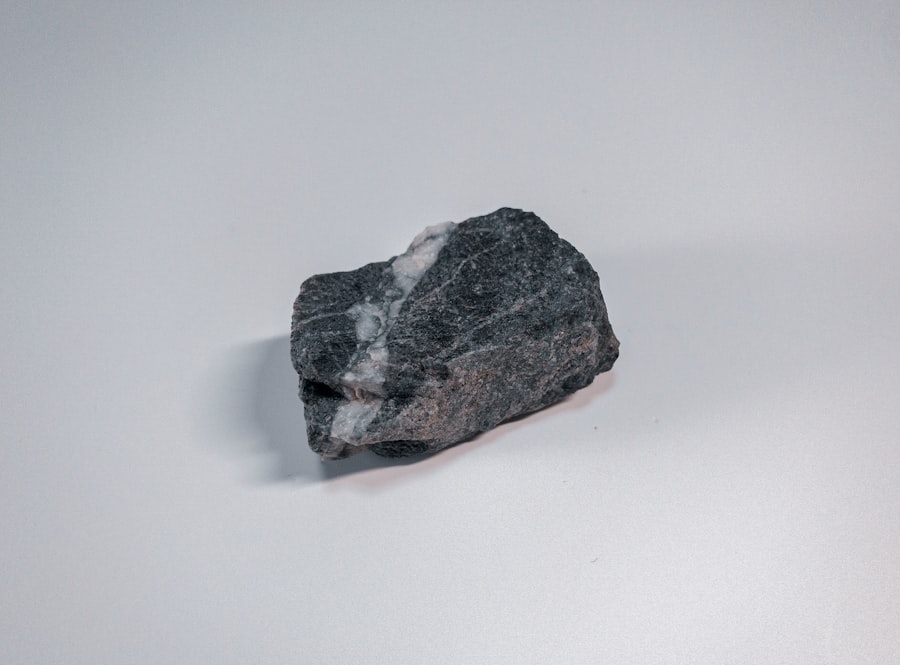
The push for sustainability in rare earth element mining has gained momentum as stakeholders recognize the need for responsible resource management.
Companies are increasingly adopting measures such as reducing water usage, implementing waste management strategies, and rehabilitating mined land to restore ecosystems after extraction activities.
Furthermore, engaging with local communities is essential for fostering positive relationships and addressing social concerns associated with mining operations. By involving stakeholders in decision-making processes and providing economic opportunities through job creation and training programs, companies can contribute to community development while ensuring that their operations align with sustainable practices.
Future Applications and Industries for Rare Earth Elements
The future applications of rare earth elements are vast and varied, with emerging technologies poised to drive demand even higher. In addition to their established roles in electronics and renewable energy, REEs are increasingly being explored for use in advanced materials science. For instance, researchers are investigating their potential in developing high-performance batteries that could revolutionize energy storage solutions.
Moreover, as industries continue to innovate, new applications for rare earth elements are likely to emerge. The aerospace sector is beginning to utilize REEs in lightweight materials that enhance fuel efficiency in aircraft design. Additionally, advancements in medical technology may lead to novel uses for REEs in imaging systems or targeted drug delivery mechanisms.
As research progresses and industries evolve, the versatility of rare earth elements will undoubtedly open new avenues for growth and application.
Global Supply and Demand Trends for Rare Earth Elements
The global supply and demand landscape for rare earth elements is characterized by significant fluctuations driven by technological advancements and geopolitical factors. China currently dominates the market as both a producer and exporter of REEs, accounting for a substantial portion of global supply. However, this concentration poses risks related to supply chain disruptions due to political tensions or trade restrictions.
In response to these challenges, countries around the world are actively seeking to diversify their sources of rare earth elements. Initiatives aimed at developing domestic production capabilities are gaining traction as nations recognize the strategic importance of securing access to these critical materials. As demand continues to rise—particularly from sectors such as electric vehicles and renewable energy—the need for a stable supply chain will become increasingly urgent.
Policy and Regulation in the Rare Earth Element Industry
The regulatory landscape surrounding rare earth element mining is evolving as governments seek to balance economic interests with environmental protection and social responsibility. Policymakers are beginning to recognize the importance of establishing frameworks that promote sustainable practices while ensuring that local communities benefit from resource extraction activities. Regulations may include stricter environmental standards for mining operations, requirements for community engagement, and incentives for companies that adopt sustainable practices.
Additionally, international cooperation is essential for addressing global supply chain challenges associated with rare earth elements. Collaborative efforts among nations can help establish best practices and standards that promote responsible sourcing while mitigating environmental impacts.
Collaboration and Innovation in Rare Earth Element Research
Collaboration among academia, industry, and government entities is crucial for advancing research on rare earth elements. By pooling resources and expertise, stakeholders can drive innovation in extraction techniques, recycling methods, and alternative sources of REEs. Collaborative research initiatives can also facilitate knowledge sharing regarding best practices for sustainable mining operations.
Furthermore, partnerships between private companies and research institutions can accelerate the development of new technologies that enhance efficiency while minimizing environmental impact. As the demand for rare earth elements continues to grow, fostering collaboration will be key to ensuring that research efforts align with industry needs and societal expectations.
The Path to a Sustainable Future for Rare Earth Elements
The journey toward a sustainable future for rare earth elements is fraught with challenges but also filled with opportunities for innovation and collaboration. As global demand continues to rise across various industries, it is imperative that stakeholders prioritize responsible sourcing practices that minimize environmental impact while promoting social equity. By embracing technological advancements in extraction methods, investing in recycling initiatives, and fostering collaboration among diverse stakeholders, the rare earth element industry can pave the way toward a more sustainable future.
As nations work together to address supply chain vulnerabilities and develop policies that promote responsible resource management, they can ensure that rare earth elements remain accessible for generations to come while safeguarding the planet’s health and well-being.
The future of rare earth elements is a topic of growing importance as these materials are crucial for the development of advanced technologies, including renewable energy systems and electronic devices. A related article that delves into the implications and potential strategies for managing rare earth resources can be found on Real Lore and Order. This article explores the geopolitical and economic challenges associated with rare earth elements and discusses innovative approaches to ensure their sustainable supply. For more insights, you can read the full article by visiting Real Lore and Order’s sample page.
WATCH THIS! They Can Shut Down Your World Overnight. This Is The Choke Point Controlling Everything!
FAQs
What are rare earth elements?
Rare earth elements are a group of 17 chemical elements in the periodic table, including scandium, yttrium, and the 15 lanthanides. They are essential for the production of various high-tech products such as smartphones, electric vehicles, and renewable energy technologies.
Why are rare earth elements important?
Rare earth elements are crucial for the manufacturing of many modern technologies due to their unique magnetic, luminescent, and catalytic properties. They are used in the production of electronics, batteries, magnets, and catalysts.
What is the future of rare earth elements?
The future of rare earth elements is uncertain due to their limited global supply and increasing demand. Efforts are being made to find alternative sources, improve recycling methods, and reduce reliance on rare earth elements in technology production.
What are the environmental concerns associated with rare earth element mining?
Rare earth element mining can have significant environmental impacts, including habitat destruction, water and air pollution, and the generation of radioactive waste. Sustainable mining practices and stricter environmental regulations are being developed to address these concerns.
How can the supply of rare earth elements be secured for the future?
Securing the supply of rare earth elements for the future involves diversifying sources of production, investing in recycling technologies, and developing substitutes for rare earth elements in certain applications. International cooperation and strategic stockpiling may also play a role in ensuring a stable supply.