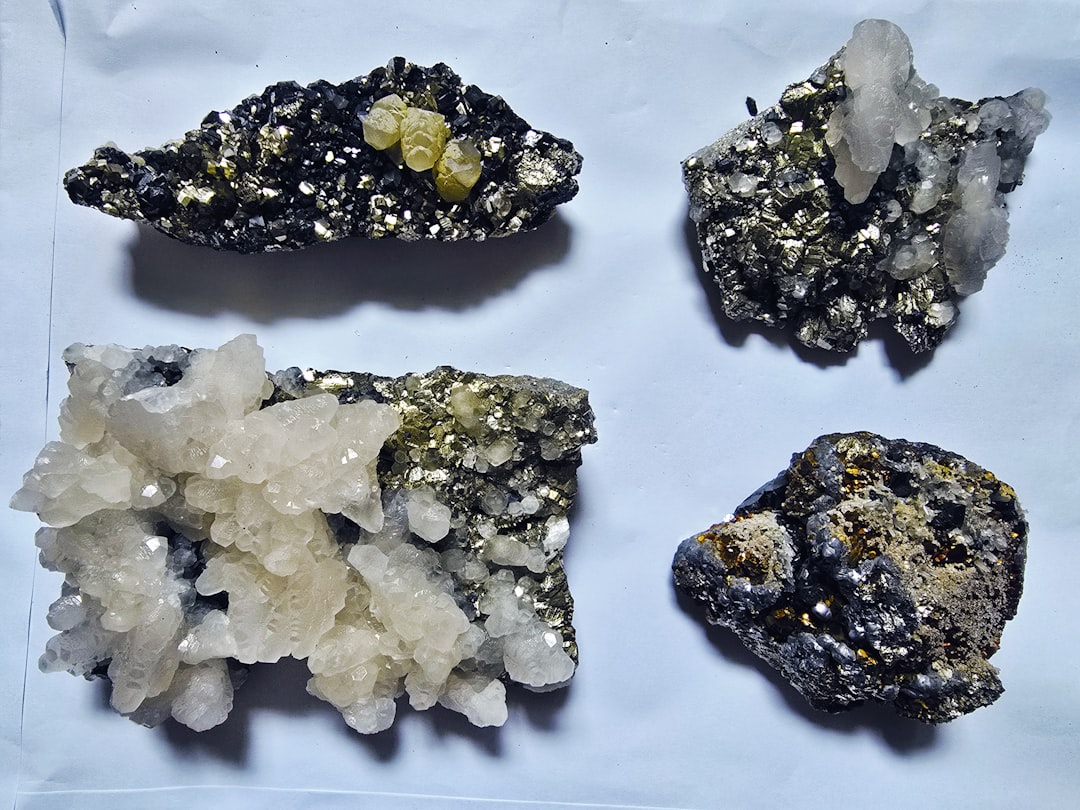
Rare Earth Elements (REEs) are a group of seventeen chemical elements that play a crucial role in modern technology. These elements, which include lanthanides such as neodymium and europium, as well as scandium and yttrium, are not actually rare in terms of their abundance in the Earth’s crust. However, their extraction and processing are complex and costly, leading to their classification as “rare.” The unique properties of REEs, such as their magnetic, luminescent, and electrochemical characteristics, make them indispensable in various high-tech applications, particularly in the defense sector.
The significance of rare earth elements extends beyond their physical properties; they are integral to the advancement of military technology. As nations strive to enhance their defense capabilities, the demand for REEs has surged. From advanced weaponry to sophisticated communication systems, these elements are embedded in a wide array of military hardware.
Understanding the role of rare earth elements in defense technology is essential for grasping the complexities of modern warfare and the geopolitical landscape that surrounds it.
Key Takeaways
- Rare Earth Elements (REEs) are a group of 17 elements that are crucial for various military applications due to their unique properties.
- REEs play a vital role in the production of military hardware, including precision-guided weapons, radar systems, and communication equipment.
- Weapon systems heavily rely on REEs for their magnetic, thermal, and luminescent properties, making them essential for defense technology.
- Communication and surveillance equipment, such as satellites and night vision devices, utilize REEs for their lightweight and high-performance capabilities.
- Aircraft and missile technology heavily depend on REEs for their lightweight, high-strength materials, and advanced guidance systems.
The Importance of Rare Earth Elements in Military Hardware
The military’s reliance on rare earth elements cannot be overstated. These materials are essential for producing high-performance magnets, which are critical components in various military applications. For instance, neodymium-iron-boron magnets are used in precision-guided munitions and missile systems, providing the necessary power-to-weight ratio that enhances performance.
The ability to miniaturize components while maintaining efficiency is a significant advantage in modern warfare, where size and weight can determine the success of a mission. Moreover, rare earth elements contribute to the development of advanced sensors and targeting systems. The precision required in military operations demands cutting-edge technology that often relies on REEs.
For example, europium is used in phosphors for night vision devices, allowing soldiers to operate effectively in low-light conditions. As military hardware becomes increasingly sophisticated, the importance of rare earth elements continues to grow, making them a cornerstone of modern defense strategies.
The Role of Rare Earth Elements in Weapon Systems
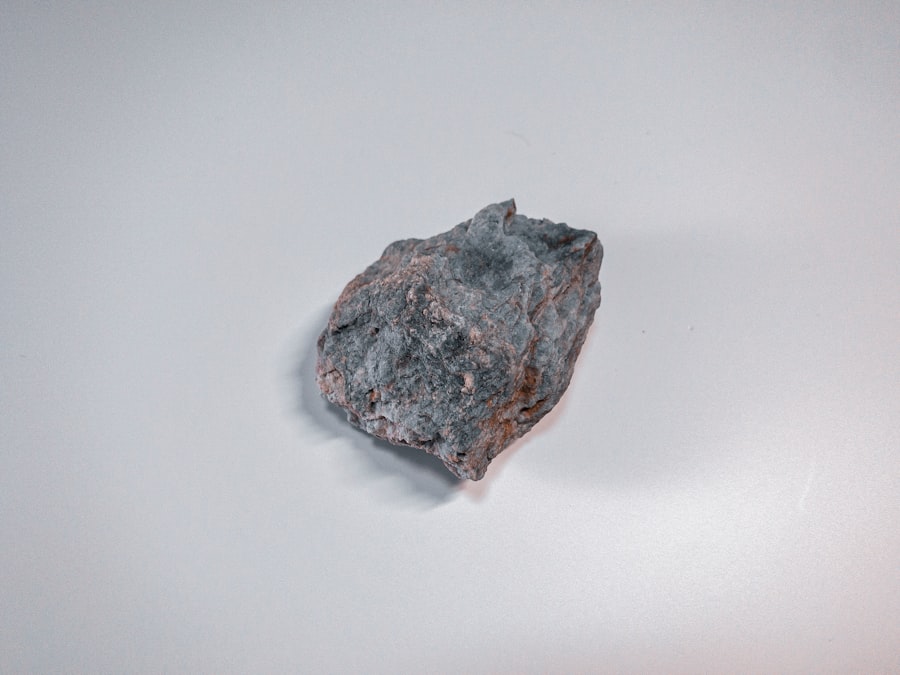
Weapon systems have evolved dramatically over the past few decades, with rare earth elements playing a pivotal role in this transformation. The integration of REEs into weaponry has led to significant advancements in accuracy, lethality, and overall effectiveness. For instance, the use of rare earth-based materials in guidance systems has improved targeting precision, enabling forces to engage targets with minimal collateral damage.
In addition to enhancing accuracy, rare earth elements also contribute to the development of more efficient propulsion systems. The incorporation of REEs into rocket motors and missile systems has resulted in increased thrust and reduced weight, allowing for greater range and payload capacity. As nations invest heavily in modernizing their arsenals, the demand for rare earth elements in weapon systems is expected to rise, further solidifying their importance in military applications.
The Use of Rare Earth Elements in Communication and Surveillance Equipment
| Equipment | Rare Earth Element Used | Usage |
|---|---|---|
| Smartphones | Neodymium, Europium, Terbium | Speakers, screens, and vibration motors |
| GPS Devices | Neodymium, Dysprosium | Magnets for the electronic compass |
| Surveillance Cameras | Neodymium, Praseodymium | Lenses and image sensors |
| Radar Systems | Neodymium, Samarium | Magnets for radar components |
Communication and surveillance are critical components of modern military operations, and rare earth elements play an essential role in these areas as well. Advanced communication systems rely on REEs for their ability to enhance signal clarity and transmission efficiency. For example, erbium-doped fiber amplifiers are widely used in fiber-optic communication systems, enabling secure and rapid data transmission across vast distances.
Surveillance equipment also benefits from the unique properties of rare earth elements. Infrared sensors, which are crucial for detecting heat signatures and monitoring enemy movements, often incorporate REEs to improve sensitivity and resolution. The ability to gather real-time intelligence is vital for strategic decision-making on the battlefield, making the role of rare earth elements in communication and surveillance equipment indispensable.
The Impact of Rare Earth Elements on Aircraft and Missile Technology
Aircraft and missile technology has seen remarkable advancements due to the incorporation of rare earth elements. In aviation, lightweight materials that utilize REEs contribute to fuel efficiency and overall performance. For instance, rare earth alloys are used in turbine engines to enhance durability and reduce weight, allowing aircraft to operate at higher altitudes and speeds.
Missile technology has also benefited significantly from the use of rare earth elements. The precision guidance systems that rely on REEs enable missiles to navigate complex environments with remarkable accuracy. This capability is crucial for modern warfare, where the ability to strike targets with precision can determine the outcome of engagements.
As military forces continue to innovate and upgrade their aerial capabilities, the reliance on rare earth elements will remain a key factor in maintaining technological superiority.
Rare Earth Elements in Armor and Defense Systems

The application of rare earth elements extends beyond offensive capabilities; they are also vital in enhancing defensive measures.
These advanced materials not only improve survivability but also reduce weight, allowing for greater mobility on the battlefield.
In addition to armor, rare earth elements are utilized in various defense systems designed to counteract threats. For example, REEs are employed in electronic warfare systems that disrupt enemy communications and radar capabilities. The effectiveness of these systems is often enhanced by the unique properties of rare earth materials, which can improve signal processing and jamming capabilities.
As military strategies evolve to address emerging threats, the role of rare earth elements in armor and defense systems will continue to be critical.
The Challenges of Sourcing Rare Earth Elements for Military Applications
Despite their importance, sourcing rare earth elements presents significant challenges for military applications. The extraction process is often environmentally damaging and requires substantial investment in infrastructure and technology. Additionally, the concentration of REE production in a few countries raises concerns about supply chain vulnerabilities.
China currently dominates the global market for rare earth elements, leading to apprehensions among other nations regarding their dependence on a single source. The geopolitical implications of this reliance are profound. Countries seeking to secure their access to rare earth elements may engage in strategic partnerships or invest in domestic production capabilities.
However, establishing a reliable supply chain for REEs is a complex endeavor that requires careful planning and investment. As military forces around the world recognize the strategic importance of these materials, addressing sourcing challenges will be paramount for maintaining operational readiness.
The Geopolitical Implications of Rare Earth Element Supply
The geopolitical landscape surrounding rare earth elements is fraught with tension and competition. Nations that possess significant reserves of REEs hold considerable leverage over those that rely on imports for their defense technologies.
Furthermore, trade disputes related to rare earth elements can escalate into broader geopolitical conflicts. For instance, restrictions on exports or tariffs imposed by producing countries can disrupt supply chains and impact military readiness for importing nations. As countries vie for dominance in the global market for rare earth elements, understanding these geopolitical implications becomes essential for formulating effective defense strategies.
Research and Development in Rare Earth Element Alternatives
In response to the challenges associated with sourcing rare earth elements, there has been a growing emphasis on research and development aimed at finding alternatives. Scientists and engineers are exploring various materials that could potentially replace or reduce reliance on REEs without compromising performance. This pursuit is driven by both economic considerations and national security concerns.
Innovative approaches include developing synthetic materials that mimic the properties of rare earth elements or discovering new compounds that can achieve similar results at a lower cost or with less environmental impact. While these alternatives are still in the experimental stages, advancements could reshape the landscape of military technology by reducing dependence on scarce resources.
The Future of Rare Earth Elements in Military Hardware
The future of rare earth elements in military hardware appears both promising and uncertain. As technological advancements continue to drive demand for high-performance materials, REEs will likely remain integral to defense applications. However, the challenges associated with sourcing these materials may prompt shifts toward alternative solutions or increased domestic production efforts.
Moreover, as nations invest in research and development aimed at reducing reliance on REEs, there may be a gradual transition toward more sustainable practices within the defense industry. This evolution could lead to a more diversified supply chain that mitigates geopolitical risks while ensuring that military forces maintain access to cutting-edge technologies.
The Continued Need for Rare Earth Elements in Defense Technology
In conclusion, rare earth elements are indispensable components of modern military hardware, playing critical roles across various applications from weapon systems to communication technologies. Their unique properties enable advancements that enhance operational effectiveness and strategic capabilities on the battlefield. However, challenges related to sourcing these materials pose significant risks for national security and defense readiness.
As nations navigate the complexities surrounding rare earth element supply chains and explore alternatives through research and development initiatives, it is clear that the need for these materials will persist well into the future. The ongoing evolution of military technology will continue to hinge on the availability and application of rare earth elements, underscoring their vital importance in shaping defense strategies worldwide.
Rare earth elements play a crucial role in the development and functionality of modern military hardware, providing essential components for advanced technologies such as precision-guided munitions, stealth technology, and communication systems. These elements, including neodymium, dysprosium, and yttrium, are integral to the production of powerful magnets, lasers, and other high-tech equipment used by armed forces around the world. For a deeper understanding of the strategic importance of rare earth elements in military applications, you can explore a related article on this topic by visiting this page.
WATCH THIS! They Can Shut Down Your World Overnight. This Is The Choke Point Controlling Everything!
FAQs
What are rare earth elements (REEs) and why are they important in military hardware?
Rare earth elements (REEs) are a group of 17 chemical elements that are crucial in the production of various military hardware such as missiles, radar systems, and electronic warfare equipment. They are prized for their unique magnetic, luminescent, and electrochemical properties, which make them essential for the functionality of advanced military technology.
Which rare earth elements are commonly used in military hardware?
Some of the most commonly used rare earth elements in military hardware include neodymium, praseodymium, dysprosium, and terbium. These elements are used in the production of high-strength magnets, laser targeting systems, and advanced communication equipment.
Why are rare earth elements considered strategically important for national security?
Rare earth elements are considered strategically important for national security because of their critical role in the production of advanced military technology. Many countries, including the United States, rely on rare earth elements for their defense capabilities, and a disruption in the supply of these elements could have significant implications for national security.
Are there concerns about the supply of rare earth elements for military hardware?
Yes, there are concerns about the supply of rare earth elements for military hardware, as the majority of the world’s supply comes from China. This dependence on a single source raises concerns about potential supply chain disruptions and the geopolitical implications of relying on a strategic competitor for such critical materials.
What efforts are being made to address the supply chain concerns for rare earth elements?
Efforts are being made to address the supply chain concerns for rare earth elements, including diversifying the sources of rare earth element production, increasing domestic production in countries like the United States, and exploring recycling and alternative materials to reduce reliance on traditional rare earth element sources.