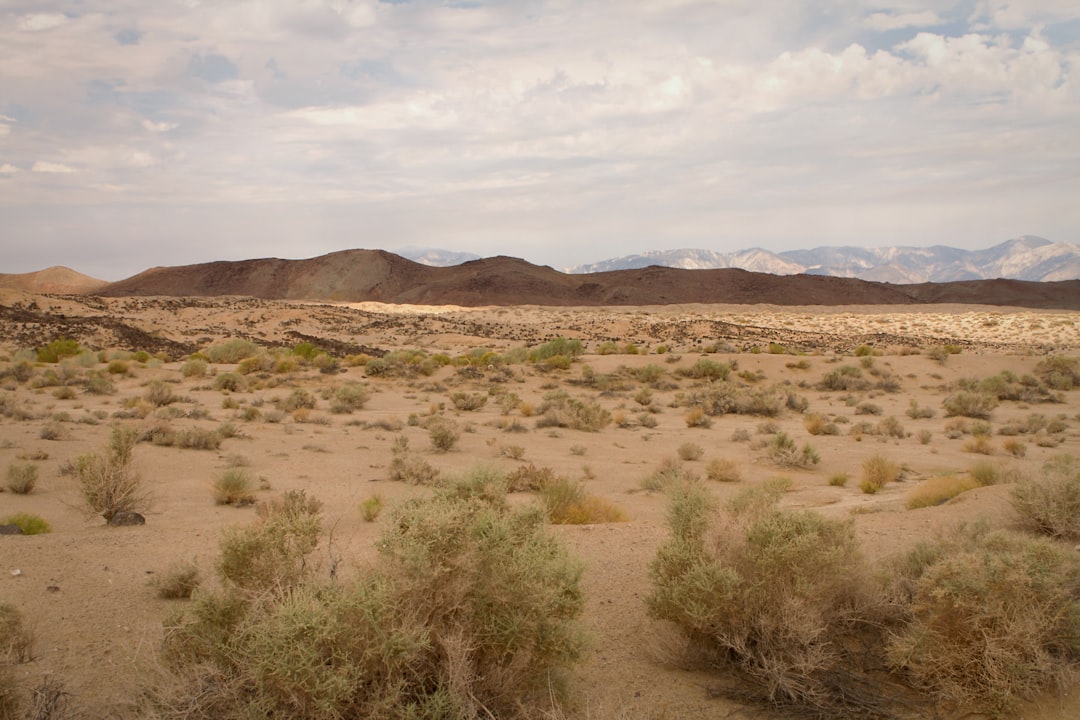
The Gobi Desert, a vast and arid expanse straddling China and Mongolia, has long captured the human imagination. Its stark beauty and formidable environment have historically presented significant challenges to human habitation and infrastructure development. However, as global concerns about resource management and sustainable urban planning intensify, the Gobi has become a testing ground for innovative solutions, particularly in the realm of decentralized power grids and resilient settlements. This article examines the development and testing of grid towns within the Gobi Desert, analyzing the technological, environmental, and logistical considerations that underpin these ambitious projects.
The Gobi’s immense size and sparse population, coupled with its strategic location, present a unique set of opportunities and challenges. Historically, the region has been utilized for nomadic herding, with settlements being few and far between. Modern geopolitical and economic considerations, however, are driving a renewed interest in developing the Gobi’s potential. This includes not only the extraction of natural resources but also the establishment of transportation corridors and the creation of new populations centers that can support these activities. The arid climate and extreme temperature fluctuations, however, necessitate specialized approaches to infrastructure, particularly in the provision of reliable power.
Resource Exploitation and Infrastructure Demands
The Gobi Desert is known to contain significant reserves of coal, oil, natural gas, and various minerals. The extraction and processing of these resources require substantial energy inputs. Furthermore, the development of transportation networks, such as railways and highways, to facilitate the movement of these resources and connect different parts of the region necessitates supporting infrastructure for construction crews and future operational personnel. Building these facilities in remote and harsh environments places a premium on on-site power generation and distribution.
Geopolitical Significance and Regional Connectivity
The Gobi Desert forms a crucial land bridge between East Asia and Central Asia. Its strategic location makes it a key region for developing overland trade routes and fostering economic integration between China, Mongolia, and potentially Russia. The establishment of stable, self-sufficient settlements can serve as important nodes within these emerging transportation and trade networks, facilitating logistics and providing essential services to transit operations.
Desertification and Environmental Management
While not directly related to grid town development, the ongoing challenge of desertification in and around the Gobi necessitates careful consideration of any large-scale development. Any new settlements must be planned with an eye towards minimizing their environmental footprint and, where possible, contributing to efforts to mitigate land degradation. This involves choices in energy sources, water management, and construction materials.
The Gobi Desert grid test towns represent an innovative approach to sustainable living in extreme environments, showcasing how technology can be harnessed to create resilient communities. For a deeper understanding of how environmental factors can impact human health and settlement, you may find the article on ancient microbial blooms particularly insightful. It discusses the implications of historical microbial activity on ecosystems and human populations, which can be relevant to understanding the challenges faced in arid regions like the Gobi Desert. You can read more about it in this article: The Silent Plague: Ancient Microbial Bloom.
Designing for Extreme Conditions: The Technological Framework
The development of grid towns in the Gobi is fundamentally a technological undertaking. The design and implementation of power grids in such an extreme environment require careful consideration of renewable energy sources, robust energy storage solutions, and intelligent distribution networks. The goal is to create systems that are not only reliable and efficient but also resilient to the unique challenges posed by the desert.
Renewable Energy Integration: Solar and Wind Dominance
The Gobi Desert’s geography makes it an ideal location for harnessing solar and wind energy. High levels of solar irradiance and consistent wind speeds offer significant potential for photovoltaic and wind turbine installations. The challenge lies in integrating these variable sources into a stable and predictable power supply. This requires advanced forecasting and control systems to manage fluctuations in generation.
Solar Photovoltaic Technology: Efficiency and Durability
The selection of solar panels is crucial. Given the intense solar radiation and the presence of fine dust particles, panels with high efficiency ratings and dust-repellent coatings are prioritized. Technologies that can withstand the extreme temperature swings, from freezing winters to scorching summers, are essential. Research into panel deployment angles and tracking systems also aims to maximize energy capture throughout the year.
Wind Turbine Technology: Performance in Low-Density Air
Wind turbines operating in the Gobi must be designed to perform effectively in the lower air density typical of high-altitude deserts. Turbine blade design, shaft materials, and operational parameters are optimized for these conditions. Furthermore, the impact of sandstorms on turbine components, including abrasion and potential damage, necessitates robust engineering and maintenance strategies.
Energy Storage Systems: Bridging the Gaps
The intermittency of solar and wind power makes energy storage a critical component of any Gobi grid town. Advanced battery technologies, such as lithium-ion and flow batteries, are being deployed to store excess energy generated during peak production times and release it during periods of low generation or high demand. The lifespan and performance of these batteries in extreme temperatures are key areas of research and development.
Battery Management Systems: Optimizing Lifespan and Performance
Sophisticated battery management systems (BMS) are essential for monitoring charge levels, temperature, and overall health of energy storage systems. These systems can optimize charging and discharging cycles to maximize the lifespan of batteries and ensure their performance under demanding desert conditions, where heat can accelerate degradation.
Emerging Storage Technologies: Hydrogen and Thermal Storage
Beyond batteries, exploration into other energy storage solutions is ongoing. Hydrogen production through electrolysis, powered by renewable energy, offers a long-term storage option that can be converted back to electricity when needed. Thermal energy storage systems, utilizing molten salts or other materials, can also store heat generated from solar power for later use.
Smart Grid Technologies: Optimization and Control
The implementation of smart grid technologies is fundamental to managing the complex interplay of renewable energy sources, energy storage, and demand within a decentralized power system. These technologies allow for real-time monitoring, control, and optimization of the entire grid, ensuring stability and efficiency.
Demand-Side Management: Shifting Consumption Patterns
Smart grids enable demand-side management strategies, encouraging consumers to shift their electricity usage to periods of high renewable energy availability. This can involve dynamic pricing signals or automated adjustments to appliance operation, reducing peak load and improving overall grid efficiency.
Predictive Analytics and Forecasting: Anticipating Supply and Demand
Advanced analytics and weather forecasting are integrated into smart grid operations to predict renewable energy generation and anticipate demand patterns. This allows for proactive adjustments to power supply and storage, preventing imbalances and ensuring grid stability.
Pilot Projects and Testing Grounds: From Concept to Reality

The ambitious vision of grid towns in the Gobi is being realized through a series of pilot projects and testing grounds. These initiatives allow for the practical application of theoretical designs, the evaluation of technology performance in situ, and the iterative refinement of planning and construction methodologies. The data gathered from these projects is invaluable for scaling up future developments.
Case Study: The Xining Solar Power Plant and Associated Infrastructure
One notable example is the development of significant solar power infrastructure in regions like Qinghai province, adjacent to the Gobi. While not a traditional grid town, the large-scale solar farms established there have necessitated the creation of local grids and maintenance facilities. These projects serve as de facto testing grounds for the integration of renewable energy on a massive scale in arid, high-altitude environments.
Grid Interconnection Challenges and Solutions
Connecting these vast renewable energy installations to existing national grids presents significant engineering challenges. The long distances, terrain, and the need to maintain power quality require specialized transmission infrastructure and advanced grid stabilization technologies.
Localized Power Distribution Networks
Beyond national grid connections, the operational needs of these power plants and supporting infrastructure have led to the development of localized microgrids. These smaller, self-contained networks provide power for on-site operations, accommodation, and essential services, offering a blueprint for the decentralized power systems envisioned for Gobi grid towns.
Research Stations and Remote Outposts
Numerous research stations and remote outposts dedicated to studying the Gobi’s environment and resources have also become testing grounds for off-grid and microgrid power solutions. These often smaller-scale projects provide crucial insights into the reliability and maintenance requirements of power systems in isolated settings.
Off-Grid Power for Scientific Monitoring
Scientific research in the Gobi often requires continuous power for data collection and monitoring equipment in remote locations. This has driven innovation in compact, reliable off-grid power systems, often combining solar, wind, and battery storage.
Logistical Hurdles for Deployment and Maintenance
The logistical challenges of transporting equipment, personnel, and supplies to these remote sites are significant. Successful deployment and ongoing maintenance of power systems depend on efficient planning, robust engineering, and the development of skilled local workforces.
Environmental Considerations and Sustainable Practices
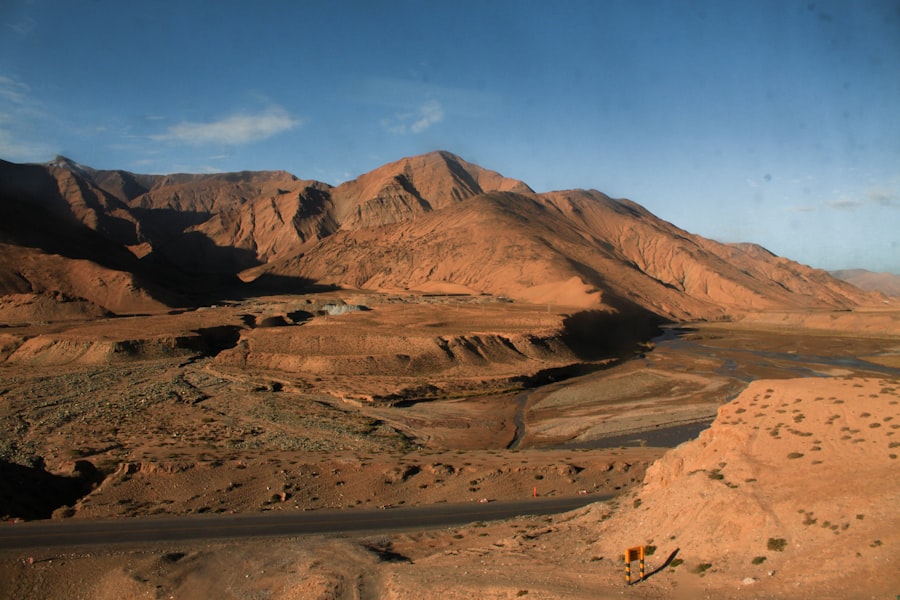
The desert environment of the Gobi demands a mindful approach to development. Environmental impact assessments are crucial, and sustainable practices must be integrated into every stage of planning, construction, and operation of grid towns. Minimizing water usage, managing waste, and mitigating land disturbance are key priorities.
Water Resource Management: A Critical Constraint
Water is a scarce resource in the Gobi Desert. The operation of power generation facilities, particularly conventional thermal plants, can be water-intensive. Therefore, a strong emphasis is placed on water-efficient technologies and the exploration of alternative water sources, such as recycled wastewater or desalinated brackish groundwater where available.
Closed-Loop Cooling Systems
For any thermal power generation components, closed-loop cooling systems that minimize water consumption are preferred. These systems recirculate water, reducing the need for constant replenishment.
Water-Neutral or Water-Positive Designs
The ultimate goal for sustainable grid towns is to achieve water-neutral or even water-positive impacts, where the development contributes to water conservation or resource replenishment in the surrounding environment.
Material Selection and Construction Techniques
The choice of building materials and construction techniques plays a significant role in the environmental footprint of grid towns. Utilizing locally sourced materials where feasible, employing energy-efficient building designs, and minimizing construction waste are all critical considerations.
Passive Cooling and Heating Strategies
Buildings in the Gobi benefit from passive design strategies that reduce reliance on active heating and cooling systems. This includes proper insulation, shading, and natural ventilation techniques to manage the extreme temperature fluctuations.
Dust Control and Erosion Prevention
The fine, loose soil of the Gobi can be easily disturbed, leading to dust storms and erosion. Construction practices must incorporate measures for dust control and the stabilization of soil to prevent environmental degradation.
The Gobi Desert grid test towns represent an innovative approach to sustainable living in extreme environments, showcasing how technology can be harnessed to create self-sufficient communities. For those interested in the broader implications of such advancements, a related article discusses the potential consequences of attacks on critical infrastructure, which can be found in the context of lunar bases. You can read more about this intriguing topic by visiting this article.
Future Outlook and Challenges Ahead
| Town | Population | Area (sq mi) | Annual Rainfall (in) |
|---|---|---|---|
| Gobi Town 1 | 500 | 10 | 5 |
| Gobi Town 2 | 300 | 8 | 3 |
| Gobi Town 3 | 700 | 12 | 7 |
The development of grid towns in the Gobi Desert represents a significant undertaking with the potential to unlock new economic opportunities and establish resilient communities in challenging environments. However, numerous challenges remain, requiring continued innovation, international cooperation, and a long-term commitment to sustainability.
Scalability and Economic Viability
Scaling up from pilot projects to fully functional grid towns presents economic and logistical hurdles. The initial investment in renewable energy infrastructure and smart grid technology can be substantial, and ensuring the long-term economic viability of these settlements through sustainable industries and resource management is paramount.
Skilled Workforce Development and Local Integration
The creation of self-sufficient grid towns necessitates the development of a skilled local workforce capable of operating and maintaining the sophisticated power systems and associated infrastructure. Integrating these new settlements with existing nomadic communities and ensuring their social and cultural acceptance is also vital.
Evolving Energy Technologies and Policy Frameworks
The field of energy technology is constantly evolving. Future grid town developments will need to remain adaptable, incorporating new advancements in renewable energy generation, energy storage, and grid management. Furthermore, supportive government policies and regulatory frameworks are essential to incentivize investment and facilitate the development of these innovative settlements.
The Gobi Desert, once perceived as an insurmountable frontier, is gradually transforming into a landscape of technological experimentation and forward-thinking urban planning. The testing and evolution of grid towns within this formidable environment are not merely about building power systems; they represent a broader effort to forge resilient, sustainable human settlements in some of the planet’s most demanding terrains. The lessons learned in the arid expanses of the Gobi will undoubtedly have broader implications for the future of urban development in a world increasingly focused on resource efficiency and climate adaptation.
FAQs
What is the purpose of the Gobi Desert grid test towns?
The purpose of the Gobi Desert grid test towns is to simulate urban environments in order to test and develop new technologies and infrastructure for sustainable living in extreme desert conditions.
How many grid test towns are there in the Gobi Desert?
There are currently two grid test towns in the Gobi Desert, with plans for more to be developed in the future.
What kind of technologies are being tested in the grid test towns?
Technologies being tested in the grid test towns include solar power, water recycling systems, sustainable agriculture methods, and innovative building materials designed to withstand extreme desert conditions.
Who is involved in the development and testing of the grid test towns?
The development and testing of the grid test towns involve collaboration between government agencies, research institutions, and private companies with expertise in sustainable technologies and urban planning.
What are the potential benefits of the grid test towns for the future?
The potential benefits of the grid test towns include the development of sustainable solutions for desert living, the creation of new economic opportunities in the region, and the potential to apply the knowledge gained to other desert environments around the world.