
Rare earth elements (REEs) are a group of 17 chemically similar elements that play a crucial role in modern technology and industry. These elements, which include lanthanum, cerium, neodymium, and dysprosium, are essential for the production of a wide array of high-tech devices, from smartphones and electric vehicles to renewable energy technologies like wind turbines and solar panels. Their unique properties, such as high magnetic strength and luminescence, make them indispensable in the manufacturing of advanced materials and components.
As the world increasingly shifts towards a technology-driven economy, the demand for REEs continues to rise, underscoring their importance in sustaining economic growth and technological advancement. The significance of rare earth elements extends beyond their immediate applications. They are pivotal in the transition to a greener economy, facilitating the development of clean energy solutions that are vital for combating climate change.
For instance, neodymium is used in powerful magnets for electric motors, while europium is essential for energy-efficient lighting. As nations strive to reduce their carbon footprints and invest in sustainable technologies, the reliance on REEs is expected to grow even further. This growing dependence highlights the need for a stable and secure supply chain to ensure that industries can meet their production needs without interruption.
Key Takeaways
- Rare earth elements are crucial for various industries, including technology, defense, and renewable energy.
- The rare earth elements supply chain faces challenges such as limited production outside of China and geopolitical tensions.
- Mining rare earth elements can have significant environmental impacts, including water and soil contamination.
- Political and geopolitical factors, such as trade disputes and export restrictions, can affect the supply of rare earth elements.
- Diversifying supply sources, technological innovations, and international collaboration are key strategies for securing rare earth elements supply.
Current Challenges in the Rare Earth Elements Supply Chain
The supply chain for rare earth elements faces numerous challenges that threaten its stability and efficiency. One of the most pressing issues is the concentration of REE production in a few countries, particularly China, which dominates the global market. This monopolistic control creates vulnerabilities for other nations that rely heavily on imported REEs for their technological needs.
Any disruption in China’s production capabilities—whether due to environmental regulations, trade disputes, or geopolitical tensions—can have far-reaching consequences for global industries dependent on these materials. Additionally, the extraction and processing of rare earth elements are often fraught with logistical challenges. The mining operations required to obtain REEs are complex and require significant investment in infrastructure and technology.
Many countries lack the necessary facilities to process these materials domestically, leading to increased reliance on foreign processing plants. This not only complicates the supply chain but also raises concerns about the quality and sustainability of the materials being sourced. As industries seek to secure their supply chains, they must navigate these challenges while also considering the economic implications of diversifying their sources.
Environmental Impact of Rare Earth Elements Mining
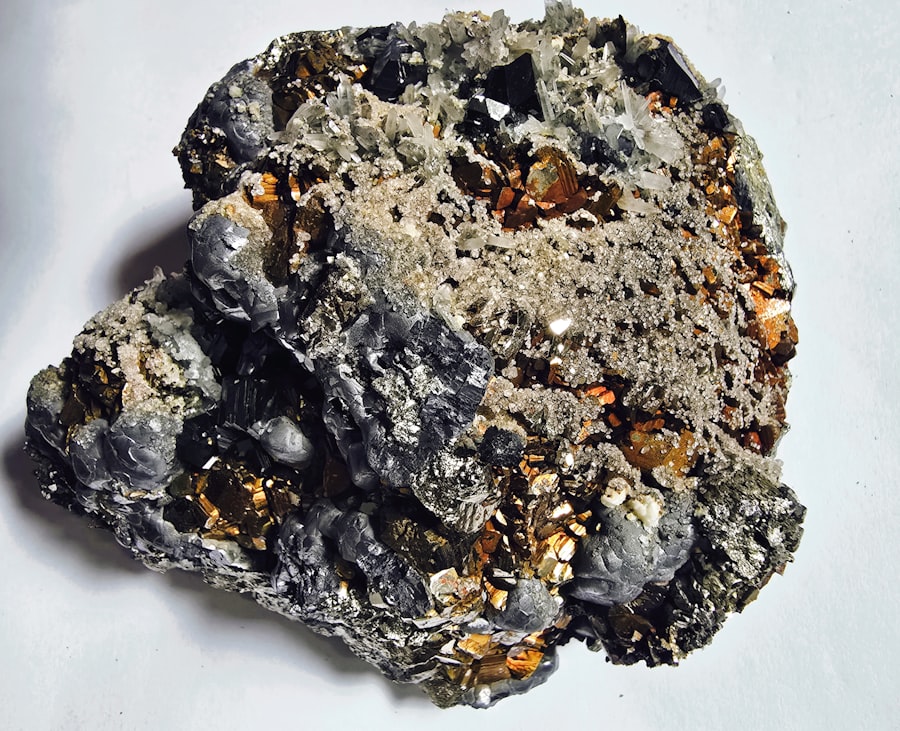
The environmental impact of rare earth elements mining is a significant concern that cannot be overlooked. The extraction process often involves the use of toxic chemicals and generates substantial waste, leading to soil and water contamination. In many cases, mining operations have resulted in severe ecological damage, including habitat destruction and biodiversity loss.
The long-term consequences of these environmental impacts can be devastating, affecting not only local ecosystems but also the health and livelihoods of communities surrounding mining sites. Moreover, the carbon footprint associated with rare earth mining is considerable. The energy-intensive processes required for extraction and processing contribute to greenhouse gas emissions, undermining global efforts to combat climate change.
As awareness of these environmental issues grows, there is increasing pressure on companies and governments to adopt more sustainable practices in the mining and processing of REEs. This includes investing in cleaner technologies, implementing stricter regulations, and promoting responsible sourcing practices that prioritize environmental stewardship.
Political and Geopolitical Factors Affecting Rare Earth Elements Supply
| Factors | Impact |
|---|---|
| Government regulations | Can restrict or promote rare earth elements mining and production |
| Trade disputes | Can lead to tariffs or embargoes affecting rare earth elements supply |
| Political instability | Can disrupt mining operations and transportation of rare earth elements |
| Geopolitical tensions | Can impact trade routes and access to rare earth elements resources |
Political and geopolitical factors play a critical role in shaping the landscape of rare earth elements supply. The strategic importance of REEs has led to heightened competition among nations, particularly between major powers like the United States and China. As countries recognize the significance of securing access to these vital resources, they are increasingly incorporating rare earth elements into their national security strategies.
This has resulted in a complex web of trade policies, tariffs, and diplomatic negotiations aimed at ensuring a stable supply chain. Tensions between nations can also lead to supply chain disruptions. For instance, trade disputes or sanctions can hinder access to critical REEs, forcing countries to seek alternative sources or develop domestic production capabilities.
This geopolitical landscape creates uncertainty for industries reliant on these materials, as they must navigate shifting alliances and potential supply shortages. As nations strive to assert their independence from dominant suppliers like China, they are investing in research and development initiatives aimed at finding new sources of REEs or developing substitutes that can mitigate reliance on traditional supply chains.
Strategies for Diversifying Rare Earth Elements Supply Sources
To address the vulnerabilities inherent in the current rare earth elements supply chain, industries and governments are exploring various strategies for diversification. One approach involves investing in domestic mining operations to reduce dependence on foreign sources. Countries like Australia and the United States are ramping up efforts to develop their own REE resources, which could help stabilize supply chains while also creating jobs and boosting local economies.
Another strategy involves fostering international partnerships to create a more resilient supply network. By collaborating with countries that possess untapped REE reserves or advanced processing capabilities, nations can establish a more diversified supply chain that mitigates risks associated with over-reliance on a single source. Additionally, companies are increasingly looking into recycling initiatives that can reclaim valuable rare earth elements from electronic waste, further reducing the need for new mining operations while promoting sustainability.
Technological Innovations in Rare Earth Elements Extraction and Recycling
Technological innovations are playing a pivotal role in transforming the extraction and recycling processes associated with rare earth elements. Advances in mining technology have led to more efficient extraction methods that minimize environmental impact while maximizing yield. For instance, new techniques such as bioleaching utilize microorganisms to extract REEs from ores, offering a more sustainable alternative to traditional methods that rely on harsh chemicals.
In addition to improving extraction processes, innovations in recycling are becoming increasingly important as industries seek to close the loop on rare earth elements usage. Technologies that enable the recovery of REEs from discarded electronics are gaining traction, allowing valuable materials to be reused rather than disposed of. This not only reduces waste but also lessens the demand for newly mined REEs, contributing to a more sustainable supply chain overall.
As research continues to advance in this field, it is likely that recycling will become an integral part of the rare earth elements ecosystem.
The Role of International Collaboration in Securing Rare Earth Elements Supply
International collaboration is essential for securing a stable supply of rare earth elements in an increasingly interconnected world. Countries can benefit from sharing knowledge, resources, and best practices related to REE extraction, processing, and recycling. Collaborative efforts can lead to joint ventures that enhance production capabilities while also addressing environmental concerns associated with mining operations.
Furthermore, international partnerships can help establish standards and regulations that promote responsible sourcing practices across borders. By working together to create a unified framework for REE production and trade, nations can mitigate risks associated with supply chain disruptions while ensuring that environmental and social considerations are prioritized. Such collaboration not only strengthens individual countries’ positions but also fosters global stability in the rare earth elements market.
Supply Chain Resilience and Risk Management for Rare Earth Elements
Building resilience within the rare earth elements supply chain is crucial for mitigating risks associated with disruptions. Companies must adopt comprehensive risk management strategies that account for potential vulnerabilities at every stage of the supply chain—from extraction and processing to distribution and end-use. This includes conducting thorough assessments of suppliers’ reliability and implementing contingency plans that allow for rapid response in case of unforeseen events.
By utilizing data analytics and real-time monitoring systems, companies can gain insights into potential bottlenecks or disruptions before they escalate into larger issues. This proactive approach enables businesses to make informed decisions about sourcing alternatives or adjusting production schedules as needed, ultimately ensuring continuity in their operations.
Regulatory and Policy Considerations for Rare Earth Elements Supply
Regulatory frameworks play a significant role in shaping the landscape of rare earth elements supply chains. Governments must establish policies that promote sustainable mining practices while balancing economic interests with environmental protection. Striking this balance is essential for ensuring that REE extraction does not come at the expense of ecological integrity or community well-being.
Moreover, international trade policies can influence the dynamics of the rare earth elements market. Tariffs or export restrictions imposed by major producing countries can create ripple effects throughout global supply chains, prompting other nations to reevaluate their sourcing strategies. Policymakers must remain vigilant in monitoring these developments while advocating for fair trade practices that support both domestic industries and international cooperation.
The Impact of Rare Earth Elements Supply Chain Disruptions on Global Industries
Disruptions in the rare earth elements supply chain can have profound implications for global industries reliant on these materials. For instance, automotive manufacturers may face production delays if access to critical REEs is compromised, leading to increased costs and potential revenue losses. Similarly, technology companies may struggle to meet consumer demand for electronic devices if shortages occur.
The cascading effects of such disruptions extend beyond individual companies; entire sectors may experience downturns as a result of limited access to essential materials. This underscores the interconnectedness of global supply chains and highlights the need for industries to adopt proactive measures that safeguard against potential risks associated with rare earth elements sourcing.
Future Outlook for the Rare Earth Elements Supply Chain
The future outlook for the rare earth elements supply chain is characterized by both challenges and opportunities as industries adapt to an evolving landscape. As demand for REEs continues to rise alongside technological advancements and sustainability initiatives, there is an urgent need for innovative solutions that address existing vulnerabilities within the supply chain. In response to these challenges, stakeholders are likely to prioritize diversification strategies that enhance resilience while promoting responsible sourcing practices.
Additionally, ongoing research into alternative materials and recycling technologies will play a crucial role in shaping the future of rare earth elements usage. By embracing collaboration across borders and sectors, nations can work together to secure a stable supply chain that meets both economic needs and environmental responsibilities in an increasingly complex world.
The global supply chain for rare earth elements has become a critical topic of discussion, especially given their essential role in modern technology and renewable energy solutions. A related article that delves into the complexities and challenges of this supply chain can be found on Real Lore and Order. This article provides insights into the geopolitical and economic factors influencing the availability and distribution of these vital resources. For a deeper understanding, you can read more about it by visiting the article on Real Lore and Order.
WATCH THIS! They Can Shut Down Your World Overnight. This Is The Choke Point Controlling Everything!
FAQs
What are rare earth elements (REEs)?
Rare earth elements (REEs) are a group of 17 chemical elements in the periodic table, including scandium, yttrium, and the 15 lanthanides. They are essential for the production of various high-tech products such as smartphones, electric vehicles, and renewable energy technologies.
Why are rare earth elements important?
Rare earth elements are crucial for the manufacturing of many modern technologies due to their unique magnetic, luminescent, and catalytic properties. They are used in a wide range of applications, including electronics, defense systems, and clean energy technologies.
What is the rare earth elements supply chain?
The rare earth elements supply chain refers to the process of extracting, refining, and manufacturing rare earth elements into usable products. This includes mining and processing the raw materials, as well as the production and distribution of rare earth-based products.
Where are rare earth elements found?
Rare earth elements are found in various geological formations around the world, with significant deposits located in China, Australia, the United States, and several other countries. They are often found in association with other minerals and are typically extracted through mining and processing operations.
What are the challenges in the rare earth elements supply chain?
Challenges in the rare earth elements supply chain include environmental concerns related to mining and processing, geopolitical issues surrounding the dominance of China in the industry, and the need for sustainable and ethical sourcing practices. Additionally, there are concerns about the potential for supply chain disruptions and the need for diversification of supply sources.
How is the rare earth elements supply chain being addressed?
Efforts to address challenges in the rare earth elements supply chain include research and development of alternative extraction and processing methods, diversification of supply sources, and the implementation of sustainable and ethical sourcing practices. Additionally, there are ongoing discussions about the need for international cooperation and strategic stockpiling to ensure a stable supply of rare earth elements.