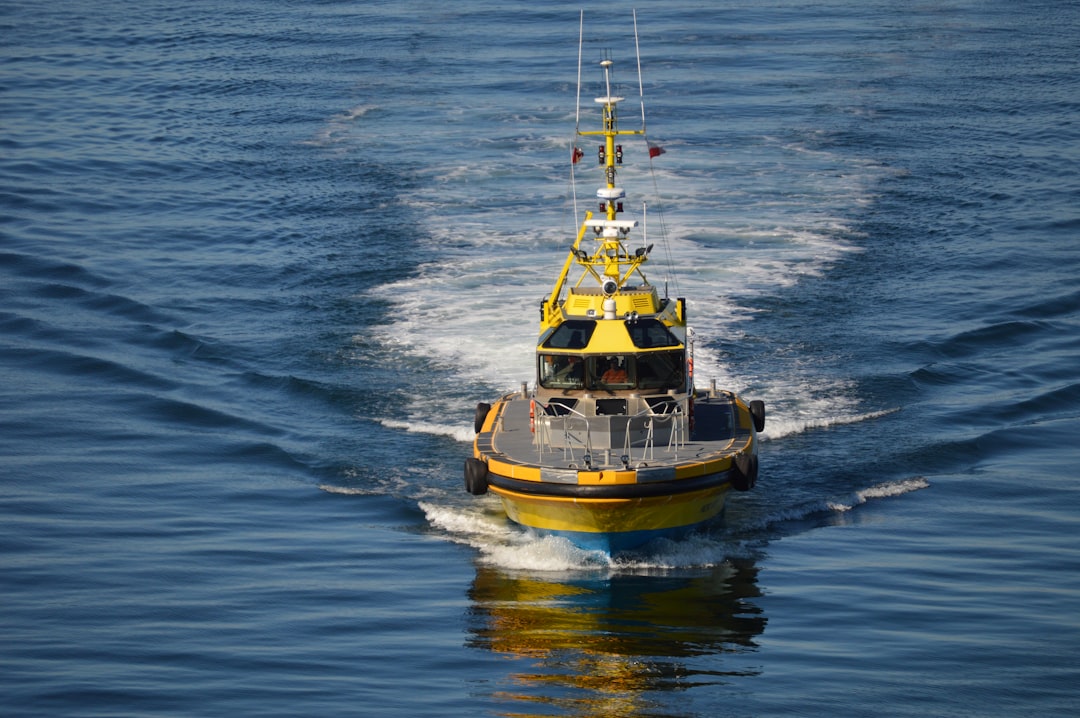
Unmanned Sweeper Patrol Grids: Enhancing Maritime Security
The maritime domain, a vast and interconnected expanse, presents persistent challenges for maintaining security. Traditional methods, often reliant on human patrols and static surveillance, face limitations in terms of reach, endurance, and cost-effectiveness. As the global economy increasingly depends on the free flow of maritime trade and the protection of offshore assets, the need for more robust and adaptable security solutions has become paramount. In this context, the concept of Unmanned Sweeper Patrol Grids (USPGs) emerges as a significant technological advancement, offering a novel approach to enhancing maritime security through autonomous, coordinated, and persistent surveillance.
The Evolving Threat Landscape
Maritime security is not a monolithic concept but a multifaceted area encompassing a range of threats. These include piracy and armed robbery at sea, illegal trafficking of drugs, weapons, and people, illicit fishing, smuggling, and the potential for asymmetric warfare. Furthermore, the critical infrastructure located offshore, such as oil and gas platforms, wind farms, and submarine cables, represents high-value targets that require constant protection. The increasing complexity and interconnectedness of global trade routes, coupled with the vastness of the ocean, mean that threats can emerge from unexpected directions and at any time.
The Limitations of Conventional Maritime Patrols
For decades, maritime security has largely depended on manned vessels and aircraft. While these platforms provide valuable capabilities, they are not without their drawbacks. The operational costs associated with fueling, maintaining, and crewing naval vessels and aircraft are substantial. The endurance of manned platforms is also limited by crew fatigue, supply logistics, and the need for regular maintenance. Furthermore, the vastness of maritime spaces means that even extensive patrol efforts can leave significant areas vulnerable. The human element, while crucial for complex decision-making and threat assessment, can also be subject to error, fatigue, and limited observational capacity over extended periods. The inherent risk to personnel in dangerous environments also necessitates careful consideration.
The Strategic Importance of Unmanned Systems
The development and integration of unmanned systems across various military and civilian applications have demonstrated their potential to overcome many of the limitations of traditional manned operations. Unmanned Aerial Vehicles (UAVs), Unmanned Ground Vehicles (UGVs), and Unmanned Surface Vessels (USVs) have proven their utility in reconnaissance, surveillance, logistics, and even combat roles, often with reduced risk to human operators and at a lower operational cost. The application of these principles to maritime security, specifically through the concept of networked unmanned sweepers, offers a compelling path forward.
Unmanned sweeper maritime patrol grids are becoming increasingly important in modern naval operations, particularly for enhancing maritime security and environmental monitoring. A related article that delves into the historical aspects of water management and engineering is available at this link: Ancient Hydraulic Engineering Marvels: Masterpieces of Water Management. This article explores the innovative techniques used in ancient civilizations, which can provide valuable insights into contemporary water management practices and technologies.
Defining the Unmanned Sweeper Patrol Grid
An Unmanned Sweeper Patrol Grid (USPG) can be defined as a distributed network of interconnected unmanned vehicles, primarily USVs, that are designed to autonomously patrol designated maritime areas. These vehicles operate in a coordinated manner, sharing data and communicating with each other and with a central command and control (C2) system. The “sweeper” designation reflects their role in systematically covering and monitoring defined sectors of the maritime environment, akin to a sweeping action, thereby identifying and responding to potential threats.
Components of a USPG
The core of a USPG comprises various types of unmanned platforms, with USVs being the primary actors. These USVs are typically equipped with a suite of sensors and communication systems.
Unmanned Surface Vessels (USVs)
The USVs forming the backbone of a USPG are designed for long-duration operations at sea. They can vary in size, from small, agile craft capable of navigating crowded waterways or shallow areas to larger platforms that can carry more sophisticated payloads and operate in open ocean conditions. Their propulsion systems are often optimized for fuel efficiency, allowing for extended periods of autonomous operation.
Sensor Payloads
The effectiveness of a USV relies heavily on its sensor suite. Common sensors include:
- Radar: For long-range detection of surface contacts, weather monitoring, and navigation.
- Electro-Optical/Infrared (EO/IR) Cameras: For visual identification of vessels, objects, and potential threats, including at night.
- AIS (Automatic Identification System) Receivers: To track and identify legitimate maritime traffic.
- Sonar Systems: For underwater surveillance, detection of submerged objects, and potentially tracking submarines or divers.
- Electronic Support Measures (ESM): To detect and analyze radio frequency (RF) signals from other vessels, which can indicate their intent or activity.
- Chemical/Biological/Radiological/Nuclear (CBRN) Detectors: For specific threat detection in certain operational environments.
Communication Systems
Robust and secure communication is fundamental to the functioning of a USPG. This includes:
- Line-of-Sight (LOS) Radio: For immediate communication between nearby USVs and shore stations.
- Beyond Line-of-Sight (BLOS) Satellite Communications (SATCOM): To maintain contact with distant USVs and the C2 center.
- Data Links: For transmitting sensor data, intelligence, and status updates.
Command and Control (C2) System
A sophisticated C2 system is responsible for orchestrating the actions of the USPG. This system receives data from all participating USVs, synthesizes it into a comprehensive operational picture, and issues commands.
Autonomy and Coordination
The USPG is characterized by a high degree of autonomy. Individual USVs can operate independently, making basic navigation and surveillance decisions. However, the “grid” aspect implies coordinated behavior. The C2 system assigns patrol areas, defines ingress and egress routes, and dictates how USVs should interact with detected contacts. This coordination can involve:
- Dynamic Patrol Area Reallocation: Adjusting patrol routes based on real-time intelligence or emerging threats.
- Cooperative Sensing: USVs can combine sensor data to improve detection and tracking accuracy. For instance, one USV might detect a surface anomaly with radar, and another may be tasked with closer visual inspection.
- Information Sharing and Fusion: All data is fed into the C2 system for integration and analysis, generating a holistic view of the maritime environment.
Human-in-the-Loop Design
While highly autonomous, USPGs are not entirely devoid of human oversight. The C2 system typically incorporates a “human-in-the-loop” design, allowing human operators to monitor operations, analyze complex situations, and make critical decisions. This blend of automation and human judgment optimizes threat detection, response, and minimized collateral risk.
Operational Advantages of USPGs
The integration of USPGs into maritime security frameworks offers several distinct operational advantages compared to traditional methods. These advantages stem from the inherent characteristics of unmanned systems operating in a coordinated, networked fashion.
Persistent Surveillance and Extended Endurance
One of the most significant benefits of USPGs is their ability to provide persistent surveillance over extended periods. Unlike manned platforms that require refueling and crew rotations, USVs can operate for weeks or even months at a time, limited only by their onboard power source and maintenance needs. This continuous presence acts as a powerful deterrent to illicit activities and ensures that anomalies are detected in their early stages.
Reduced Personnel Risk
By deploying unmanned systems for patrols, the risk to human personnel is significantly reduced. Dangerous environments, such as areas with high piracy activity or potential for hostile engagement, can be monitored without exposing crews to direct danger. This is particularly relevant for extended patrols in remote or contested waters.
Cost-Effectiveness
While the initial investment in USPG technology can be considerable, the long-term operational costs are generally lower than those of equivalent manned operations. Reduced fuel consumption, lower crewing requirements, and longer service lives of unmanned platforms contribute to significant cost savings over time.
Enhanced Situational Awareness
The networked nature of a USPG, coupled with its distributed sensor assets, leads to a substantial improvement in situational awareness. Individual USVs collect data from their immediate vicinity, but when this data is fused and analyzed by the C2 system, it creates a comprehensive, real-time picture of the operational area.
Comprehensive Area Coverage
A grid formation allows for systematic and complete coverage of designated maritime areas. USVs can be programmed to follow pre-defined patrol patterns, ensuring that no significant gaps are left in surveillance. This is particularly valuable in large, open-water areas or complex coastal regions.
Early Threat Detection
The continuous monitoring and fusion of data from multiple sensors enable the early detection of potential threats. Anomalies in vessel behavior, unexpected contacts, or suspicious cargo can be identified before they escalate into more serious incidents. This early warning capability is crucial for effective response planning.
Adaptability and Flexibility
USPGs offer a high degree of adaptability and flexibility, allowing them to be deployed and reconfigured to meet evolving security needs. The modular nature of USVs and their payloads means that patrol grids can be tailored to specific operational requirements.
Scalability of Operations
The size and composition of a USPG can be easily scaled up or down depending on the mission. Additional USVs can be deployed to expand coverage or intensify surveillance in a particular area. Conversely, fewer assets can be utilized for less demanding operations.
Dynamic Redeployment
USPGs can be rapidly redeployed to address emerging threats or respond to changes in the operational environment. This agility allows for a more proactive and responsive maritime security posture. For instance, if intelligence indicates an increased risk of piracy in a particular shipping lane, a USPG can be quickly rerouted to patrol that area.
Applications in Maritime Security
The versatility of USPGs allows for their application across a broad spectrum of maritime security challenges, from routine monitoring to more specialized defense roles. Their ability to provide persistent, cost-effective surveillance in remote or dangerous areas makes them a valuable asset for national navies, coast guards, and private security firms.
Anti-Piracy and Maritime Domain Awareness
One of the most immediate and pressing applications for USPGs is in combating piracy and enhancing general maritime domain awareness (MDA). Piracy remains a significant threat to international shipping, particularly in regions like the Horn of Africa and parts of Southeast Asia.
Deterrence Through Presence
The visible and persistent presence of USPGs in known piracy hotspots can act as a significant deterrent. Potential pirates are less likely to target vessels in areas actively monitored by autonomous systems.
Surveillance and Early Warning
USPGs can provide continuous surveillance of shipping lanes, closely monitoring vessels for unusual behavior. If a suspicious vessel is detected, or if a distress call is received, the grid can quickly dispatch nearby USVs to investigate and provide real-time information to naval assets or law enforcement.
Monitoring Offshore Infrastructure
Beyond shipping, USPGs are invaluable for monitoring critical offshore infrastructure. This includes oil and gas rigs, submarine pipelines, wind farms, and other installations that are vital to energy security and national economies.
Protection of Energy Assets
Offshore energy platforms are vulnerable to sabotage, terrorism, and accidental damage. USPGs can patrol around these installations, providing constant surveillance and identifying any unauthorized approaching vessels or submersible activity.
Monitoring Underwater Cables
Submarine communication and power cables are essential infrastructure that can also be targeted. Sonar-equipped USVs can patrol these cable routes, detecting any attempts at unauthorized intervention or damage.
Border Security and Smuggling Interdiction
Maritime borders are often porous and difficult to police effectively. USPGs can complement traditional border security efforts by extending surveillance capabilities into territorial waters and beyond.
Patrol of Exclusive Economic Zones (EEZs)
USPGs can be deployed to patrol vast EEZs, detecting and deterring illegal fishing, smuggling, and unauthorized entry by foreign vessels. Their ability to operate autonomously for extended periods makes them ideal for covering large, remote areas.
Detection of Illicit Trafficking
The comprehensive sensor suites of USPGs can be used to detect indicators of illicit trafficking. This could include the presence of suspicious vessels in unusual locations, the deployment of smaller vessels from larger ones, or the detection of specific cargo types through radar or other sensors.
Search and Rescue Support
While primarily a security tool, the capabilities of USPGs extend to supporting search and rescue (SAR) operations. Their persistent presence and advanced sensor technology can aid in locating distressed vessels or individuals at sea.
In the realm of maritime technology, the development of unmanned sweeper patrol grids is revolutionizing how we monitor and protect our oceans. These advanced systems enhance surveillance capabilities, ensuring that vast areas can be efficiently scanned for potential threats or environmental changes. For those interested in the intersection of technology and archaeology, a fascinating article discusses the recent discovery of a sealed chamber in an ancient city, shedding light on how modern techniques can unveil historical secrets. You can read more about this intriguing find in the article here: archaeologists uncover sealed chamber in ancient city.
Integration and Future Development
The successful implementation of USPGs requires careful consideration of integration with existing maritime infrastructure and ongoing development of their technological capabilities.
Interoperability with Existing Systems
For USPGs to be truly effective, they must be able to operate seamlessly with existing naval command and control systems, surveillance networks, and other maritime assets. This interoperability is crucial for providing a unified operational picture and enabling coordinated responses.
Data Sharing Standards
Establishing common data sharing standards is essential to ensure that information from USPGs can be easily integrated with data from other sources, such as satellite imagery, shore-based radar, and manned patrol aircraft.
Joint Operations
USPGs are most effective when employed in conjunction with manned platforms. For example, a USPG might conduct initial surveillance and provide early warning, allowing a manned naval vessel to respond to a potential threat.
Advancements in Autonomy and AI
The future development of USPGs will likely be driven by advancements in artificial intelligence (AI) and machine learning (ML). These technologies will enable more sophisticated autonomous decision-making, improved threat recognition, and enhanced coordination within the grid.
Predictive Analytics
AI can be used to analyze historical data and current sensor inputs to predict potential threats or anomalous behavior, allowing the USPG to proactively adjust its patrol patterns or alert human operators.
Swarm Tactics
Future developments may see USPGs operating in more complex swarm configurations, where multiple vehicles coordinate their actions in a highly dynamic and adaptive manner, overwhelming potential adversaries or conducting sophisticated surveillance operations.
Ethical and Legal Considerations
As with any advanced technology, the deployment of USPGs raises ethical and legal questions that must be addressed. These include issues of accountability for autonomous actions, the potential for unintended consequences, and the legal framework governing the use of unmanned systems in maritime law enforcement and defense.
Accountability and Decision-Making
Determining responsibility when an autonomous system makes an incorrect decision or causes an incident is a complex issue that requires clear legal and operational guidelines.
Rules of Engagement
Developing robust and adaptable rules of engagement that govern the interaction of USPGs with other vessels, especially in complex scenarios, is critical to prevent escalation and ensure responsible operations.
In conclusion, Unmanned Sweeper Patrol Grids represent a significant evolution in maritime security. By leveraging the power of networked autonomy, persistent surveillance, and advanced sensor technology, USPGs offer a cost-effective and adaptable solution to the multifaceted challenges of safeguarding our oceans. Their ability to enhance situational awareness, reduce personnel risk, and provide continuous monitoring makes them an indispensable tool for navies, coast guards, and other maritime security agencies seeking to maintain peace and security in the increasingly vital maritime domain. The ongoing development and integration of these systems promise to further solidify their role as a cornerstone of future maritime security strategies.
FAQs
What are unmanned sweeper maritime patrol grids?
Unmanned sweeper maritime patrol grids are a network of autonomous maritime vehicles equipped with sensors and surveillance technology to monitor and patrol designated areas of the ocean.
How do unmanned sweeper maritime patrol grids work?
These grids utilize unmanned surface vessels (USVs) and unmanned underwater vehicles (UUVs) to conduct surveillance, collect data, and perform tasks such as environmental monitoring, search and rescue operations, and security patrols.
What are the benefits of using unmanned sweeper maritime patrol grids?
Unmanned sweeper maritime patrol grids offer several advantages, including cost-effectiveness, reduced risk to human operators, extended operational endurance, and the ability to cover large areas of the ocean for continuous monitoring.
What are some potential applications of unmanned sweeper maritime patrol grids?
These grids can be used for a variety of applications, including maritime security, environmental monitoring, offshore infrastructure inspection, marine research, and support for naval operations.
Are there any challenges or limitations associated with unmanned sweeper maritime patrol grids?
Challenges include the need for advanced autonomous navigation systems, potential communication and coordination issues, and the development of regulations and policies for the integration of unmanned maritime vehicles into existing maritime operations.